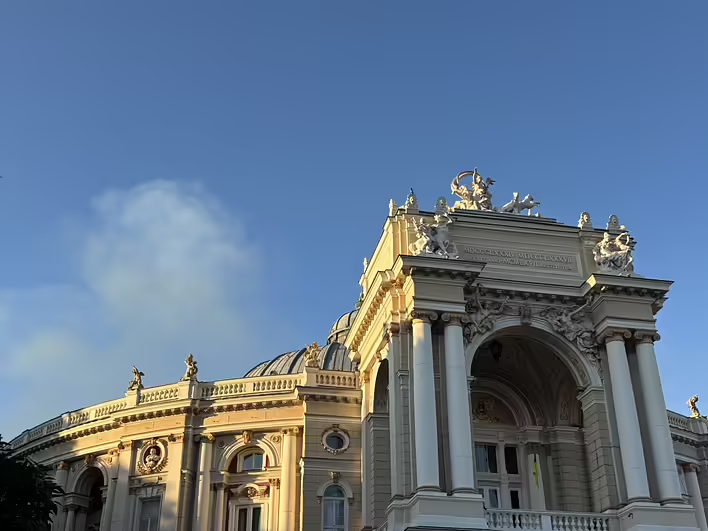
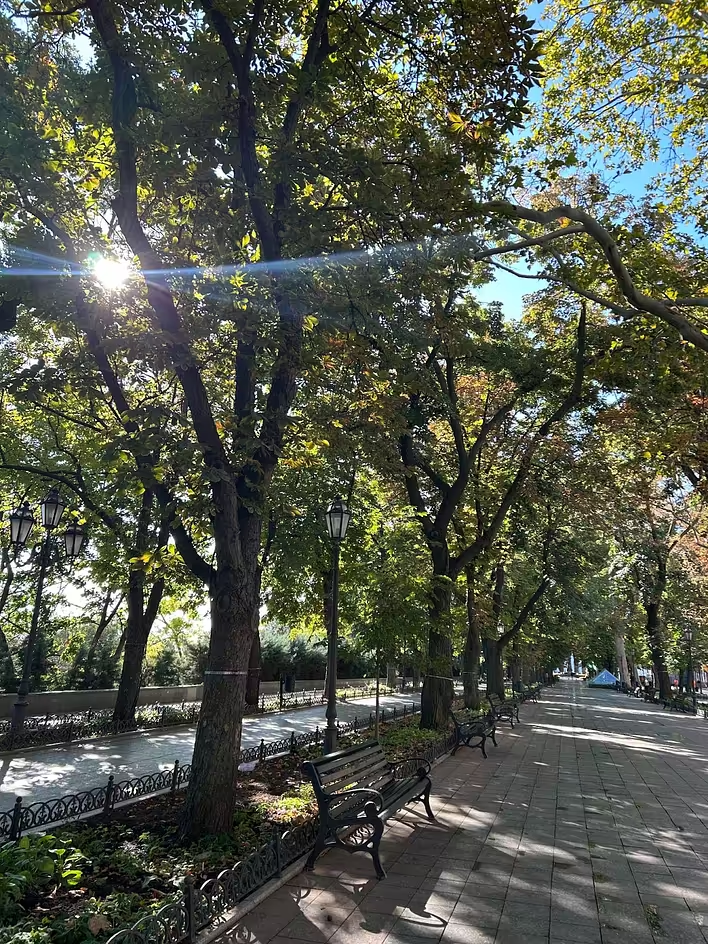
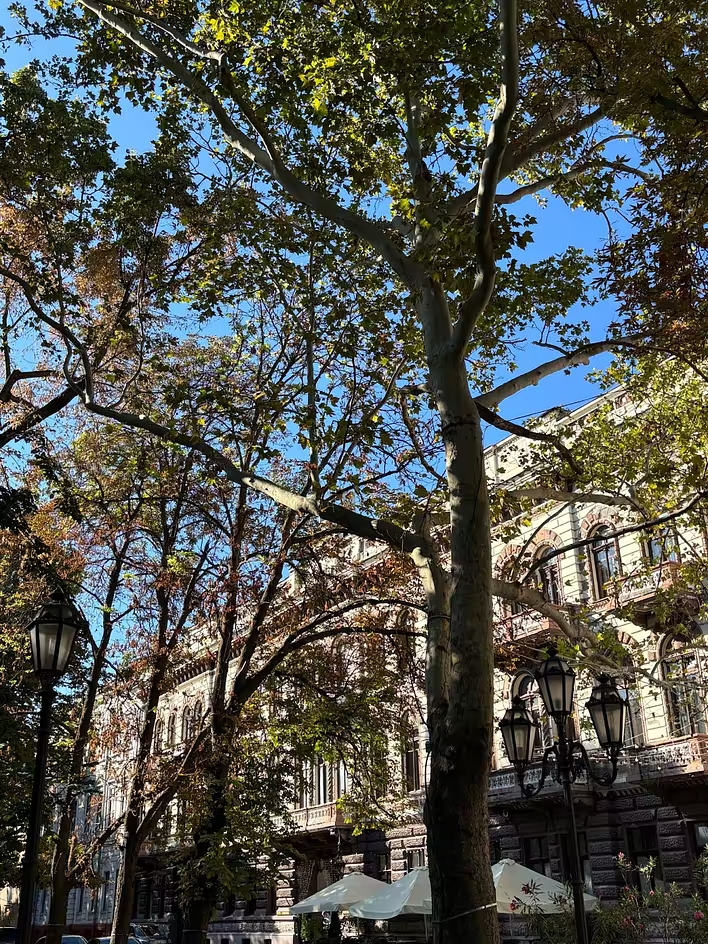
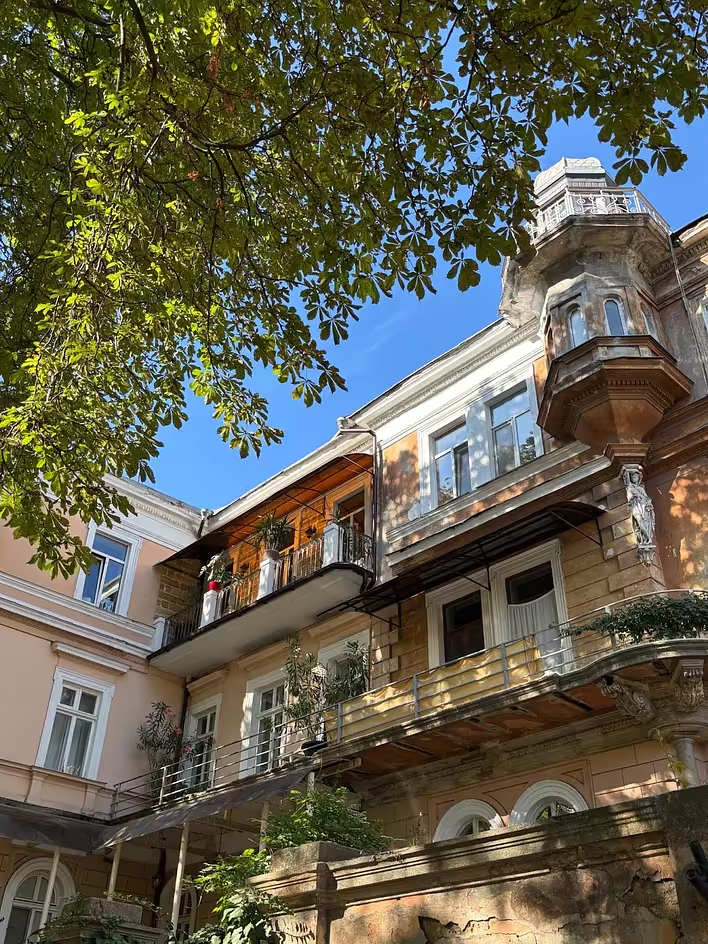
Once again, I am convinced of how green Odessa is. This time I came here in the summer to feel the seasonal atmosphere and relax by the sea.
Getting here was not easy: tickets for the "Ukrzaliznytsia" trains sold out instantly. We booked them at 8 AM on the day sales opened. The round trip on trains No. 105K and No. 106Sh cost about 800–900 UAH for a ticket in a compartment.
As for accommodation, prices skyrocket in the summer. Apartments that cost 700 UAH per night in May were offered for 5000 UAH by the end of August. That’s why we decided to stay in a hostel located on Kanatna Street, also in the center, which turned out to be a very convenient and economical solution.
Unlike my trip in May, this time I hardly took my phone out to take photos. We simply walked around observing the life of the city.
Compared to spring, the streets became noticeably livelier, with many more people everywhere.
Symbol of Resilience
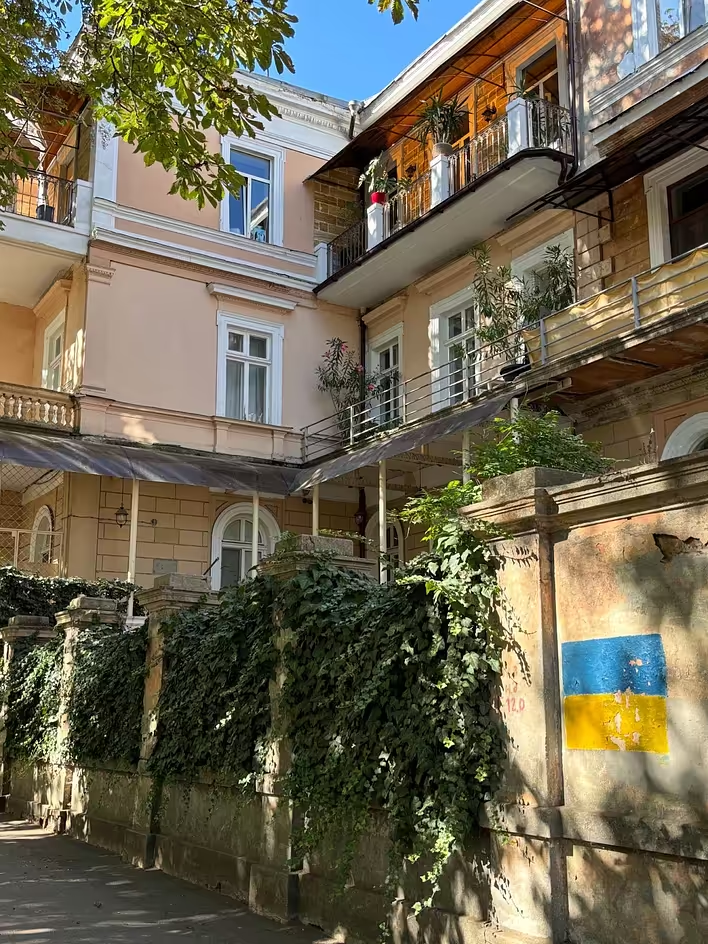
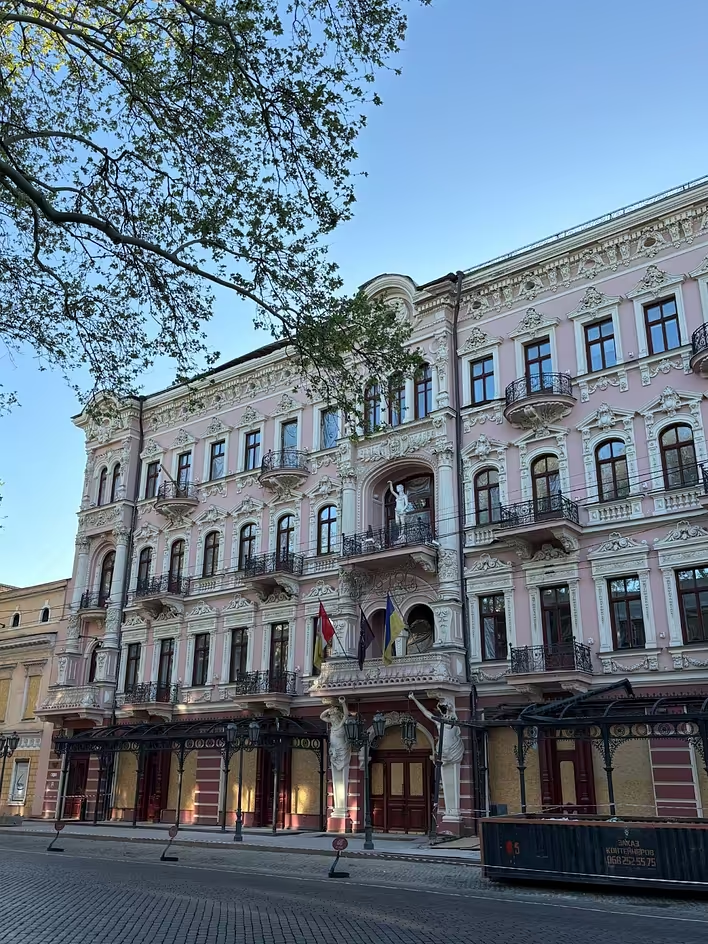
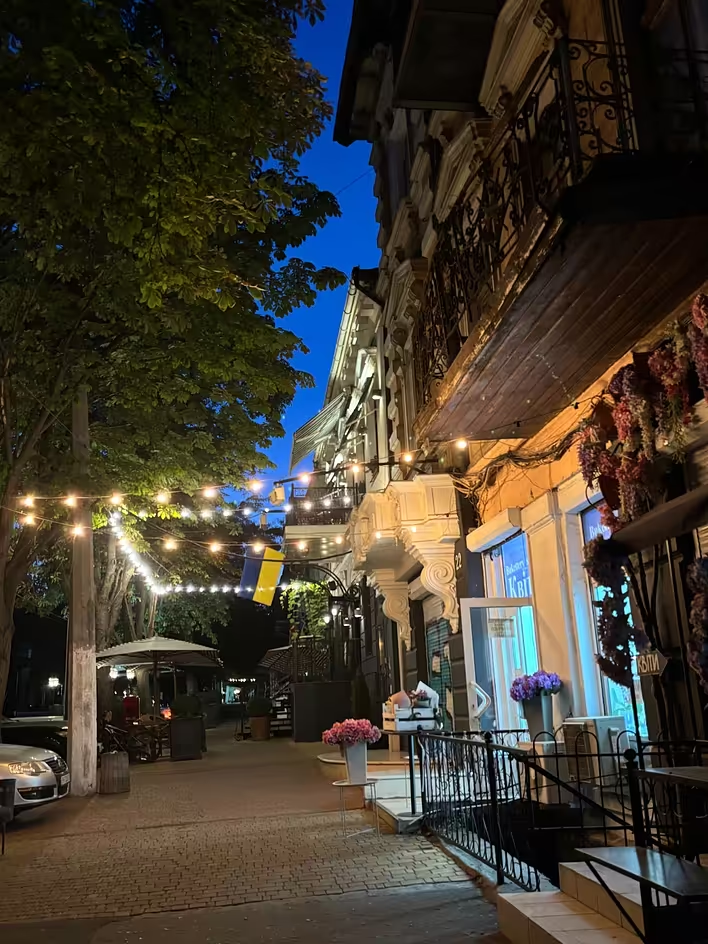
Another thing that immediately catches the eye is the large number of Ukrainian flags. They are almost everywhere: hanging on buildings, painted on walls, and visible in windows and balconies. The presence of flags reminds of the indomitable spirit of the city and its residents, and daily confirms Odessa's belonging to Ukraine.
Odessa Passage
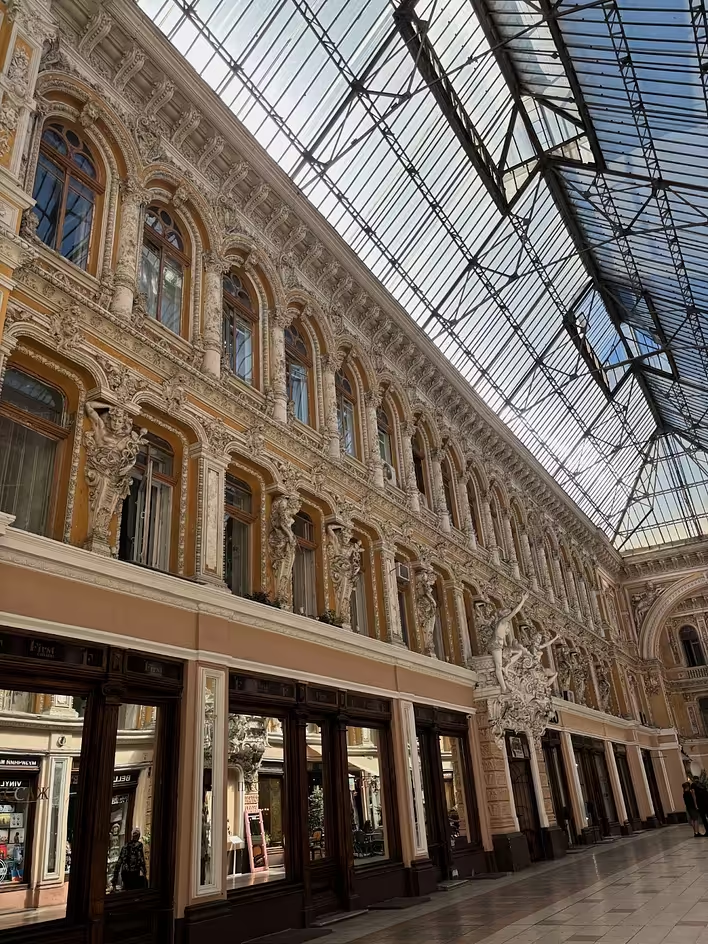
Odessa Passage is one of the most significant architectural landmarks of the city, combining commercial purpose with art. Built in the late 19th century, this multifunctional complex was designed as a commercial center that combined a hotel and a shopping gallery. This original concept ensured its functional viability and attractiveness for entrepreneurs and visitors.
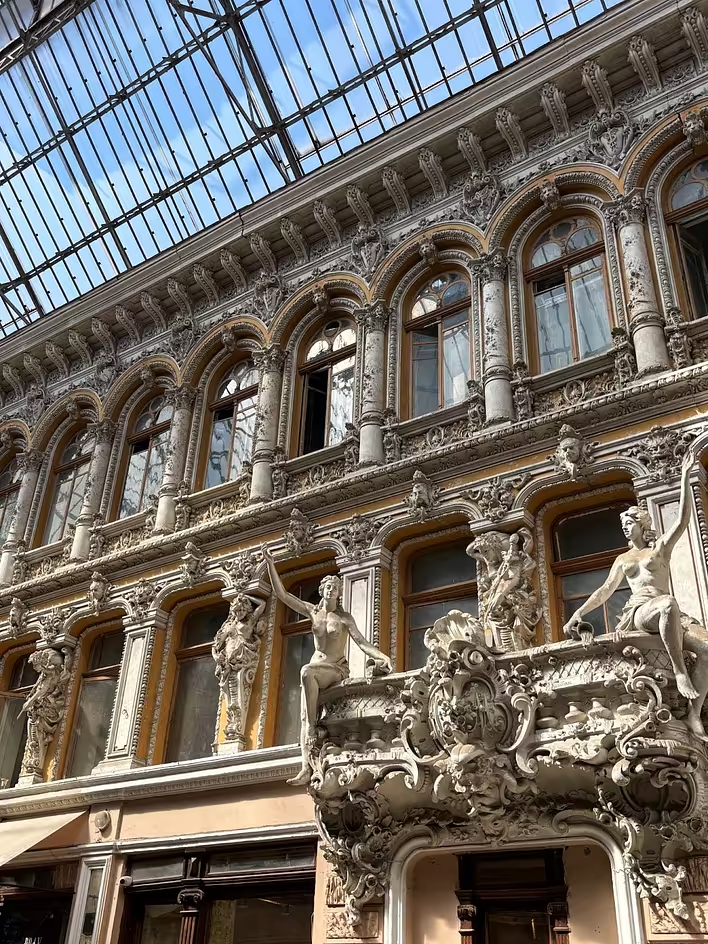
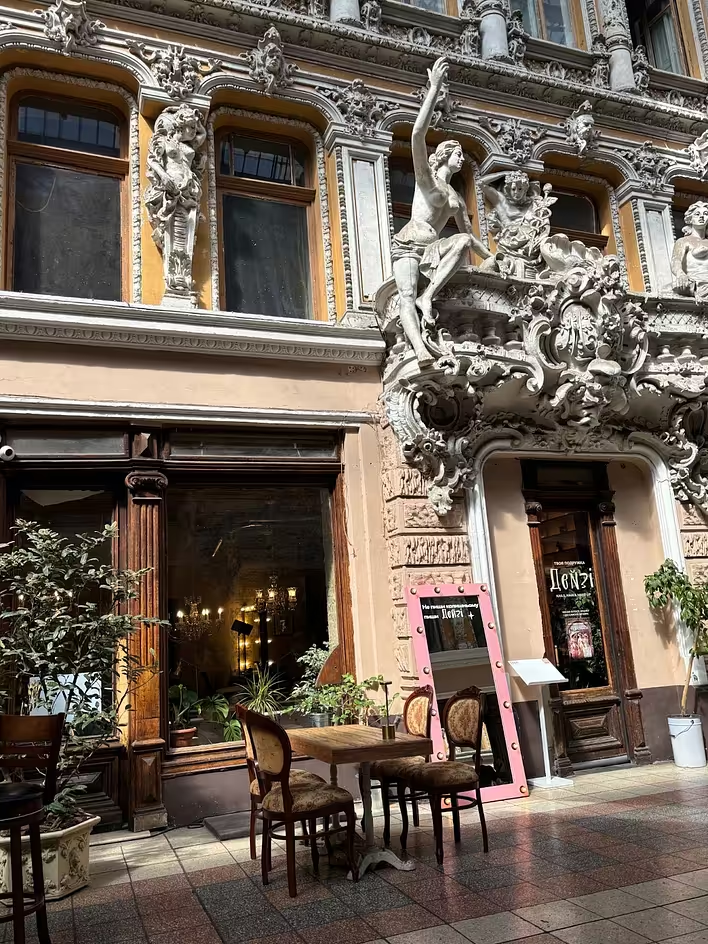
The architecture of the Passage is a perfect example of eclecticism with elements of Art Nouveau. The main feature of the building is the elegant glass dome that provides the space with natural light. The facades of the gallery are adorned with exquisite decor: sculptures, bas-reliefs, and stucco work.
Today, the Passage continues to fulfill its commercial function, but its role has transformed. It houses numerous shops, boutiques, cafes, and restaurants that actively use the historical backdrop of the building to attract visitors. Commercialization manifests not only in direct trade but also in the use of the architectural appeal of the Passage as a backdrop for photo shoots, cultural events, and tourist programs.
This adaptation to modern market conditions allows for the sustainability of the complex while preserving it as an architectural landmark. Thus, the commercial potential of the Passage is a key factor for its maintenance and integration into the modern urban environment of Odessa.
Inclusive Beach
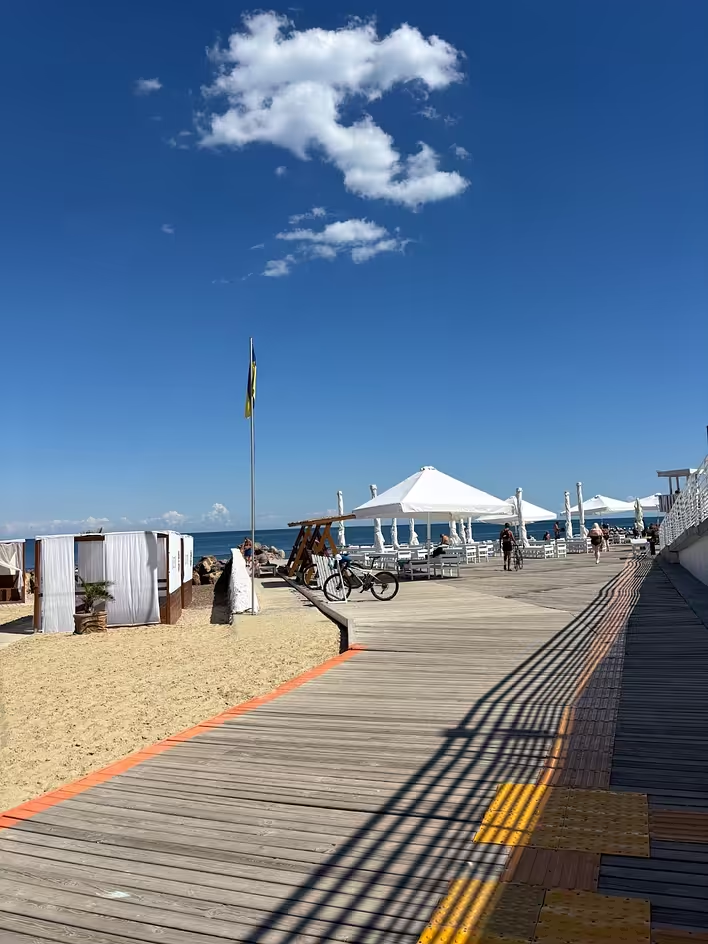
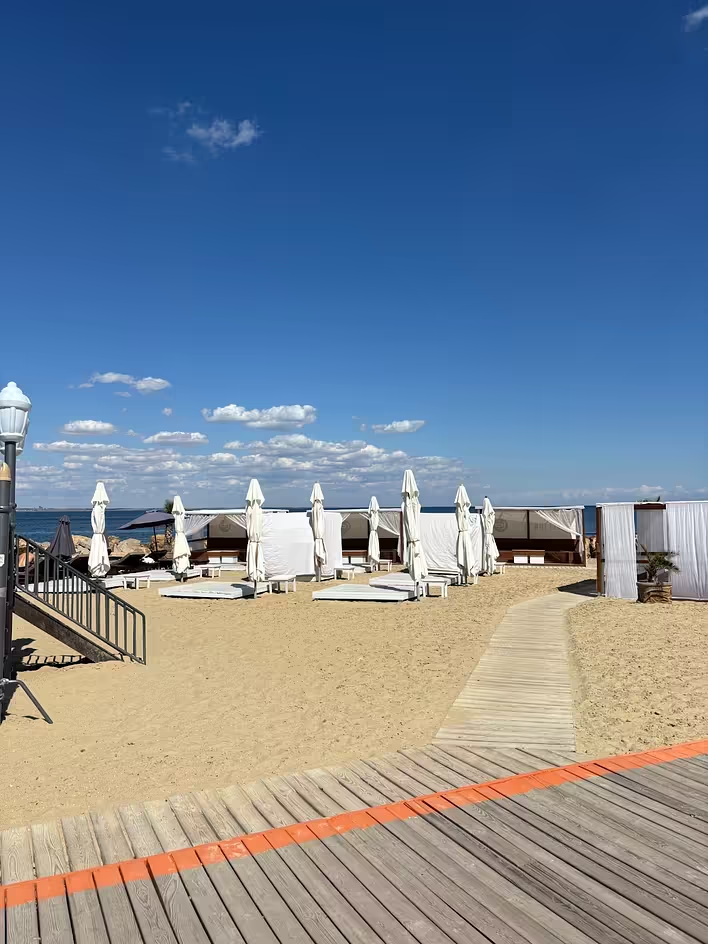
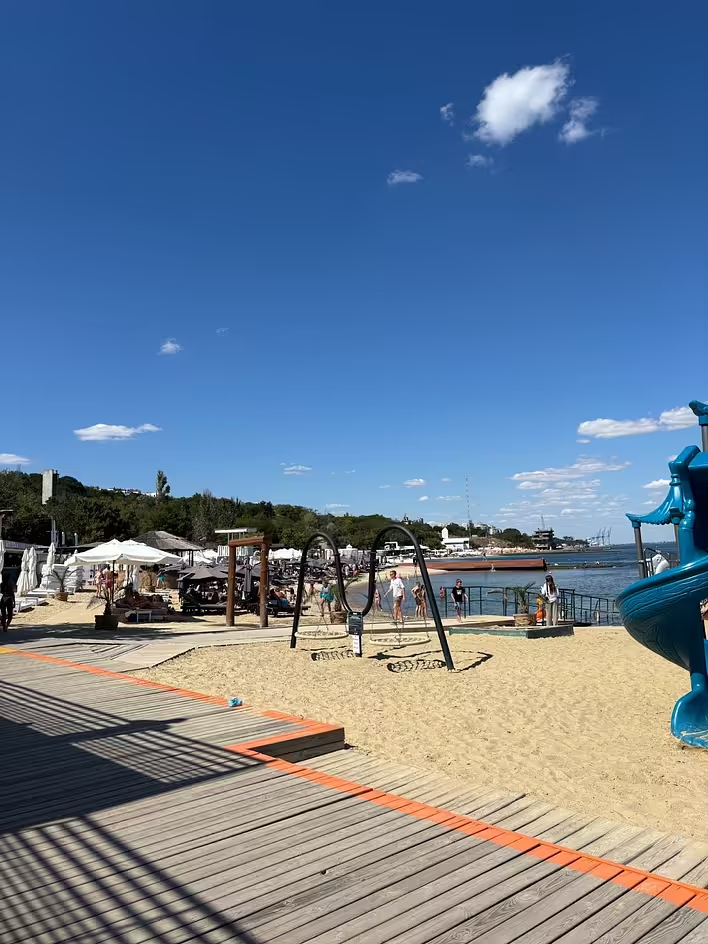
If in May the inclusive beach was a place of peace and solitude, in the summer it becomes an active social hub.
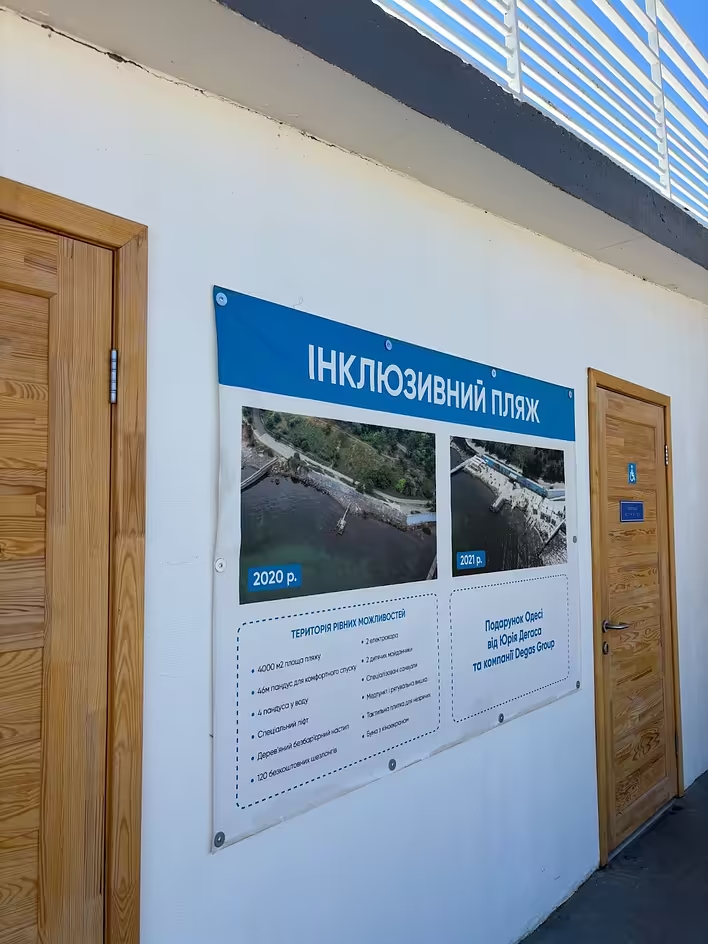
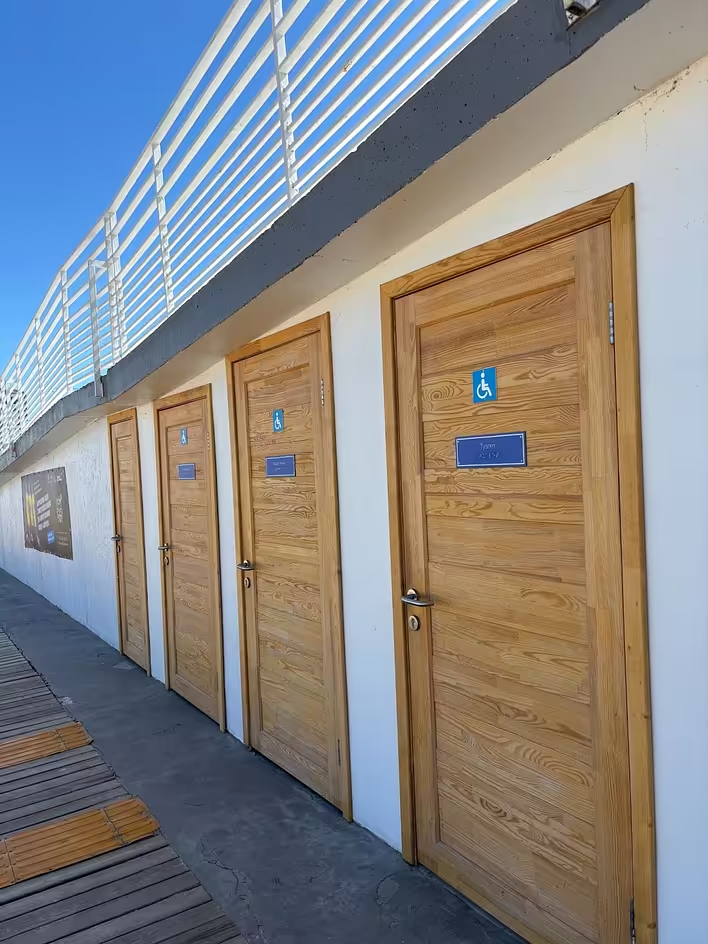
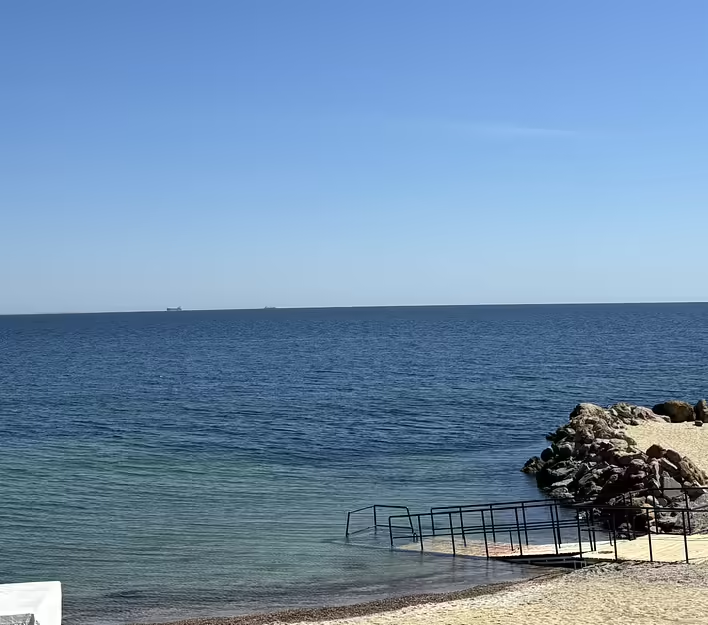
The inclusive beach is an example of universal design, where the key focus is on barrier-free access for all categories of visitors. Here, as you may have noticed, a set of solutions has been implemented to ensure comfortable movement: specialized ramps, tactile paths, and adapted restrooms.
In the summer season, the beach space is actively commercialized. This is expressed in the appearance of a large number of sun loungers and other equipment, which, on one hand, makes it crowded, while on the other, supports its sustainability. This seasonal transformation illustrates how an infrastructure object of significant social importance adapts to market conditions to ensure service accessibility for a wide range of visitors.
Nudist Beach
The nudist beach in Odessa is a specific recreational area located outside the main infrastructure of Lanzheron Beach. This stretch of coastline functions as an alternative space for relaxation, providing solitude and freedom from commercialization.
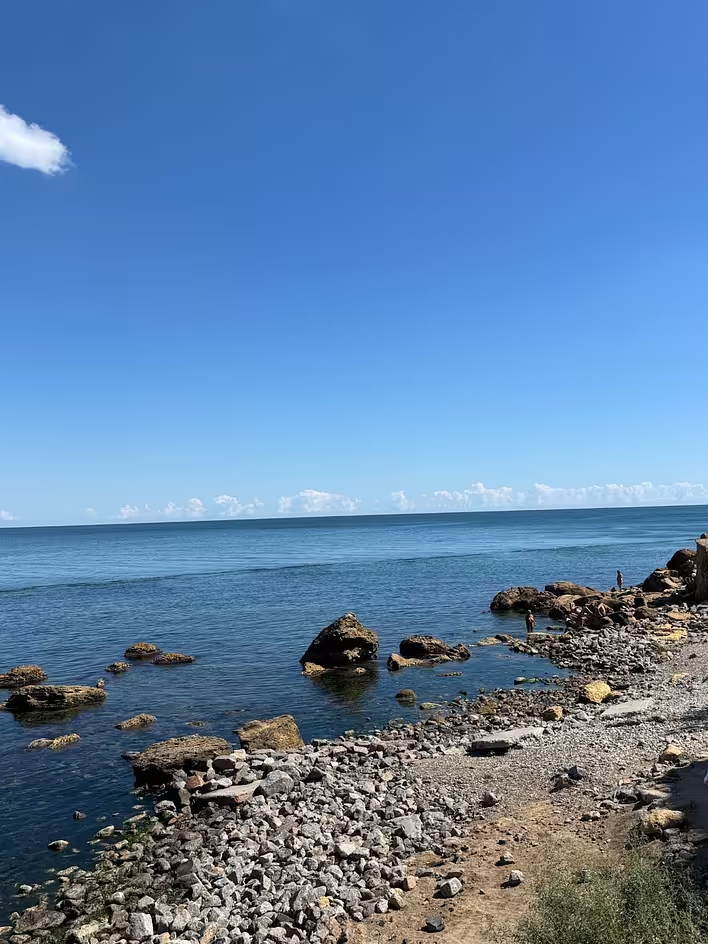
Unlike the equipped zones, this beach has a predominantly wild, natural character. The coastline here is rocky, with stones and small patches of pebbles. The absence of developed infrastructure (such as sun loungers or cafes) contributes to the preservation of an atmosphere of solitude and simplicity, which is key for visitors to this place.
Mark Twain Park (Gorky Park)
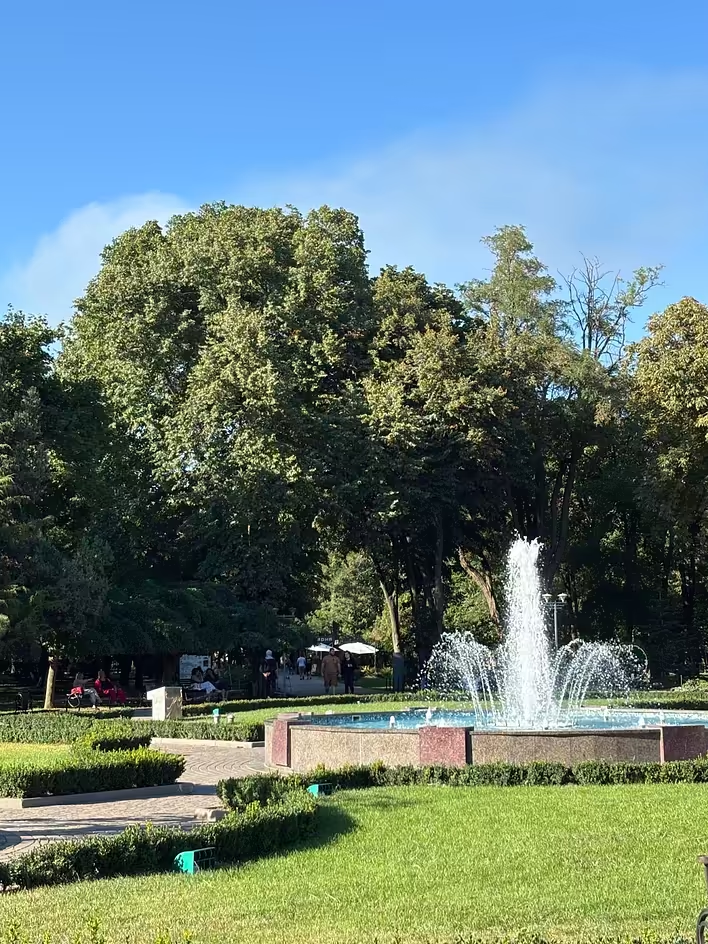
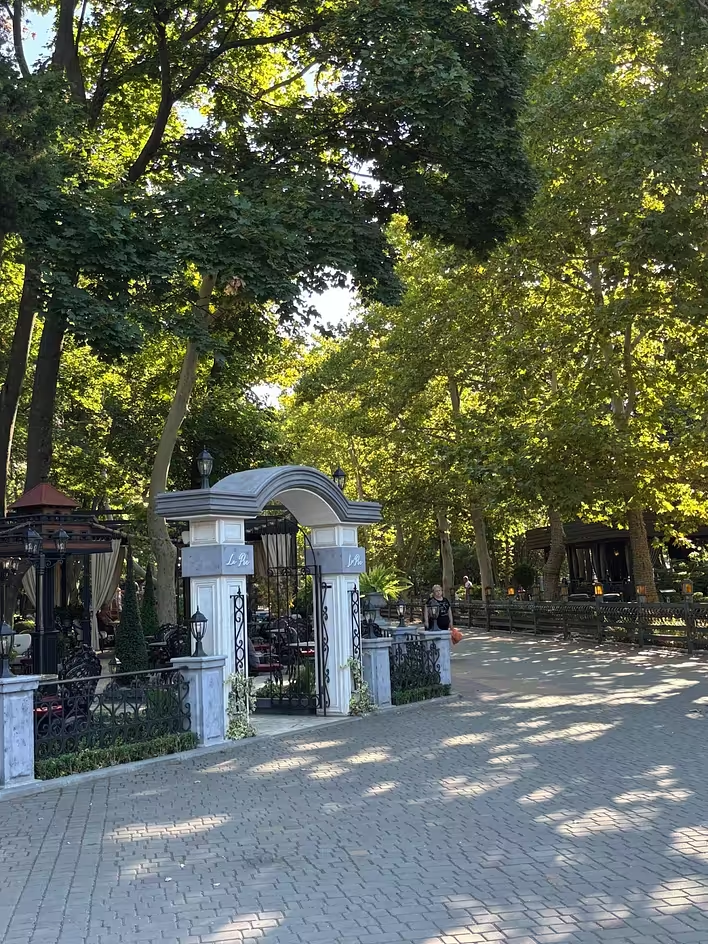
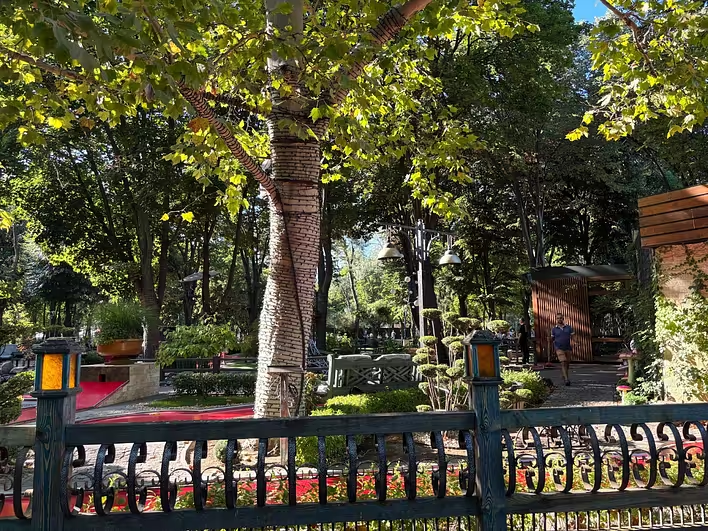
Gorky Park in Odessa, which recently received a new name — Mark Twain Park of Culture and Recreation, is one of the youngest yet key recreational spaces in the city. Established in 1973, it was designed as a green zone for the actively developing neighborhood.
This space is an example of purposeful landscape design, where over 6000 trees have been planted in the park area, forming a dense green mass and contributing to the regulation of the urban microclimate, providing shade on hot days. According to functional zoning, the area is divided into several sections: recreational zones with walking paths and benches for resting, as well as areas for active leisure with attractions and playgrounds, making it a key place for social interaction.
Vertical Greening
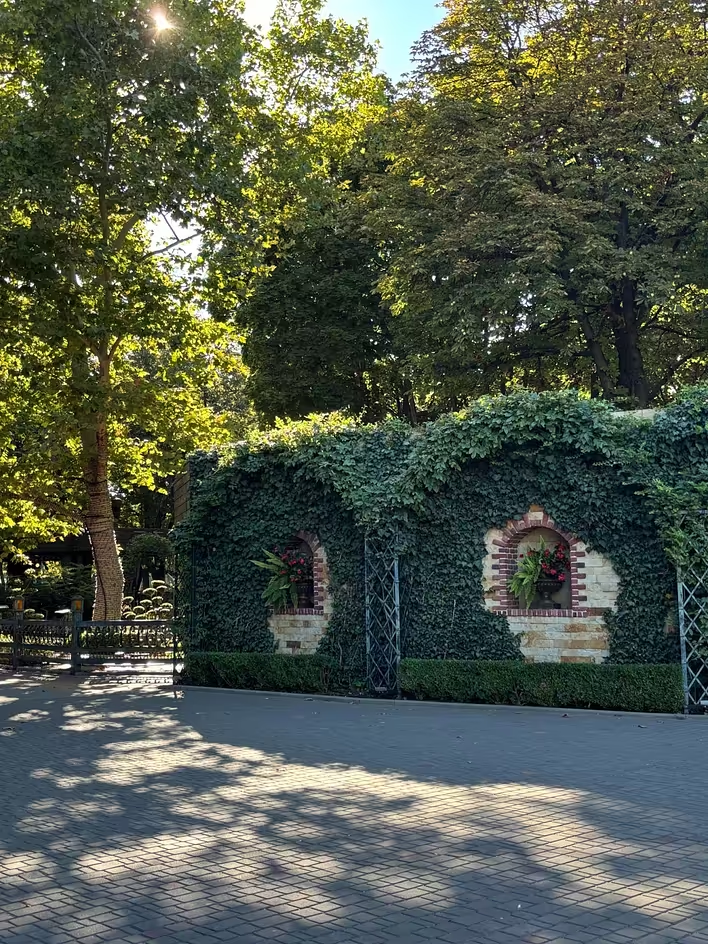
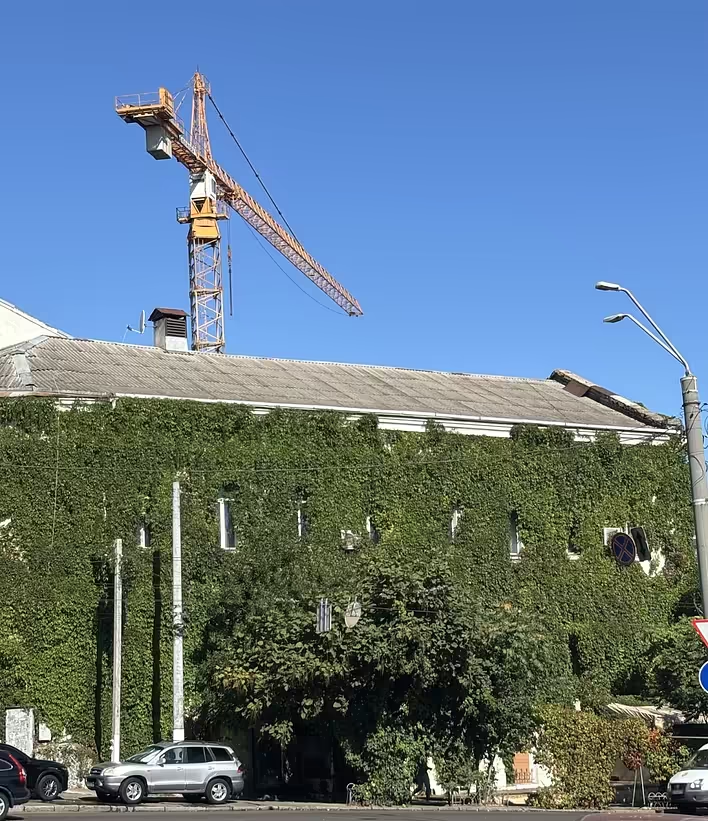
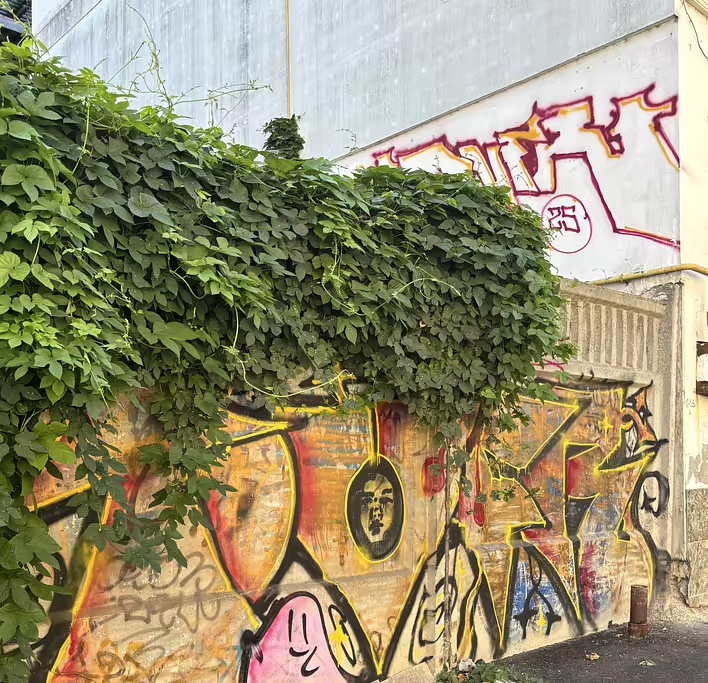
Vertical greening is a characteristic feature of the urban landscape of Odessa. It is common practice on the streets to use climbing plants, such as ivy, to cover building facades, balconies, and fences. This serves the function of additional insulation of walls from the impact of sunlight and helps regulate the microclimate in the areas adjacent to the buildings.
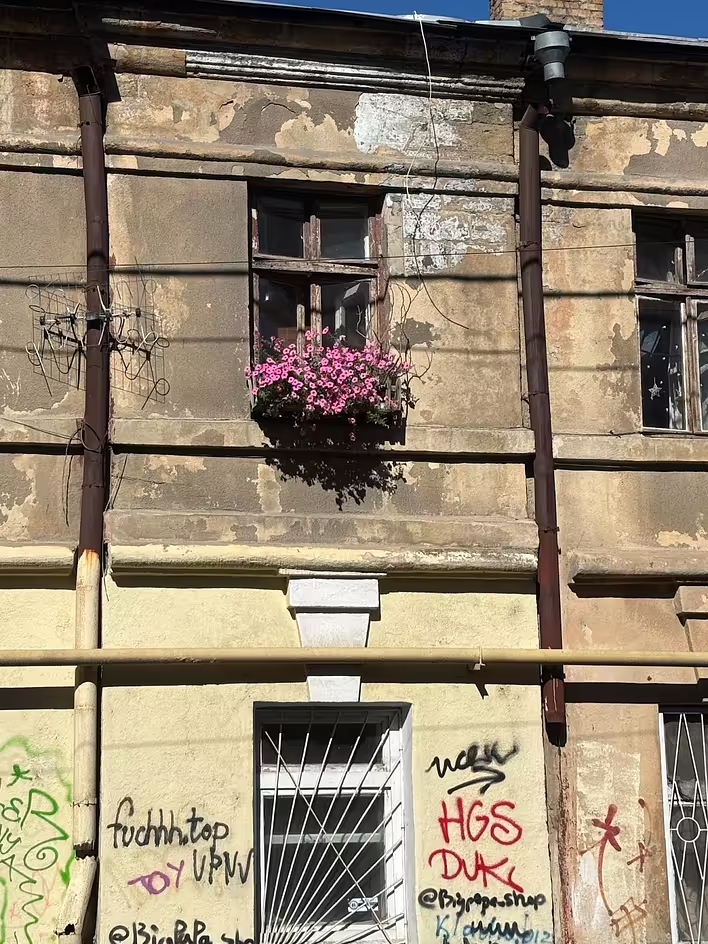
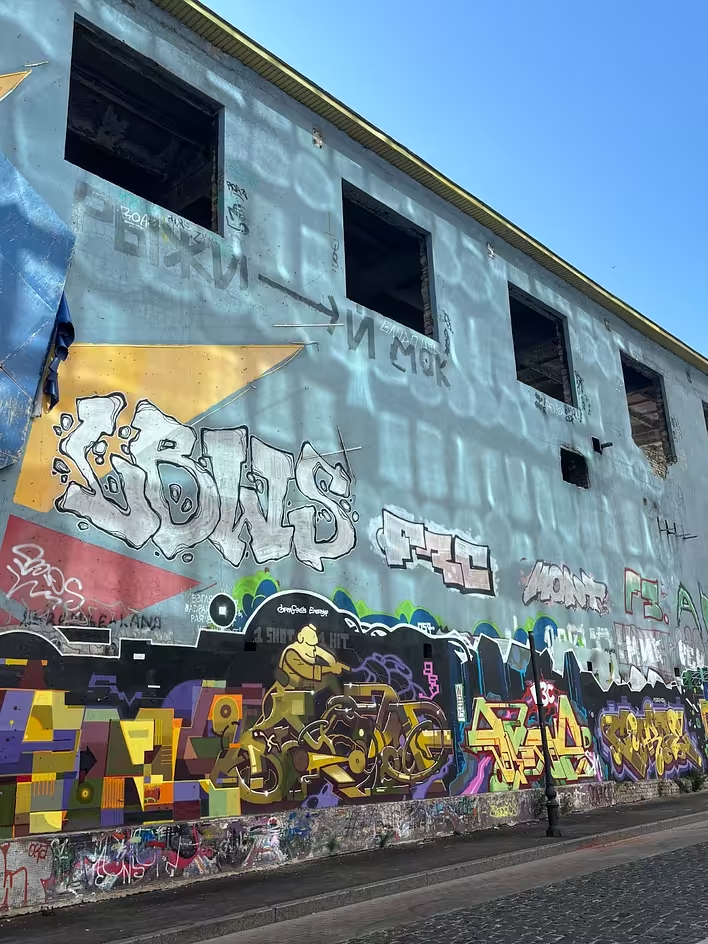
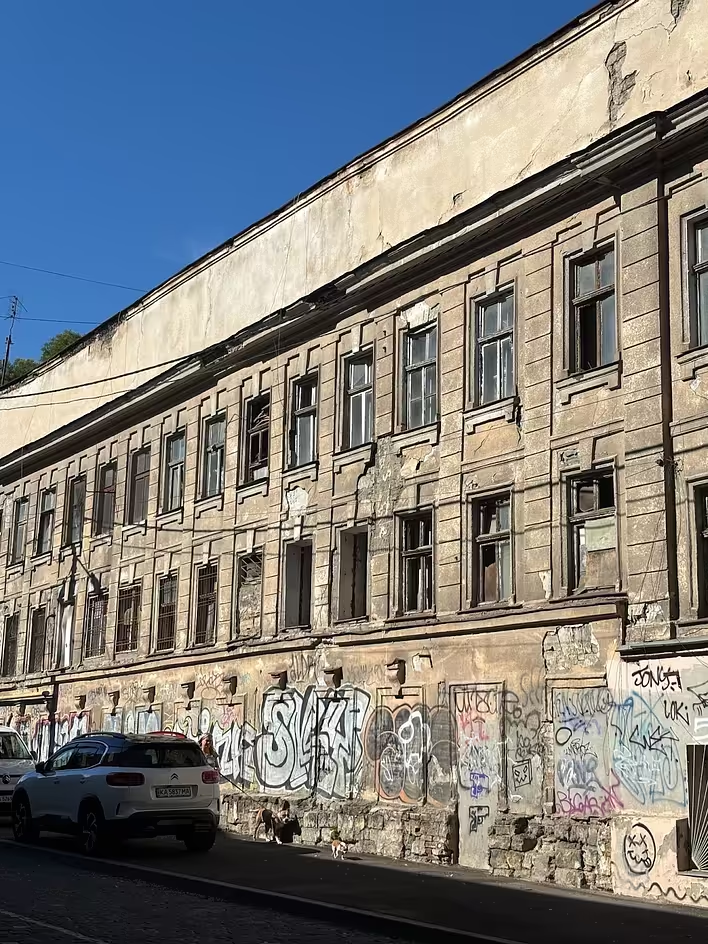
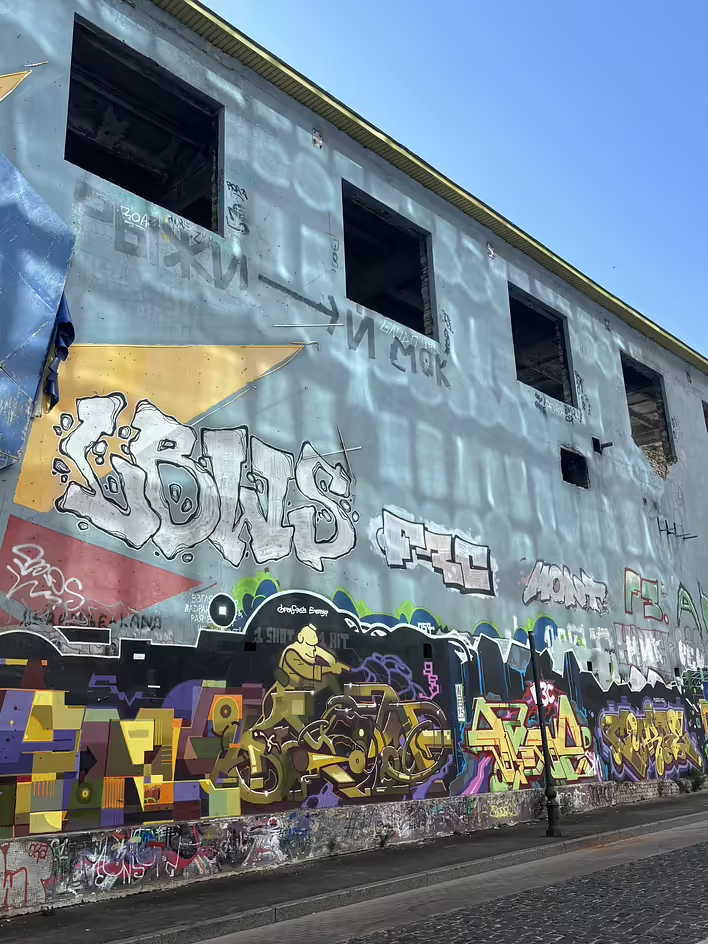
Weathered walls and abandoned houses waiting for repairs for years are part of the urban landscape. And this neglect has its explanation. Many buildings here are historical heritage, over a hundred years old. Their restoration is an extremely expensive and complex task, especially when a building has many private owners. And when some owners cannot or do not want to invest in renovations, the buildings gradually deteriorate.
Graffiti covering the walls often appears on such neglected surfaces. They become a kind of "canvas" for street artists. This phenomenon can be perceived in different ways: for some, it is vandalism, while for others, it is an inseparable part of modern urban culture that fills the space left unattended.
This "other Odessa" is not just decay, but a reflection of the city's complex history. A city that simultaneously lives in two dimensions: in its glorious history and in the realities of today, where beauty and neglect coexist side by side.
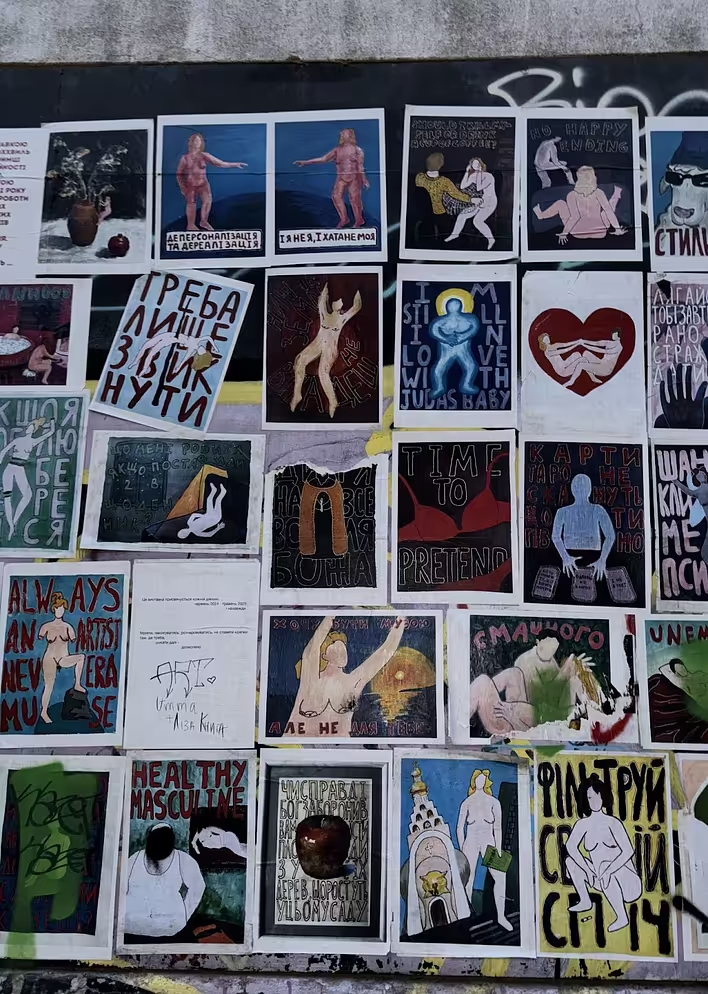
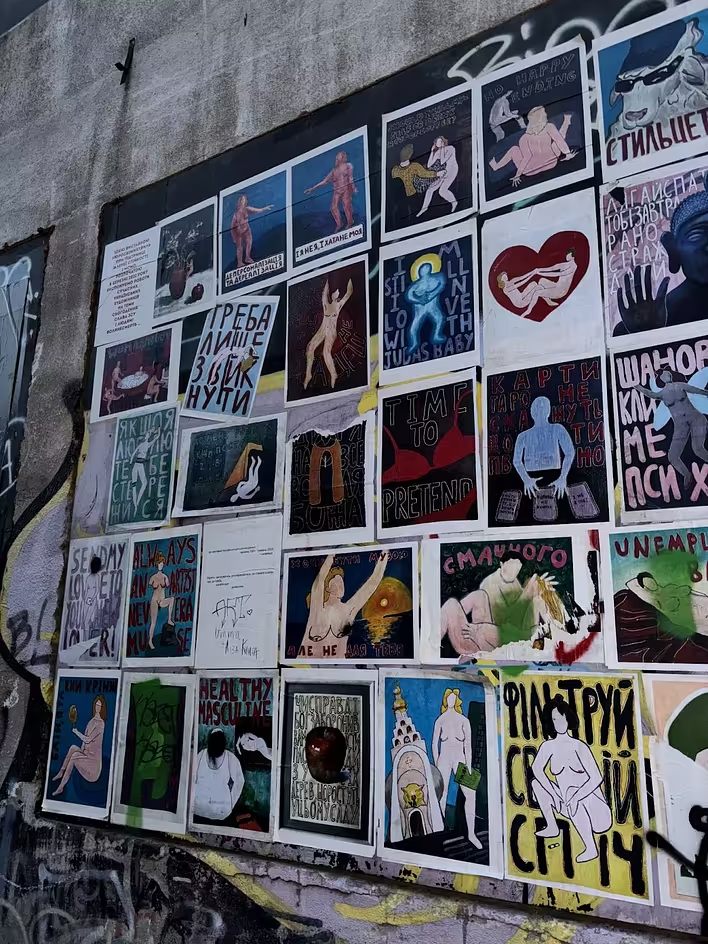
In the urban environment of Odessa, an interesting socio-cultural phenomenon is observed. Alongside large-scale graffiti works, these surfaces become a space for self-identification and visual communication, especially among creative youth. This manifests in the form of small installations, stickers, and collages that serve as a tool for self-expression. Such manifestations of Ukrainian creativity help authors demonstrate their presence in the public space and establish a dialogue with the city.
Features of Urban Lighting
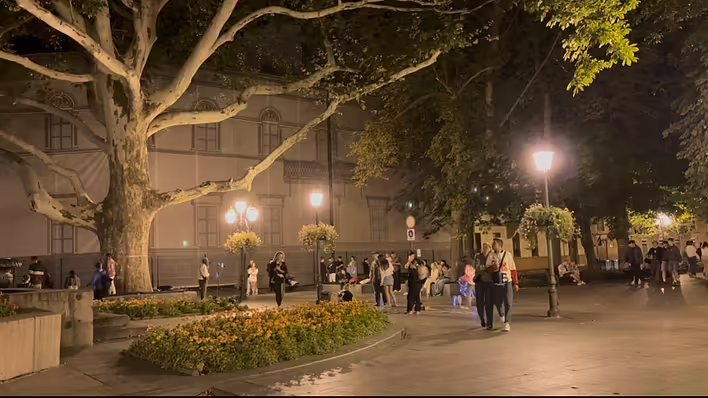
Evening Odessa opened up to me from a different, unexpected side. I was surprised that in the very center of the city, namely on Deribasivska Street, it was quite dark. Unlike the usual bright central streets, there was almost no municipal lighting here.
Lighting in pedestrian areas is uneven and is mainly provided by commercial establishments — shops, cafes, and restaurants. This creates a mosaic structure of illumination: the areas around establishments are illuminated, while the gaps between them remain in shadow. This lighting model defines the visual character of the streets in the evening, which differs from traditional European cities with centralized lighting.
City Restoration
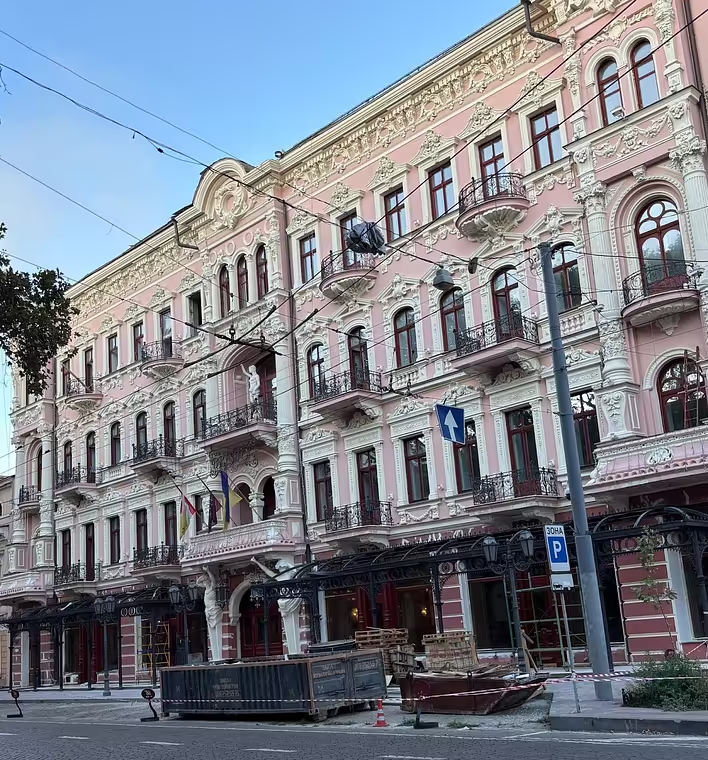
The restoration of urban development in Odessa after damage caused by attacks from Russia illustrates the processes of post-conflict regeneration of urban space. The facade of a building that suffered damage due to Russian war crimes is undergoing restoration. Photographs show that new window structures have been installed at the site of the damage on the first floor. This process is part of a comprehensive strategy aimed at restoring the vitality of the city that resists aggression.
City Life
Life in Odessa is a phenomenon that cannot be fully grasped just by looking at a map or photographs. It is something that is felt in the air, and I definitely noticed it. Despite everything, the city does not just exist; it lives.
Here, people do not stop enjoying themselves, going to the sea, swimming, and soaking up the sun. It looks like a kind of therapy, a way to restore mental balance, reclaiming the right to ordinary joy from reality every day. It is not just a vacation but a deep, conscious feeling of the moment.
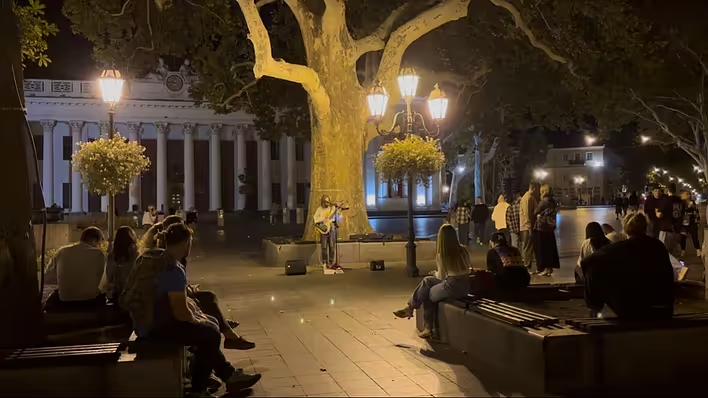
And street musicians are the true pulse of the city. Their music becomes the soundtrack for evening walks. They gather people around them, turning ordinary streets into improvised concert halls. It is exciting to observe how families, couples in love, and people with pets unite around a single melody. This scene is a vivid confirmation that the most important thing in the city is not the walls but the people.
Life in Odessa is an indomitable spirit that manifests in everyday, seemingly simple things. It is the ability to rejoice, to enjoy the sea and music, which is the strongest response to all challenges.