This content has been automatically translated from Ukrainian.
Berlin – the city of graffiti and murals
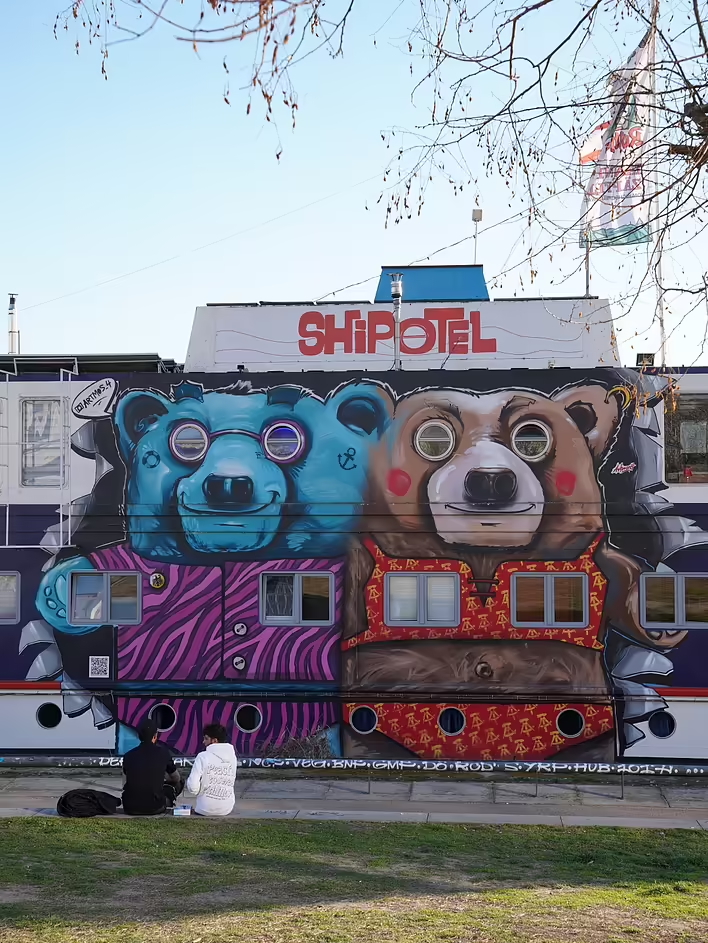
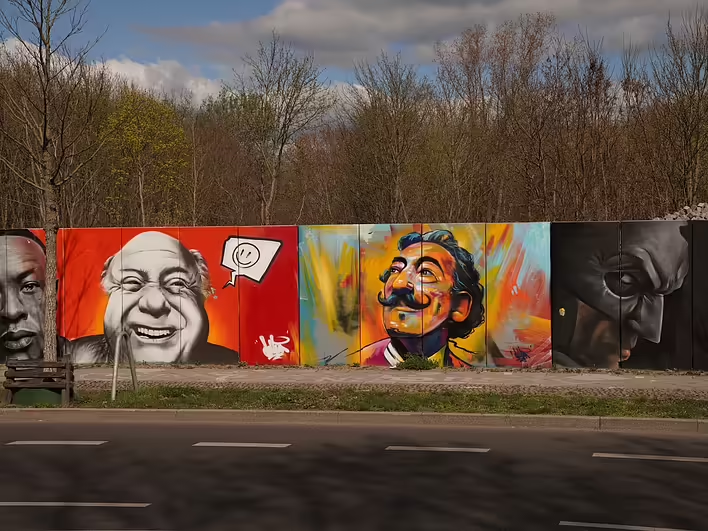
Berlin is known for its open attitude towards street art. Since the 1980s, even before the fall of the Berlin Wall, it has become one of the main centers of graffiti in Europe. Today, you can see both chaotic tags and illegal writings, as well as huge murals created with the permission of the city authorities or commissioned by companies.
In Berlin, graffiti and murals exist in symbiosis: the city is both a place for spontaneous street art and a platform for legal art.
Graffiti and murals: what’s the difference?
To avoid confusing these concepts, it is important to understand their key differences.
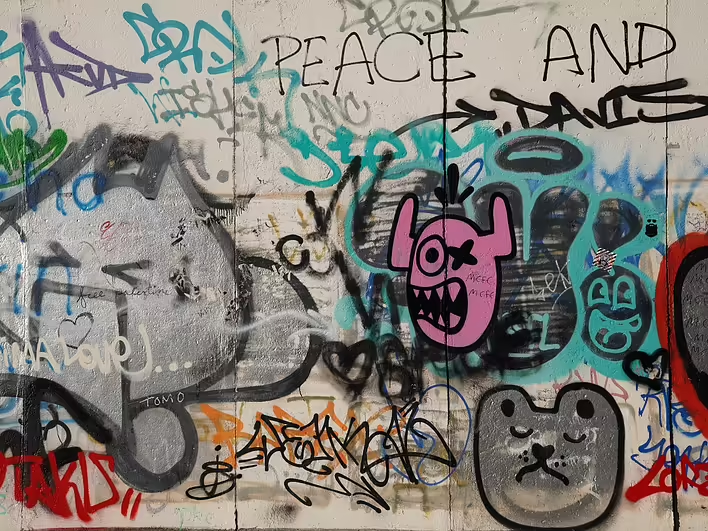
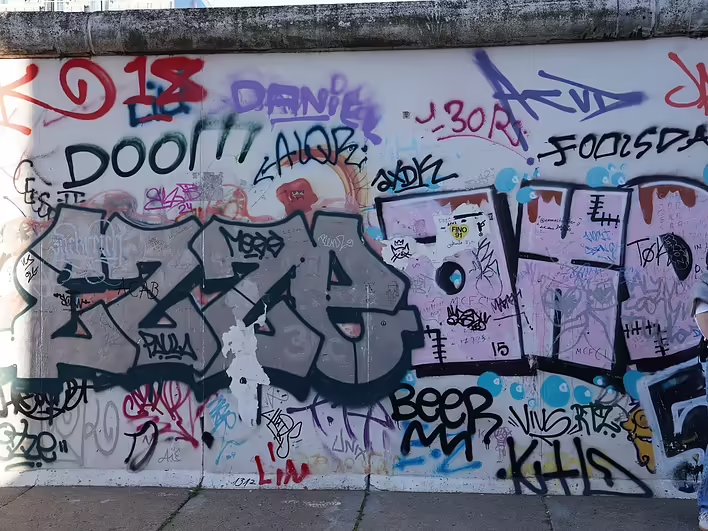
- Graffiti – are primarily unauthorized drawings or tags made with spray paint. Graffiti artists often use stylized letters, symbols, or characters. It is a form of self-expression that has deep roots in hip-hop culture and the protest movement.
- Murals – are large artistic works that adorn the facades of buildings and are usually created with the consent of the city authorities or building owners. They often have social or aesthetic significance.
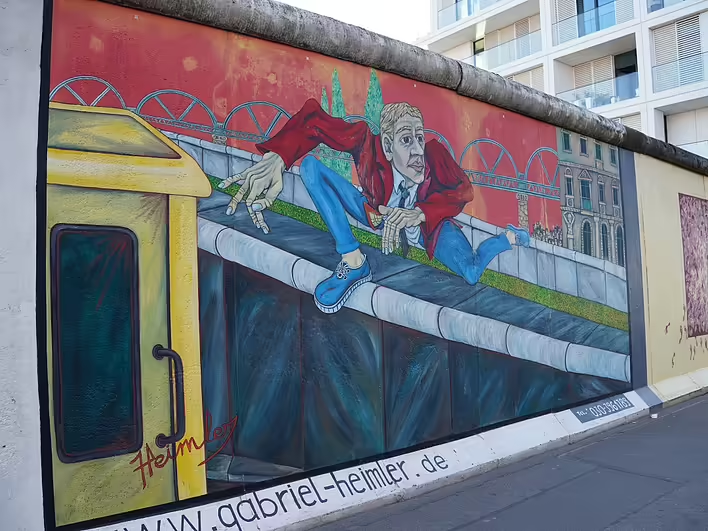
What tools are used to create murals and graffiti?
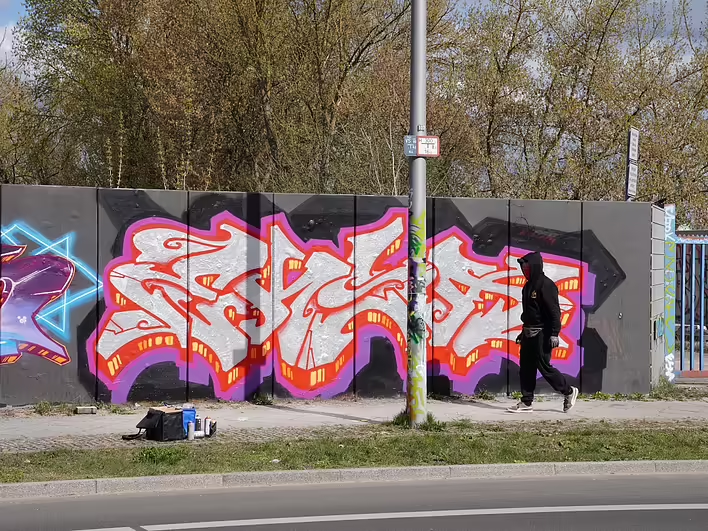
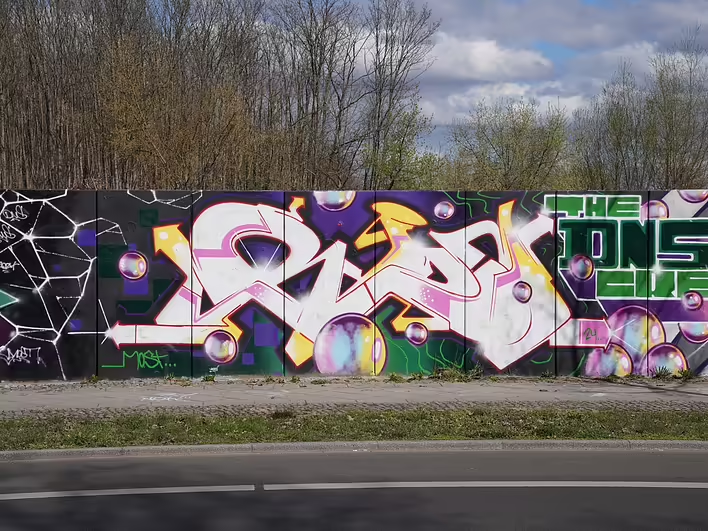
- Graffiti are usually applied with spray cans. Experienced artists create complex color transitions and three-dimensional forms using different nozzles on the cans (caps).
- Murals are painted using brushes, rollers, and paints (acrylic, facade, or latex). Large works can be created using projection techniques or even cranes.
The Berlin Wall: graffiti or murals?
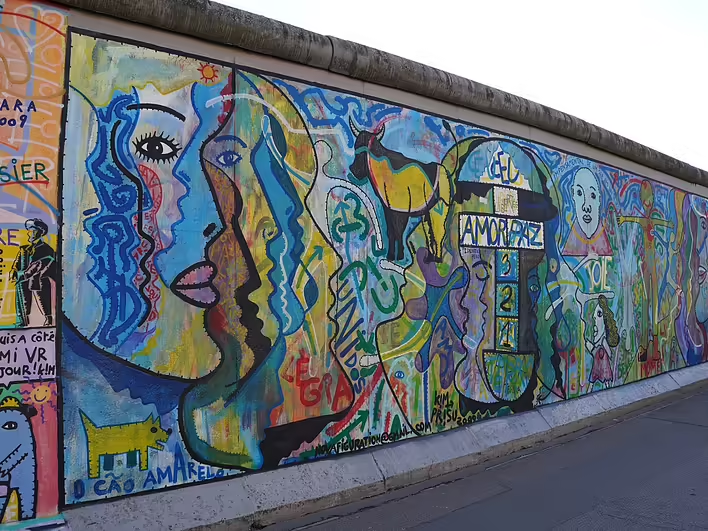
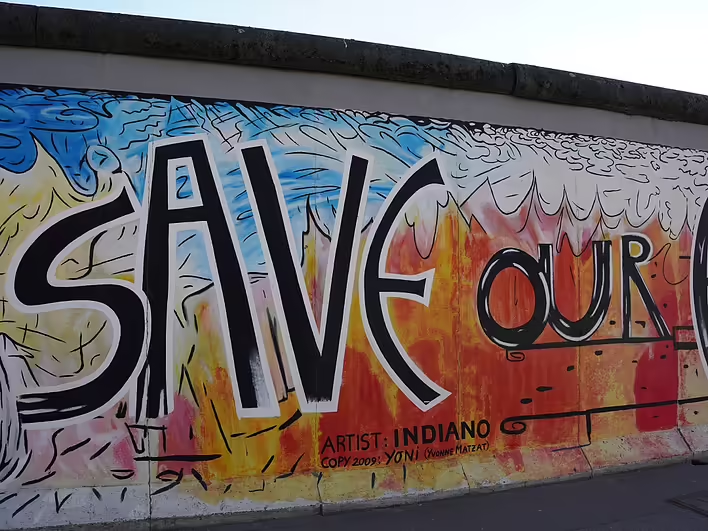
The Berlin Wall is an iconic symbol of the division of Germany, which has turned into one of the largest canvases for street art.
- Before 1989: The western side of the wall was covered in graffiti. Many writings were protest slogans, political statements, as well as drawings made with spray paints. It was spontaneous art that symbolized the struggle for freedom.
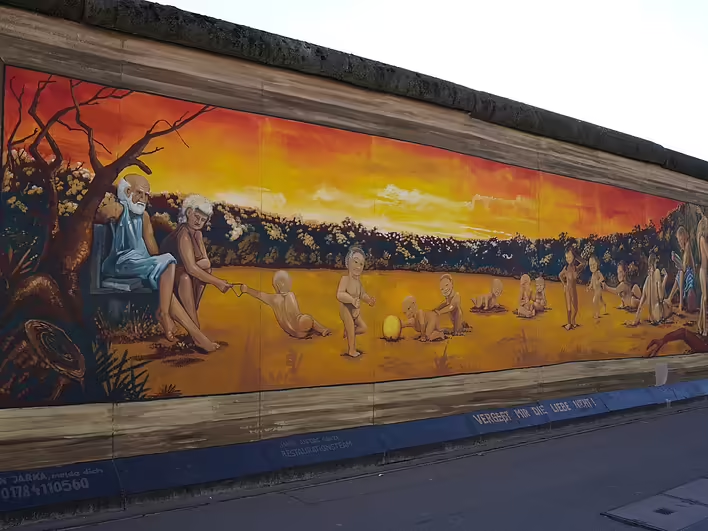
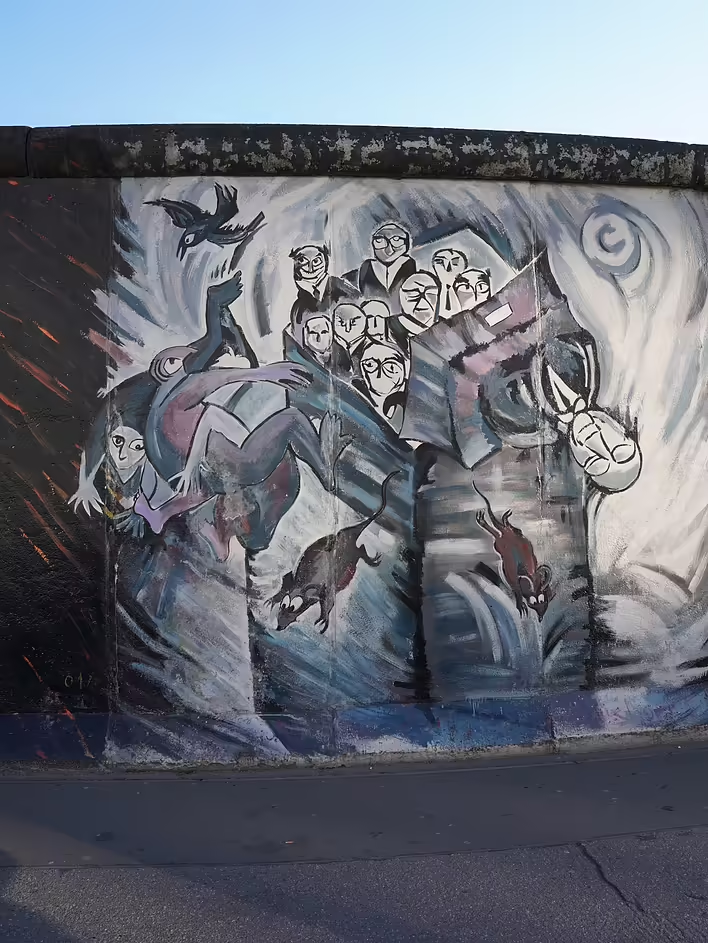
- After the fall of the wall (1989): The eastern side, which had previously been clean and untouched, was revitalized by the East Side Gallery project. In 1990, a group of artists painted the remnants of the wall, creating the largest open-air gallery in the world. These were no longer graffiti, but true murals – large-scale paintings with artistic ideas, created legally.
Thus, what was on the wall before the fall is graffiti, and what appeared after is murals. The most famous works of the East Side Gallery include "The Kiss of Brezhnev and Honecker" by Dmitry Vrubel and "Trabant Breaking Through the Wall" by Berhard Link.
Where to find murals and graffiti in Berlin?
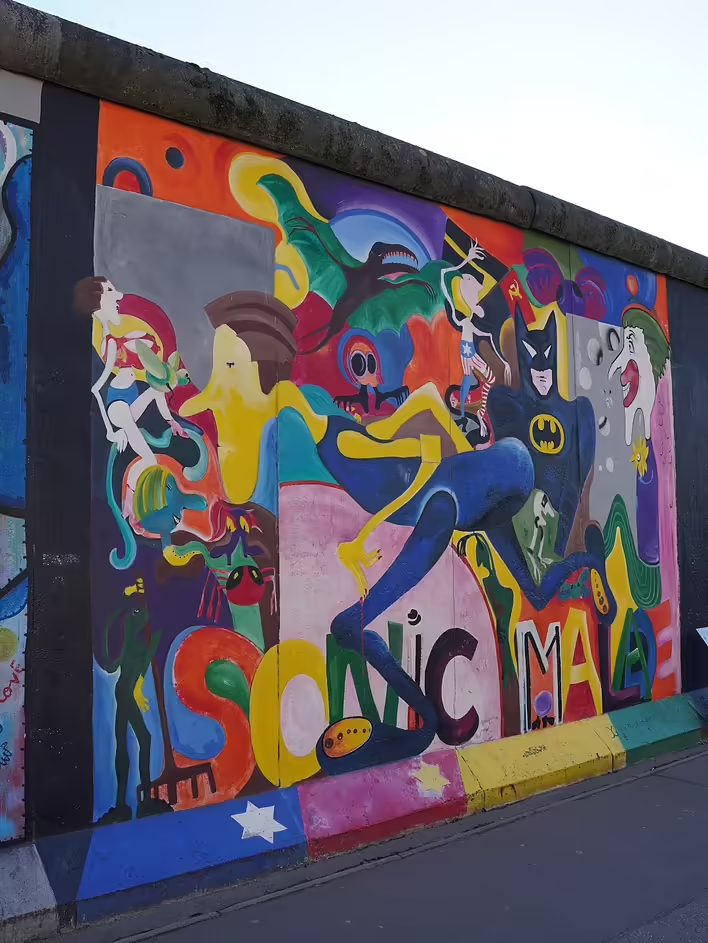
If you want to see the best examples of Berlin street art, here are a few places:
- Kreuzberg – the center of alternative culture, where you can find many illegal graffiti and murals by famous artists.
- Friedrichshain – the district where the East Side Gallery is located, as well as numerous street art objects.
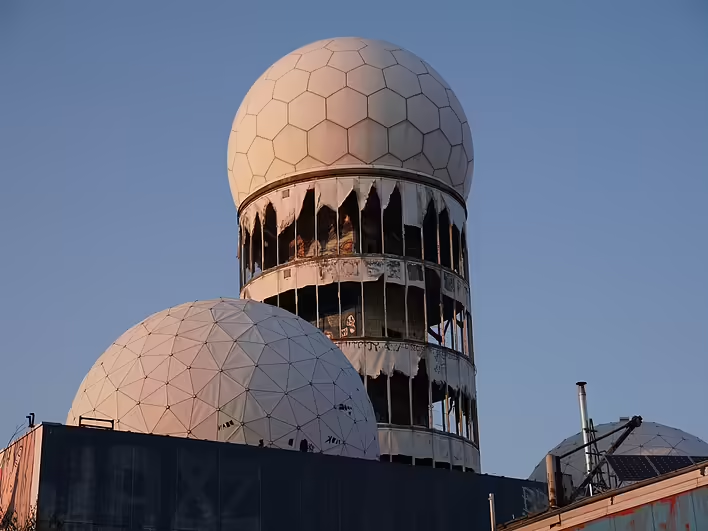
- Teufelsberg – an abandoned spy station that has become a true graffiti mecca.
- Haus Schwarzenberg (Mitte) – an iconic place where you can see works by renowned graffiti masters.
Why is Berlin a special place for street art?
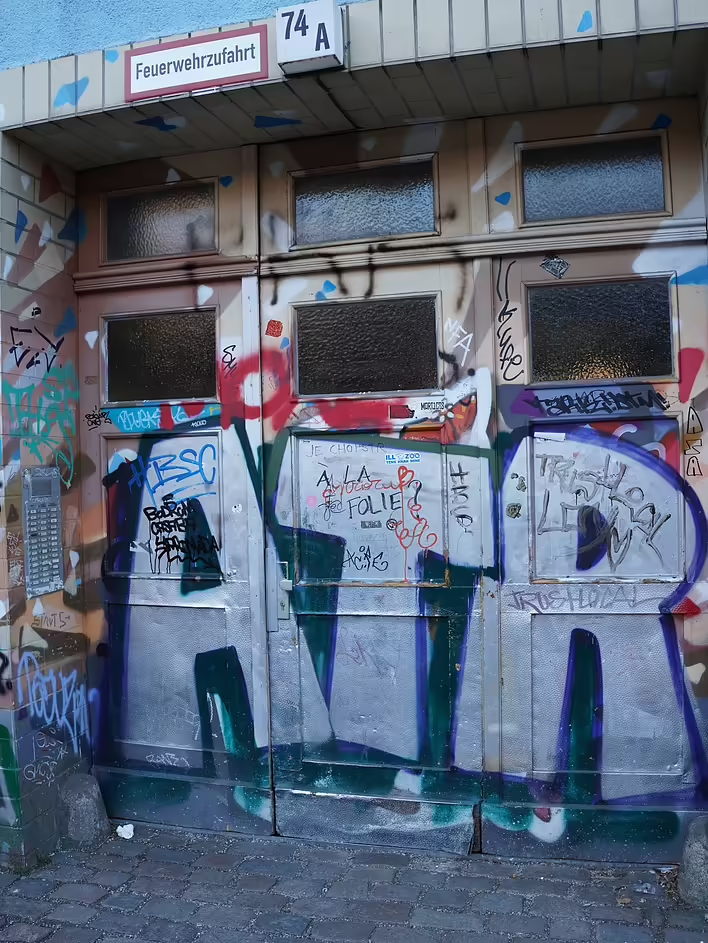
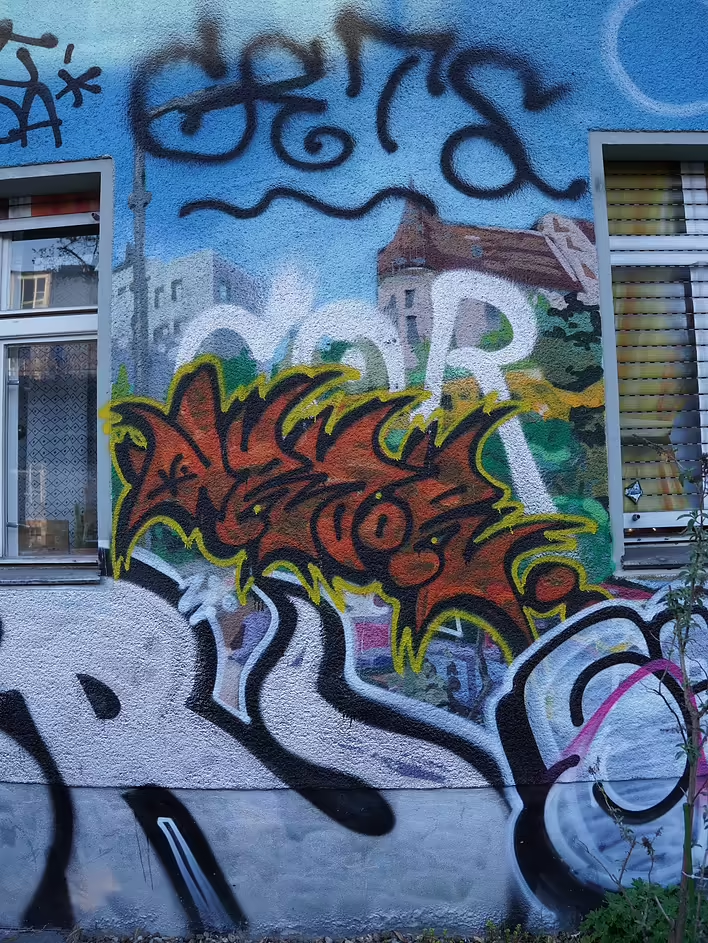
Berlin has become a symbol of freedom, and its walls are a canvas for artists from around the world. The city allows for experimentation, provides space for legal street art, and at the same time preserves the spirit of rebellion. Here you can see both chaotic graffiti that appears on walls overnight and large murals that are created over months.
In Berlin, there is no clear division between graffiti and murals – everything is intertwined, just like the history of the city itself. But if you look deeper, you can understand the main point: graffiti is the voice of the street, while murals are its face.
Like it?React
🧵
This post doesn't have any additions from the author yet.