This content has been automatically translated from Ukrainian.
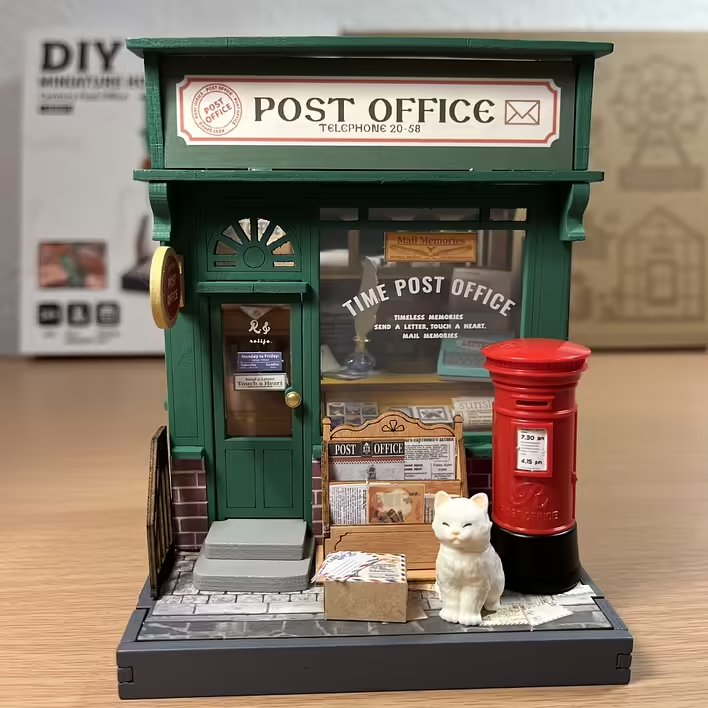
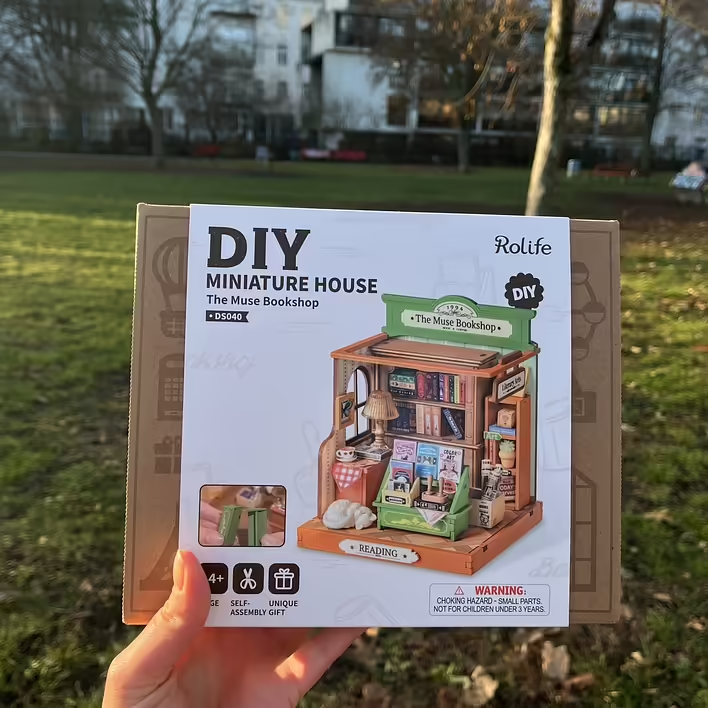
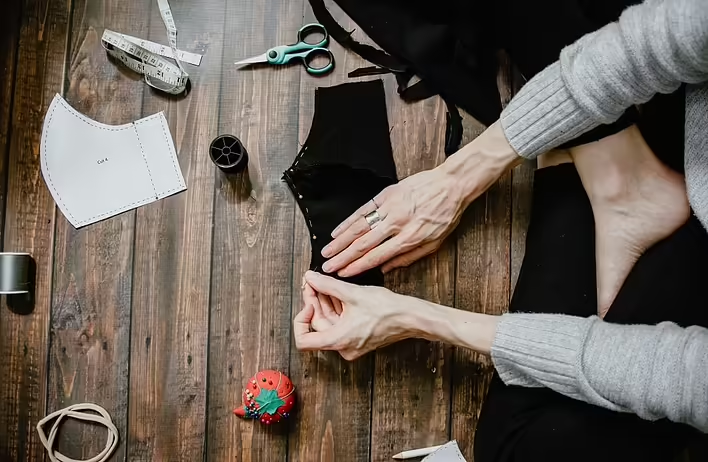
DIY is one of those acronyms that has entered our everyday vocabulary, but behind it lies a whole world of creativity, self-expression, and freedom. If you've ever heard this mysterious acronym, you probably know that it stands for "Do It Yourself", meaning "do it yourself." However, its meaning goes far beyond a simple call to action.
The Origins of DIY: How It All Began
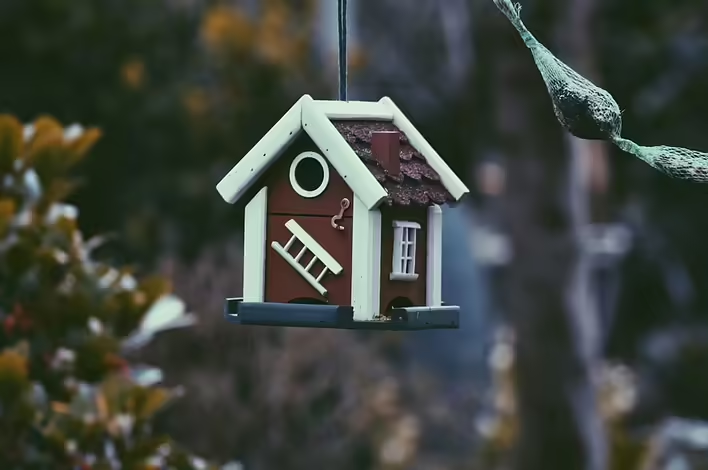
The history of DIY didn't start yesterday. In the broadest sense, this phenomenon has existed as long as humanity itself. From primitive people making tools to self-building houses in the 19th century – all of this can be considered manifestations of DIY. However, as a modern term, DIY began to gain popularity in the mid-20th century.
In the 1950s and 60s in the USA, DIY became associated with home repair and interior design. After World War II, many people sought to furnish their homes without the help of professionals. During this period, the first magazines with instructions on how to make things by hand began to appear – from building shelves to restoring furniture.
But the real explosion of DIY culture occurred in the 1970s when this approach transitioned into creativity and self-expression. The punk movement was one of the first to popularize the idea of DIY in music: musicians recorded albums, created covers, and organized concerts without the involvement of major labels.
The Philosophy of DIY
At first glance, DIY is simply the opportunity to make something with your own hands, but in reality, it is a whole philosophy. It includes principles such as:
- Autonomy. DIY encourages independence from systems, services, or brands.
- Economy. Often, making something by hand is cheaper than buying it ready-made.
- Creativity. In the process of creation, we can express our unique ideas.
- Sustainability. The DIY movement supports the idea of repurposing old things and reducing consumption.
DIY in the Modern World
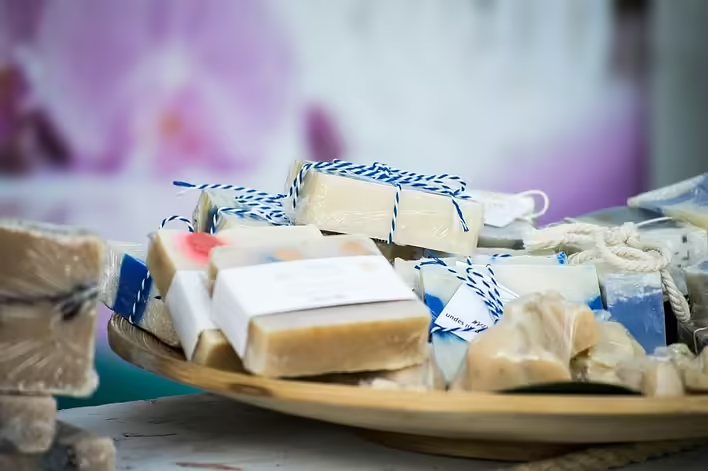
Today, DIY encompasses a vast array of fields. It’s not just about making jewelry, furniture, or clothing, but also programming, cosmetics production, event organization, and even cooking. Much of the popularization of DIY has been made possible by the development of the internet.
Platforms like YouTube, Pinterest, and TikTok have turned DIY into a trend. With just a few clicks, you can find tutorials on any topic: how to make a clay vase, sew an eco-bag, or build your own computer.
Another aspect of DIY is community. People from all over the world come together to share experiences, discuss ideas, and inspire each other. Craft festivals, local fairs, and even online hackathons are all part of the DIY culture.
Why You Should Try DIY?
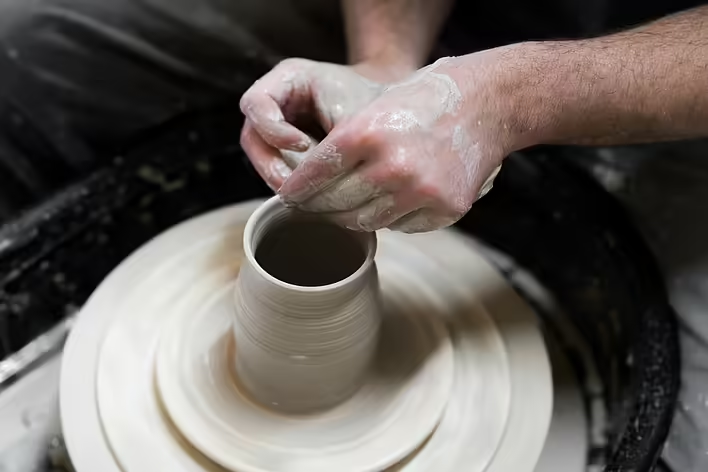
If you haven't tried creating something by hand yet, here are a few reasons to start:
- It develops skills. Even if you have no experience, you will learn something new.
- It relieves stress. The process of creation is calming and helps to distract.
- It boosts confidence. You will take pride in having made something with your own hands.
- It’s unique. Your work will reflect your style and personality.
DIY reminds us of the value of handmade work and creativity. And who knows, perhaps your next DIY project will be the beginning of something bigger – a new idea, hobby, or even a business. So, give it a try and see for yourself!
Like it?React
🧵
This post doesn't have any additions from the author yet.