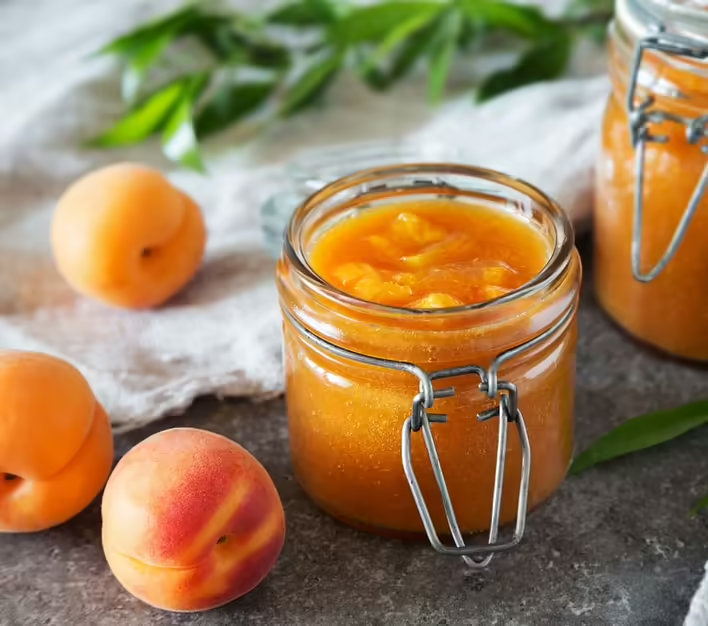
Jam is a fruit product made by boiling fruits or berries with sugar until a thick, jelly-like consistency is achieved. It often contains whole pieces of fruit or berries that remain visible in the final product. It is similar to preserves or jelly, but has certain differences that have allowed this product to have its own name.
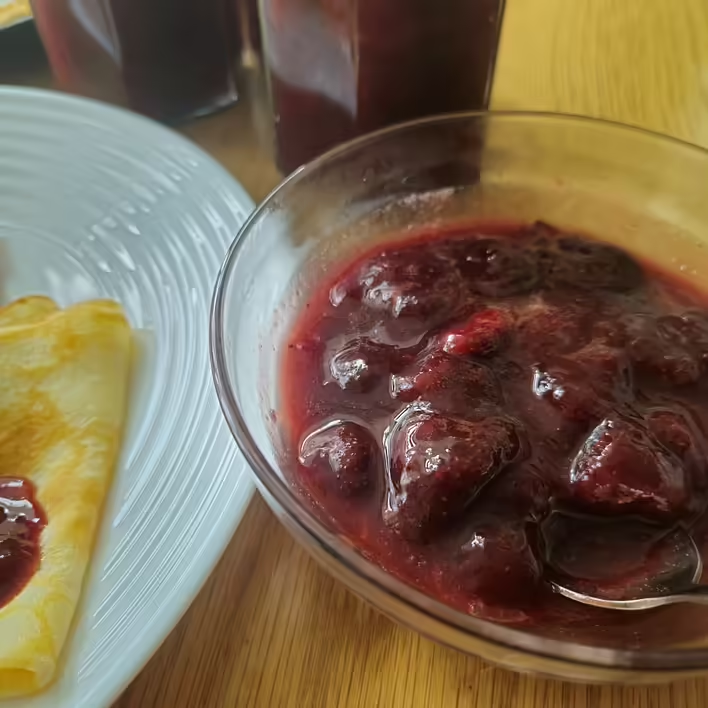
In structure, jam is thick and jelly-like. As mentioned above, it contains whole berries (if they are small in size in their raw form) or visible pieces of fruit. A thickener, such as pectin or starch, is also added to achieve the desired jelly-like consistency.
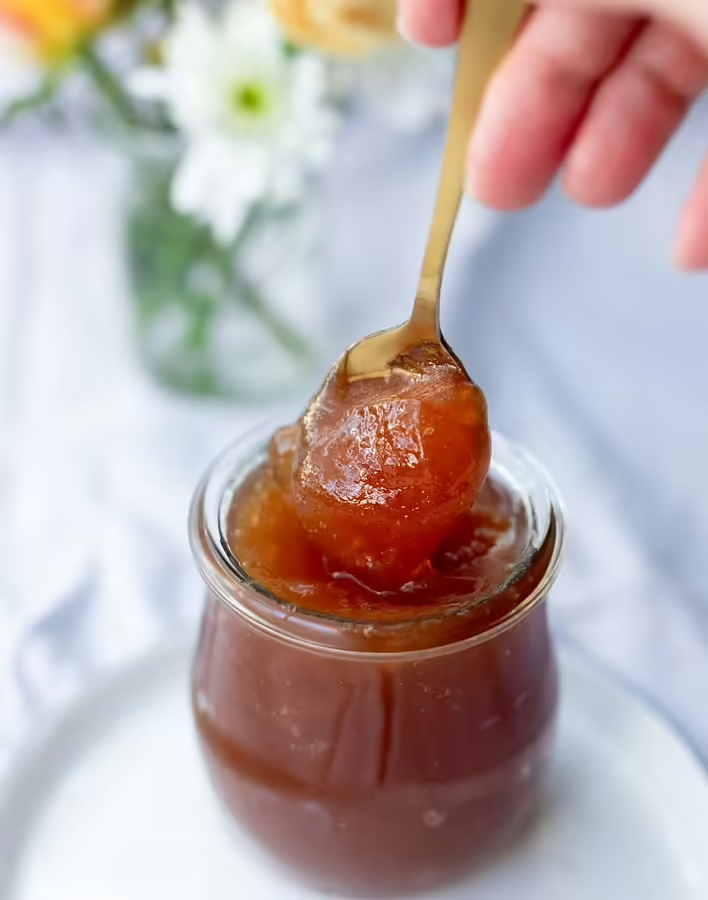
Jelly is also a thick product, but its consistency is not as jelly-like as that of jam. The berries or fruits from which it is made are usually boiled down to a paste. Often, at the end of the cooking process, the mass is passed through a sieve to achieve a maximum homogeneous consistency, generally without pieces of fruit or berries. A thickener can also be added during boiling.
джем
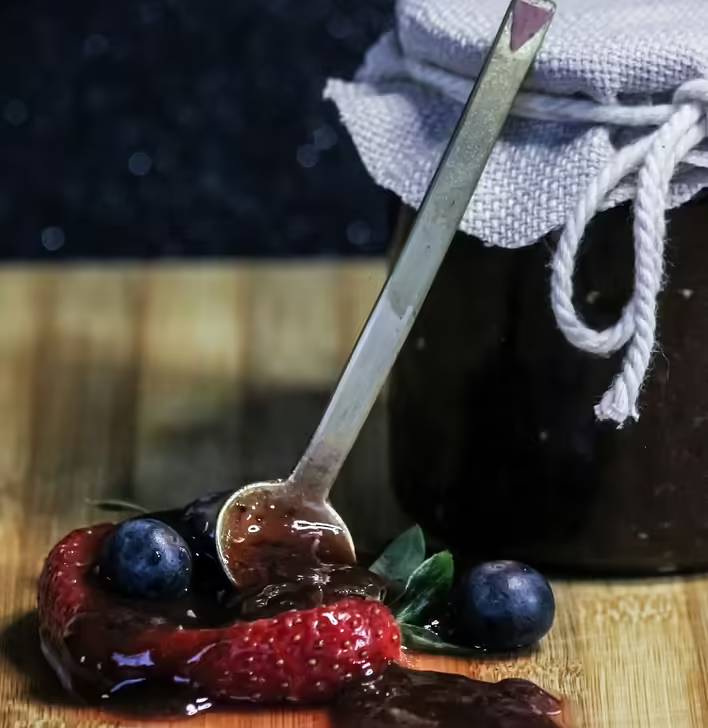
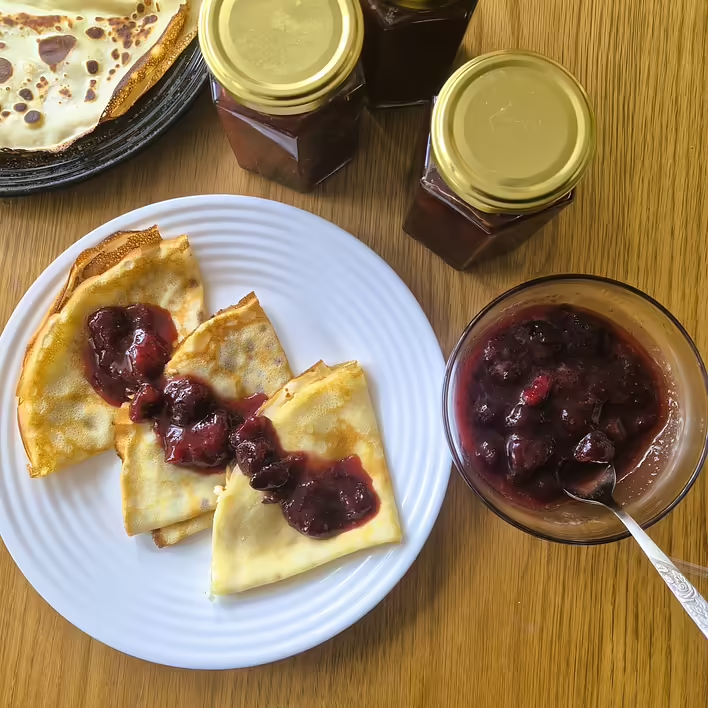
In preserves, the consistency is the thinnest compared to jelly and jam. Fruits and berries can remain whole. Thickeners are not added; the ingredients are boiled only with the addition of sugar and a small amount of water at the initial stages to achieve the desired consistency.
варення
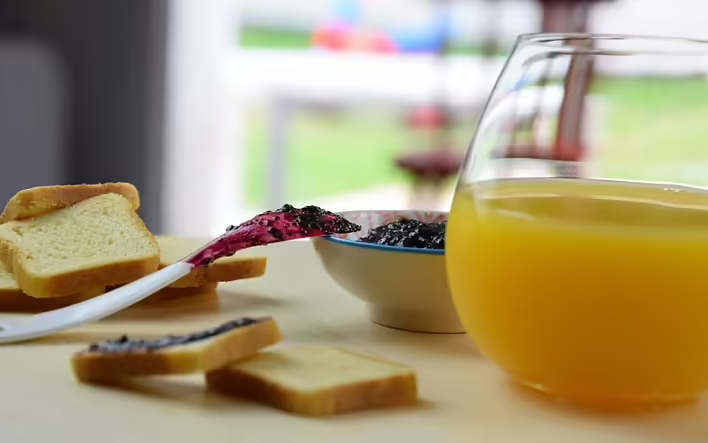
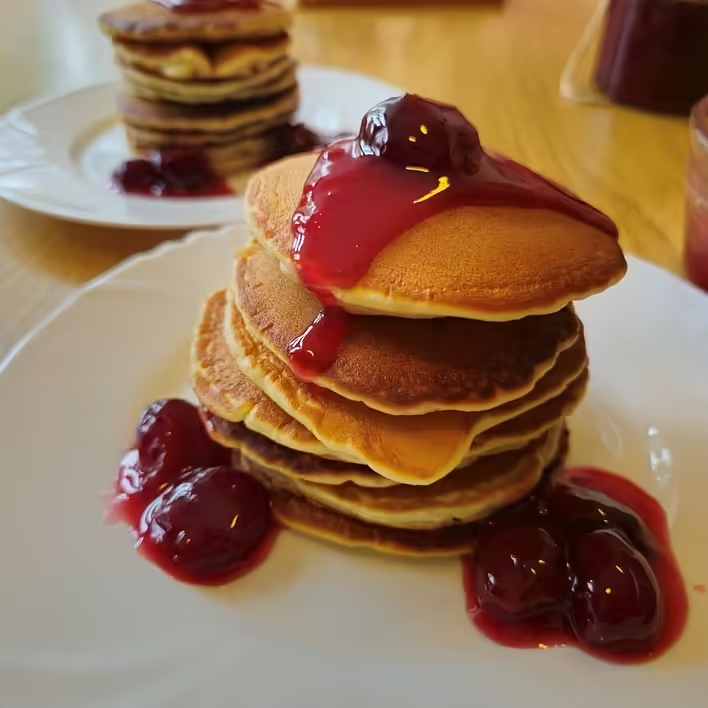
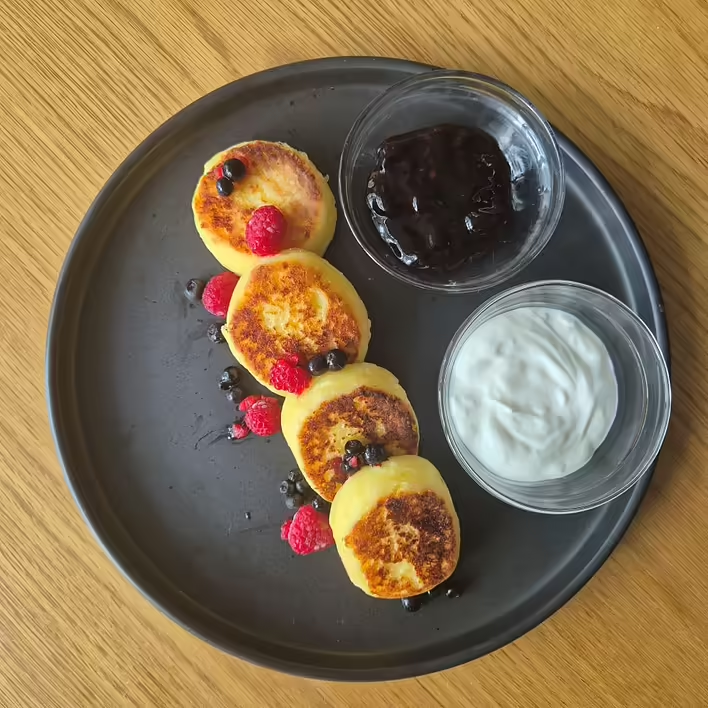
Thus, it can be concluded that the main differences between jam, jelly, and preserves lie in their consistency and the degree of cooking of the fruits. Jam has a thick, jelly-like texture with visible pieces of fruit, jelly is less jelly-like, and preserves contain large pieces of fruit or berries in a more liquid mass. Both jam and jelly, as well as preserves, can be used to prepare many desserts, as well as a sweet sauce, or as a standalone treat.
конфітюр як намазка на тости