This content has been automatically translated from Ukrainian.
A year ago, my "studio" consisted of a stool and a window. Then the power outages began, and the window light stopped being a reliable plan — so I sat down to calculate how much a normal home system with flash lighting would cost. Spoiler: less than I feared, and significantly cheaper than the "professional" imagination from press releases. Below is an honest budget, six sections of practice, and three conclusions I made while assembling this setup in my own room.
Budget: what was included in my starter kit
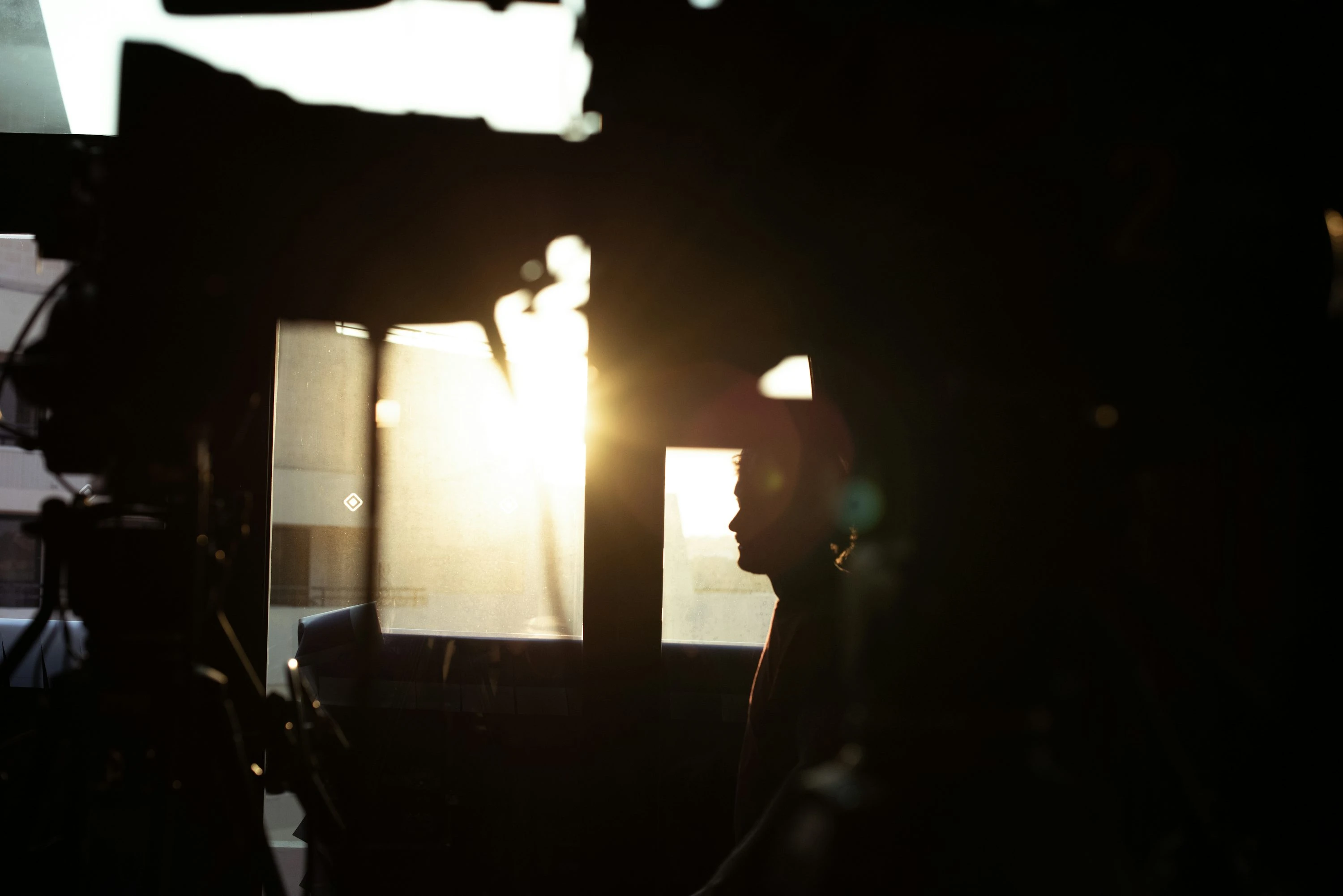
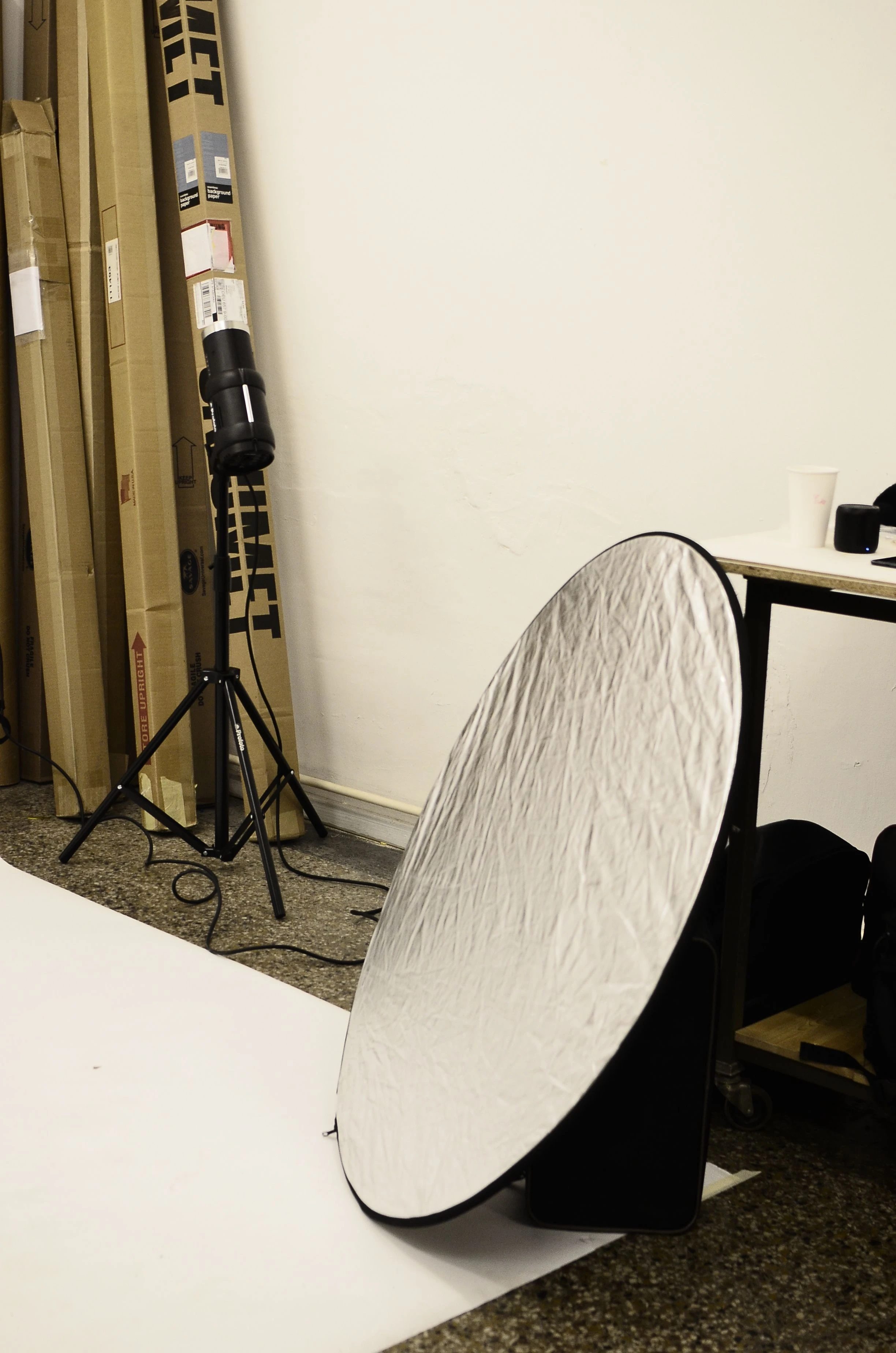
The base — a network monoblock with 300 J level Godox MS300-V: this costs about 4,500 UAH. To it, a stand 800 UAH, a synchronizer 2,000 UAH, a silver 5-in-1 reflector 600 UAH, and a paper background 1,000 UAH. In total, about 9,000 UAH: cheaper than a flagship smartphone, and the impact on the shot is greater. If you want a more economical start, there are models from 3,400 UAH for 200 J; this is enough for close-up portraits and still life.
Power: why you shouldn't chase joules
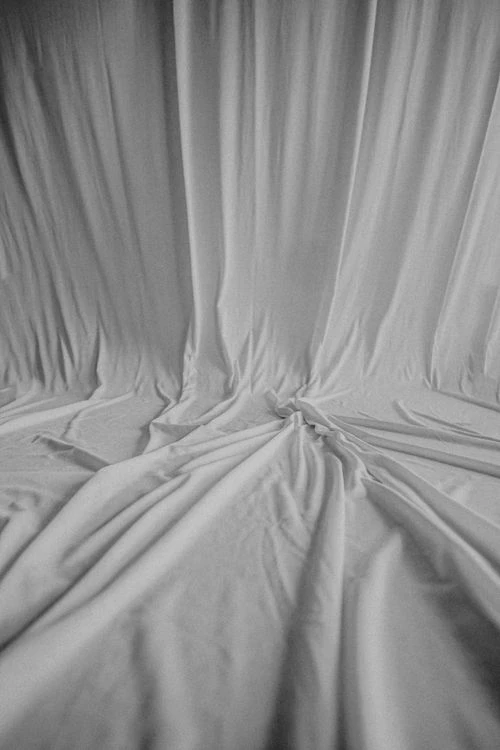
The main mistake of a beginner is to buy "for growth" 1200 J. For an apartment and full-length portraits, 200–300 J is sufficient: in a small room, extra power is simply unnecessary, you will still be shooting at a quarter power. 400–600 J is needed for group portraits and still life with large softboxes; over 800 J is for studios and fashion. A separate line in the budget that is often forgotten is the background: white fabric or paper costs pennies, but changes the look of the shot dramatically.
Freezing motion: what continuous light can't do
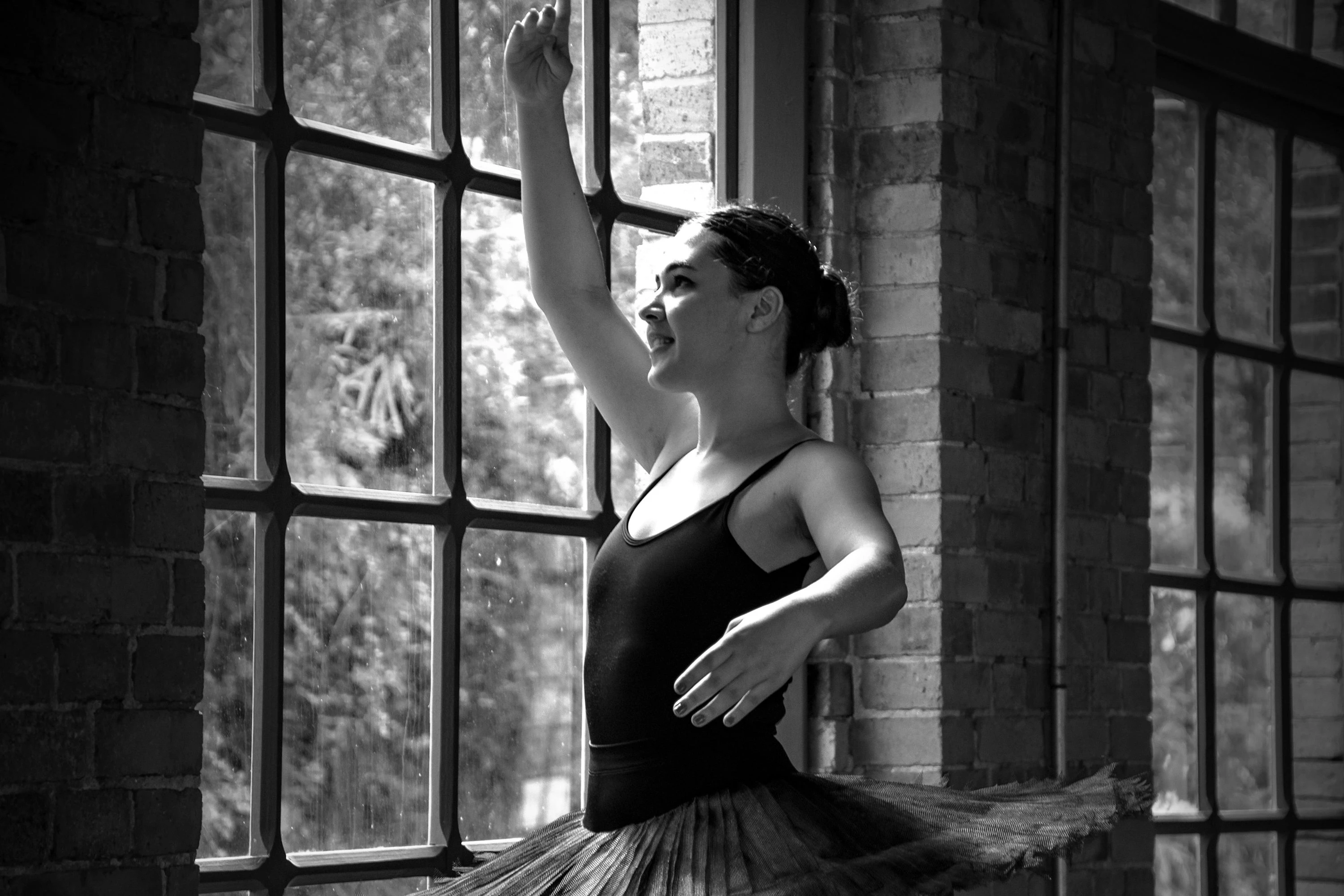
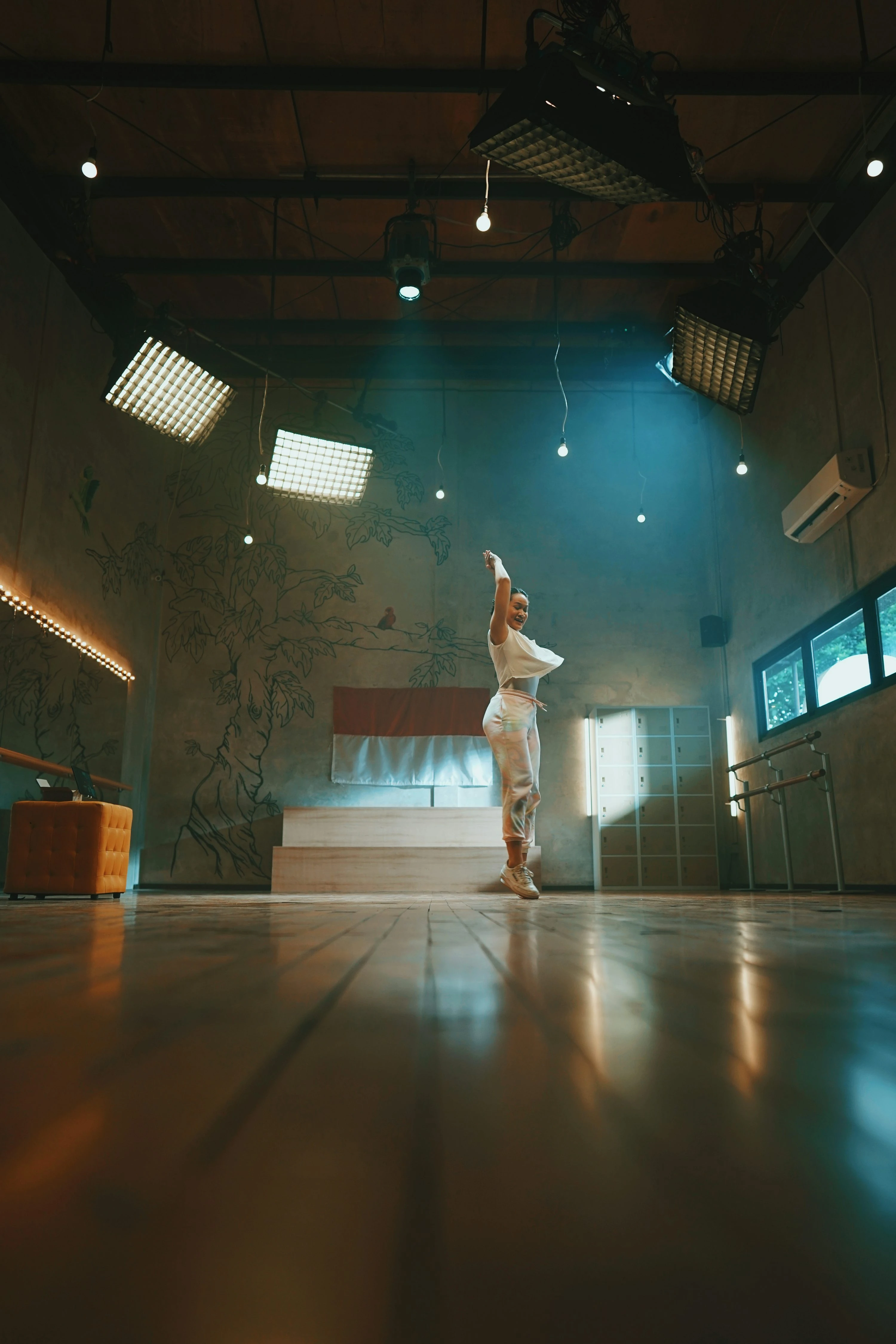
A flash lasts for a fraction of a second — in high-speed series up to 1/29600 s. A cat's jump, splashes of water from a tap, hair flowing in motion — all of this will be sharp, even if the model is not standing still. I tested it on the simplest: a ballerina's spin or a jump in the frame — the skirt "freezes" in an open position, with no blur at all. That’s why flash lighting has not yet been replaced by LED panels: there is simply no alternative for dynamic photography.
Continuous or flash: why I didn't choose LED
The honest answer: for video, LED is more convenient — the result is visible immediately. But for photography, flash wins on three points: power per watt, the ability to "freeze" motion, and color stability from frame to frame. And the fear of "not seeing how the shadow will fall" is covered by pilot light: modern LED pilots are powerful, do not heat up, and show the shadow pattern even before pressing the button. So the main argument against flash is habit, not physics.
Bowens mount: why this is more important than brand
The Bowens mount means that hundreds of softboxes, umbrellas, and portrait dishes from the market will fit your monoblock — once purchased, modifiers will outlast the flash itself. This is the same "ecosystem" that camera manufacturers love to write about, only in the world of light. The second thing I appreciated immediately is compatibility with synchronizers: my trigger works with any Godox in the room, so a second flash in the future won't require a new trigger system.
Power outages don't cancel the shoot
My "Plan B" — battery-powered monoblocks of the AD series: they work without a socket and support TTL automation. For outdoor shoots and courtyards, this completely solves the issue. And I simply turn on the network flash in the apartment between outages: flash technology is not afraid of short power sessions, unlike video lights, which need a stable hour of operation. A dark room outside no longer means a pause — it means a clean playground for light.
What I wouldn't buy right away
A second flash — until you understand why you need it in your setup. Deep parabolic modifiers for tens of thousands — tools for specific commercial tasks, not for learning. Generator systems and monoblocks over 800 J — studio level, they have no place in an apartment. And most importantly: don't buy "everything at once" on marketplaces without checking mount compatibility — saving at the start often turns into double expenses later.
Three conclusions instead of an epilogue
Light is more important than the camera. It affects the shot more than the body, so invest in a monoblock and modifiers, not a new body.
Don't chase joules. Choose a starter studio flash of 200–300 J with a Bowens mount — this will be enough for a year of growth, and the modifiers will remain for the future.
Count the system, not individual items. The stand, synchronizer, and reflector are just as much parts of the result as the flash itself.
Like it?React
🧵
This post doesn't have any additions from the author yet.