This content has been automatically translated from Ukrainian.
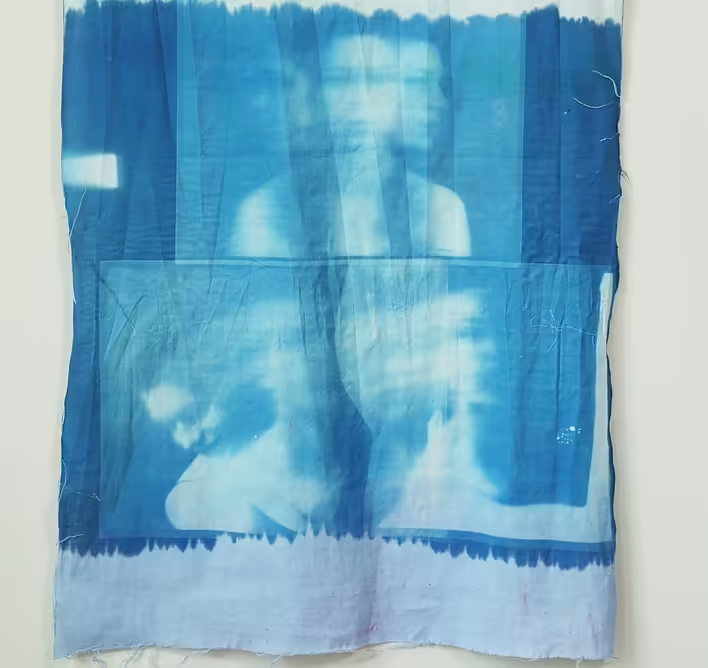
Photography has always been more than just capturing moments – it is an experiment, a creative search, and the magic of light. In the world of digital images, ancient printing methods appear as something mystical, mysterious, and at the same time incredibly beautiful. One of these methods is cyanotype, which creates deep blue prints reminiscent of dreams or watercolor paintings. But this is just one of many historical ways to obtain images through chemical reactions.
Cyanotype – the blue magic of light
Cyanotype is one of the oldest photographic printing methods, invented in 1842 by the English scientist John Herschel. Initially, it was used for copying technical drawings (hence the term "blueprint"), but later artists discovered its unique aesthetics.
How does cyanotype work?
This process is based on the sensitivity of iron salts to light. The main ingredients are:
- Ammonium iron citrate
- Potassium ferricyanide (red blood salt)
When these two substances are mixed and applied to paper or fabric, the material becomes light-sensitive. After exposure to sunlight or under a UV lamp, the image develops in deep blue color (Prussian blue).
What do you need for cyanotype?
- Prepare the chemical solutions and mix them.
- Apply the mixture to watercolor paper or fabric.
- Dry in a dark place.
- Lay out the negative or objects (e.g., leaves, lace) and expose to light.
- Wash with water – and the magic begins!
What is interesting about this technique?
- Unique blue tone
- Ability to create "photograms" without a camera
- Withstands the test of time (old cyanotypes retain color for centuries)
Like it?React
🧵
This post doesn't have any additions from the author yet.