This content has been automatically translated from Ukrainian.
Romanization — is the process of translating text written in a non-Latin alphabet into Latin script. It is used to ensure understanding for those unfamiliar with the original writing and can be applied to many languages, including Japanese, Chinese, Russian, Arabic, and others.
Romanization is useful in international communications, learning foreign languages, creating cartographic materials, etc. Different languages may have several systems of romanization, depending on the purpose and context of its use.
What is Latinization and how does it differ from Romanization?
The terms "romanization" and "latinization" are often used interchangeably, but they can have slightly different meanings depending on the context:
Romanization — is the process of translating text from another writing script into the Latin alphabet. It does not necessarily involve changes in the language itself, only in the way it is recorded. Such romanization is often applied for the transliteration or transcription of names, geographical names, and other text for those who use the Latin alphabet.
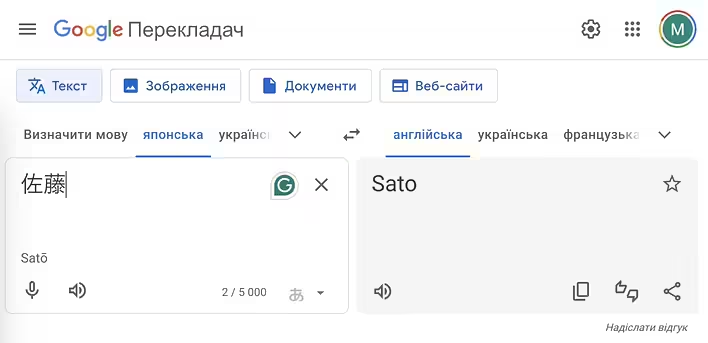
Example of Romanization:
Japanese language:Japanese name written in characters: 佐藤Romanization: Sato
Latinization — is the process of replacing the traditional writing of a national language with the Latin alphabet. It may include structural changes in the language, adaptation of new spelling rules, and other profound changes in the writing system. For example, the Turkish language transitioned from using Arabic script to the Latin alphabet in the 1920s under the leadership of Mustafa Kemal Atatürk, which was part of broader reforms in language and education.
Example of Latinization
Turkish language:Before the reform: قضاء (court)After Latinization: adalet
These examples demonstrate that romanization primarily concerns transcription for reading, while latinization involves more profound changes in the writing system of the language.
Like it?React
🧵
This post doesn't have any additions from the author yet.