Intranet is a private network used within a single organization. Intranets typically use the same technologies as the internet, but access is restricted to members of the organization. An intranet can include websites, email, forums, collaboration tools, and database management systems.
Technically, an intranet can also be your home local network if it has tools that allow you to do something (information sharing, meter readings, home accounting, etc.). So, an intranet does not necessarily have to be a large corporate network.
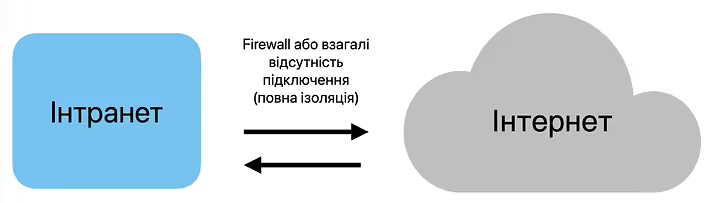
An intranet is fully or partially isolated from the internet to avoid intrusion by outsiders. Just like in the case of a household local network and a large corporation - everyone wants to keep their data secure within the intranet.
Інтранет (спрощенно)
Example: basic characteristics of a home/local intranet
Restricted access - the network is usually accessible only to family members or guests with special access.
Specialized services - specialized software for managing certain aspects of home life, such as energy management systems, media servers for sharing content, security systems, lawn irrigation control, and others.
Privacy and security - the level of security may not be as high as in large corporate intranets, home networks often include basic security elements to protect personal data and information.
Why do companies need an intranet?
One of the main goals of an intranet is to ensure information security by isolating the network from potential external threats that may arise from internet connectivity. This applies to both large corporations and households. Intranets are often physically isolated from the internet or through the use of specialized networking devices, such as firewalls and network gateways, which create a barrier between the internal network and the outside world.
Additionally, to ensure that only authorized individuals have access to network resources, intranets use various authentication and authorization methods, including passwords, biometrics, and electronic keys. This helps prevent unauthorized access to sensitive information.
An important aspect is data encryption, which is used to protect information transmitted or stored within the intranet, to prevent its disclosure in the event of a potential breach. Also, intranet security systems typically include tools for monitoring network traffic and user actions, allowing for the detection and prevention of any suspicious activity or attacks, thereby ensuring a high level of security within the organization.
A simple example from the IT world - document management
Some companies may freely use internet services for document storage (Google Drive, Google Docs, etc.).And some companies cannot afford this, for example, due to government requirements and specific laws. Thus, depending on the type of activity and the type of information, an intranet may be a mandatory requirement.
The difference between INTRANET and INTERNET
The two terms can cause confusion, but they play very different roles. Internet is a global network that connects millions of private, public, academic, business, and government networks from around the world. It is open to everyone and serves as an unlimited resource for information, communication, and entertainment.
Intranet, on the other hand, is a private network typically used within a single organization. It is based on internet technologies, but access is restricted to members of the organization or pre-authorized individuals. An intranet is used to streamline internal communication, coordinate work, and provide employees access to corporate resources, tools, and applications. It is an effective way to keep information secure and maintain access control.
What is EXTRANET?
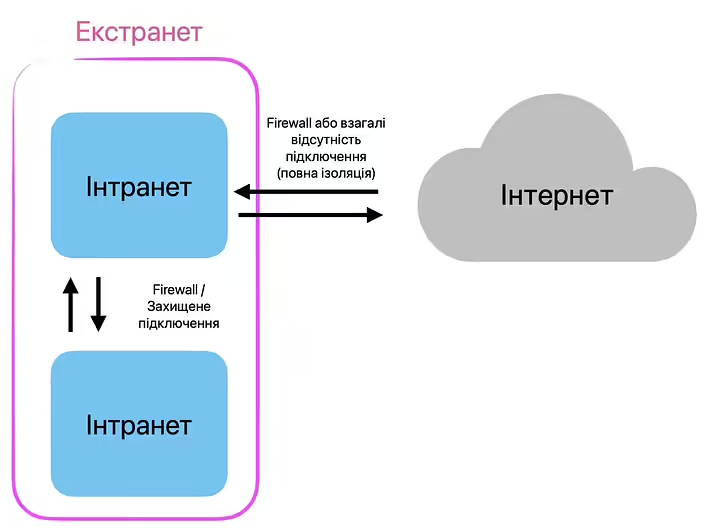
Extranet is an extension of an intranet that provides limited access to certain resources to selected external users, such as business partners, suppliers, and customers. Extranets are typically used for specific purposes, such as project collaboration, resource sharing, and exchanging documentation and information that are not intended for public access via the internet. These networks provide greater security and control over who can view or interact with the internal resources of the organization.
Екстранет (спрощенно)
Intranet in military infrastructure
A good example of the necessity of an intranet (an isolated network from the internet) is military infrastructure. In military infrastructure, the intranet plays a critical role in ensuring secure and efficient information exchange between different branches of the armed forces.
In military intranets, which are critical for various operations, information security plays a key role. These networks use advanced encryption methods and stringent authentication systems to ensure the confidentiality of military data, which often has strategic significance. Such a high level of protection against information threats is necessary, as every piece of data can impact the outcomes of combat operations.
The military intranet is also a hub for coordination and command, where senior leadership can quickly send orders and receive situational reports from the field. This type of communication (isolated network) supports a high level of operational readiness and allows for an adequate response to any changes in the combat situation. An example of the need for a high level of security is the exchange of intelligence data between different units and analytical centers. This process involves the transmission of images, videos, and other types of intelligence data. Managing logistics through the intranet is equally important. Military logistics units use the intranet to manage inventory, track resource movements, and coordinate the provision of necessary support.
For greater security, it makes sense to maintain separate intranets for different tasks to reduce the risks of hacking and information leaks.
Intranet, Extranet, and Internet in simple terms
All these terms describe networks that use the same technologies.
Internet - a public network that anyone can connect to.
Intranet - a closed network that can be accessed by a limited group of people.
Extranet - an extended intranet that allows communication outside the intranet (for example, with another intranet).