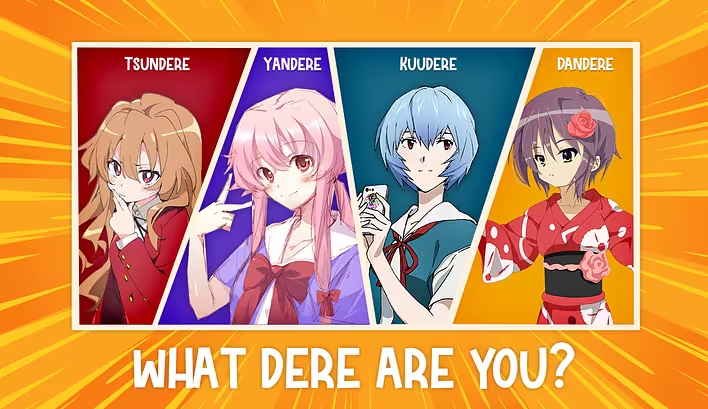
Don't want to read the whole article? Then here’s a short cheat sheet. The table below summarizes the main differences between the four most famous -dere archetypes in anime. It will help you quickly understand how tsundere differ from yandere, kudere, and dandere.
And if the topic interests you, be sure to read on. Below we will explain in detail how these archetypes originated, what their names actually mean, why they are often misunderstood, and how they have influenced the development of modern anime.
Archetype
Main Trait
What They Hide
Tsundere
Sharp and stubborn
Warm feelings and vulnerability
Yandere
Obsessed with love
Psychological instability
Kudere
Cold and reserved
Emotions that are well-controlled
Dandere
Shy and quiet
Desire to communicate and fear of rejection
What are character archetypes
In literature, theater, and cinema, archetypes are often referred to as generalized images of characters that are easily recognizable by their characteristic traits. Almost every culture has its own such images: the noble hero, the wise mentor, the cunning trickster, or the tragic villain.
Japanese pop culture has developed this idea in its own way. Instead of describing a character's role in the story, it often focuses on their manner of communication, behavior, and way of expressing emotions, especially in relationships with people who are important to them.
That’s why there are so many names ending in -dere in anime and manga. They do not define the hero's profession, social status, or place in the plot. Instead, they describe the peculiarities of their character and how they express their feelings.
For authors, this is a very convenient tool. After just a few scenes, the viewer begins to intuitively understand the character of the new character, and the screenwriter can play with the audience's expectations — confirming them or deliberately breaking them.
That’s why archetypes should not be perceived as rigid rules. They only set a starting point for the character's development but never define them completely.
Why do almost all these words end with “-dere”
If you look closely, it’s easy to notice that most well-known archetypes have the same ending: tsun-dere, yan-dere, kuu-dere, dan-dere. This is no coincidence.
The basis of all these words is the Japanese onomatopoeic expression deredere (デレデレ). It describes a person who behaves tenderly, lovingly, or literally “melts” next to someone they like. That’s why the second part of the word is almost always associated with an open display of warm feelings.
It is the first part of the word that defines what the character is like before opening up to others.
For example, tsun comes from the onomatopoeia tsuntsun, which describes sharp, prickly, or distant behavior. Yan is related to the word yanderu — “to be sick” or “to be in a sick mental state.” Dan comes from danmari — “silence,” while kuu is a shortening of the English cool, which has long become part of the Japanese language and means cold-blooded, unflappable behavior.
This structure makes these names so understandable. The first part describes the character's outward behavior, while the second hints that true feelings are hidden behind it.
It’s no surprise that fans later began creating new combinations. Today, there are dozens of varieties of -dere, although only a few have become truly iconic in anime and manga.
How these terms became popular
Contrary to popular belief, archetypes like tsundere or yandere did not always exist. In classic anime of the 1970s and 1980s, similar characters already appeared, but the names themselves were not yet used.
Modern terms began to spread actively in the late 1990s — early 2000s. They were not invented by a single author but gradually formed within the Japanese fan community. They were primarily used on forums dedicated to the genres of visual novels and dating sims, where players sought short and understandable words to describe the personalities of female characters.
Over time, these names began to be used by creators of manga, anime, and video games. Within a few years, the concept of tsundere became so popular that it could be seen in promotional materials, themed magazines, and even in official character descriptions. Later, other archetypes — yandere, kudere, dandere, and dozens of less well-known varieties — gained worldwide popularity.
Today, these words are understood even by many people who only watch the most popular anime. They have long ceased to be a narrow fan slang and have become an integral part of international anime culture.
Tsundere: the most famous archetype in anime history
If you ask even someone who has just recently started watching anime to name at least one Japanese character archetype, they will most likely mention tsundere. Over the last two decades, this term has become so popular that it is used far beyond the anime community. It describes characters in manga, video games, light novels, and sometimes even characters in Western films and series.
However, popularity has also spawned many simplifications. Today, tsundere are often referred to as any rude or fiery character. In reality, this is far from the case.
What does the word “tsundere” mean
The term tsundere consists of two parts.
The first — tsuntsun (ツンツン) — describes a person who behaves sharply, coldly, distantly, or even prickly. Such a person is reluctant to show their feelings, easily irritated, and often creates the impression of being unapproachable.
The second — deredere (デレデレ) — means tenderness, infatuation, and genuine affection for another person.
The combination of these two words creates the image of a tsundere — a character who outwardly seems cold or even rude but gradually reveals their warm, caring side.
This contrast is what has made the archetype so popular.
Why do viewers like tsundere
Unlike many other archetypes, tsundere almost always undergo noticeable development.
At the beginning of the story, such a character may argue with the main character, deny their own feelings, react sharply to any displays of affection, or even behave aggressively. However, as the plot develops, the viewer gradually sees another side of their character — vulnerability, shyness, care, and the ability for deep affection.
This change creates a sense of character development. The viewer feels rewarded for having observed their gradual unveiling.
Because of this, tsundere often become some of the most beloved characters in the series.
Tsundere are not necessarily aggressive
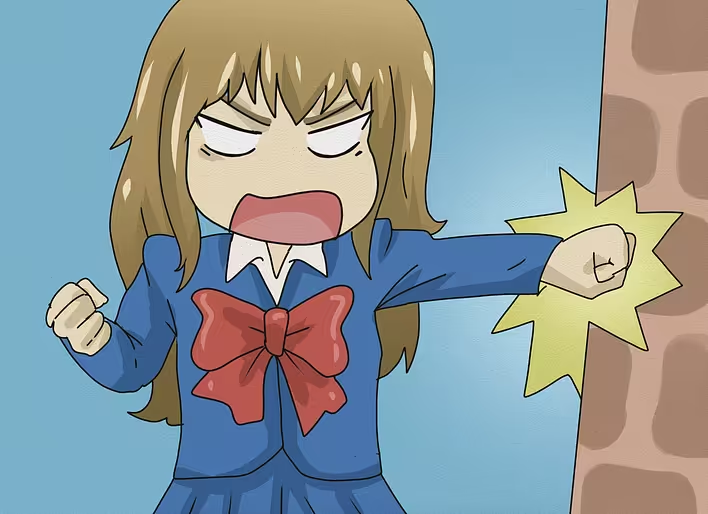
One of the most common myths is the belief that tsundere must necessarily hit the main character or constantly yell at them.
In reality, this is just one way of presentation, which was particularly common in romantic comedies of the 2000s.
The essence of the archetype lies not in aggressiveness, but in the internal conflict between feelings and the unwillingness to openly demonstrate them. One character may hide affection behind biting jokes, another — behind feigned indifference, a third — through constant arguments. All of them can belong to the same archetype, even though they behave quite differently.
That’s why modern authors are increasingly moving away from exaggerated aggression, leaving the main trait of tsundere — difficulty in expressing their own emotions.
The most famous tsundere in anime
Over the years of the genre's existence, dozens of well-known characters of this type have appeared, but a few of them have actually become symbols of the archetype.
Тайґа Айсака
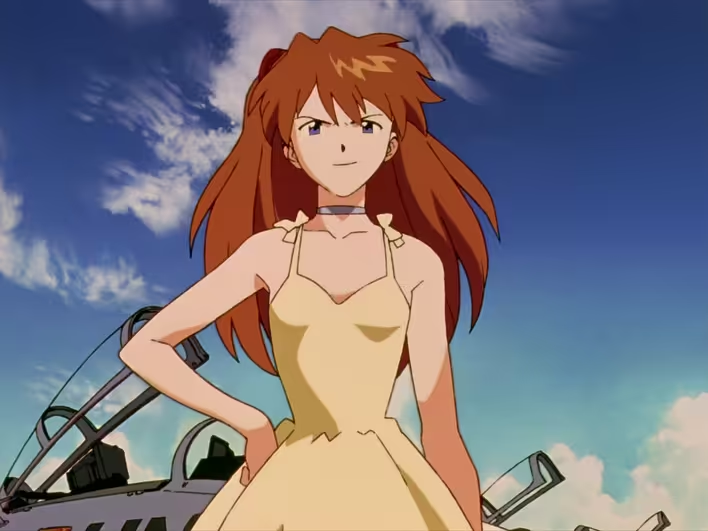
Аска Ленґлі Сор’ю
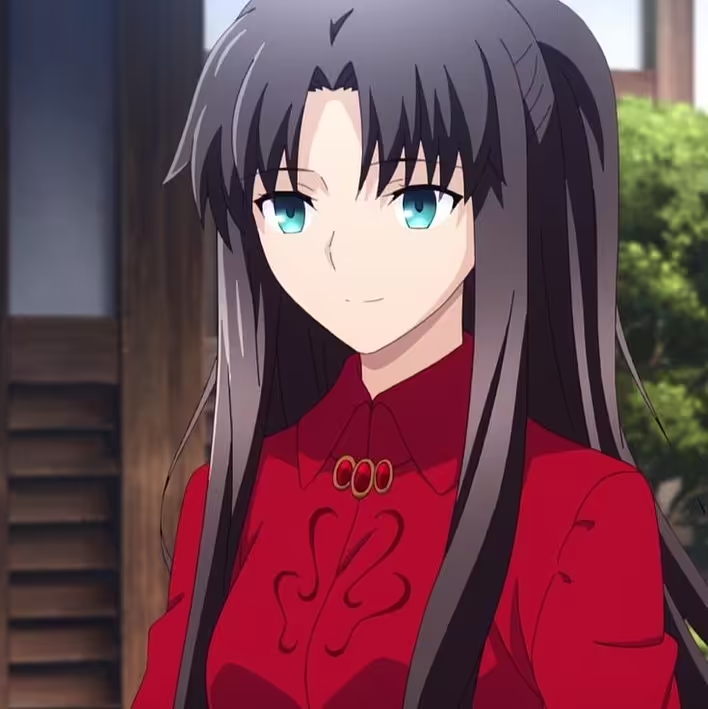
Рін Тосака
One of the most famous tsundere is Taiga Aisaka from Toradora!. At the beginning of the story, she seems sharp, fiery, and even rude, but gradually reveals her vulnerability and genuine care for her loved ones.
No less important for the development of the archetype was Asuka Langley Soryu from Neon Genesis Evangelion. Although the term “tsundere” was not yet so widespread, many modern traits of this archetype are associated with her image.
Classic examples also include Rin Tohsaka from Fate/stay night and Louise-Françoise Le Blanc de La Vallière from Zero no Tsukaima. Such heroines largely shaped the perception of tsundere in anime of the 2000s.
At the same time, modern authors are increasingly reinterpreting this archetype. New characters do not necessarily behave as sharply as their predecessors, and their character usually appears more natural and psychologically convincing.
Why the archetype has changed
In the early 2000s, tsundere experienced a real peak in popularity. In many romantic comedies, there was almost always a heroine who constantly argued with the main character and hid her feelings behind rudeness.
Over time, audience tastes began to change. Overly stereotypical images became predictable, so screenwriters began to create more complex characters that combined traits from several archetypes or even went beyond established patterns.
That’s why today it is harder to find a true tsundere than it was fifteen years ago. The archetype has not disappeared but has become much more diverse and realistic.
Yandere: when love turns into obsession
While tsundere gradually learn to open up their feelings, yandere demonstrate the opposite extreme. Their love is so strong that it gradually ceases to be healthy. That’s why this archetype is considered one of the most famous and at the same time one of the scariest in Japanese popular culture.
Despite this, most people misunderstand who yandere are. Often, this word is used to describe any violent character or a hero who behaves aggressively out of jealousy. In reality, aggression is only a possible consequence, not the main trait of the archetype.
What does the word “yandere” mean
The word yandere comes from the Japanese verb yanderu (病んでる), which means “to be sick” or “to be in an unhealthy state.” In the context of this archetype, it primarily refers to mental instability or obsessive obsession.
The second part of the word is the already familiar deredere, meaning genuine infatuation and tenderness.
Together, they form the image of a character whose strong feelings gradually cross the line of healthy affection and become a destructive obsession.
That’s why yandere often remain gentle, caring, and even charming until something threatens their relationship.
Why yandere are not always villains
One of the biggest mistakes is to think that yandere must necessarily be serial killers.
In reality, the archetype is much broader.
Some yandere only excessively control their loved one, constantly become jealous, or seek to isolate them completely from others. Others are willing to lie, manipulate, or blackmail to maintain their relationships. Only in the most radical cases does such obsession lead to physical violence.
In other words, the main feature of yandere is not cruelty, but the inability to draw a line between love and possessing another person.
This psychological ambiguity is what has made the archetype so popular among screenwriters.
Why this archetype is so frightening
Yandere rarely appear dangerous at first meeting.
On the contrary, they often seem very kind, polite, caring, and even shy. That’s why the sudden change in their behavior makes such a strong impression.
The viewer sees how ordinary affection gradually turns into pathological dependence. The more the character fears losing their loved one, the more radical their actions become.
This contrast between outward tenderness and inner instability is the basis of most yandere stories.
The most famous yandere in anime
Юно Ґасай
Котоноха Кацура
Сато Мацудзака
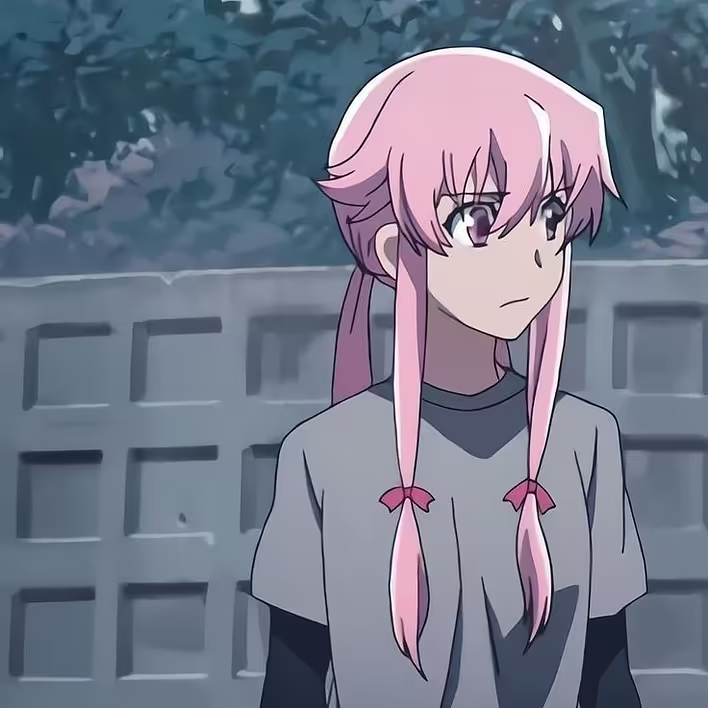
One of the most famous representatives of the archetype is Yuno Gasai from Future Diary. She is endlessly devoted to the main character and is willing to commit almost any crime for his safety and love. It was after the success of this anime that the image of yandere became particularly popular far beyond Japan.
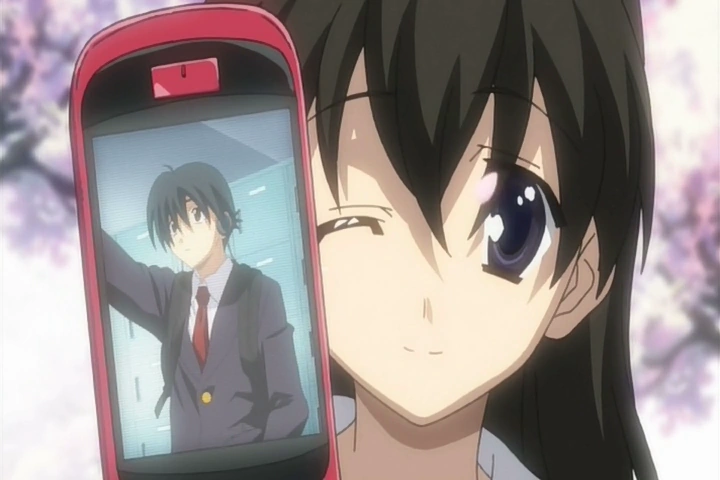
Another classic example is Kotonoha Katsura from School Days. Her story demonstrates how emotional trauma and unhealthy relationships can gradually destroy a character's psyche. At the same time, among anime fans, there are sometimes debates about whether to consider Kotonoha a classic yandere, as her behavior is largely influenced by the dramatic events of the plot, rather than just her character traits.
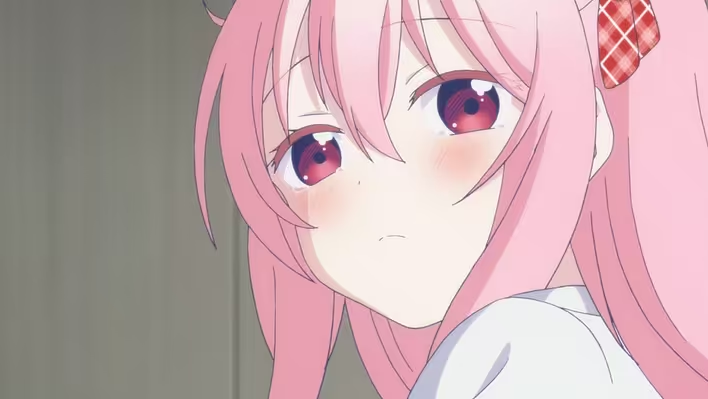
Other well-known yandere often include Sato Matsuzaka from Happy Sugar Life and Shion Sonozaki from Higurashi: When They Cry. Although their characters differ significantly, they all share one trait — love that gradually turns into obsession and defines their actions.
Why the archetype became so popular
Unlike tsundere, which are mostly found in romantic comedies, yandere work particularly well in psychological thrillers, detective stories, and horror.
This type of character creates constant tension. The viewer never knows when an ordinary conversation will suddenly turn into a dangerous conflict. Because of this, yandere have become one of the most effective tools for building psychological suspense.
At the same time, modern authors increasingly show not only the consequences of such obsession but also its causes. As a result, many yandere have ceased to be one-dimensional “crazy lovers” and have transformed into complex, tragic characters who evoke both fear and sympathy.
Do yandere exist in real life?
Despite obvious psychological parallels, yandere are not a scientific term and are not used in psychology or psychiatry. They are a fictional archetype that deliberately exaggerates certain traits of human behavior to make the character more dramatic.
In real life, obsessive jealousy, pathological dependence on a partner, or the desire to completely control another person can manifest as entirely different psychological problems. That’s why it’s important not to apply this term to real people or use it as a characterization or diagnosis.
Kudere: cold mind or hidden feelings?
After emotional tsundere and unpredictable yandere, the archetype kudere may seem almost a complete opposite. Such characters rarely raise their voices, show almost no emotions, and remain calm even in the most difficult situations. Because of this, they often seem indifferent or even soulless.
However, the first impression is almost always misleading. In reality, kudere are not devoid of emotions — they just excel at controlling them.
What does the word “kudere” mean
The name comes from the English word cool, which in Japanese is pronounced as kūru (クール). It means cold-bloodedness, restraint, and composure.
The second part of the word is the familiar deredere, meaning warm feelings, affection, and infatuation.
Thus, a kudere is a character who remains cold and calm on the outside but gradually reveals their emotional side only to those they truly trust.
Unlike tsundere, they do not hide their feelings out of stubbornness or shyness. Their restraint is part of their character.
Why kudere seem emotionless
The human brain is accustomed to assessing emotions by facial expressions, intonation, and gestures. If a person hardly changes their facial expression and speaks in a calm voice, we automatically perceive them as cold.
This effect is what the archetype is built upon.
Kudere can experience fear, sadness, sympathy, or love just as deeply as other characters. They just rarely demonstrate it openly. Instead of loud words, they often express their feelings through actions: helping in difficult moments, staying close in danger, or silently supporting a loved one.
Because of this, such heroes often seem mysterious. The viewer has to pay closer attention to their behavior to understand their true emotions.
How kudere differ from dandere
This is where the most confusion arises.
At first glance, both kudere and dandere may seem silent, taciturn, and withdrawn. But the reason for their behavior is entirely different.
Kudere are silent because they are reserved. They control their emotions well, do not like to dramatize, and almost always remain calm.
Dandere are silent because they are shy. They would like to communicate more, but insecurity or fear of doing something wrong prevents them from opening up.
In other words, kudere are silent due to inner confidence, while dandere are silent due to insecurity.
That’s why when a kudere begins to trust another person, their behavior usually changes very little. They simply become a bit warmer.
In contrast, dandere can literally transform into a completely different person — open, emotional, and very sociable — once they overcome their shyness.
The most famous kudere in anime
Рей Аянамі
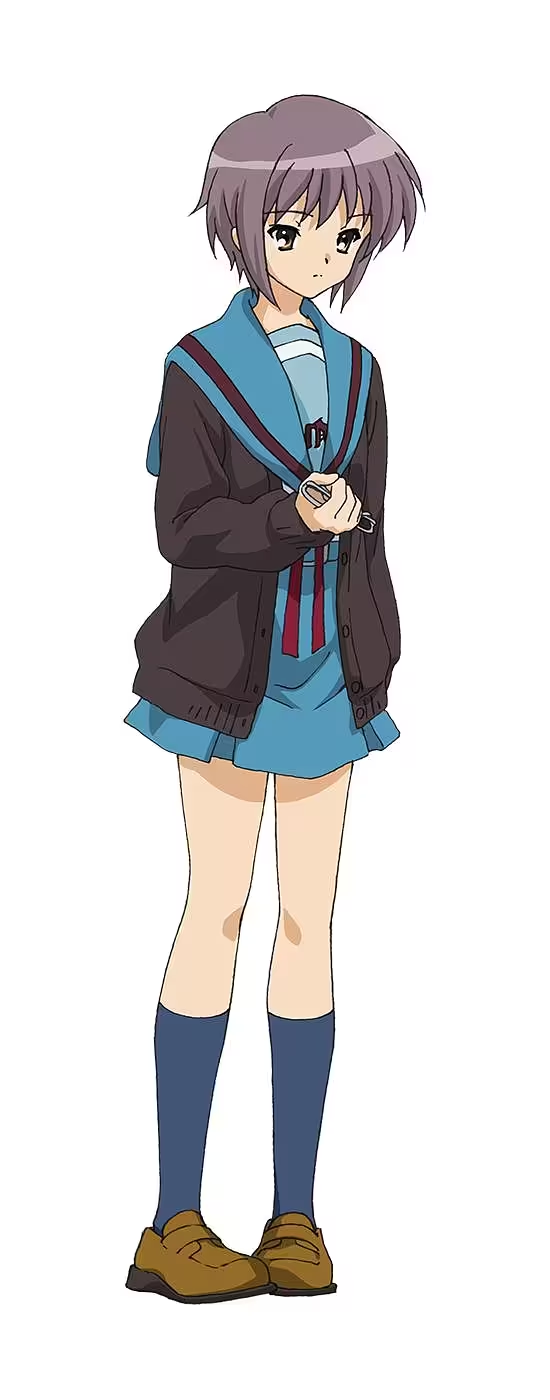
Юкі Наґато
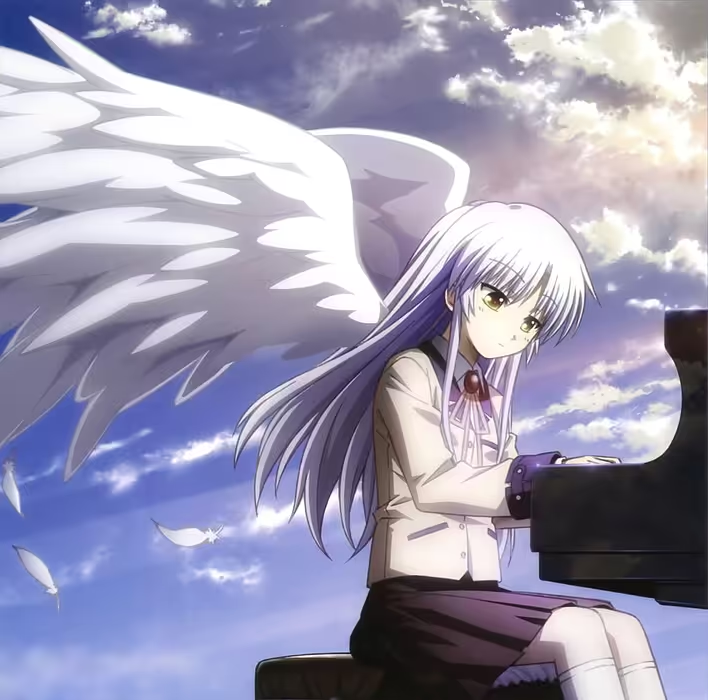
Канаде Тачібану
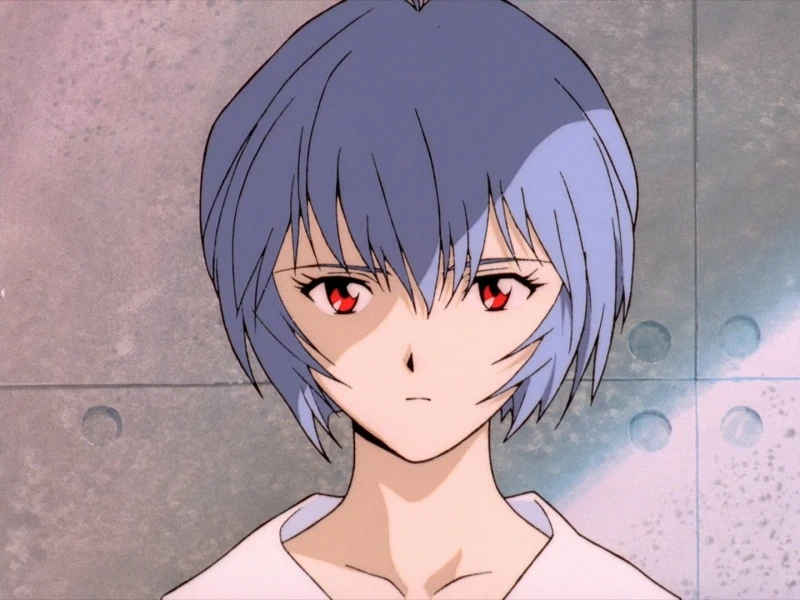
For many anime fans, Rei Ayanami from Neon Genesis Evangelion has become one of the symbols of kudere. Her calmness, taciturnity, and outward composure have made the character one of the most influential images in anime history. Although at the beginning of the story Rei seems almost emotionless, the viewer gradually uncovers her much more complex inner world.
Another classic example is Yuki Nagato from The Melancholy of Haruhi Suzumiya. Despite her almost complete restraint, she gradually demonstrates care for her friends, although she does so very subtly.
Characters often classified as kudere also include Kanade Tachibana from Angel Beats! and Homura Akemi from Puella Magi Madoka Magica. Although their characters differ noticeably, they all share one trait — they are not devoid of emotions; they have simply learned to control them carefully and rarely demonstrate them openly.
Why this archetype is so popular
Kudere create a sense of mystery around themselves. Since they hardly explain their feelings in words, the viewer begins to pay closer attention to the smallest details of their behavior.
A barely noticeable smile, a brief pause in conversation, or an unexpected gesture of care from such a character can say much more than a long emotional speech.
That’s why moments when kudere first openly express their feelings often become some of the most emotional scenes in all of anime.
Why kudere should not be confused with emotionless characters
Not every silent or serious hero is a kudere. Some characters truly feel almost no emotions due to the plot, background, or psychological state. Others may simply be introverts or professionals who are used to not showing their feelings.
The kudere archetype exists only when genuine feelings are hidden behind outward coldness, which gradually open up throughout the story. This contrast between restraint and inner warmth is its main feature.
Dandere: quiet characters often misunderstood
At first glance, dandere may seem almost the same as kudere. They are also taciturn, calm, and do not like to be the center of attention. That’s why many viewers confuse these two archetypes.
In reality, there is a fundamental difference between them. If kudere are silent because they control their emotions well, dandere are silent for an entirely different reason — they simply find it hard to take the first step toward other people.
That’s why dandere often become some of the warmest and kindest characters once they begin to trust those around them.
What does the word “dandere” mean
The name dandere comes from the Japanese word danmari (黙り), which means “silence” or “taciturnity.” Like in other archetypes, it is combined with the already familiar deredere, which symbolizes openness, tenderness, and affection.
Thus, a dandere is a character who, due to shyness or insecurity, hardly communicates with others but gradually reveals their kind and caring side.
It’s important to understand that dandere are not silent because they dislike people. On the contrary, they often want to make friends or get to know others better, but their inner insecurity prevents them from taking the first step.
Why dandere evoke sympathy
Many people have felt shyness, anxiety before meeting someone, or fear of saying something inappropriate at least once in their lives. That’s why dandere seem so relatable and understandable.
Unlike most other archetypes, their internal conflict is familiar to many people in real life. They do not hide their feelings intentionally and do not seek to appear cold. Their problem is simply that they fear being misunderstood or rejected.
Because of this, viewers often begin to empathize with such characters from the very first episodes.
How dandere change throughout the story
One of the main features of this archetype is a very noticeable character development.
At the beginning of the story, dandere may respond with only a few words, avoid eye contact with the interlocutor, or remain silent in unfamiliar company.
However, gradually, as they find friends or a person they begin to trust, their behavior changes. They smile more often, are more willing to engage in conversation, joke, and even begin to take the initiative themselves.
This journey from shy silence to open communication is the main feature of the archetype.
The most famous dandere in anime
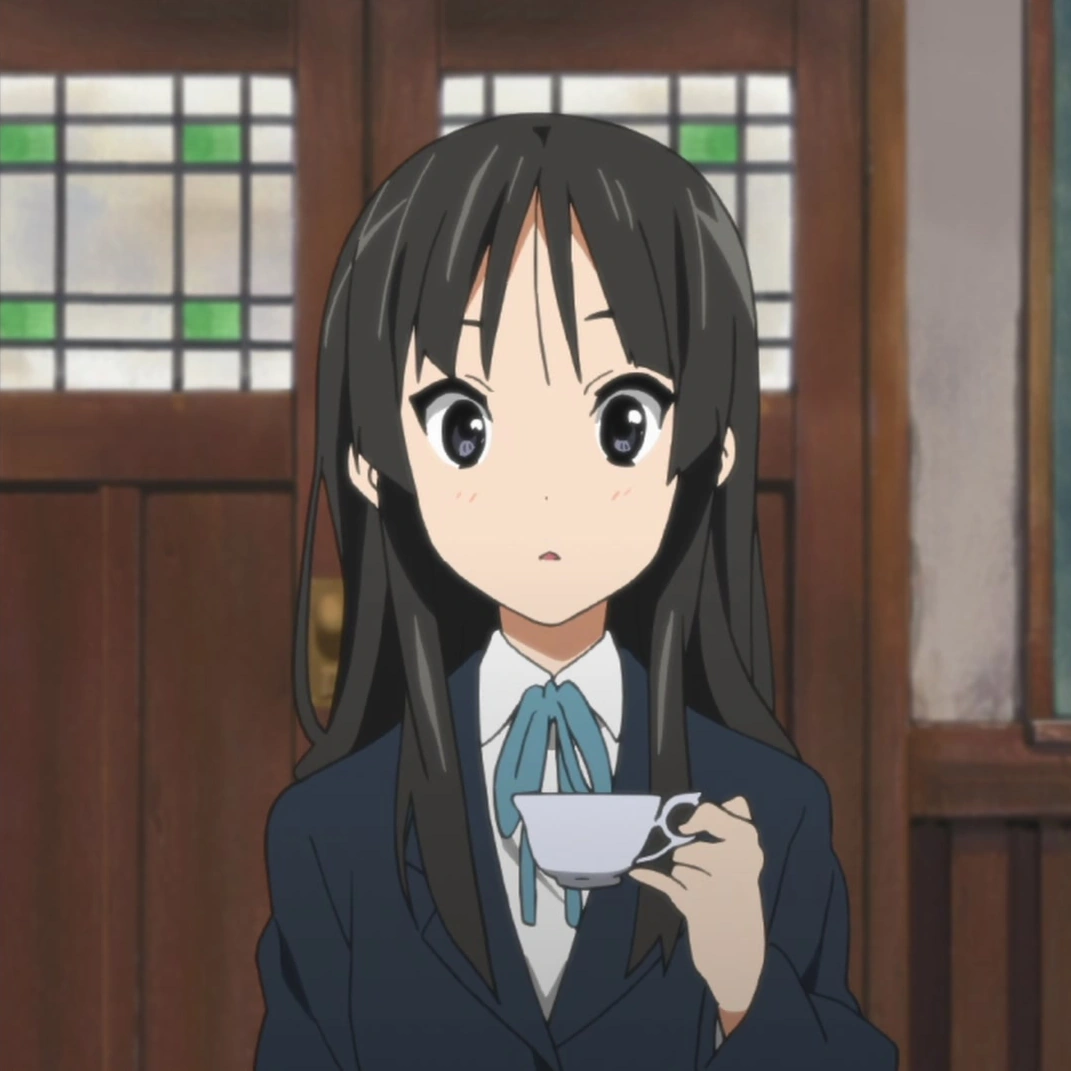
Міо Акіяма
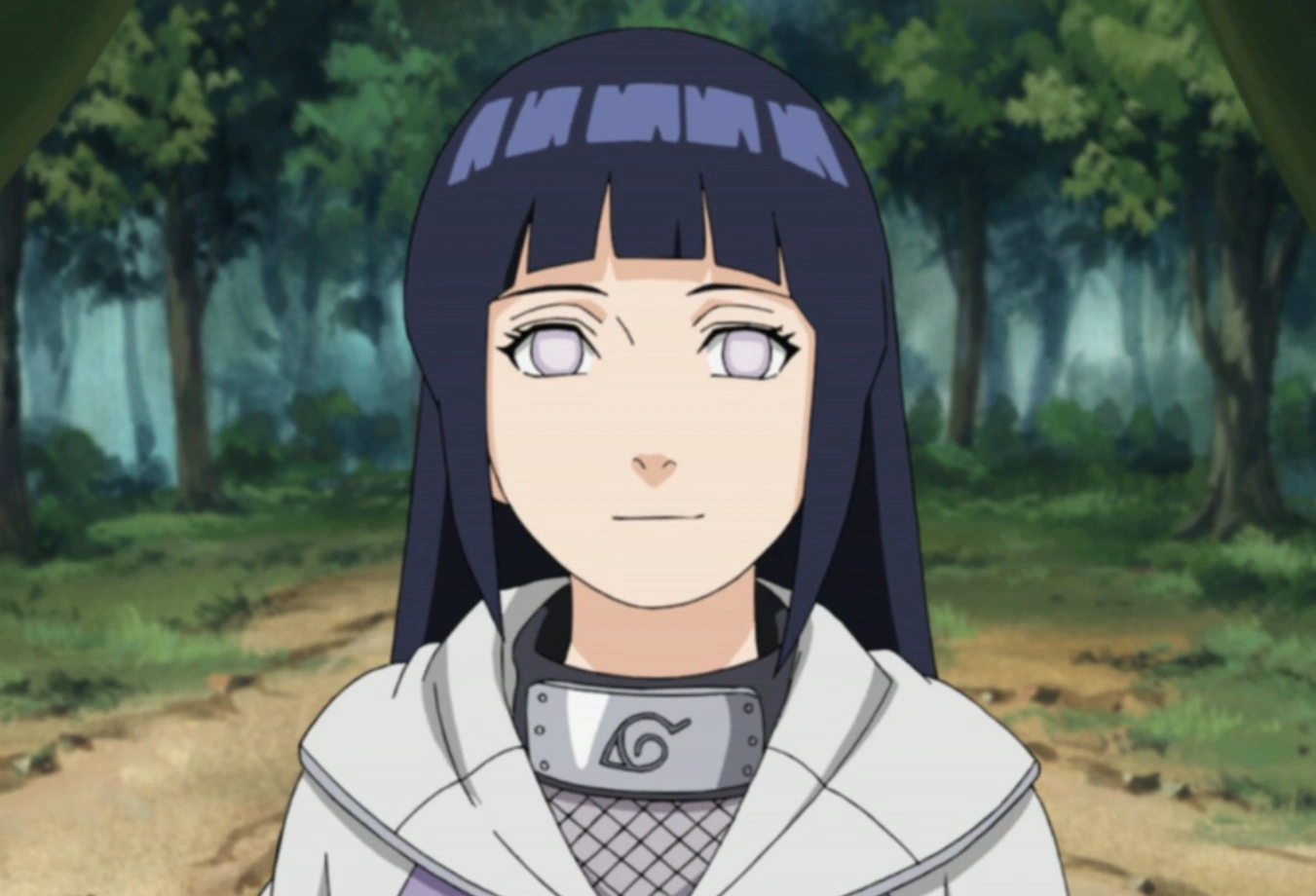
Хінату Хюґу
Савако Куронума
Among dandere, one of the most famous characters is Mio Akiyama from K-On!. Despite her musical talent, she is terribly shy about performing in front of a large audience and constantly feels awkward when she is in the spotlight. This insecurity, rather than a lack of desire to communicate, best illustrates the features of the archetype.
Dandere often also include Hinata Hyuga from Naruto. Her shyness, especially around Naruto Uzumaki, has become one of the character's most well-known traits and gradually changes as the plot develops.
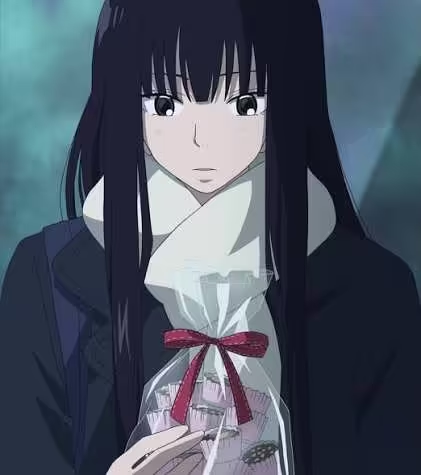
Another classic example is Sawako Kuronuma from Kimi ni Todoke. Despite her friendliness, she is so insecure that for a long time she cannot find common ground with her classmates. Her story very accurately shows that dandere are not silent due to coldness or indifference, but due to fear of being misunderstood.
This archetype also often includes Nagisa Furukawa from Clannad, although her character combines traits from several different types of characters. That’s why among anime fans, there are sometimes different opinions regarding her classification.
Why dandere are not always silent
Another common misconception is that dandere supposedly hardly talk.
In reality, they can be quite sociable — but only around people they trust. That’s why the viewer often sees two completely different sides of one character.
In a large company, dandere can be extremely quiet and shy. In contrast, with close friends, they become lively, smiling, and even talkative.
This naturalness distinguishes them from many other archetypes.
Why modern authors love this archetype
Modern anime increasingly shows the inner world of characters. In this format, dandere have become particularly relevant, as their development is built not on loud conflicts but on gradual growth in self-confidence.
Because of this, the stories of such heroes often appear very sincere. The viewer observes not sharp changes in character but small yet significant steps that gradually help the character open up to the world.
That’s why dandere remain one of the most beloved archetypes in romantic stories and slice-of-life anime.
The four most famous archetypes: a brief comparison
After getting acquainted with the four most popular types of characters, it’s easy to see the difference between them.
Archetype
Main Trait
What They Hide
Tsundere
Sharp and stubborn
Warm feelings and vulnerability
Yandere
Obsessed with love
Psychological instability
Kudere
Cold and reserved
Emotions that are well-controlled
Dandere
Shy and quiet
Desire to communicate and fear of rejection
These four archetypes have become the basis for dozens of other varieties that appeared in Japanese pop culture later.
Not just tsundere: what other dere-archetypes exist
Although tsundere, yandere, kudere, and dandere have become the most well-known archetypes, Japanese pop culture did not stop there. As anime, manga, and video games developed, fans and authors themselves began to invent new variations that described even subtler character traits.
Some of these names gained wide popularity, while others remained almost exclusively within the fan community. However, all of them show how creatively Japanese culture approaches character creation.
Himedere (ヒメデレ)
The name comes from the word hime — “princess.”
Himedere behave as if the whole world should revolve around them. They expect admiration, special treatment, and the fulfillment of their wishes. Such characters often seem arrogant, capricious, or even haughty.
However, behind this behavior often lies ordinary insecurity or a desire to be loved and valued. That’s why himedere are not always negative characters.
Kamidere (カミデレ)
If himedere consider themselves princesses, then kamidere go even further.
The name comes from the Japanese word kami — “god.”
Such characters are so confident in their own exceptionalism that they literally look down on others. They are convinced that they know better how things should be done and often behave as absolute authorities.
In the hands of a good screenwriter, kamidere can become either charismatic leaders or dangerous antagonists.
Deredere (デレデレ)
Unlike most other archetypes, deredere hardly hide their feelings.
They are open, friendly, sincere, and easily show affection to others. While tsundere hide their emotions for a long time, deredere, on the contrary, gladly display their affection.
Such characters often become the “emotional center” of the group, supporting friends and creating a warm atmosphere around them.
Mayadere (マヤデレ)
One of the most interesting modern archetypes.
Mayadere is a character who initially acts as an enemy to the main character or works on the opposite side but eventually switches to their side.
The reasons can vary: love, change of views, respect for the opponent, or realization of their own mistakes. That’s why mayadere often have one of the most interesting story arcs in the entire narrative.
Bakadere (バカデレ)
The Japanese word baka means “fool” or “silly.”
Bakadere are characters who can be very naive, clumsy, or not very clever. However, their simplicity is almost always combined with a good heart, sincerity, and optimism.
Such heroes often become the source of comedic situations but at the same time easily win the audience's sympathy.
Sadodere (サドデレ)
The name comes from the word sadistic.
Such characters love to tease, provoke, or put in awkward situations those they like. Importantly, this does not necessarily mean true cruelty. Most often, it refers to a specific sense of humor or an unusual way of showing affection.
Because of this, sadodere are often confused with tsundere, although the motives behind their behavior are entirely different.
Shundere (シュンデレ)
The name comes from the Japanese onomatopoeia shun, which describes a depressed or sad state.
Such characters easily fall into sadness after the slightest failures or criticism. They tend to doubt themselves, worry over trivial matters, and often need support from friends.
That’s why shundere often evoke in viewers a desire to support them and help them believe in their own strength.
Why new archetypes continue to emerge
The popularity of the -dere system can be explained very simply. It allows one word to describe a character's nature without resorting to long explanations.
However, modern authors are increasingly creating heroes who do not fully correspond to one archetype. It is much more interesting to combine several traits at once or even deliberately deceive the viewer's expectations.
That’s why today the -dere system is perceived not as a strict classification but as a kind of language that helps quickly describe the first impression of a character.
Why do Japanese people love character archetypes
After getting acquainted with dozens of different -dere, a reasonable question may arise: why has Japanese pop culture become so fascinated with such archetypes? After all, in Western cinema or literature, there is almost no such detailed system of names.
The answer lies not only in the peculiarities of anime or manga. It is much deeper and connected to how human behavior is traditionally perceived in Japan.
First impressions matter
Most anime series introduce the viewer to a large number of characters in a very short time. Sometimes, in the first episode, it is necessary to present a dozen heroes in such a way that each of them is memorable.
Archetypes solve this problem perfectly.
As soon as the viewer sees a shy girl who feels awkward during a conversation, they almost immediately understand: they are looking at a dandere. If a new heroine behaves coldly and sharply but occasionally accidentally shows care, one can assume she belongs to the tsundere.
Thus, the screenwriter does not need to explain the character's nature for long. A few scenes are enough for the viewer to start forming their own expectations.
An archetype is just the beginning of a story
At the same time, a good author almost never limits themselves to one archetype.
On the contrary, the most interesting characters start the story as a completely familiar type but gradually reveal traits that the viewer did not expect at all.
That’s why an archetype can be compared to the first page of a book. It introduces us to the hero but does not tell the whole story.
For example, a tsundere may turn out to be an extraordinarily caring person, a kudere — a very emotional character, and a yandere — a tragic hero whom one wants to sympathize with despite their actions.
It is development that makes them interesting.
Why archetypes do not prevent the creation of unique heroes
Sometimes one might hear the opinion that using archetypes makes characters formulaic. Partially, this is true if the author thoughtlessly repeats already familiar images.
However, in practice, everything works differently.
An archetype is just a starting point. It helps quickly introduce the viewer to the hero but does not determine their fate, character, or development.
This is similar to meeting a person in real life. The first impression is formed very quickly, but the longer we communicate, the more we learn about the true personality.
That’s why the best anime characters almost always go beyond one archetype.
When archetypes start breaking their own rules
Modern anime increasingly plays with audience expectations.
A hero may behave like a typical kudere only for the first few episodes, after which they turn out to be a very emotional person. Tsundere may hardly show their usual aggression, while yandere may not resort to violence at all.
Authors know very well that the viewer is familiar with classic archetypes, so they use them as a tool for unexpected plot twists.
Because of this, modern characters are significantly more complex than their predecessors from twenty years ago.
Why archetypes appeal to viewers themselves
There is another reason for their popularity.
People love to classify the world around them. We constantly try to find similarities between people, invent character typologies, compare characters with each other, and argue about which archetype a particular hero belongs to.
That’s why the -dere system has become a kind of common language for anime fans. Instead of a long description, it is enough to say just one word — “tsundere” or “kudere” — and the interlocutor will already roughly understand what type of character is being discussed.
However, the most interesting discussions usually arise when a hero does not fit into any archetype completely.
Why archetypes should not be taken literally
Despite the popularity of the terms tsundere, yandere, kudere, or dandere, it is important to remember: they are created to describe fictional characters, not real people.
In life, human character is much more complex. A person may be shy in a new group but very open among friends. They may hide their feelings not due to character traits but due to life circumstances, upbringing, or past experiences.
That’s why psychologists do not use the concepts of tsundere or yandere as scientific terms. They are artistic images that deliberately amplify certain character traits to make characters more vivid and memorable.
Perhaps that’s why archetypes have remained popular for over twenty years. They help quickly introduce the hero but never tell everything about them.
How archetypes have changed over the years
If you look at anime from the early 2000s and compare it with modern series, the difference will become noticeable almost immediately.
Previously, archetypes were often used very literally. Tsundere were almost always fiery and sharp, kudere were cold and taciturn, and yandere often became the main source of danger in the story.
Modern authors are increasingly moving away from such rigid schemes. They are more willing to combine several archetypes in one character, gradually change their behavior, or even deliberately mislead the viewer.
That’s why today it is much more interesting not to look for the perfect representative of a certain type but to observe how the screenwriter works with audience expectations.
Will dere-archetypes remain popular in the future?
Most likely — yes.
Even if certain names gradually lose popularity, the principle itself is unlikely to disappear. People will always strive to briefly describe familiar types of characters, and screenwriters will continue to use these images as a basis for new stories.
Moreover, modern pop culture has long gone beyond Japan. Today, elements of dere-archetypes can be seen not only in anime or manga but also in video games, webcomics, visual novels, and even in some Western animated series and artistic works whose authors were inspired by Japanese animation.
That’s why these terms remain relevant even for those who watch only a few popular series a year.
The archetypes of tsundere, yandere, kudere, and dandere have long become an integral part of Japanese pop culture. They help quickly introduce viewers to new heroes, create understandable expectations, and at the same time leave authors room for unexpected plot decisions.
At the same time, none of these archetypes is a strict template. The best characters always go beyond one type, combining different character traits and gradually revealing themselves throughout the story. That’s why the same archetypes remain interesting for many years, and their best representatives continue to become favorites of millions of viewers.
And although today there are dozens of varieties of -dere, their main purpose has not changed. They do not attempt to replace complex human character but rather provide screenwriters and viewers with a common language to talk about the characters we love.