This content has been automatically translated from Ukrainian.
Dandere (Japanese: ダンデレ, Dandere) is one of the most common archetypes of characters in anime, manga, light novels, and visual novels. This term refers to heroes who appear very quiet, shy, or withdrawn, especially when interacting with strangers. However, their silence does not imply indifference or coldness. On the contrary, next to people they trust, dandere often become sincere, caring, and open.
The name of the archetype comes from the Japanese word danmari (黙り), which means "silence" or "quietness," and the suffix -dere (デレデレ), which is used to denote various types of character traits in fan classification of characters.
That is why a dandere is not a person who does not love others or cannot express feelings. Most often, they simply do not dare to take the first step, feel shy about attracting attention, or feel insecure among strangers.
Because of this, the archetype has become one of the most popular in romantic anime. The viewer gradually observes how the silent character begins to trust others, opens up, and demonstrates a completely different side of their personality.
Origin of the Term
The term dandere emerged in the Japanese fan community after archetypes such as tsundere and yandere became widely popular. Over time, anime fans began to use the suffix -dere to denote different behavioral models of characters, leading to the emergence of a whole group of related archetypes.
Unlike many other dere-types, dandere are almost not associated with romantic experiences. Their main feature is not the way they express affection, but their manner of communication with people.
That is why dandere can be found not only in romantic comedies. Such characters often appear in adventure, drama, fantasy, and even sports anime. Their restraint helps authors show character development through the gradual overcoming of internal barriers.
Main Traits of Dandere
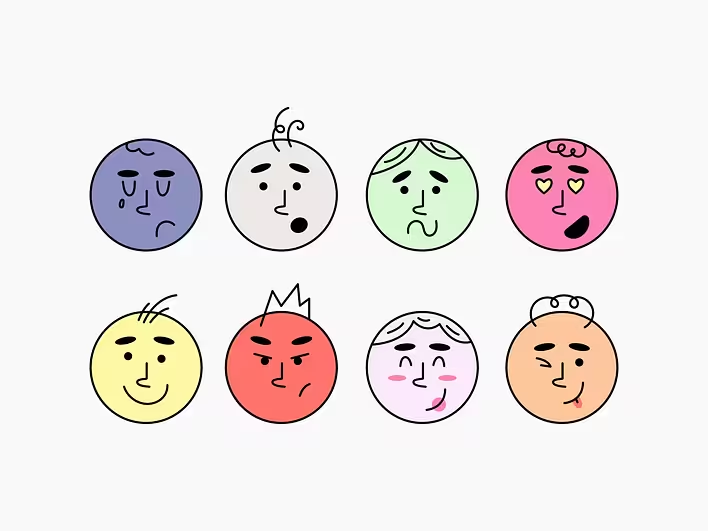
Not every quiet or taciturn character is a dandere. The main feature of this archetype is not a love for solitude, but difficulties in communicating with others. That is why dandere almost always change depending on who they are with.
Shyness
The most characteristic trait of dandere is shyness.
Such characters often feel awkward during conversations, fear saying something inappropriate, or simply do not know how to keep a conversation going. Because of this, they may respond very briefly, remain silent, or avoid attention.
It is important to note that their behavior is usually not a manifestation of superiority or indifference. On the contrary, they often worry about the impression they make on others.
Withdrawal Among Strangers
Many dandere hardly speak in large groups. They feel much more comfortable in a small circle of friends or alone with someone they trust.
That is why at the beginning of a story, such characters may seem cold or distant, although in reality, they simply do not feel confident enough.
Gradual Opening of Character
One of the most important features of the archetype is character development.
The longer the story lasts, the more dandere begins to trust people. They smile more often, engage in conversation, joke, and openly demonstrate their emotions.
This gradual change is what makes the archetype so popular among viewers.
Kindness
Despite their silence, most dandere are very kind and attentive to others.
They do not seek conflict, rarely act aggressively, and are often willing to help friends, even if they find it difficult to express their feelings in words.
Because of this, dandere often become the "emotional center" of the story — people whose sincerity is manifested not in loud words, but in actions.
How Does Dandere Differ from Other Archetypes?
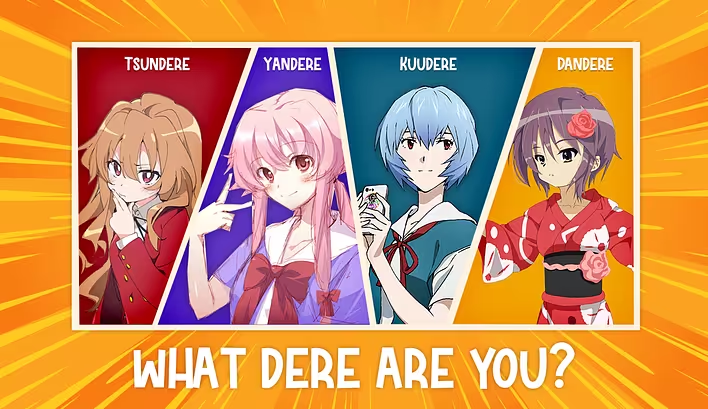
There are many silent and reserved characters in anime, so dandere are often confused with kuudere or even thought of as just a shy version of tsundere. In reality, each of these archetypes describes different reasons for such behavior.
Dandere and Kuudere
These two archetypes are often confused.
At first glance, both dandere and kuudere seem equally quiet. They are taciturn, do not like being the center of attention, and rarely display strong emotions. However, the reasons for this behavior are completely different.
Dandere is silent because they are shy, anxious, or do not feel confident around strangers. Their silence has an emotional basis. They would like to communicate more, but internal struggles prevent them from taking the first step.
Kuudere, on the other hand, usually has good control over their emotions. They are not afraid of people and do not feel awkward during conversations — they simply do not see the need to speak more than necessary. Such characters often seem cold-blooded, rational, and even indifferent, although they can also open up to close ones over time.
In other words, dandere is silent due to insecurity, while kuudere is silent due to restraint.
Dandere and Tsundere
Both archetypes can behave awkwardly around someone they like, but the reason for this is different.
Tsundere often hides their feelings behind sharpness, irritation, or feigned indifference. Their behavior is a kind of defense mechanism.
Dandere, however, does not try to hide their affection. They are simply so shy or anxious that they find it hard to find the words or keep a conversation going.
Because of this, dandere rarely act aggressively or engage in arguments, which are so characteristic of tsundere.
Dandere and Himedere
These archetypes are almost completely opposite.
Himedere seeks to be the center of attention, expects special treatment, and behaves as if they deserve admiration.
Dandere, on the contrary, usually tries not to attract attention. They will feel much more comfortable if they can stay away from a loud company or calmly talk to one close person.
Are Dandere Introverts?
One of the most common questions is whether dandere can be called introverts.
Not quite.
Introversion is a personality trait related to where a person derives their energy: from quiet solitude or active socializing. It does not imply shyness or difficulties in communication.
Dandere, on the other hand, primarily describes a character's behavioral model. Many such heroes do resemble introverts, but the reasons for their silence are often insecurity, shyness, or fear of making a mistake.
That is why not every introvert is a dandere, just as not every dandere necessarily fits the psychological concept of introversion.
Why is the Dandere Archetype So Popular?
The popularity of dandere is largely explained by the fact that such characters seem very human.
Unlike heroes with pronounced character traits, dandere rarely attract attention right away. They gradually reveal themselves throughout the story, and along with this, the viewer's attitude toward them changes.
Authors often use this archetype to show how trust, support, and friendship help a person overcome their own fears. That is why the development of dandere often becomes one of the most emotional storylines in romantic comedies and slice-of-life anime.
At the same time, not all dandere undergo radical changes. Some characters remain quiet until the very end of the story but learn to speak more openly about their feelings and trust those around them.Continuing the article. I have already edited this section to ensure that the examples are as accurate as possible and do not provoke unnecessary disputes among anime fans.
Most Famous Examples of Dandere in Anime
Like any other dere archetype, there is no official list of dandere characters. However, some heroes are almost unanimously considered classic representatives of this type by anime fans.
Hinata Hyuga — Naruto


Hinata is one of the most well-known examples of dandere.
She is very shy, especially around Naruto, often feels awkward, speaks in a quiet voice, and does not dare to openly express her feelings. As the plot develops, Hinata becomes much more confident, learns to stand up for her beliefs, and openly supports those who are important to her.
This gradual overcoming of internal insecurity makes her one of the best examples of this archetype.
Sawako Kuronuma — Kimi ni Todoke
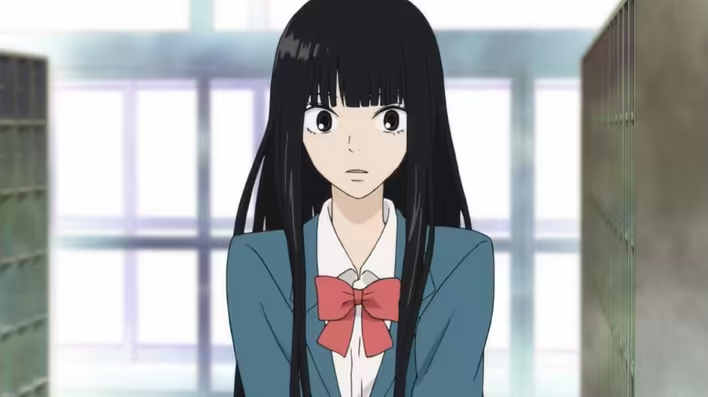
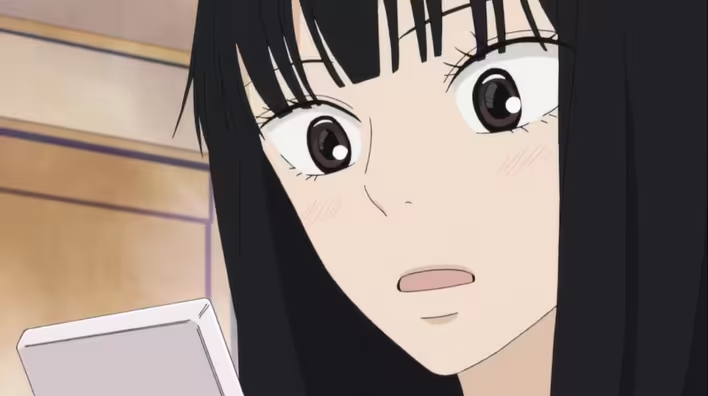
Sawako often seems gloomy and distant to her classmates, although she is actually extremely kind and sincere.
Due to her lack of self-confidence and fear of being misunderstood, she finds it difficult to make friends and maintain a normal conversation. Only after meeting new people does Sawako gradually open up and begin to feel more confident among her peers.
Her story wonderfully illustrates that dandere is not coldness, but shyness and difficulties in communication.
Nagisa Furukawa — Clannad
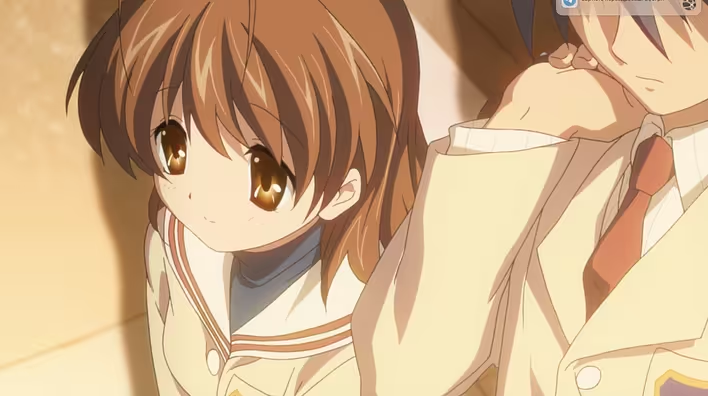

Nagisa is another classic representative of the archetype.
She is calm, modest, very polite, and often doubts her own abilities. Due to a prolonged illness and insecurity, she finds it hard to meet people, but next to friends, she becomes much more open.
At the same time, Nagisa should not be reduced solely to the dandere archetype. Her character is much deeper, and her shyness is just one of many personality traits.
Shouko Komi — Komi Can't Communicate
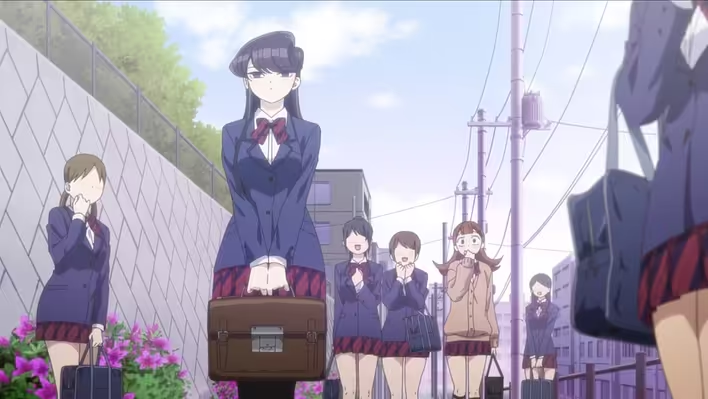
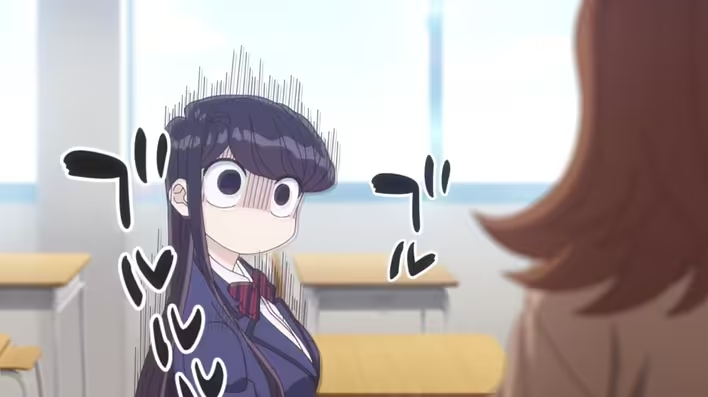
Shouko Komi is often mistakenly referred to simply as the silent beauty, although her story is almost entirely built around difficulties in communication.
She wants to meet people, make friends, and engage in conversation, but due to extreme social anxiety, she can hardly speak to strangers.
That is why Komi is one of the most contemporary examples of dandere, although her case also goes beyond the classic archetype, as the plot directly explores the issue of communication.
Are All Silent Characters Dandere?
No. This is one of the most common misconceptions.
If a character speaks little, it does not necessarily mean they belong to this archetype.
For example, a hero may be taciturn due to coldness, restraint, or a habit of hiding emotions. In this case, they are more likely closer to kuudere.
However, if a character is silent due to shyness, insecurity, or fear of making a mistake, then they can be considered a dandere.
The reason for their silence is the main feature that distinguishes this archetype from others.
Is the Dandere Archetype Related to Social Anxiety?
Many dandere do resemble people with social anxiety, but these concepts should not be equated.
Social anxiety is a psychological state that can significantly affect a person's daily life.
Dandere, however, is an artistic archetype. Authors may draw inspiration from the real behavior of shy people, but they do not assign psychological diagnoses to their characters.
That is why it is not appropriate to automatically assume that every dandere has social anxiety. Most often, it is just an artistic device that helps show the gradual development of a character and their relationships with other characters.
Other Dere Archetypes
The world of anime and manga includes dozens of dere archetypes — typical behavioral models of characters. If you are interested in this topic, pay attention to other popular archetypes:
- Tsundere (Tsundere) — hide affection behind sharp or cold behavior.
- Yandere (Yandere) — obsessed with love to the point of extreme actions.
- Kuudere (Kuudere) — outwardly cold and restrained, but gradually open up their feelings.
- Himedere (Himedere) — behave as if they are real princesses and expect special treatment.
- Kamidere (Kamidere) — convinced of their own uniqueness and often consider themselves superior to others.
- Mayadere (Mayadere) — former rivals or antagonists who switch to the side of the main character and often fall in love with them.
- Oujidere (Oujidere) — characters who strive to meet the image of the ideal prince.
- Bakadere (Bakadere) — kind and sincere, but very naive or comically clumsy.
- Deredere (Deredere) — open, friendly, and sincere characters.
Like it?React
🧵
This post doesn't have any additions from the author yet.