This content has been automatically translated from Ukrainian.
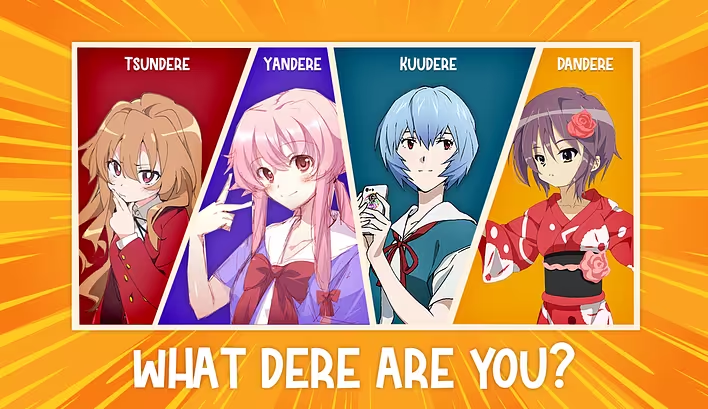
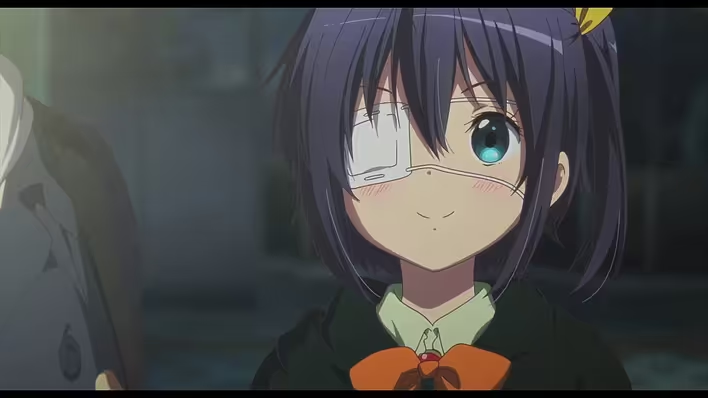
Tsundere (Japanese: ツンデレ, Tsundere) is one of the most well-known archetypes of characters in anime, manga, light novels, visual novels, and Japanese video games. This term refers to characters who behave coldly, sharply, distantly, or even rudely on the outside, but gradually reveal their softer, caring, or loving side.
Tsundere are most often recognized by contrast: a character may feign indifference, get irritated, respond sharply, or deny their own feelings, even though they actually care. This transition from "prickly" behavior to more sincere emotionality is what gives the archetype its name.
The word tsundere consists of two parts: tsuntsun (ツンツン) and deredere (デレデレ). The first part describes cold, sharp, distant, or "prickly" behavior. The second part refers to a state where a person becomes gentler, more affectionate, softer, or openly expresses affection. Therefore, tsundere should not be simply translated as "mean character" or "aggressive girl." It is a much more complex type, built on an internal conflict between protecting one's feelings and the desire to be closer to another person. Japanese explanations of the term also emphasize the combination of cold tsuntsun and softer deredere, rather than just aggressiveness.
Today, tsundere is one of the most popular and recognizable anime archetypes. It can be found in romantic comedies, school stories, fantasy, adventure series, and even dramatic works. Tsundere are especially frequently used in plots where the gradual rapprochement of characters plays an important role.
The Origin of the Word "Tsundere"
The term tsundere did not appear simultaneously with the character type itself. Heroes with similar behavior existed in Japanese pop culture long before a separate name was established for them. However, the word itself gained popularity in online communities in the early 2000s.
The origin of the term is most often linked to Japanese forums and the visual novel Kimi ga Nozomu Eien. In particular, the character Ayu Daikuuji is often referred to as one of the figures through which the word "tsundere" began to be established as a fan term. In Japanese reference materials, she is frequently mentioned as a character associated with the early use of this word.
It is important to understand the difference: the archetype is older than the term itself. That is, characters that today seem tsundere appeared in anime and manga even before the 2000s. But the word tsundere as a convenient fan name became popular later when anime communities began to classify characters more actively based on typical behavior patterns.
Initially, tsundere were more often described as characters who change over time: they start off cold and distant, and then gradually reveal warm feelings. Over time, the meaning has expanded. In modern anime, a tsundere may not only go through a long journey from coldness to tenderness but may also constantly alternate between these two states: responding sharply in one scene and caring for someone in the next.
Why Tsundere Have Become So Recognizable
The popularity of tsundere is explained by the fact that this archetype is very convenient for creating tension between characters. Tsundere almost never speak about their feelings directly. Instead, the viewer sees a contradiction between words and actions: a character may deny affection but at the same time worry, help, or be jealous.
This contradiction makes tsundere interesting for romantic and comedic plots. They create conflict without the need to introduce an external enemy: the main struggle often occurs within the character themselves.
In good execution, a tsundere is not just a person who shouts or is rude. They are a hero who cannot or is afraid to openly show vulnerability. Their sharpness may be a way to protect themselves from shame, fear of rejection, or a reluctance to appear weak.
That is why the best tsundere are remembered not for their aggression but for the moment when sincerity becomes visible behind their harsh behavior.
Main Traits of Tsundere
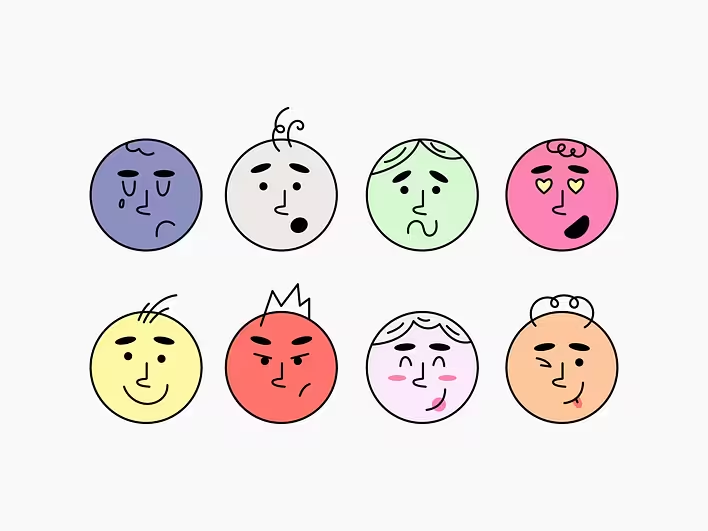
Despite the immense popularity of the archetype, tsundere are often misunderstood. Many reduce it to a character who constantly shouts, gets irritated, or even hits the main character. In reality, these are just individual artistic techniques used in some comedic anime.
The main feature of tsundere lies not in aggressiveness but in the fact that the character cannot or does not want to openly demonstrate their true feelings. This internal contradiction defines the archetype.
External Coldness
The first impression of a tsundere is almost always misleading.
Such characters may seem indifferent, sharp, or even unfriendly. They are not in a hurry to get close to other people, often respond briefly, and do not like to show their own emotions.
However, this behavior is rarely a manifestation of true hostility. Most often, it serves as a kind of protective barrier that helps hide anxiety, shame, or insecurity.
Reluctance to Acknowledge Their Own Feelings
This trait most distinguishes tsundere from other dere archetypes.
Even when a character is already aware of their affection, it is very difficult for them to say it directly. Instead of a sincere confession, they may deny the obvious, change the subject, or come up with other explanations for their actions.
This is where famous lines like:
“I did it not for you!”
or
“Don’t think too much!”
Such phrases have long become a recognizable part of anime culture, although today authors use them much less frequently than twenty years ago.
Care That Manifests Through Actions
Tsundere find it much easier to help someone than to say something warm to them.
This character may bring medicine, cook dinner, protect a friend, or risk their own life, but afterward immediately start denying that they did it out of affection.
That is why viewers often understand the true feelings of a tsundere much earlier than they themselves are ready to acknowledge them.
Internal Conflict
Most well-written tsundere constantly experience an internal struggle.
On one hand, they want to be closer to the person they like. On the other, they fear appearing vulnerable, being misunderstood, or facing rejection.
This contradiction creates the characteristic dynamic of the archetype. If a character is simply rude without any internal turmoil, they can hardly be called a classic tsundere.
Gradual Development
Good tsundere almost never remain unchanged.
Throughout the story, they gradually learn to trust others more, speak more openly about their feelings, and hide their emotions less.
That is why tsundere are considered one of the most dynamic archetypes. Their development often becomes an important part of the plot, rather than just a romantic embellishment of the story.
Why Tsundere Are Not "Aggressive Girls"?
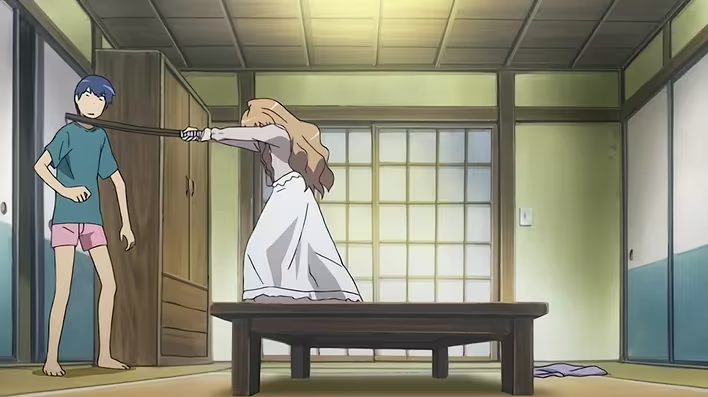
This is probably the most common misconception about the archetype.
In the early 2000s, many romantic comedies used physical humor: a female character might hit the main character due to an awkward situation or misunderstanding. Due to the popularity of such scenes, many viewers got the impression that a tsundere must behave aggressively.
In reality, this is just one of the comedic techniques, not a defining trait of the archetype.
Moreover, in modern anime, tsundere are increasingly appearing who do not use physical force at all. Their "prickliness" manifests in sarcasm, restraint, awkwardness during romantic scenes, or reluctance to openly speak about their feelings.
That is why aggression is not a mandatory component of a tsundere. If a character constantly belittles others, behaves cruelly, or takes pleasure in the suffering of others, this is already a completely different type of character.
The tsundere archetype primarily describes emotional conflict, not a way of expressing anger.
How the Tsundere Archetype Has Changed
The modern understanding of tsundere did not form overnight. Over the time the term has existed, the archetype has noticeably changed, and characters referred to as tsundere twenty years ago often differ from their modern counterparts.
This is why disputes sometimes arise: some viewers call any sharp character a tsundere, while others use the term only for heroes with a characteristic relationship development.
Early Tsundere
In the late 1990s and early 2000s, tsundere usually underwent noticeable transformation.
At the beginning of the story, they might behave coldly, sharply, or even hostile towards the person who would later become close to them. However, as the plot develops, such behavior gradually changes: the character becomes more open, calmer, and less likely to hide their feelings.
This change from "tsun" to "dere" was considered the main feature of the archetype.
The Golden Age of Tsundere
In the mid-2000s, the popularity of romantic comedies and visual novels led to a real explosion of interest in this archetype.
It was during this time that many characters who are now considered classic tsundere emerged. Authors increasingly used familiar techniques: sharp responses, denial of their own feelings, comedic quarrels, and awkward romantic situations.
During this period, the archetype became so popular that it began to be actively used in various genres—from school romantic comedies to action and fantasy.
Modern Tsundere
Over time, the image of tsundere has become significantly more diverse.
Modern characters are less likely to behave caricatured and do not necessarily constantly hide their feelings. Instead, authors pay more attention to the psychology of the hero, their insecurity, fear of rejection, or difficulties in communication.
As a result, many modern tsundere seem much more natural. Their sharpness manifests not in loud quarrels or physical humor, but in brief responses, awkwardness during romantic scenes, or reluctance to be the first to speak about their feelings.
That is why the modern archetype has become closer to real human behavior, while still retaining its main feature—the contrast between external restraint and internal warmth.
How Tsundere Differs from Other Dere Archetypes?
The popularity of the archetype has led to it often being confused with other types of characters. This often happens due to similar external traits, although the reasons for their behavior are entirely different.
Tsundere and Dandere
Both archetypes may feel shy around the person they like, but they express it differently.
Dandere is silent due to shyness and insecurity. They find it hard to maintain a conversation, especially with strangers, but they do not deliberately hide their feelings.
Tsundere, on the other hand, often knows exactly what they feel but consciously does not want to show it. Their sharpness is a defensive reaction, not an inability to communicate.
Tsundere and Kuudere
At first glance, these archetypes may also seem similar, as both characters appear reserved.
However, Kuudere usually behaves calmly and coolly regardless of the situation. Such a hero controls their emotions well and rarely allows them to influence their decisions.
Tsundere, however, is much more emotional. Their feelings constantly break through, even if they try to hide them. This internal struggle is the main feature of the archetype.
Tsundere and Yandere
Despite the same suffix -dere, these archetypes have completely different natures.
Tsundere gradually learn to speak openly about their feelings.
Yandere becomes so attached to their loved one that this affection can turn into a dangerous obsession.
In other words, tsundere hide their feelings, while yandere cannot control them.
Tsundere and Himedere
Both tsundere and himedere may behave sharply or demandingly, but their motives are different.
Himedere expects special treatment and behaves as if they deserve privileges.
Tsundere, however, do not seek to be the center of attention. Their sharpness is usually related to internal shame, insecurity, or reluctance to openly demonstrate their feelings.
That is why these archetypes may seem similar only at first glance but have entirely different psychological foundations.
Most Famous Examples of Tsundere in Anime
In the more than twenty years since the term's existence, hundreds of characters have appeared in anime that are called tsundere. However, only a few of them have truly become benchmarks of the archetype and influenced its popularity.
Ayanami Rei — Neon Genesis Evangelion
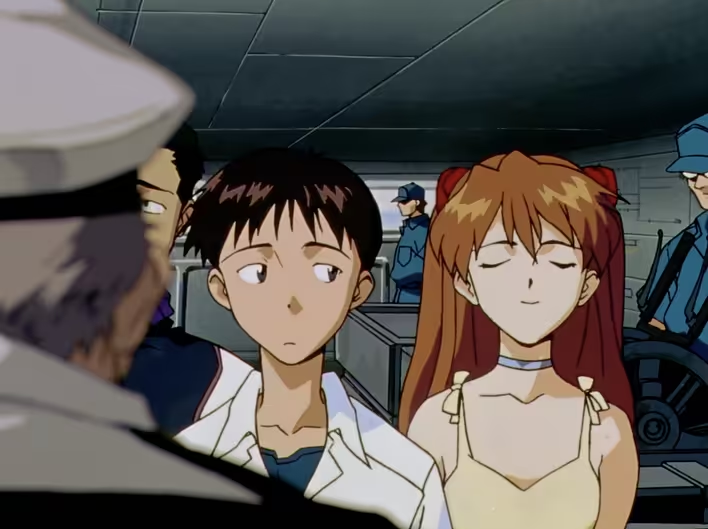
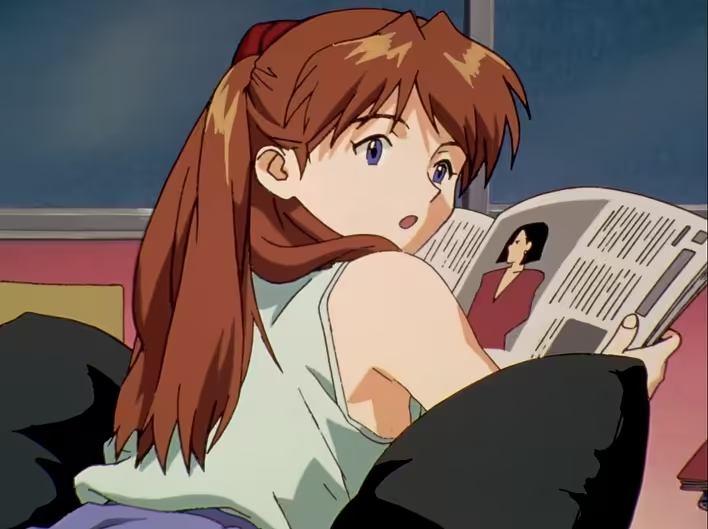
Although the word "tsundere" gained popularity after the release of Neon Genesis Evangelion, Ayanami is often referred to as one of the characters who shaped the future archetype.
She is confident, fiery, sharp, and does not like to show her vulnerability. Behind her pride lies loneliness, fear of not being good enough, and a need for support.
Today, it is not entirely correct to call Ayanami "the first tsundere," as similar characters existed before. However, her influence on the development of the archetype is hard to overestimate.
Taiga Aisaka — Toradora!
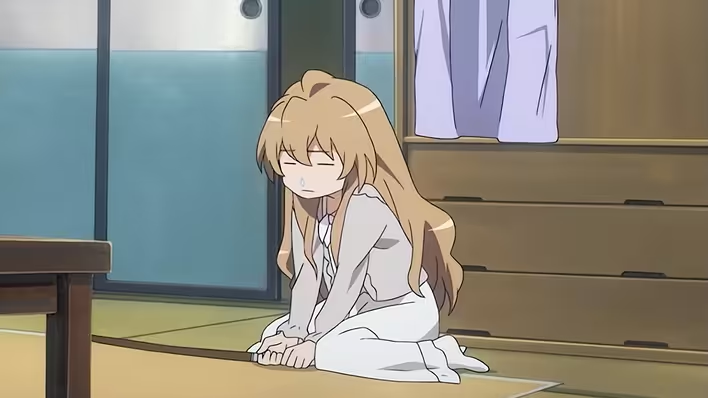

For many anime fans, Taiga embodies the classic tsundere.
At the beginning of the story, she behaves sharply, easily loses her temper, and almost cannot talk about her feelings. However, she gradually opens up to others and learns to trust people.
Importantly, Taiga's development is a central part of the plot. The viewer sees not just a change in behavior but a gradual maturation of the heroine, which has made her one of the most famous examples of the archetype.
Rin Tohsaka — Fate/stay night
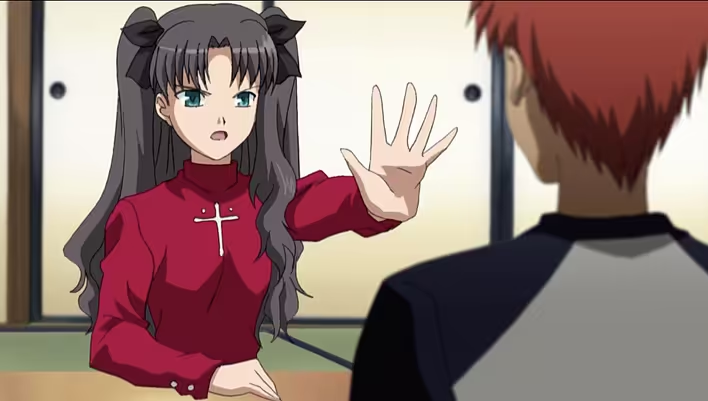
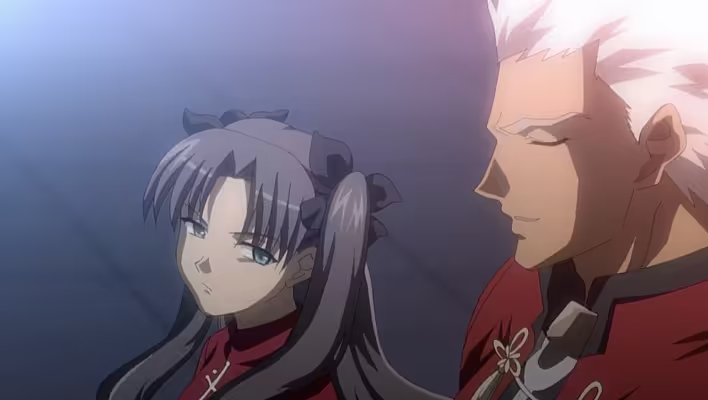
Rin demonstrates a more restrained and modern version of tsundere.
She is intelligent, independent, confident in her abilities, and does not like to show weakness. Even when she begins to trust people, Rin remains demanding of herself and those around her.
It is precisely this combination of strength of character and hidden care that has made her one of the most famous female characters in the Fate franchise.
Louise de la Vallière — The Familiar of Zero
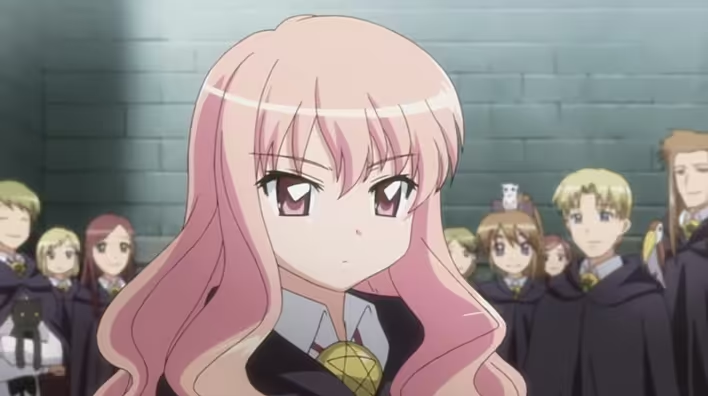
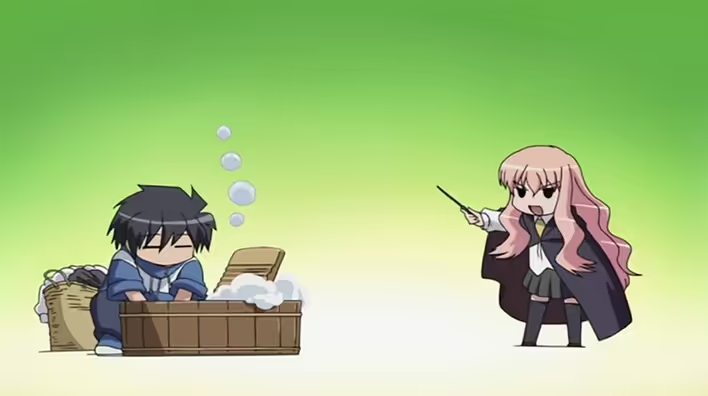
When it comes to romantic comedies of the mid-2000s, Louise is one of the most famous examples of tsundere.
She is impulsive, jealous, easily offended, and often hides her feelings behind sharp words. At the same time, her relationship with Saito gradually changes, and along with it, the heroine herself changes.
It is Louise who significantly shaped the image of tsundere that was especially popular in the 2000s.
Makise Kurisu — Steins;Gate
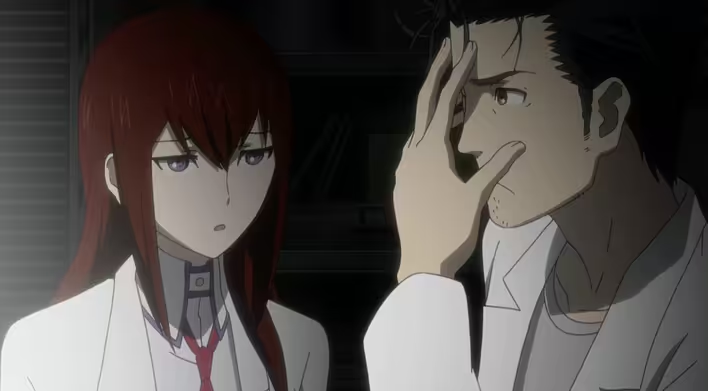
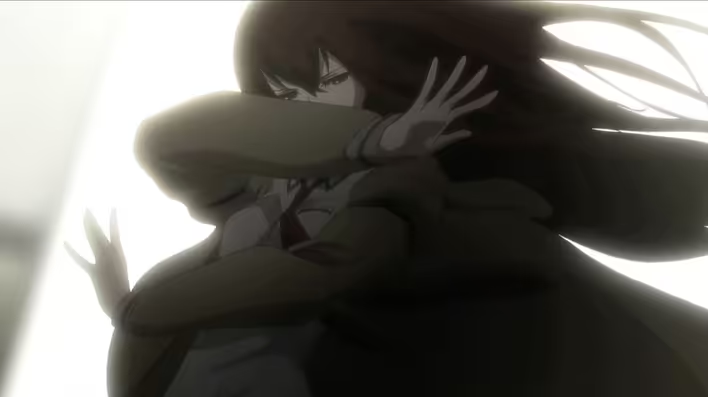
Makise Kurisu is often cited as an example of a modern reinterpretation of the archetype.
Unlike many early tsundere, she almost never behaves aggressively. Her "tsun" side manifests through sarcasm, sharp responses, and reluctance to openly speak about her feelings.
That is why Kurisu is often considered an example of how the archetype has become more realistic and psychologically deep.
Why Have These Characters Become Iconic?
The popularity of each of these heroines is explained not only by their character but also by how the authors reveal their feelings.
Ayanami showed that behind sharpness can lie deep psychological trauma.
Taiga became an example of a character who undergoes a full journey of personal development.
Louise solidified the classic image of tsundere from the mid-2000s.
Rin proved that a strong and independent character does not contradict hidden emotionality.
Makise Kurisu showed that a modern tsundere can be much more restrained, realistic, and does not require exaggerated comedic scenes to remain recognizable.
That is why these characters remain unique benchmarks when it comes to this archetype even today.
Tsundere is one of the most well-known and influential archetypes of Japanese pop culture. Its foundation is not aggressiveness or rudeness, but an internal conflict between the desire to hide one's feelings and the need to be closer to another person.
That is why tsundere has remained popular in romantic comedies, dramas, adventure, and fantasy works for over two decades. The best representatives of this archetype are remembered not for sharp words or comedic scenes but for the gradual development of character that allows one to see behind the external coldness a sincere, caring, and emotional personality.
Today, the image of tsundere continues to evolve. While early representatives of the archetype were often very fiery and impulsive, modern characters increasingly resemble real people who simply struggle to talk about their feelings easily. This evolution allows the archetype to remain relevant even many years after the term itself emerged.
Other Dere Archetypes
The tsundere archetype is just one of many types of characters that belong to the larger group of dere archetypes. If you are interested in this topic, we also recommend reading:
- Yandere (Yandere) — characters whose love can turn into dangerous obsession.
- Dandere (Dandere) — quiet and shy heroes who open up only to those they trust.
- Kuudere (Kuudere) — reserved and cool-headed characters who rarely show emotions.
- Deredere (Deredere) — open, friendly, and sincere heroes who do not hide their feelings.
- Himedere (Himedere) — characters who behave as if they are true princesses and expect special treatment.
- Kamidere (Kamidere) — heroes who are convinced of their own uniqueness and have the right to control others.
- Oujidere (Oujidere) — characters who strive to match the image of the perfect prince.
- Mayadere (Mayadere) — former rivals or antagonists who switch to the side of the main character.
- Bakadere (Bakadere) — kind, sincere, but very naive or comically clumsy characters.
Like it?React
🧵
This post doesn't have any additions from the author yet.