This content has been automatically translated from Ukrainian.
When I first heard the word "dzhynsa" in the context of media, I initially thought of some extravagant jeans or a new fashion trend. But over time, I realized that this word has a completely different meaning and is related to journalism and the media space.
So, what is "dzhynsa"? It turns out that it is a slang term used to refer to hidden advertising or commissioned materials in the media. In other words, it is paid content that is presented as editorial material. Such articles, reports, or news are not marked as advertising, but are presented as independent journalism, misleading readers.
Origin of the Term
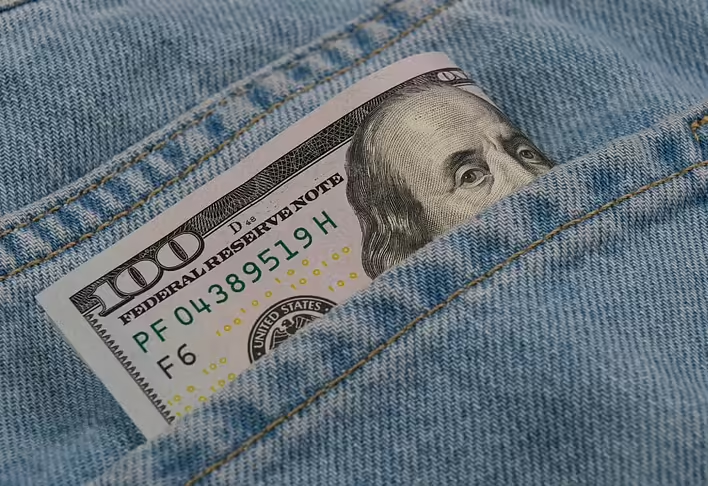
Interestingly, the exact origin of the term "dzhynsa" is not definitively known, but there are several versions. One of them suggests that in the early 1990s, journalists received money for such materials in envelopes made of denim fabric. Another version states that "dzhynsa" comes from the English word "jeans," which means "jeans," and indicates something inconspicuous, familiar, like denim clothing.
Forms and Examples of "Dzhynsa"
"Dzhynsa" can take various forms. These can be articles, news, interviews, reports that promote the interests of a particular company, political party, or individual. The main feature of "dzhynsa" is the absence of a designation that the material is advertising or sponsored.
Example 1: Political "Dzhynsa"
During election campaigns, "dzhynsa" can often be found in the form of articles that praise one candidate and criticize their competitors. For example, social media may publish a series of materials about the achievements of a certain politician, without indicating that these materials were commissioned by their election headquarters.
Example 2: Commercial "Dzhynsa"
A company may pay for the publication of positive reviews about its product or service. For instance, a blogger might have an article about a new cosmetic product that "changed their life." In reality, this could be a commissioned material for which the blogger received money.
Why is "Dzhynsa" a Problem?
The main problem with "dzhynsa" is that it undermines trust in the media. Readers and viewers perceive such materials as independent journalistic investigations or expert opinions, while in reality, they are hidden advertising. This distorts the perception of objectivity and impartiality in the media.
Moreover, "dzhynsa" violates ethical standards of journalism. According to standards, any advertising material must be clearly marked as advertising. Hidden advertising misleads consumers of information and creates unequal conditions in the media and advertising market.
How to Recognize "Dzhynsa"?
Recognizing "dzhynsa" can be challenging, but there are several signs that can help:
- Lack of critical remarks: if the material is unequivocally positive and contains no criticism, this may be a sign of "dzhynsa."
- Excessive praise: if an article or report contains a lot of praise and looks like advertising but is not marked as such, it may be "dzhynsa."
- Unusual appearance of materials: if materials about the same person or company start appearing very frequently and without obvious news value, this may be a sign of commissioned publications.
- Lack of an author: anonymous articles or materials without a clearly indicated author may be "dzhynsa."
"Dzhynsa" is a serious problem in the modern media space, but through increased awareness and the implementation of clear journalism standards, we can take steps towards a more transparent and honest media environment.
Like it?React
🧵
This post doesn't have any additions from the author yet.