Table of contentsClick link to navigate to the desired location
This content has been automatically translated from Ukrainian.
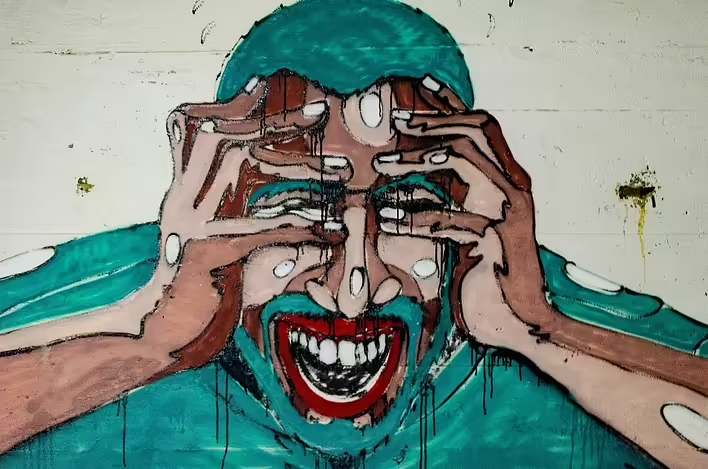
Each of us has felt moments when emotions overflow to the point that it seems like our heart is about to burst. Tears, laughter, screams, or even an explosion of anger can become that very release that allows us to breathe deeply again. This is what catharsis is about – psychological cleansing through an emotional outburst. But what does it really mean, why is this phenomenon so important, and how can it be applied in our lives?
What is catharsis?
The word "catharsis" has Greek origins and means "cleansing" or "release." The term first appeared in ancient philosophy and was used by Aristotle to describe the impact of tragedy on the viewer. Aristotle believed that through experiencing strong emotions while watching a tragedy, a person is cleansed of their inner conflicts and fears.
In modern psychology, catharsis refers to the process of releasing accumulated emotions that have been long suppressed. This can be a moment when a person allows themselves to cry, express their anger, or experience deep joy, leading to a sense of relief.
Why is it sometimes necessary to "let off steam"?

Imagine that your emotions are like water accumulating in a pot under a tight lid. If you don’t let the steam escape, sooner or later the pressure will become so strong that the pot will simply explode. The same happens with our feelings. When we suppress emotions for a long time, they accumulate and can manifest as stress, anxiety, or even physical problems like headaches or insomnia.
Catharsis allows for the restoration of internal balance. When a person allows themselves to experience and release what troubles them, they feel relief and peace. It’s like a reboot that gives them the strength to move forward.
How does catharsis manifest?
Catharsis can manifest in various ways:
- Tears – a natural way to relieve tension and get rid of pain.
- Laughter – helps to free oneself from fear or tension.
- Physical activity – some people achieve catharsis through sports, dancing, or even breaking things (popular now are "rage rooms").
- Art – drawing, music, or writing can become a way to express hidden emotions.
Catharsis in life: how to achieve it?
Sometimes a person avoids strong emotions because they fear losing control. But suppressing feelings only intensifies internal tension. It is important to allow oneself to experience catharsis when necessary. Here are a few ways:
- Open conversation. Talk to a friend or loved one about what’s bothering you. Often, simply voicing it brings relief.
- Listen to music or watch movies. A melodrama or touching song can be the very push needed to allow yourself to cry or laugh.
- Create. Drawing, journaling, or making music can help release your feelings.
- Exercise. Running, yoga, or even active dancing is a great way to relieve stress.
- Have an emotional outburst. This can be screaming into a pillow, tearing paper, or even a special session in a "rage room."
Is catharsis always beneficial?
While catharsis is a natural way of cleansing, its effect depends on the context. Constantly venting anger or other negative emotions without analyzing the situation may not help and can even worsen the state. It is important to combine catharsis with reflection: asking oneself why these feelings arose and how to avoid them in the future.
In a world where many suppress their feelings out of fear of appearing vulnerable, allowing oneself to "let off steam" becomes an important step towards psychological health. So the next time you feel like crying during a touching movie or laughing out loud – don’t hold back. It’s your right to be yourself and care for your own state.
This post doesn't have any additions from the author yet.