This content has been automatically translated from Ukrainian.
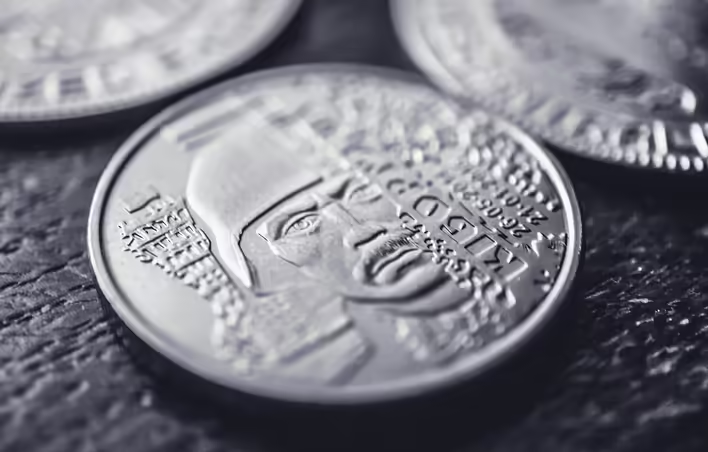
These terms are most commonly used in numismatics — the study of coins.
Obverse — is the front side of a coin or medal, reverse — the back side. In simple terms: the obverse usually depicts what is associated with power — a coat of arms, a portrait of a ruler, state symbols. The reverse is everything else: the denomination, the date of issue, thematic imagery.
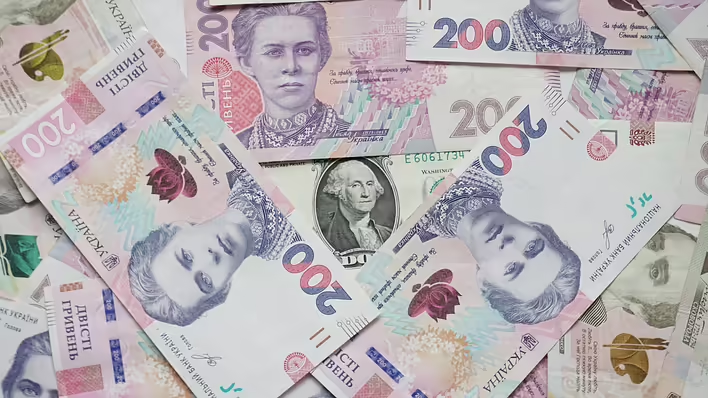
However, what is considered the obverse is sometimes determined not by the image, but by which side is described first in the official documentation or was chosen by the issuer as the main one. In modern coins with portraits — the face of the ruler is almost always on the obverse. In circulating hryvnias — the trident and the name of the state.
These concepts are also used in philately, faleristics, and even card design. The main thing - the obverse is about the "face", the reverse is about the "back". But it is not always as straightforward as it seems.
Like it?React
🧵
This post doesn't have any additions from the author yet.