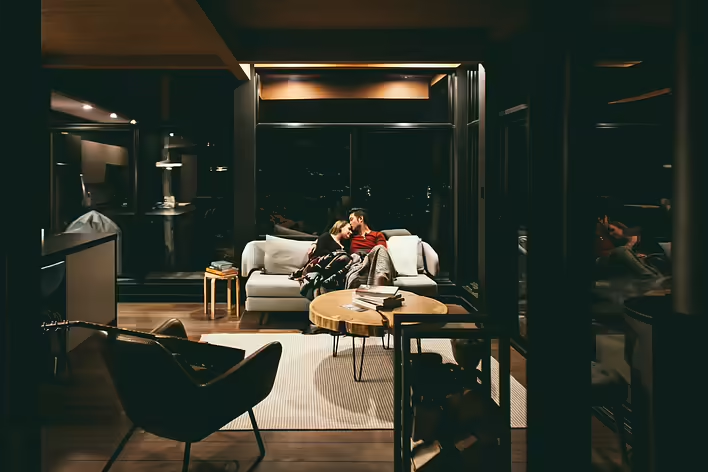
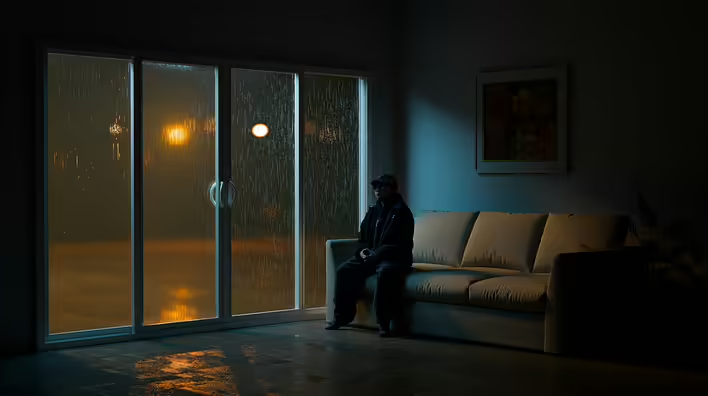
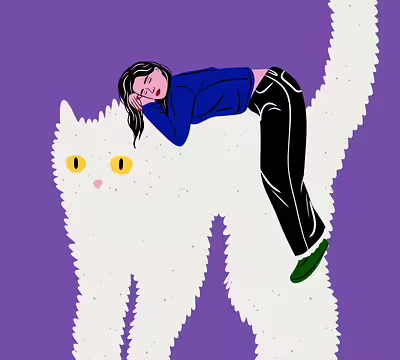
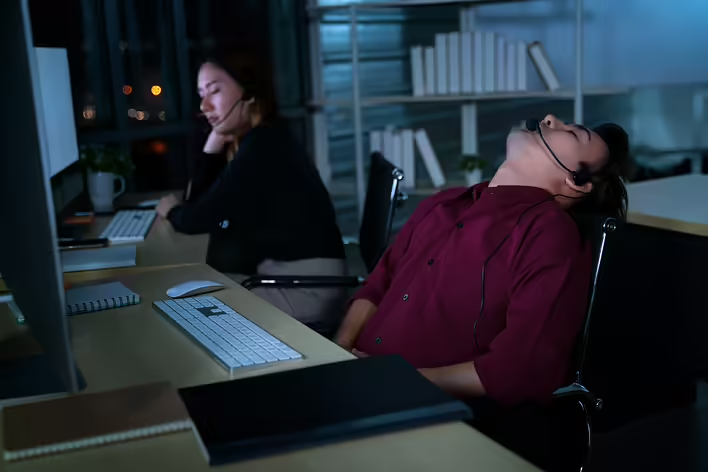
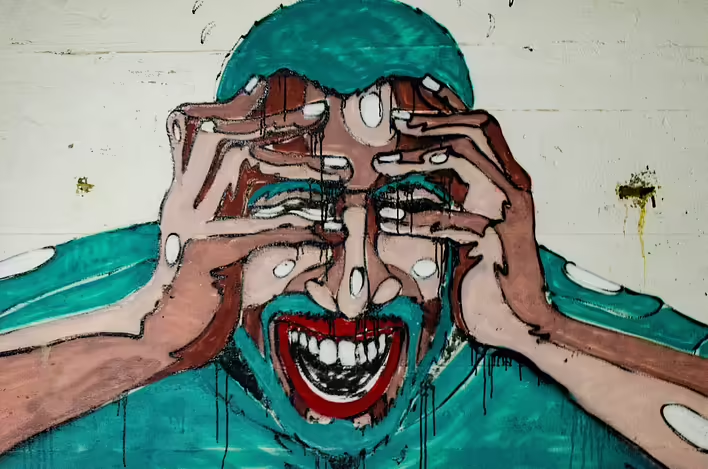
With the onset of Russia's full-scale invasion of Ukraine, home has become something more for Ukrainians than just walls. Why have so many of us begun to value these moments spent at home, especially with loved ones, in silence and peace? We have become people for whom home has transformed into a fortress, where we can recharge and feel truly protected. It's not always about introversion or shyness. It's about the need for safety and the desire to maintain our mental health.
Today, home is not a luxury, but a necessity. It is a place where we can restore our strength, rethink our values, and simply enjoy what truly matters. People crave this coziness because they understand that the most valuable thing we have is peace in our souls and closeness with those we love.
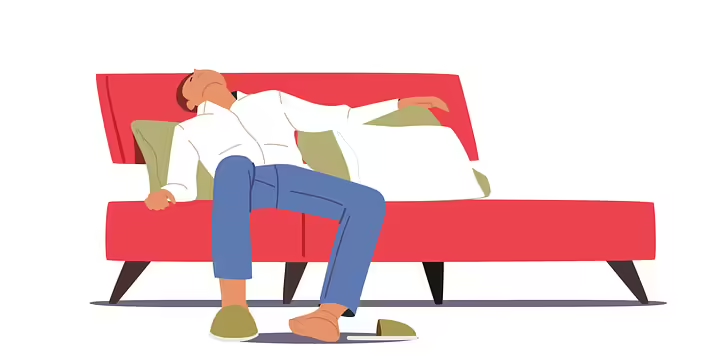
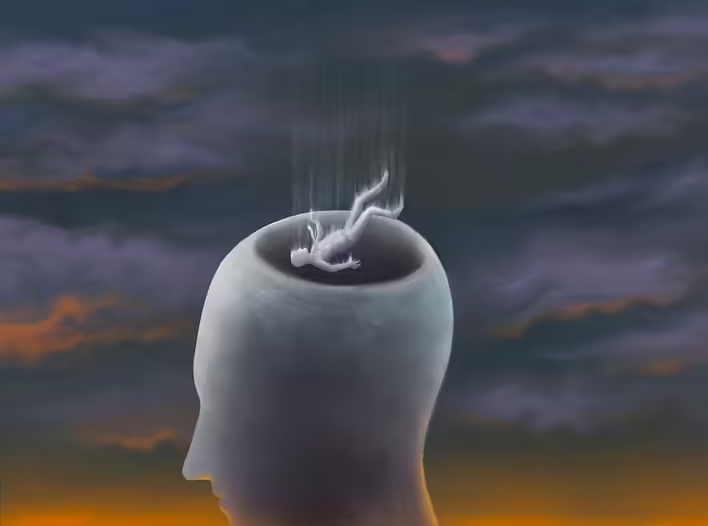
But if we consider this issue globally, people who prefer the comfort of home and spending time at home throughout their lives can represent different psychological types and have various reasons for such a lifestyle. They are often referred to as introverts, homebodies, or, in some cases, hikikomori (although the latter term refers to more extreme cases of social isolation).
Who are they?
Introverts:
These are people who draw energy from their inner world and feel drained by excessive social interaction. They are not necessarily shy, but they are more comfortable and productive alone or in small, close circles.
Homebodies:
This term is used to describe people who simply enjoy being at home. This is related to comfort, safety, the opportunity to engage in favorite hobbies, and work remotely.
People with high levels of anxiety or social phobia:
For such individuals, leaving home and social interactions are sources of significant stress. They tend to avoid the outside world to reduce anxiety.
Creative personalities:
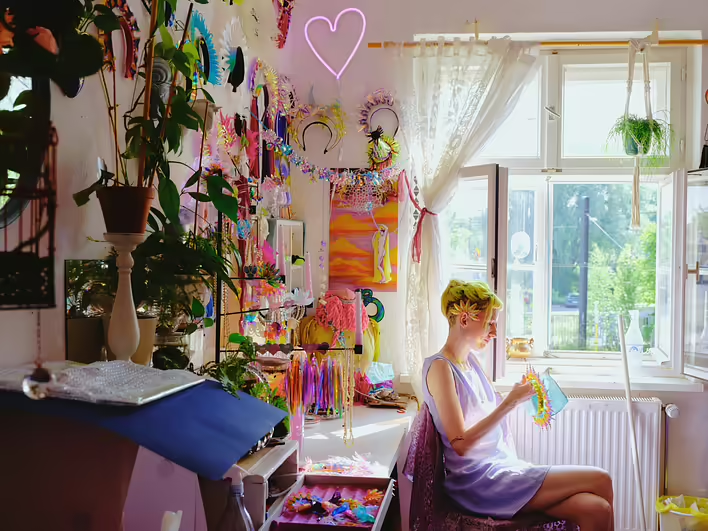
Many artists, writers, musicians, and other creative individuals need solitude to concentrate and realize their ideas.
People in recovery:
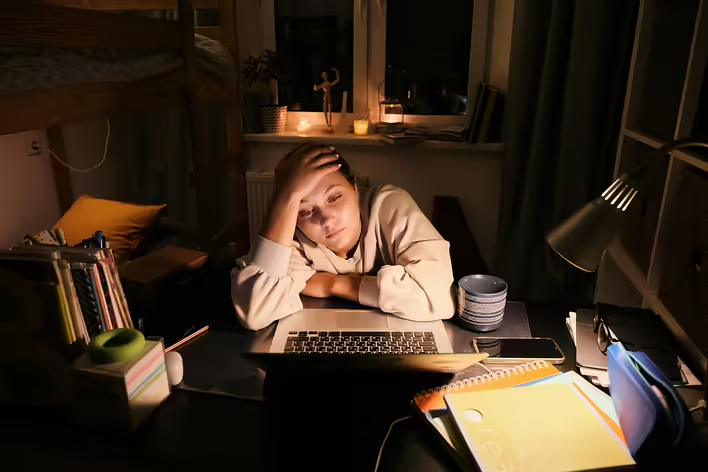
Those who have experienced difficult events, illness, or stress need time to recover alone.
Why does this happen?
For many, spending time at home is, again, a need for solitude: for introverts, it is a recharge and restoration of energy after social interactions. This lifestyle reduces stress levels as it allows avoiding noisy places and large crowds. Time spent alone at home opens up opportunities for self-reflection and self-discovery.
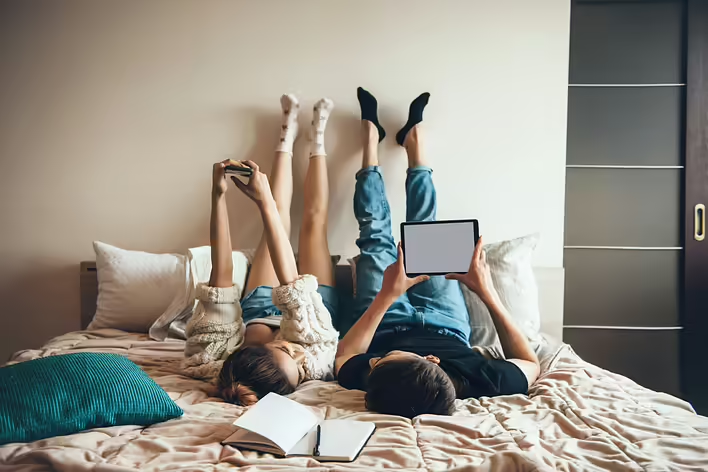
Nowadays, the number of people who prefer a home-based lifestyle is increasing. This may seem unappealing, especially to active individuals, but today it provides a sense of greater stability. With the development of remote work (freelancing, working from home), more and more people can successfully build careers without stepping outside their front door. Additionally, the availability of entertainment has significantly increased, with more people spending their free time online, using the internet, streaming services, online games, and other digital platforms.
A significant influence on a person also comes from previous social experiences: negative experiences, such as bullying, betrayal, or disappointment in people, lead to a desire to isolate and avoid the outside world.
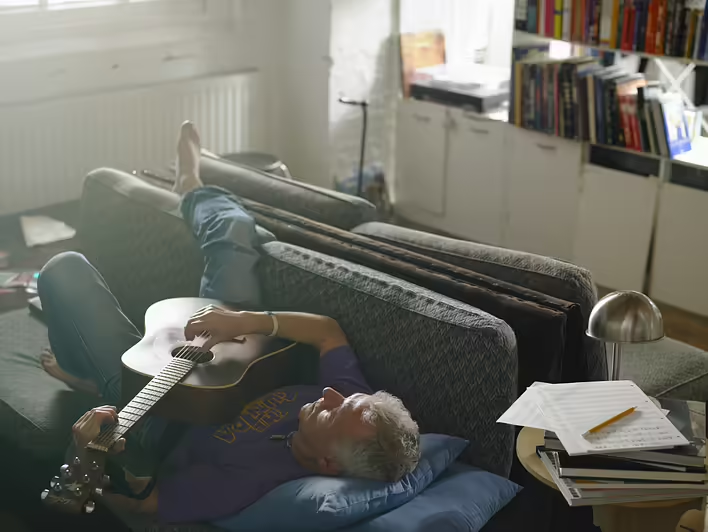
Personal preferences and hobbies play a role in choosing a home-based lifestyle. For some, it is simply a passion for household chores: such individuals genuinely love to engage in housekeeping, cooking, or decorating their space, finding satisfaction and fulfillment in it. Many have hobbies that require focus and solitude, such as reading, writing, programming, painting, or playing musical instruments.
Reddit Users' Opinions
I became curious about what people think about this. I based it on the responses of Reddit users that seemed both relatable and amusing, so I share them with you:
Why do people like staying at home so much?
1. “Because every outing costs money”
2. “I’m a millennial, and I prefer staying at home. Honestly, I love my pets more than most people”
3. “Everything I love to do, I do at home”
4. “People are stupid, and I don’t like dealing with them”
5. “I pay SO MUCH money to live here, and going outside is even more expensive…”