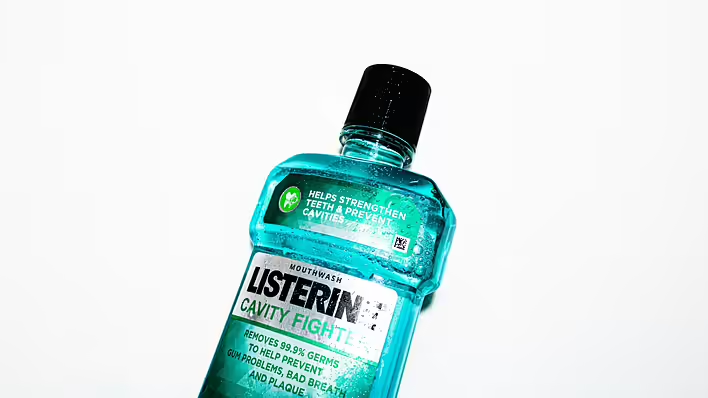
Listerine is an antiseptic mouthwash that is now used to reduce dental plaque, fight bacteria, and freshen breath. However, its history began not with oral hygiene.
The product was created in 1879 as a surgical antiseptic. It was named after British surgeon Joseph Lister — a pioneer of antiseptics who demonstrated the importance of sterilizing instruments during surgeries. The formula was developed by American chemist Joseph Lawrence.
Initially, Listerine was used to disinfect surgical instruments and treat wounds. Later, it was used as a universal antiseptic — for cleaning floors, treating fungal infections, and even as a remedy for dandruff.
How It Became a Mouthwash
In the early 20th century, manufacturers began actively promoting Listerine as a remedy for "chronic bad breath" (halitosis). It was the aggressive and innovative advertising that made the product extremely popular. The campaigns effectively shaped consumers' perception that bad breath was a serious social problem that needed to be addressed.
This is one of the early examples of how marketing can create demand by appealing to social fears and behavioral norms.
In modern dental practice, Listerine is recommended as a supplement to brushing and flossing, not as a replacement for these procedures. The mouthwash is used 1–2 times a day after brushing, usually for 30 seconds.
It has become part of the daily hygiene routine for millions of people worldwide and one of the most well-known brands in the oral care category.
Composition and Mechanism of Action
Classic Listerine contains essential oils (eucalyptol, menthol, thymol), as well as alcohol in some formulas. These components have antiseptic properties and help:
reduce the number of bacteria in the mouth;
prevent the formation of dental plaque;
lower the risk of gum inflammation;
freshen breath.
Today, there are various options — alcohol-free, for sensitive gums, with fluoride for enamel strengthening, etc.
The history of Listerine is an example of how a medical antiseptic transformed into a mass consumer product. From the operating room to the bathroom — a journey that combined science, entrepreneurship, and the power of marketing.