This content has been automatically translated from Ukrainian.
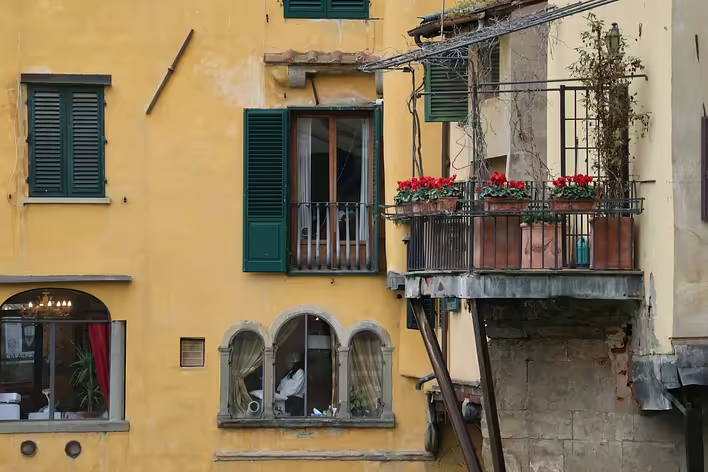
In Italy, a balcony is not just an architectural detail and definitely not a place for storing things. It is an extension of the home or an island of comfort: here, people drink morning coffee, hang out laundry, chat with neighbors, and observe a city that never completely quiets down.
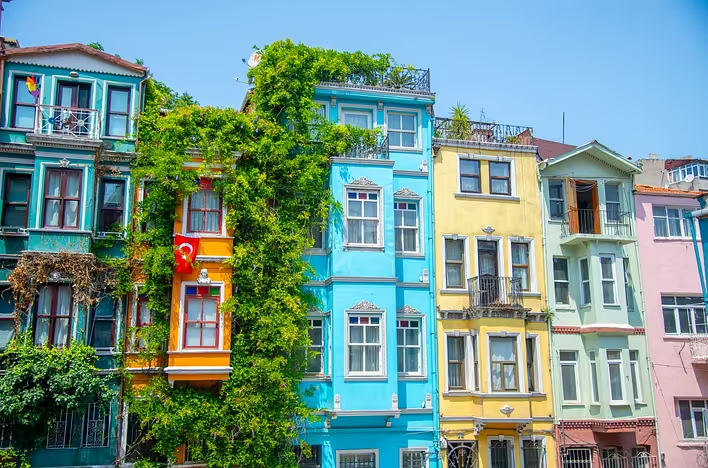
This is especially felt in the old neighborhoods of cities like Rome, Naples, or Florence. Narrow streets, houses almost touching each other, and balconies become a kind of “bridges” between the private and the public. There is no clear boundary here: life literally spills out into the open.
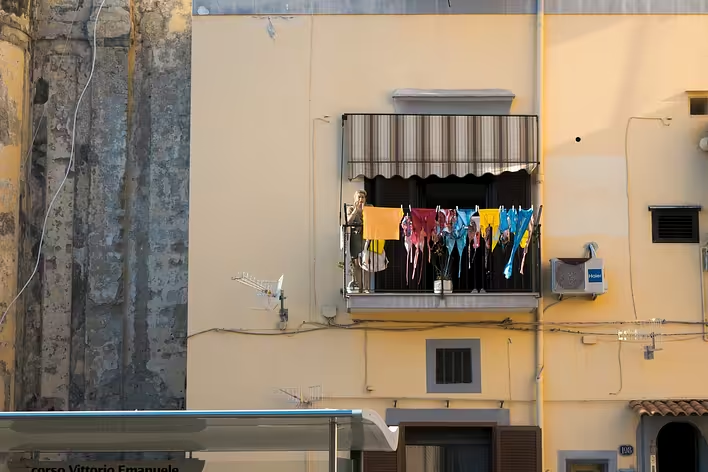
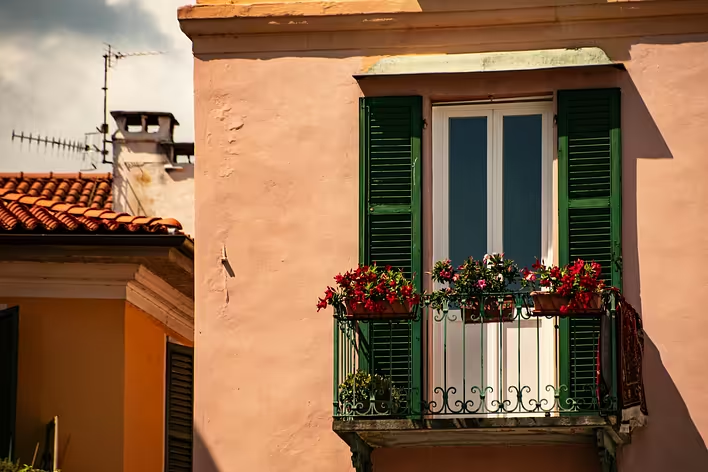
There is both practicality and climatic logic in this. Warm evenings almost all year round make the balcony a natural extension of the room. In the heat — it’s a place to catch a breath of breeze, in cool evenings — a place to escape from routine with a glass of wine and a blanket. Italians do not isolate themselves from the city — on the contrary, they are constantly in dialogue with it.
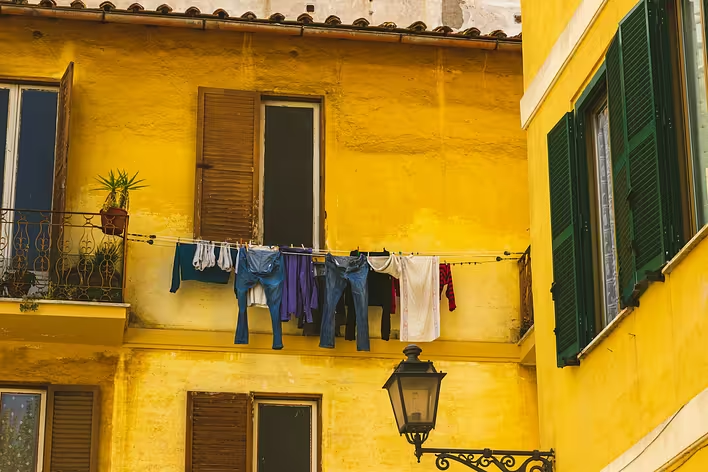
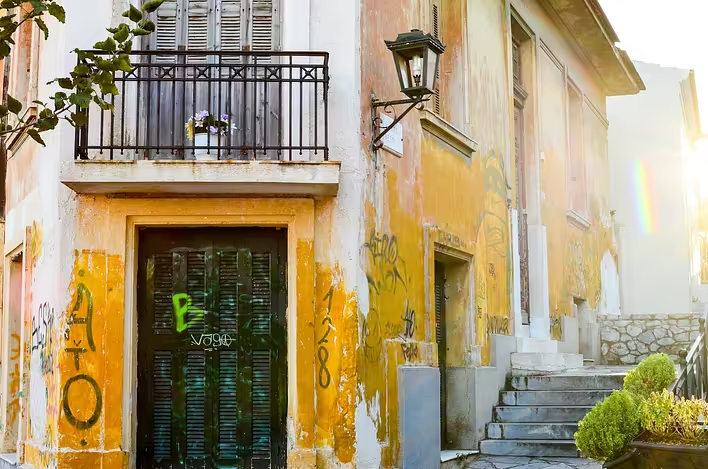
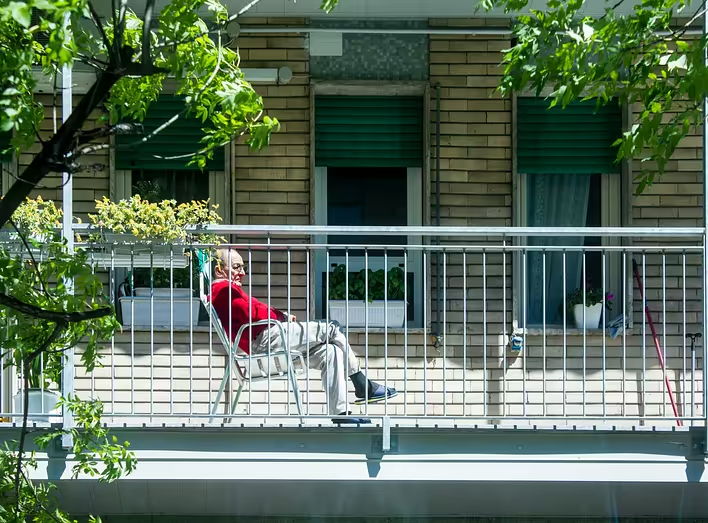
Moreover, balconies are the social fabric. In Naples, it’s easy to imagine neighbors shouting from one floor to another, discussing news or just joking. It’s a way to be together without even leaving home.
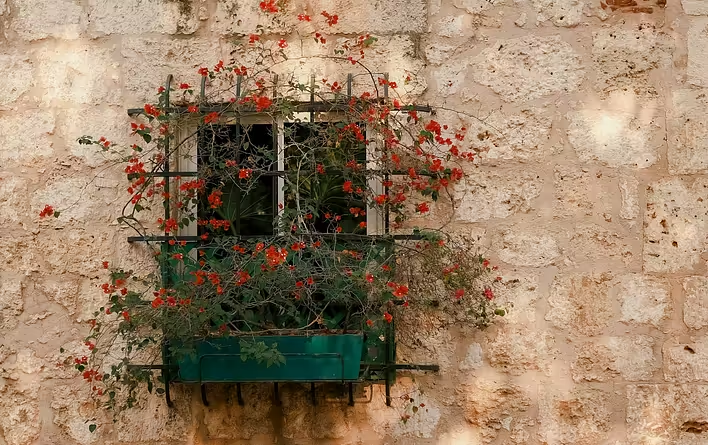
Perhaps that’s why Italian cities seem so “alive.” Because life there does not hide behind walls. It is on display — in flowers, in laundry, in voices echoing from balconies. And there is something very simple yet attractive in this that makes one stop and take a closer look at what’s up there.
Like it?React
🧵
This post doesn't have any additions from the author yet.