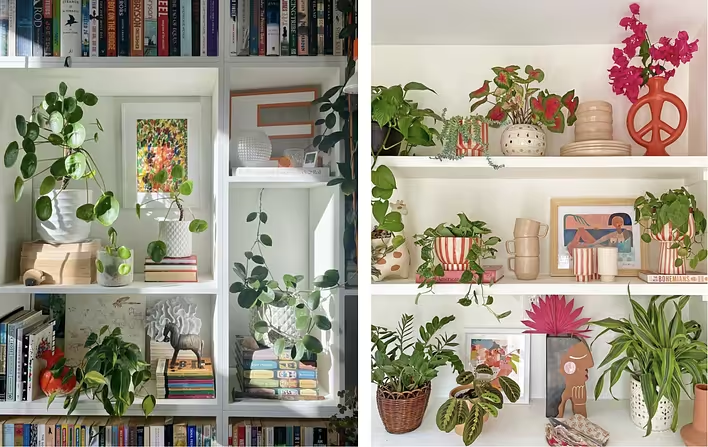
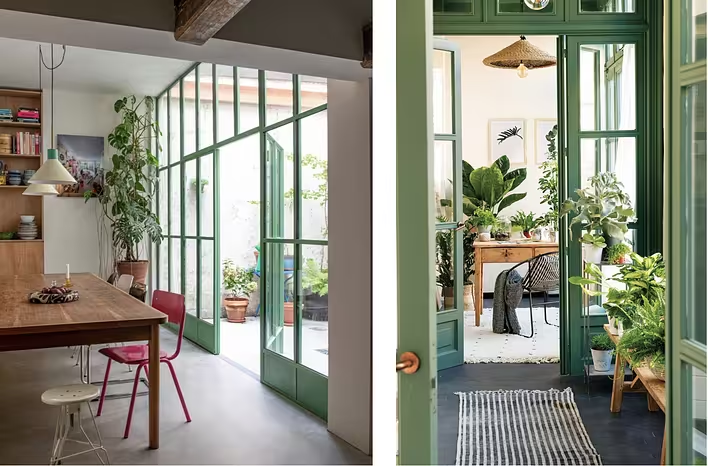
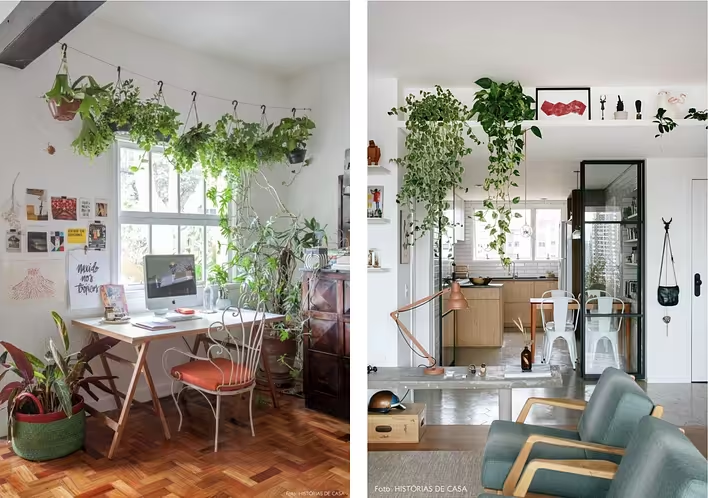
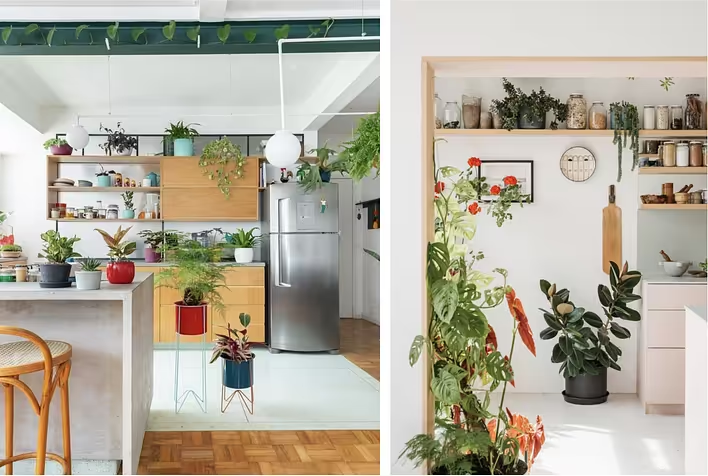
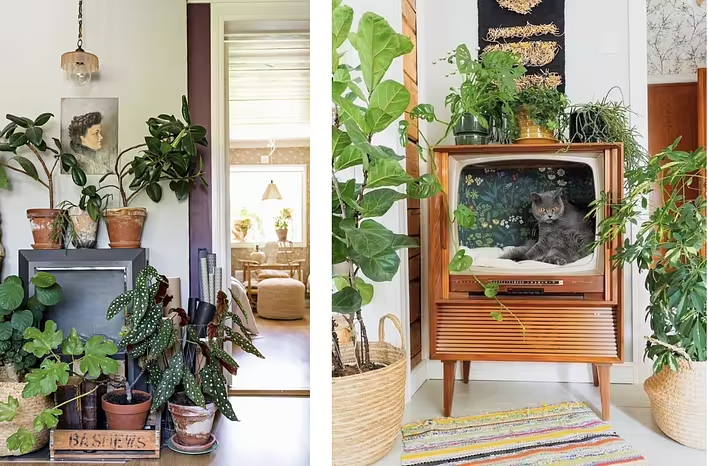
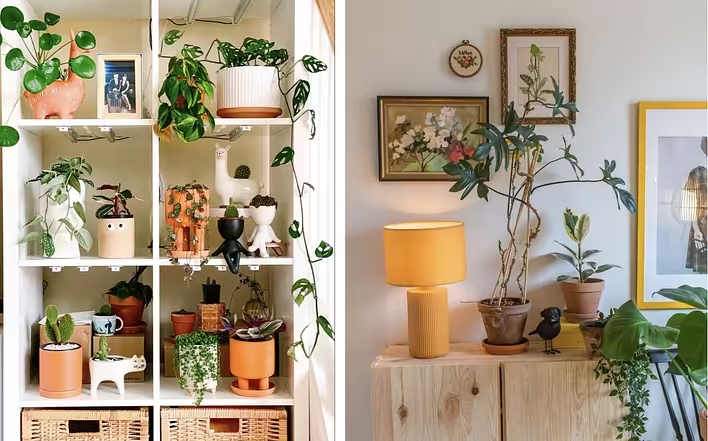
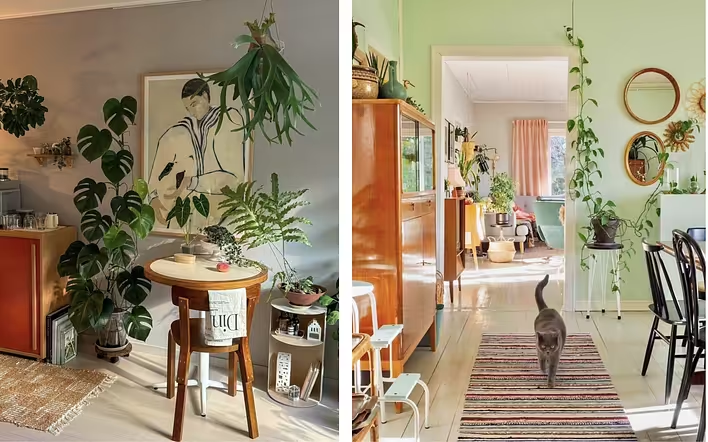
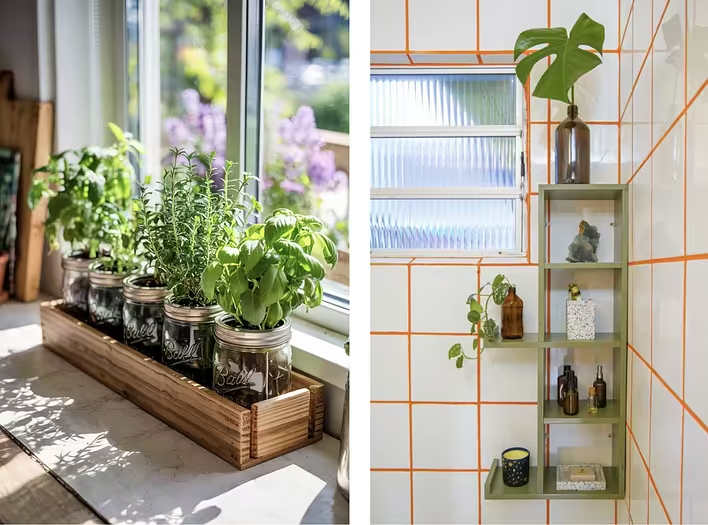
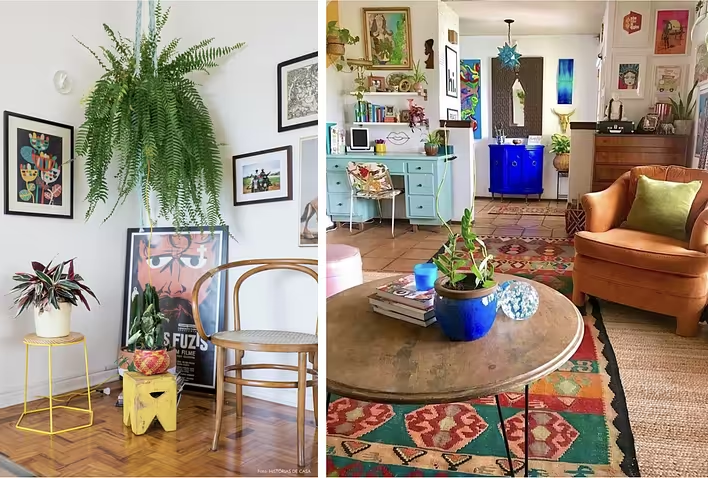
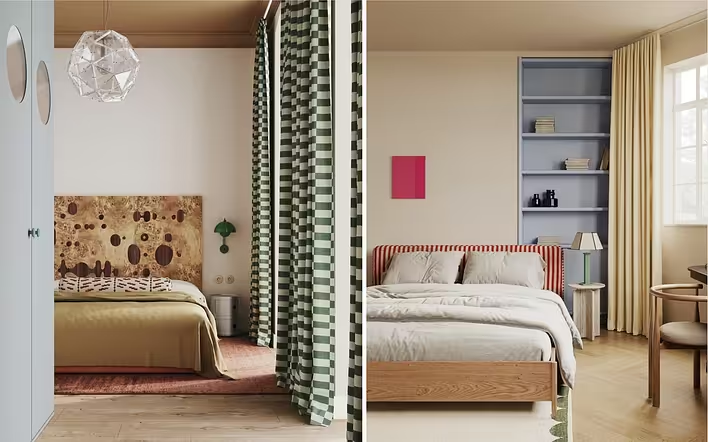
There are things we feel intuitively — for example, that a room with plants feels warmer, more alive, and cozier. This is not just aesthetics or a trend for “green decor.” In fact, it reflects a deep connection between humans and nature, which is supported by both psychology and biology.
Humans evolved among plants, and even in the modern world of concrete and glass, we subconsciously strive to bring a piece of nature into our space. This phenomenon is called biophilia — a natural love for all living things. It explains why even a few potted plants can change the atmosphere of a home and our inner state.
Feeling of life in space
One of the main reasons why plants affect us so much is that they make the space feel “alive.” Most objects around us are static: furniture, appliances, decor. Plants grow, change, and respond to light and water. This dynamism adds a sense of movement and naturalness.
When we see something alive nearby, the brain reacts differently — a sense of calm and safety emerges. Research shows that even simply looking at greenery can evoke positive emotions and a sense of satisfaction.
Plants as a natural stress reliever
In the modern world, stress has become almost a background state. Here, plants work as a natural “calming mechanism.” Contact with greenery — even minimal — helps reduce anxiety levels, blood pressure, and the stress hormone cortisol.
Interestingly, people living in more “green” areas encounter depression less frequently and recover more quickly from stressful situations. Even houseplants provide a similar effect — they create a small island of calm right in the apartment.
Better concentration and clarity of thought
Plants affect not only emotions but also cognitive abilities. In spaces with greenery, people concentrate better, react faster, and feel less fatigued.
There is data suggesting that the presence of plants can enhance productivity and attention, as they improve air quality and create a more comfortable environment for the brain. This is one of the reasons why they are actively added to offices, learning spaces, and even hospitals.
Emotional connection and sense of care
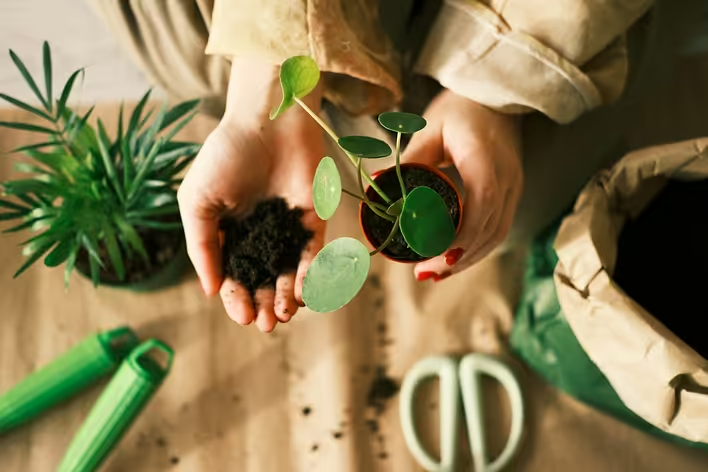
Plants are not just decor but living organisms that require care. Watering, repotting, observing growth — all this creates a sense of responsibility and involvement.
This process resembles a form of light therapy: caring for a plant helps shift attention away from one’s own worries and provides a sense of control and stability. And when a new leaf or flower appears — it’s a small but very real joy.
Natural stimulus for happiness
Our brain literally reacts to plants on a chemical level. Contact with nature can stimulate the production of “happiness hormones” — serotonin, dopamine, and endorphins.
This means that the joy from plants is not a fantasy or self-suggestion but a completely physiological reaction. Even a small bouquet or one plant on the table can provide this effect.
Rhythm of life and sense of time
Another interesting reason is that plants bring us back to natural cycles. They grow gradually, change over time, sometimes bloom, and sometimes “rest.” This creates a sense of rhythm and anticipation.
In a world of instant results and constant speed, plants teach patience. They remind us that not everything has to happen at once — and this, paradoxically, brings calm and satisfaction.
More kindness and calm
There are studies showing that contact with nature can make people more open, friendly, and even less aggressive. Plants create an environment where it is easier to relax, and thus — easier to interact with others.
Plants make us happier not because of one specific reason, but due to a combination of many factors. They calm, inspire, help focus, and create a sense of connection to something larger than everyday routine.
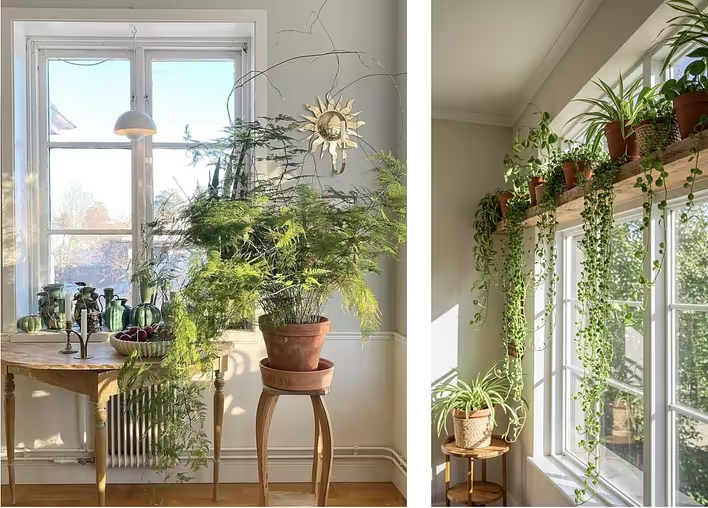
Perhaps that’s why even one small plant on the windowsill can change the mood of the entire day. It not only decorates the space — it brings life back into it.