This content has been automatically translated from Ukrainian.
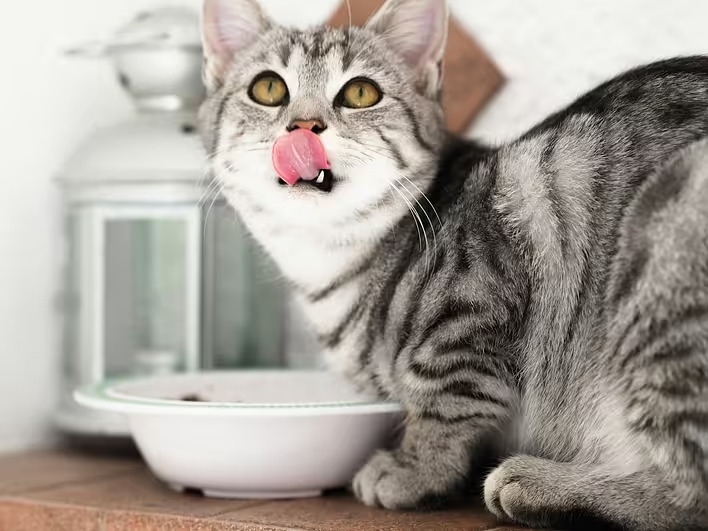
Many cats enjoy wet diets due to their pronounced aroma, soft texture, and high moisture content. They can serve as the basis for a daily menu or as a supplement to dry kibble.
Before buying wet cat food, it's important to determine the animal's age, activity level, sterilization status, and usual feeding habits. For a daily diet, only products with appropriate labeling and recommended daily allowances are suitable.
Benefits of Wet Food in a Cat's Diet
Thanks to the high moisture content, such food adds liquid to the menu. This does not eliminate the need for fresh water but can be beneficial for cats that drink reluctantly. The pronounced smell often helps to entice picky eaters, and the soft consistency is suitable for those who find it uncomfortable to chew hard kibble.
Portioned pouches are convenient to dose, and small cans allow you not to keep the opened product for too long. A wet diet does not replace a veterinarian's examination if a cat refuses to eat or is losing weight.
Types of Wet Food Available
There are pâtés, mousses, chunks in jelly or sauce, soups, and canned food available for sale. Pâté has a uniform texture, while chunks provide a different sensation during eating. Soups are most often used as a supplement rather than a standalone menu.
The texture is chosen based on the cat's habits, age, and oral health. If the animal suddenly stops chewing or experiences pain, it is advisable not to experiment with the format but to consult a specialist.
How to Read Information on the Packaging
First, look for the designation "complete" or "complementary." A complete product contains the necessary nutrients for daily feeding, provided it is given in the recommended amount. Complementary food should not completely replace the main menu.
Check the following information on the label:
- Source of protein. It should be clearly stated.
- Age category. The diet is chosen for the appropriate life stage.
- Caloric content. This is needed to control the daily allowance.
- Expiration date. The packaging should be intact and undamaged.
Also important are the ingredients, vitamin and mineral supplements, and feeding instructions. A separate word on the front of the packaging or an image of fillet does not fully characterize the product.
Food for Kittens, Adult, and Senior Cats
Kittens grow quickly and require a diet tailored for this period. Adult cat food does not always provide the necessary amount of energy and nutrients. For a healthy adult animal, the menu is selected based on weight and lifestyle.
Senior cats may move less or have chronic conditions. For them, monitoring body weight, appetite, and overall well-being is important. If there is a disease, changes to the diet should be made after consulting a veterinarian.
Features of the Diet for Sterilized Cats
After sterilization, some animals may have a reduced need for energy, and the risk of weight gain increases. Therefore, it is important to measure portions, monitor the cat's activity, and regularly assess its body weight.
A new product should not be introduced abruptly. Over several days, it should be gradually mixed with the usual food, increasing the proportion if digestion responds normally.
How to Combine Wet and Dry Diets
There are two common options: completely wet feeding with a complete product or a mixed menu. In both cases, it is necessary to consider all the energy the cat receives in a day. Adding a full pouch portion to a full portion of kibble is not advisable, as this often leads to overfeeding.
A convenient order of actions is as follows:
- Determine the daily allowance based on the cat's weight.
- Distribute it between wet and dry products.
- Feed at scheduled times, rather than constantly adding new portions.
- Check weight and body condition at regular intervals.
If the cat also eats treats, their caloric content needs to be accounted for separately. If necessary, the diet is adjusted gradually, observing appetite, bowel movements, and activity levels.
How Much Food to Give a Cat
The portion size depends on weight, age, activity level, caloric content of the product, and availability of other food. A large active cat and a small pet will not require the same amount of food. It is useful to regularly weigh your pet and assess whether its body shape is changing.
Constant feelings of hunger, rapid weight gain, or noticeable weight loss may require a review of the menu. The cause is not always solely related to portion size, so persistent changes should not be ignored.
Storage Rules
An opened package should be closed or the food transferred to a clean container and placed in the refrigerator. The exact usage period after opening is determined by the manufacturer, so the instructions on the label should be kept. Food should not be left in the bowl for long, especially in a warm room.
Before the next feeding, the bowl should be washed, and the product should not be served too cold. Clean dishes and adherence to storage conditions reduce the risk of food spoilage.
It is convenient to buy wet cat food in a specialized store using filters by age, purpose, brand, flavor, and packaging format. This helps compare several options rather than choosing randomly.
Like it?React
🧵
This post doesn't have any additions from the author yet.