This content has been automatically translated from Ukrainian.
Relevant appearance is not about expensive things and not about strict adherence to trends. It is about the ability to read the context and choose clothing that matches the situation in terms of formality, color, and cut. Casual wear, with the right approach, can cover most life situations — from a morning walk to a business meeting. On the page https://naviale.ua/zhinkam/povsyakdenyj-odyag, items are collected that combine the versatility of cut with a current silhouette. This article explains how to build looks that are appropriate in different contexts, based on the basic principles of style.
Levels of clothing formality and how to determine them
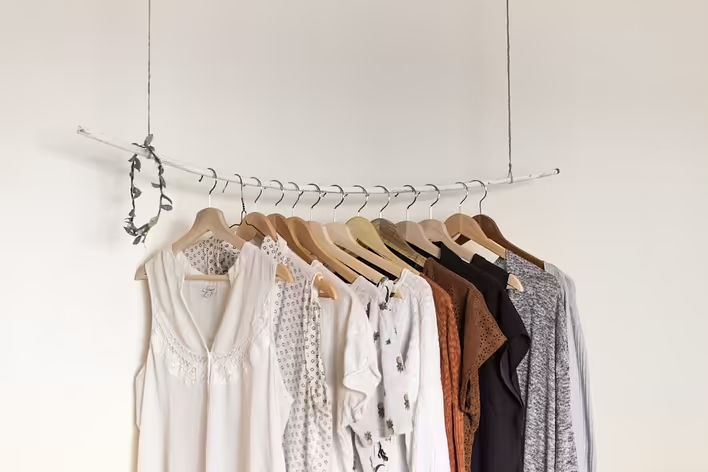
Every situation has its dress code — even if it is not explicitly stated. Understanding levels of formality allows for quick orientation when choosing an outfit. There are conditionally four levels: casual, smart casual, business casual, and formal. Casual wear encompasses the first three — and this is where most daily choices are concentrated.
Guidelines for each level look like this:
- casual — loose fit, soft fabrics, minimal structure; suitable for leisure and informal communication;
- smart casual — a combination of comfort and neatness; basic items with a clear fit and neutral palette;
- business casual — structured items without a strict suit; trousers, blouses, blazers in muted shades.
The boundaries between levels are blurred, but the general rule is simple: the more important the situation, the more structure and fewer bright details in the outfit.
How one basic item changes the level of an outfit
One element can significantly raise or lower the formality of an outfit. This is especially useful when the day is filled with various situations and there is no time for a complete change of clothes. A blazer over a t-shirt and jeans moves a casual look into the smart casual zone. Remove the blazer and add sneakers — and the look becomes casual again.
A versatile casual wardrobe is built not on the number of items, but on the ability of each to transform the look depending on the context.
The most effective outfit transformers are items with a clear structure: blazers, shirts, classic trousers, and minimalist dresses. They add formality to any combination and easily pair with more relaxed elements of the wardrobe.
Color and print as tools for managing appropriateness
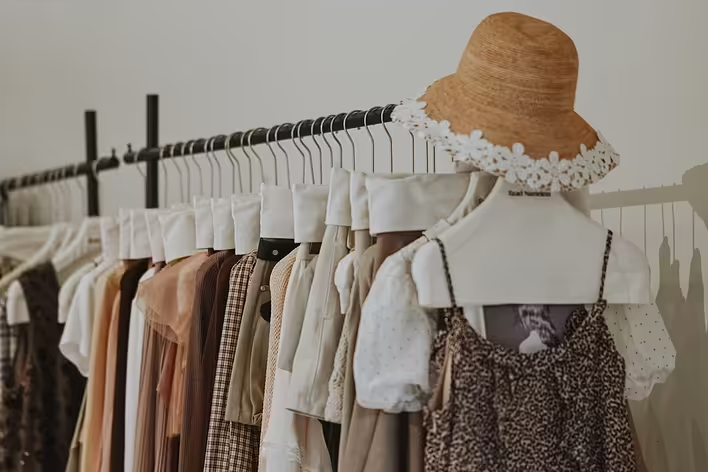
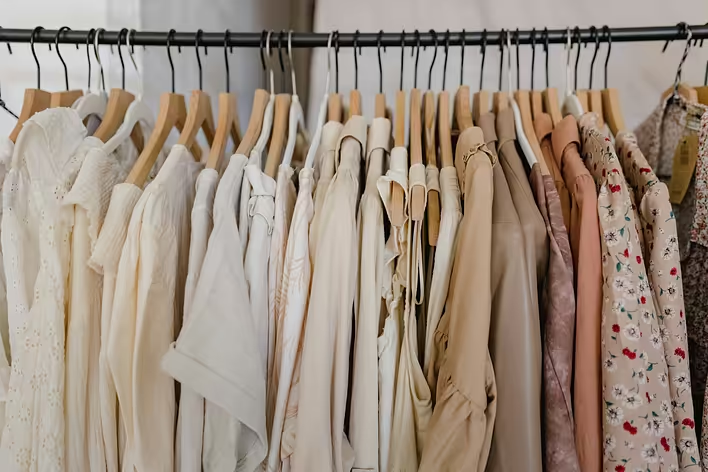
The color of the outfit is perceived first — even before the cut or fabric is noticed. Neutral shades — black, white, gray, beige, dark blue — are perceived as more formal. Bright or saturated colors add informality and are suitable for less official situations.
Print works on a similar logic. A small geometric or classic print in muted tones looks appropriate even in a business context. A large abstract or bright floral print is more suitable for leisure or informal communication.
The table below helps quickly orient when choosing color depending on the situation:
Accessories and shoes as the final accent of the outfit
Shoes and accessories complete the look and clarify its level of formality. The same trousers with sneakers look casual, with loafers — smart casual, with classic shoes — business casual. This principle allows for building several looks from a minimal set of items.
When choosing accessories, it is worth adhering to a few principles:
- the bag should match the level of formality of the clothing in shape and material;
- minimalist jewelry is suitable for most situations without the risk of looking inappropriate;
- a belt and shoes in the same material or shade visually unify the outfit.
An appropriate look is the result of several conscious decisions, not a happy accident. Understanding levels of formality, proper work with color, and thoughtful selection of accessories allow you to look confident in any situation every day.
Like it?React
🧵
This post doesn't have any additions from the author yet.