When it comes to pollination, most of us immediately think of bees collecting nectar, flitting between bright flowers in the sunlight. But in reality, this process is much more diverse and interesting. Besides bees, many other creatures participate in pollen transfer, including butterflies, flies, beetles, birds, some rodents, lizards, and even... bats.
Yes, these nocturnal creatures that we tend to associate with darkness and myths play a key role in the life of over 500 species of flowering plants.
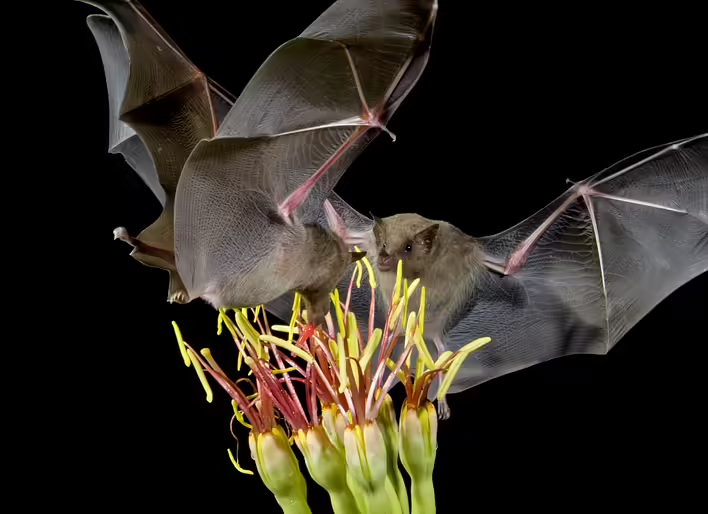
кажани виду Leptonycteris yerbabuenae - головні нічні запилювачі агав у Мексиці та південному заході США
Who else, besides bees, pollinates plants?
The world of pollination is multifaceted. Here is a list of the main pollinators:
Bees — the most well-known and effective pollinators. They specifically "collect" pollen.
Butterflies and moths — extract nectar with their long proboscises and often carry pollen between flowers.
Flies — especially hoverflies (Syrphidae), which resemble bees.
Beetles — among the oldest pollinators, although they are not always "neat" in this matter.
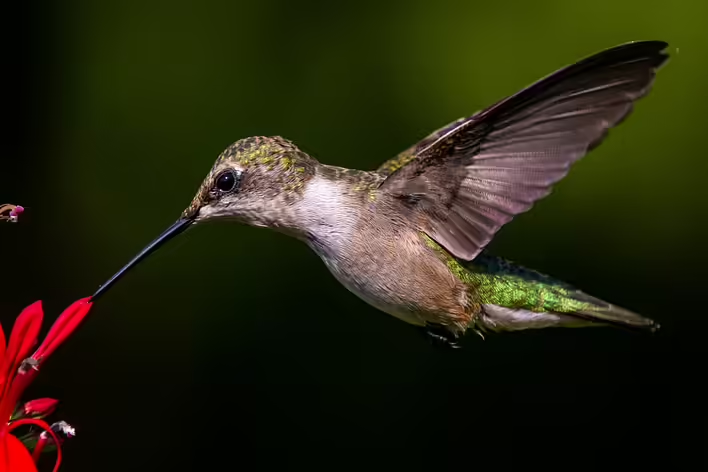
Birds — for example, hummingbirds or honeyeaters in Australia, which pollinate bright flowers with deep cups.
Small mammals — mice, opossums, and lemurs that feed on nectar.
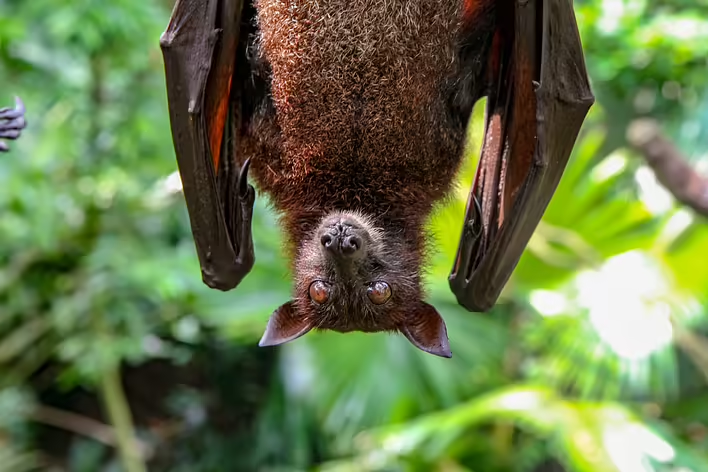
Bats — special nocturnal pollinators that we will discuss in more detail.
птах з родини Колібрієві (або коліброві)
How do bats pollinate plants?
The process in which bats transfer pollen is called chiropterophily (from Greek cheir — hand and pteron — wing). The most active pollinators among bats are representatives of the genera Glossophaga, Leptonycteris, Anoura, and some others. They have elongated snouts, long tongues, and specialized skull structures — all adapted for feeding on nectar.
Bats fly at night, orienting themselves using echolocation, and pollinate flowers that bloom specifically during the dark hours. These flowers typically:
are large and open (to make it easy to approach),
have a strong scent (attracting bats),
are often light-colored (better visible at night),
produce a lot of nectar.
The most well-known examples of plants that are pollinated by bats:
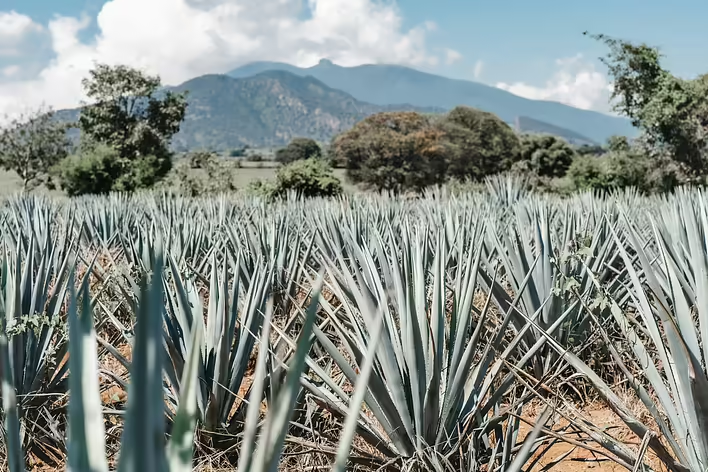
Agaves — particularly Agave tequilana, from which tequila is made.
Cacti — such as Saguaro in the deserts of North America.
Baobabs — in Africa.
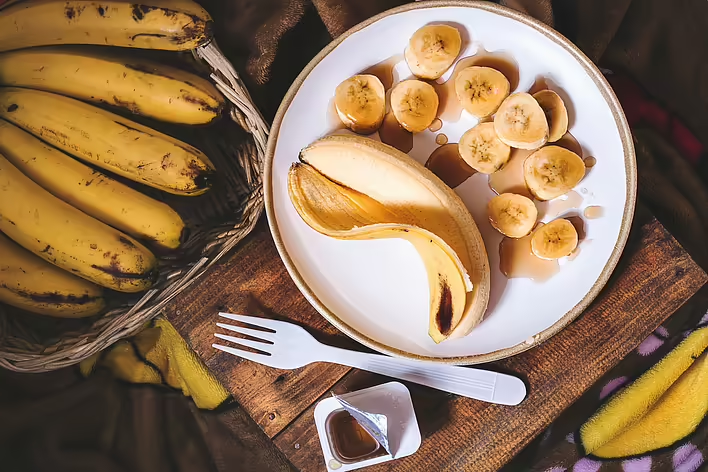
Some species of bananas — wild varieties.
плантація блакитної агави
Why is this important?
Bats provide genetic diversity for plants, maintain ecosystem health, and even support entire industries — for example, tequila production. Due to habitat loss, pesticide use, and climate change, bat populations are declining, which threatens not only the animals themselves but also the plants that depend on them.