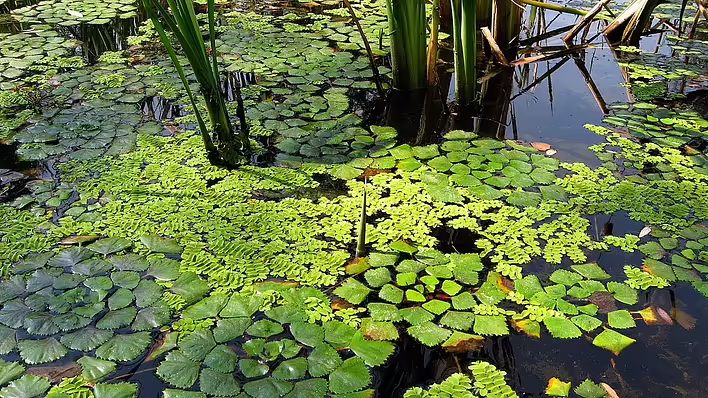
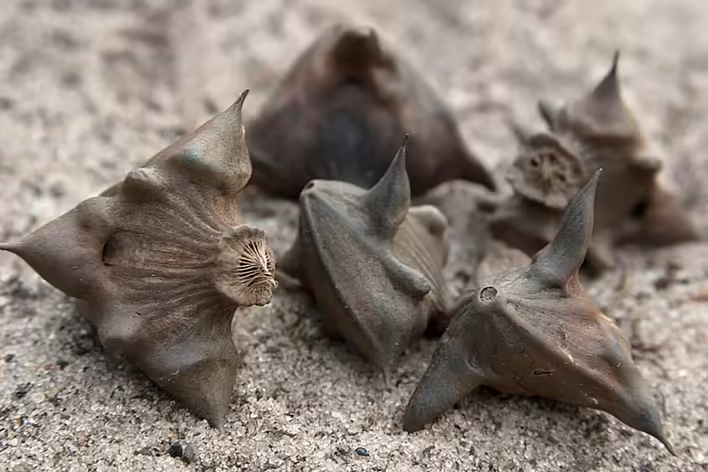
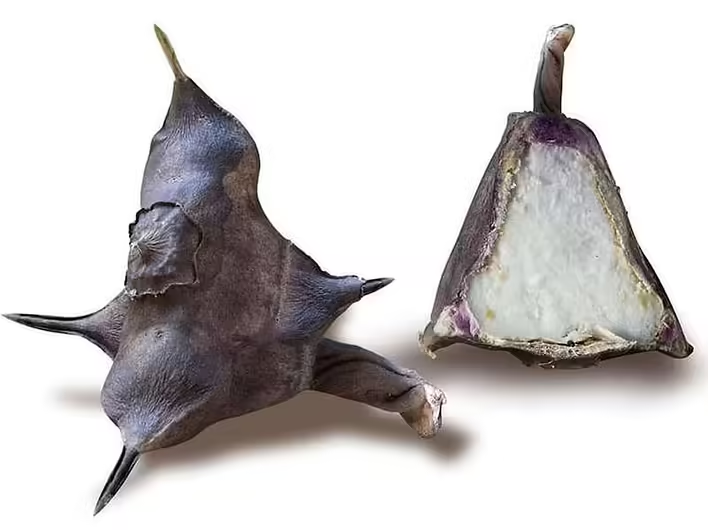
Water chestnut, or chilim(Trapa natans), is a unique aquatic plant that was once found in almost every lake or slow-flowing river in Ukraine. Its dark brown fruits, resembling small horns or bats, immediately catch the eye. But behind this strange appearance lies a long history, rich symbolism, and ancient folk beliefs.
Even in the times of Kievan Rus, the water chestnut was an important part of the diet. It was dried, crushed, and cooked into porridge, baked into bread or cakes. In times of famine, chilim even saved lives, as its fruits are nutritious — containing a lot of starch, proteins, and minerals. Archaeologists have found remnants of water chestnuts in the vessels of ancient Slavic settlements, indicating that this plant was not only known but also revered.
In folk culture, chilim had special symbolism. Due to its “horned” appearance, it was considered a talisman against evil spirits. The nuts were dried and hung in the house or placed in a baby's cradle to protect against the evil eye. At the same time, the shape of the fruit resembled a heart, so in some regions it became a symbol of love and unity. There are records that girls would give water chestnuts to boys as a sign of affection — a kind of talisman for their relationships.
Over time, the plant disappeared from most Ukrainian water bodies due to the draining of swamps and climate change. Today, the water chestnut is listed in the Red Book of Ukraine — it can only be seen in certain nature reserves or old bays of the Dnieper, Desna, and Polissya.
Despite this, the memory of “devil's nut”, as it was sometimes called — with respect and a hint of fear — still lives on in folklore. The water chestnut remains a symbol of ancient harmony between humans and nature, reminding us of how much interesting life ordinary Ukrainian water bodies hide.