This content has been automatically translated from Ukrainian.
In the world of commerce, nostalgia has long ceased to be just an emotion — it has become a commodity that attracts buyers, awakens memories of the past, and makes them spend money in the “present.” Phrases like “like in childhood,” “in your favorites,” “bringing back the classics” work in marketing just as well as discounts or promotions. But why? And how exactly do brands turn memories into profit?
Why Nostalgia Works as a Marketing Mechanism
Nostalgia is an emotional response associated with warm memories of the past: carefree childhood years, first love, favorite toys, or television shows. It activates positive emotions, reduces anxiety levels, and is linked to a sense of security. Brands know this — and use it.
The economy of nostalgia is based on three principles:
- Reconstruction of Memories — brands bring familiar elements from the past back to life.
- Reframing — packaging the old in a modern context.
- Exclusivity — limited editions or “retro releases” as a way to create scarcity.
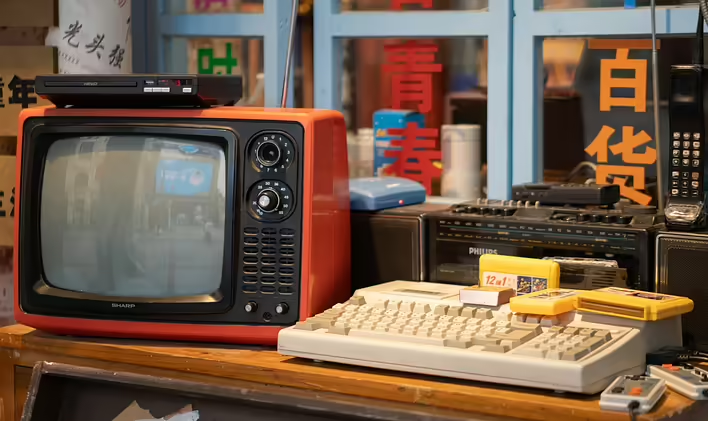
How the Industry Sells Nostalgia
Video Games: Remakes and Re-releases
The gaming industry is one of the most powerful sellers of nostalgia.
- Super Mario Bros. / The Legend of Zelda: classic NES/SNES games are constantly reconfigured, remade, and re-released on new Nintendo consoles. New generations play the same classic plots, while older players return to familiar worlds.
- Final Fantasy VII Remake — the long-awaited return of the legendary JRPG in modern graphics and with a new presentation of plot points. Old fans bought the game for the memories, while new ones did so for the story they had heard about.
- Crash Bandicoot N. Sane Trilogy / Spyro Reignited Trilogy — remasters of cult platformers from the 90s that sold in huge quantities.
These re-releases work on two levels: they bring adult gamers back to their youth and introduce a new audience to the classics.
Movies and Series: The Return of Familiar Worlds
Film and television also actively monetize nostalgia.
- “Star Wars”: the return of beloved characters with new plots makes the franchise appealing to both fans of the original and new viewers.
- Stranger Things: the series itself is an ode to the 80s: music, style, and plot references to the pop culture of that time sell just as well as the episodes of the show.
- Series Remakes: “Quantum Leap,” “Gamers” (reboots of cult shows from the 90s/00s) receive sales boosts thanks to the familiar title.
Television Advertising and Music
Advertisers eagerly add “retro” aesthetics:
- Reproducing soundtracks from the 80s or 90s in advertisements (Nike, Coca-Cola, McDonald’s) is not accidental: musical motifs evoke emotions immediately.
- Using familiar symbols and visual styles makes the brand closer, “one of us.”
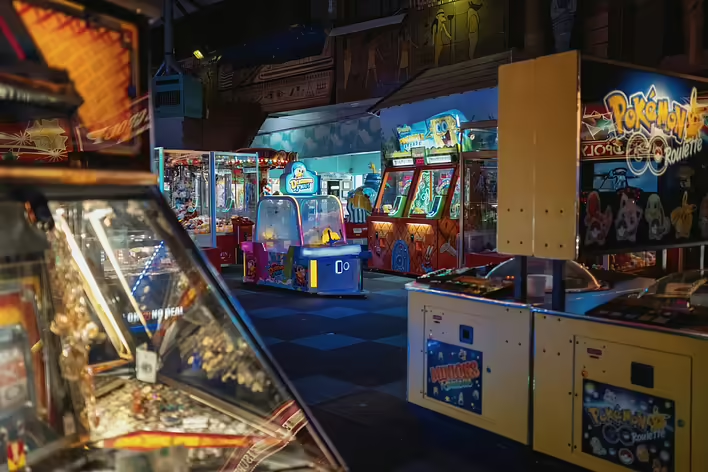
Products that are becoming trendy again simply due to associations with childhood:
- Retro snacks / limited editions: the return of old recipes for candies, bars, or popular drinks in retro packaging.
- Coca-Cola and Pepsi periodically release “nostalgia cans” — cans with old designs that instantly become collectible.
Fashion: Street Style Brings Back the 90s
Fashion brands have been reviving:
- Baggy jeans, crop tops, chokers — popular in the 90s, back in trend.
- Vintage-style logos on t-shirts and hoodies (Oldschool Adidas, Nike Classics, Levi’s Vintage).
- Second-hand and vintage shops have become iconic places for youth seeking style with “soul.”
When Memories Become a Commodity
Nostalgia is sold not because the past was perfect, but because we remember it that way. The industry works not with reality, but with an emotional reconstruction of memories — softer, warmer, without anxieties and complicated details. That’s why remakes, retro design, and “bringing back the classics” evoke trust faster than new ideas.
From a psychological perspective, nostalgia gives a person a sense of stability and continuity: if something familiar returns, it means the world is not so chaotic. During periods of social uncertainty, crisis, or rapid change, the demand for nostalgic products increases — they serve as an emotional anchor.

But therein lies a trap. When the past becomes an endless source of inspiration, culture risks getting stuck in a cycle of repetitions. Nostalgia begins not only to sell memories but also to substitute the future, offering comfort instead of development.
Like it?React
🧵
This post doesn't have any additions from the author yet.