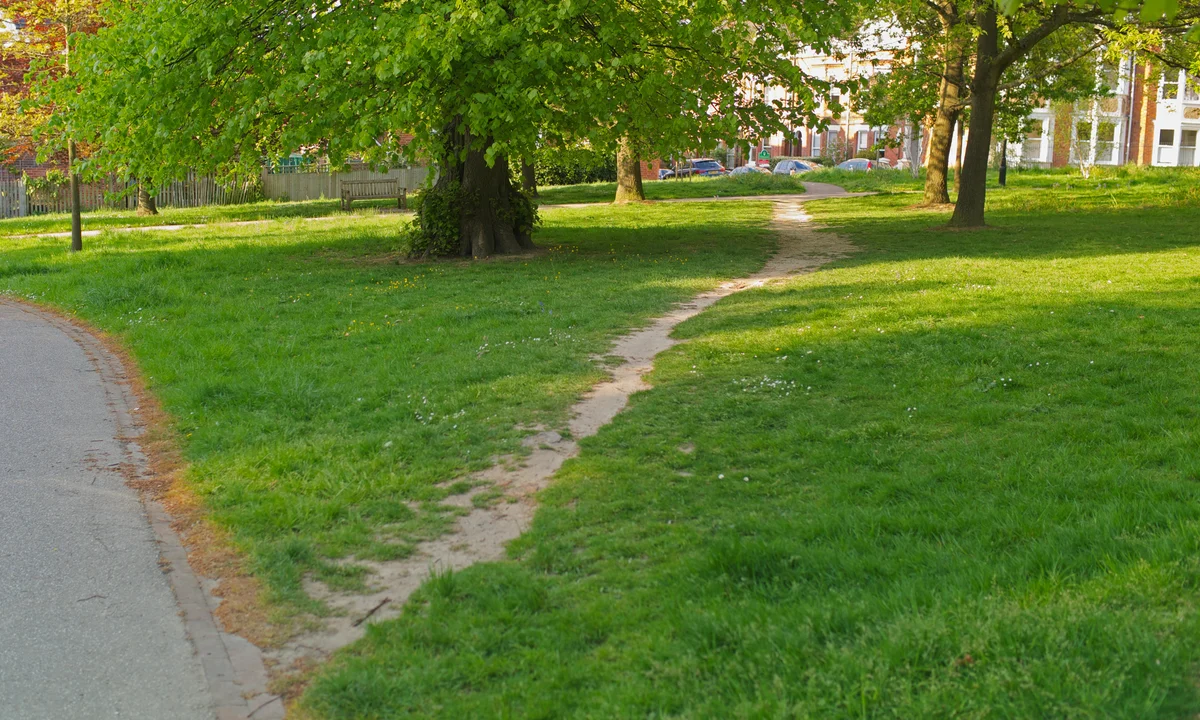
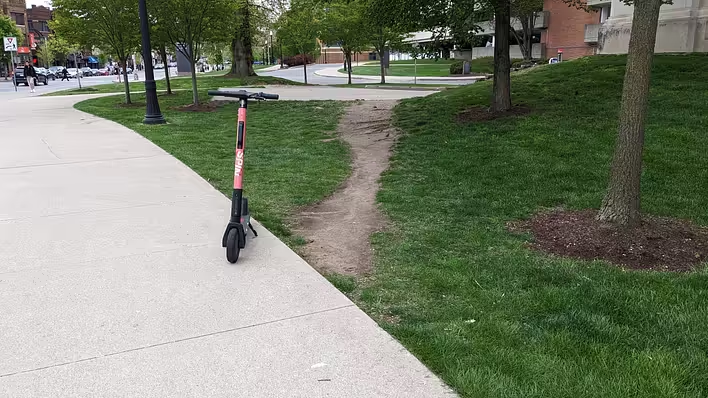
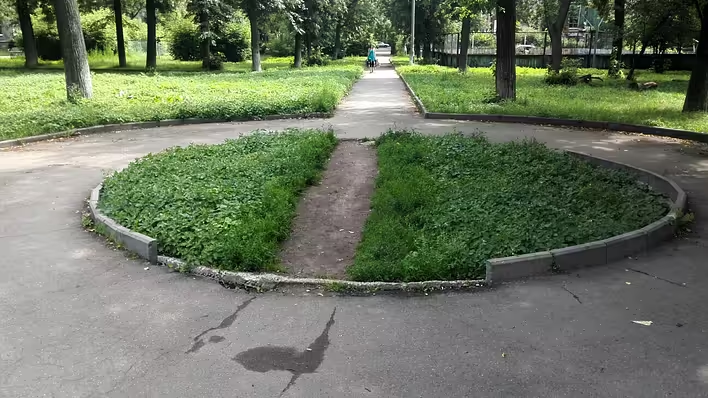
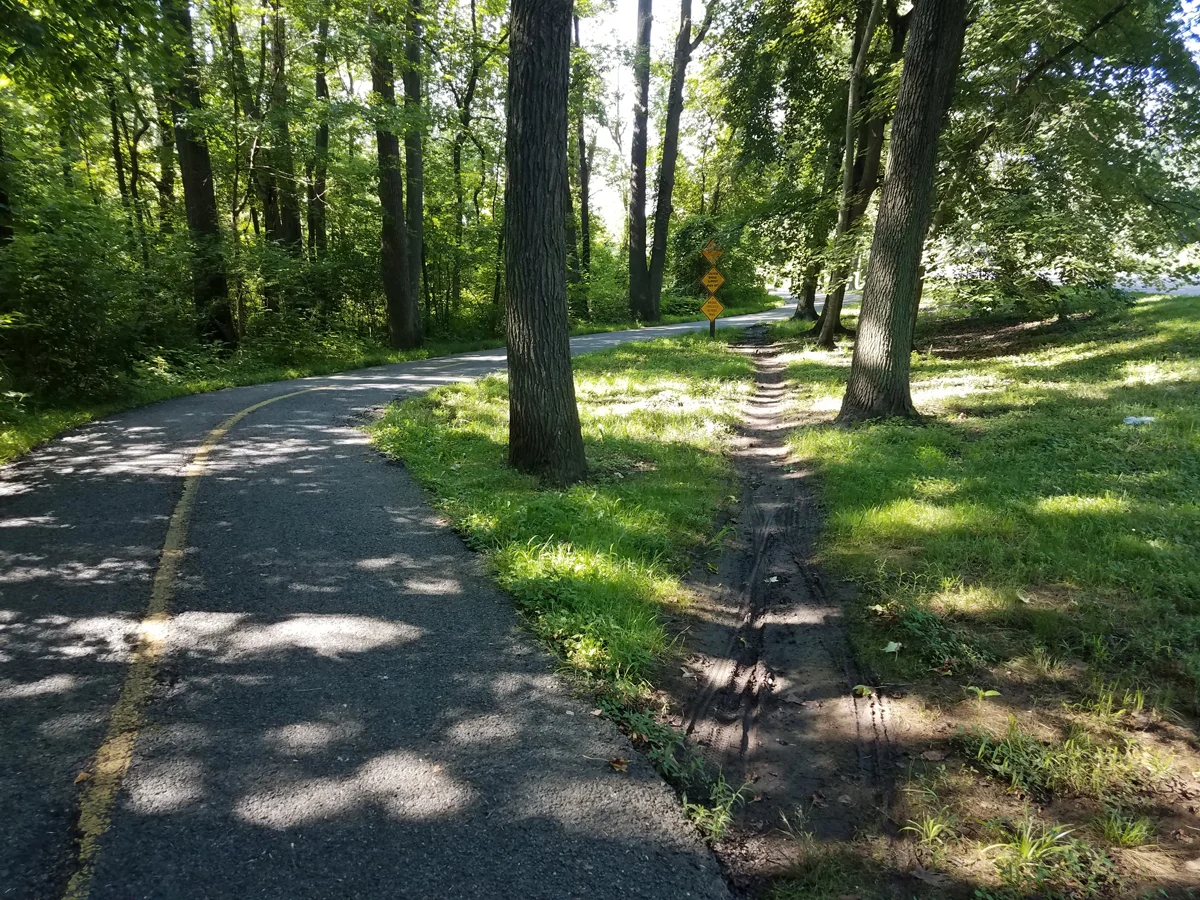
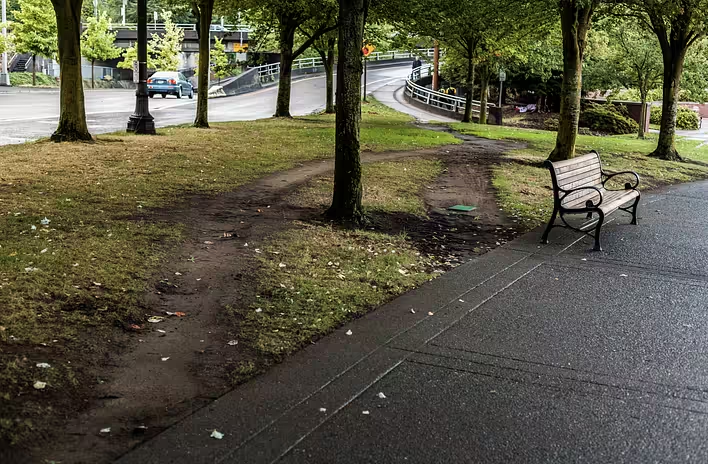
Imagine a new park. Architects have carefully planned the layout of the paths, builders have neatly laid the tiles, and landscape designers have planted lawns. Everything seems perfect. However, just a few weeks later, a narrow worn path appears in the middle of the green lawn, cutting through the park not where the project intended.
For city officials, this may seem like a problem. For urbanists, it is a valuable hint. Such unofficial paths are called desire paths.
This is one of the most interesting examples of how city residents interact with their environment daily and inadvertently show how it should actually be.
What is a desire path
The term desire path originated in English-speaking urbanism and landscape design. In Ukrainian, it is most often translated as "стежка бажання". At the same time, among specialists and in popular publications, you can also encounter the term "стихійна стежка", which emphasizes the natural, unplanned emergence of such a route.
It refers to a path that people create themselves, contrary to officially designed paths.
Such paths can be seen everywhere: in parks, squares, on university campuses, residential areas, and even near major transport hubs. They arise when people intuitively choose the most convenient way to reach their destination.
In fact, this is a natural manifestation of human behavior in an urban environment.
Why people don’t walk where they are told
At first glance, it may seem that desire paths appear out of laziness. In reality, it is much more interesting.
A person almost automatically seeks to move by the shortest, fastest, or most convenient route. If the official path forces a detour, most people will sooner or later start cutting across the lawn.
This is especially noticeable near public transport stops, metro stations, educational institutions, or shopping centers. Every day, hundreds or thousands of people repeat the same route. Even if each of them deviates slightly from the official path, over time a clear worn path forms.
Thus, city dwellers seem to vote with their feet for more convenient land use planning.
Natural audit of urban design
Urbanists often call desire paths the most honest form of assessing the urban environment.
An architect can create a beautiful project, but it is the people who show how well it meets real needs. If the same unofficial paths constantly emerge in a large area, it indicates that the initial planning has flaws.
In fact, a desire path is a free source of data about user behavior in space.
In the digital world, companies analyze cursor movements and user clicks. In the city, worn paths perform a similar role.
When architects deliberately wait
There is a popular story about some university campuses and parks where, after construction was completed, they did not rush to lay all the pedestrian paths. Initially, people were allowed to move freely across the area for a certain period, and only then were the routes that emerged naturally established.
Regardless of how true all such stories are, the very idea reflects the modern approach to urbanism well. Instead of imposing a certain way of using space on people, one can first observe their behavior.
In many cases, the result turns out to be much more effective.
Not just in cities
Desire paths exist not only in urbanized environments.
They can be found in forests, on hiking trails, in the mountains, and even on beaches. People instinctively seek the most convenient path regardless of whether they are among skyscrapers or in the wilderness.
Interestingly, similar behavior is also exhibited by animals. Many forest paths initially emerged as animal crossings, which were later used by humans.
When a path becomes a problem
Despite the romantic image, desire paths do not always bring benefits.
In conservation areas, they can damage vegetation, contribute to soil erosion, and disrupt local ecosystems. In urban parks, a large number of spontaneous paths sometimes leads to the destruction of lawns and flower beds.
That is why urban planners are forced to seek a balance between convenience for people and environmental preservation.
Sometimes a path is officially turned into a walkway. In other cases, the area is protected by hedges, decorative plantings, or other landscaping elements.