Table of contentsClick link to navigate to the desired location
This content has been automatically translated from Ukrainian.
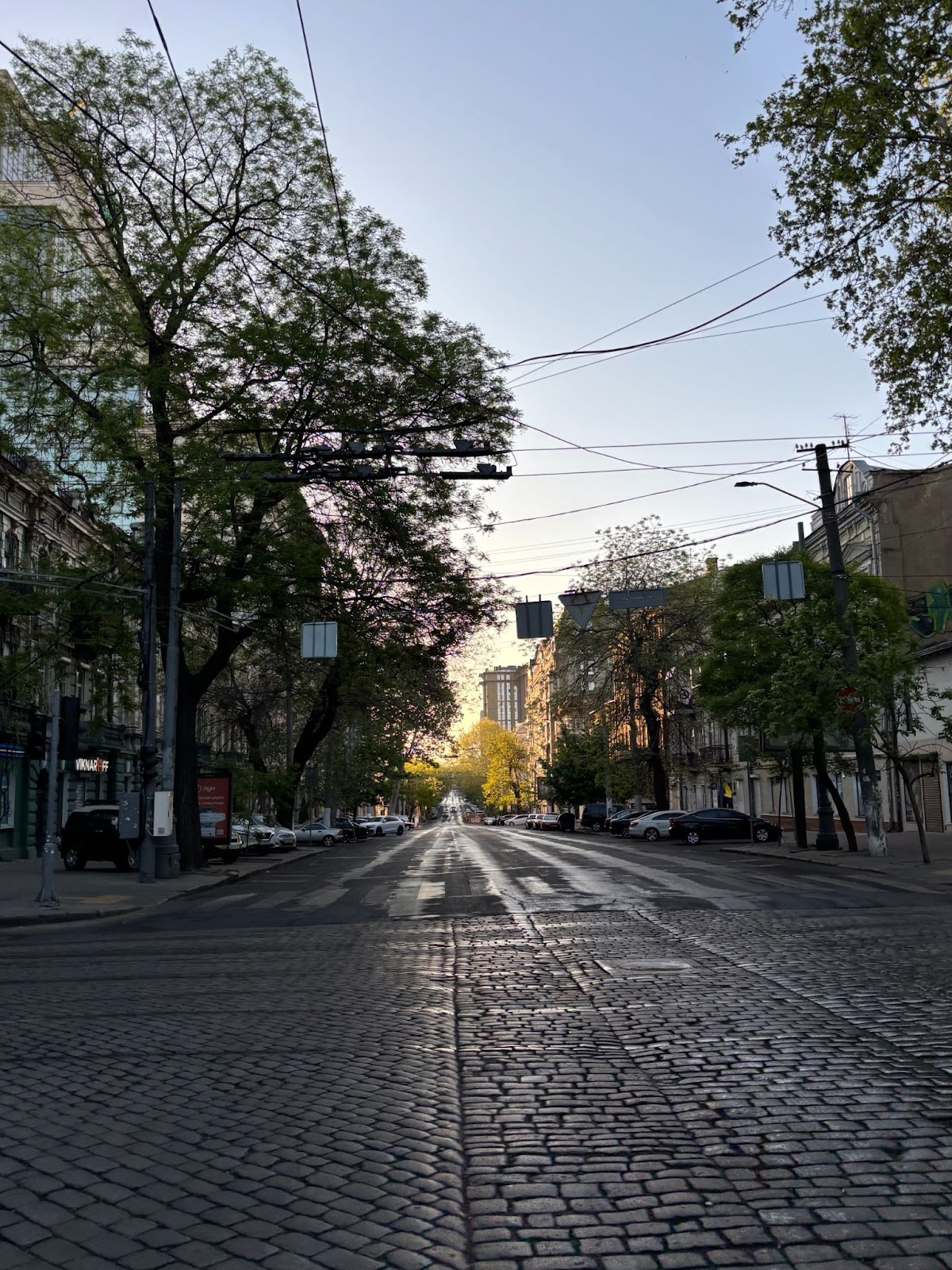
This spring, specifically at the beginning of May, I was lucky enough to visit Odessa, a city that immediately made a positive impression as I walked from the train station. Walking down Italian Street, it was half past six in the morning right after the Kyiv-Odessa train, I was pleased to see that the city was washing its roads. From early morning, cleaning machines were driving through the streets of the city. At first, I wondered if it had rained? because there was a very pleasant smell of freshness and cleanliness. In fact, it may be a standard procedure in every city, but having lived for a certain period in Lviv and Kyiv, I hadn't noticed this, although perhaps I just wasn't paying attention. At least in Kyiv, from the very early hours of the curfew until late evening, the streets are densely filled with vehicles.
Greening of the City
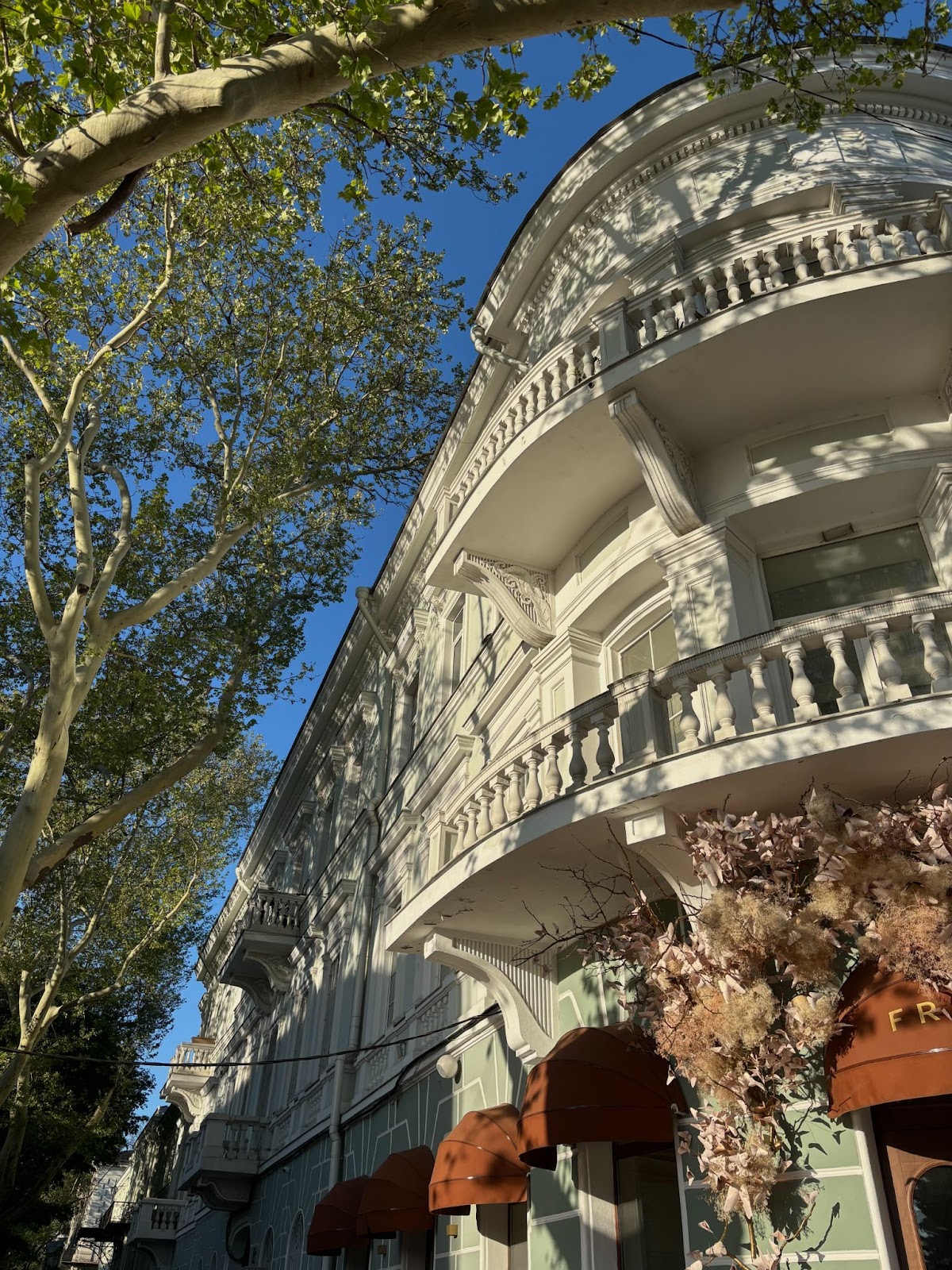
While visiting Odessa, we stayed on Deribasivska Street and mostly walked around this area, but the places we visited were memorable for their large amount of greenery.
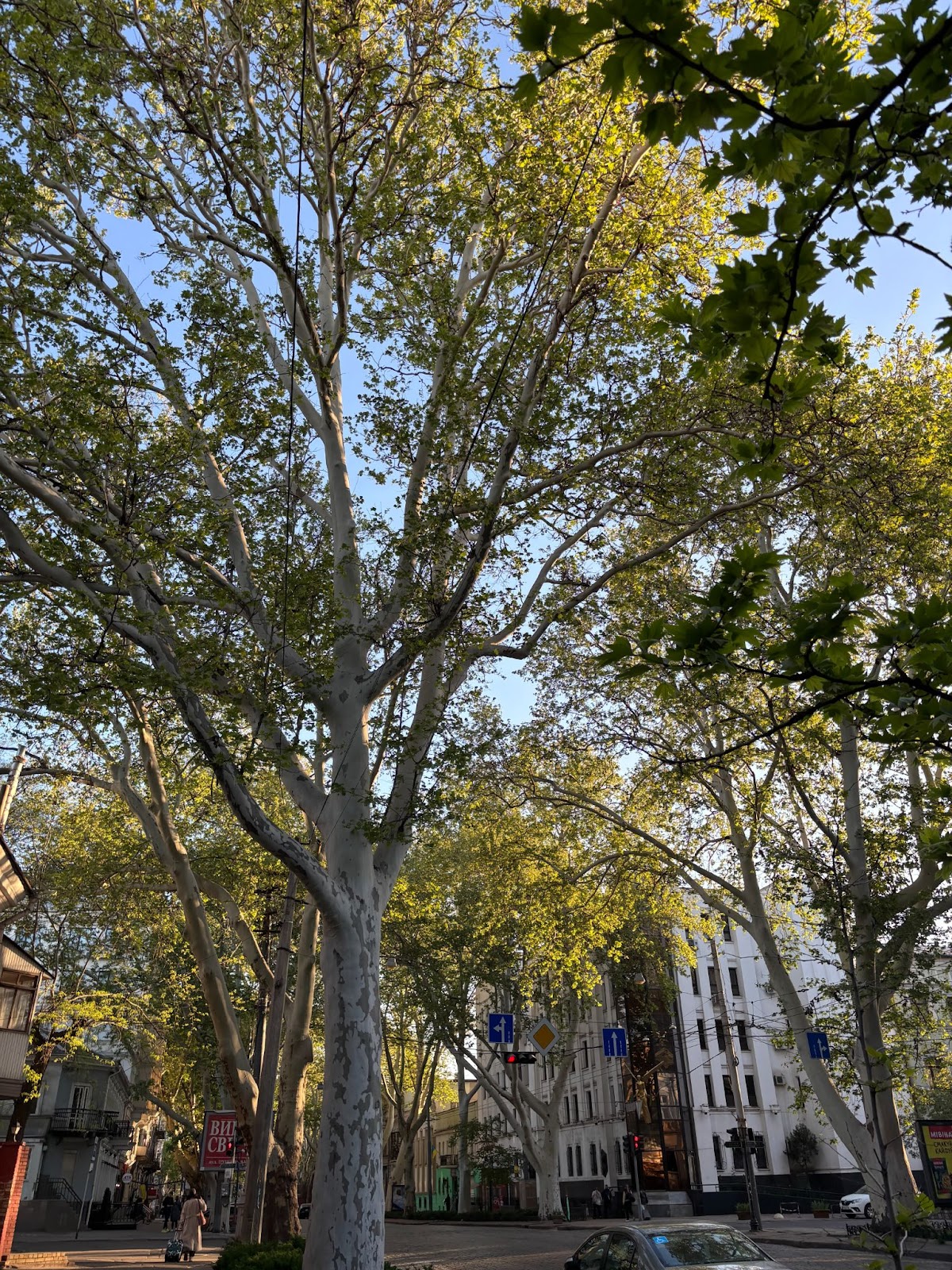
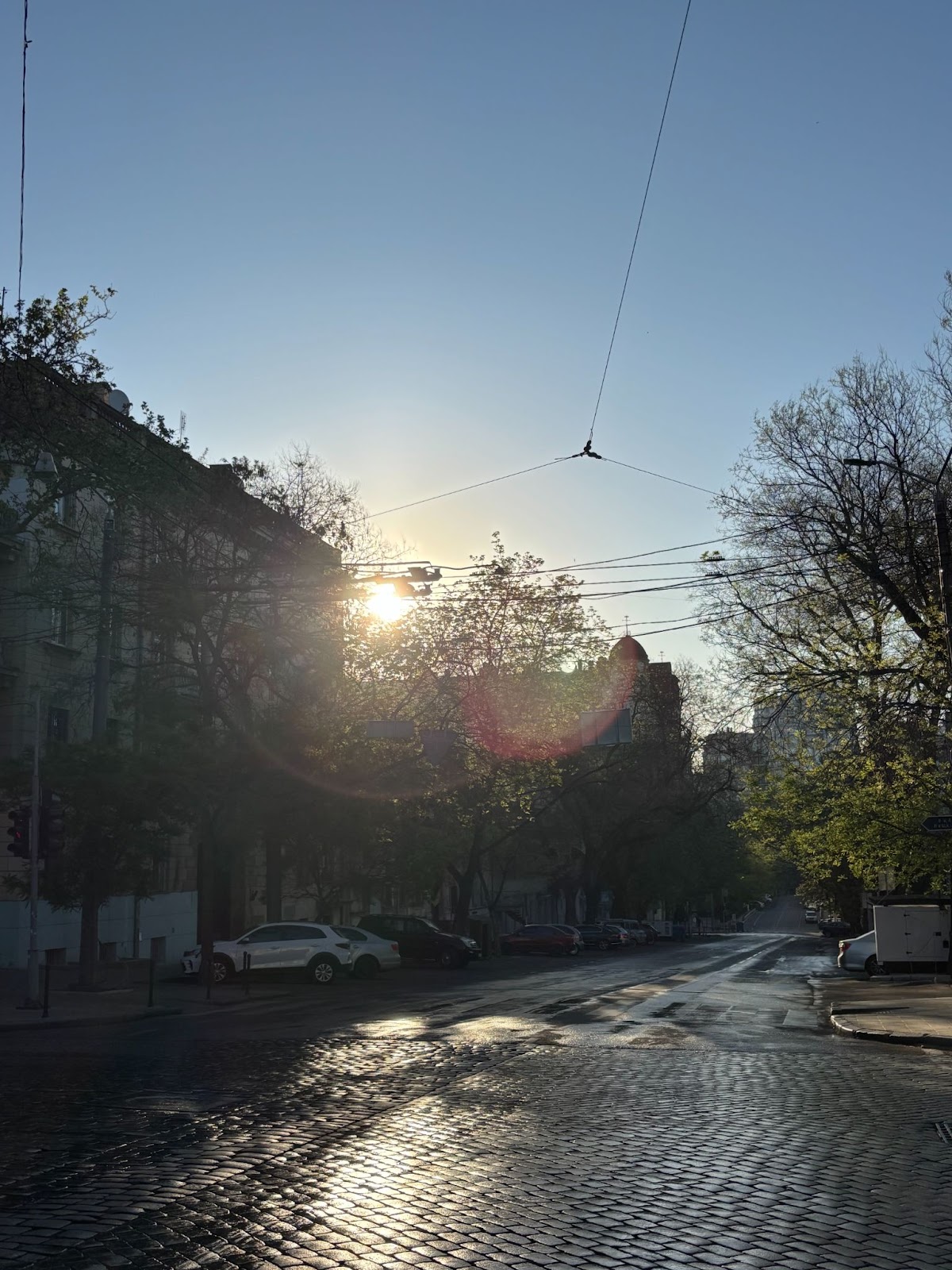
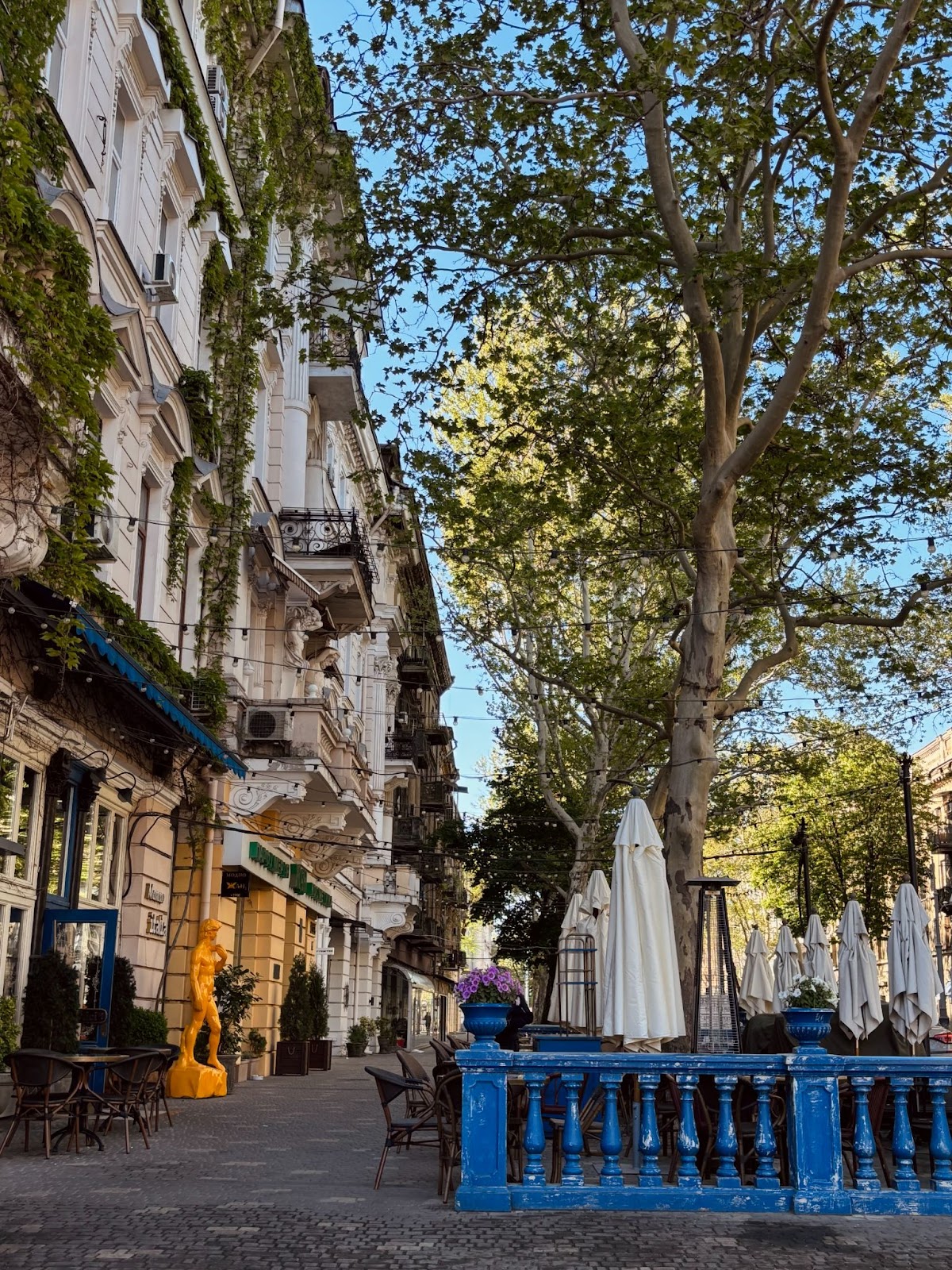
The photo shows the same Italian Street, along which Plane trees are planted. It creates a very comfortable environment, the trees provide shade, and I immediately noticed how much easier it is to breathe. It was Saturday. In the morning, the roads in this part of the city were not congested with traffic, and a measured pace of life could be felt. Also, it was pleasant to hear the birds singing. The sun rises, the birds sing, and it becomes easier to breathe in quiet morning Odessa.
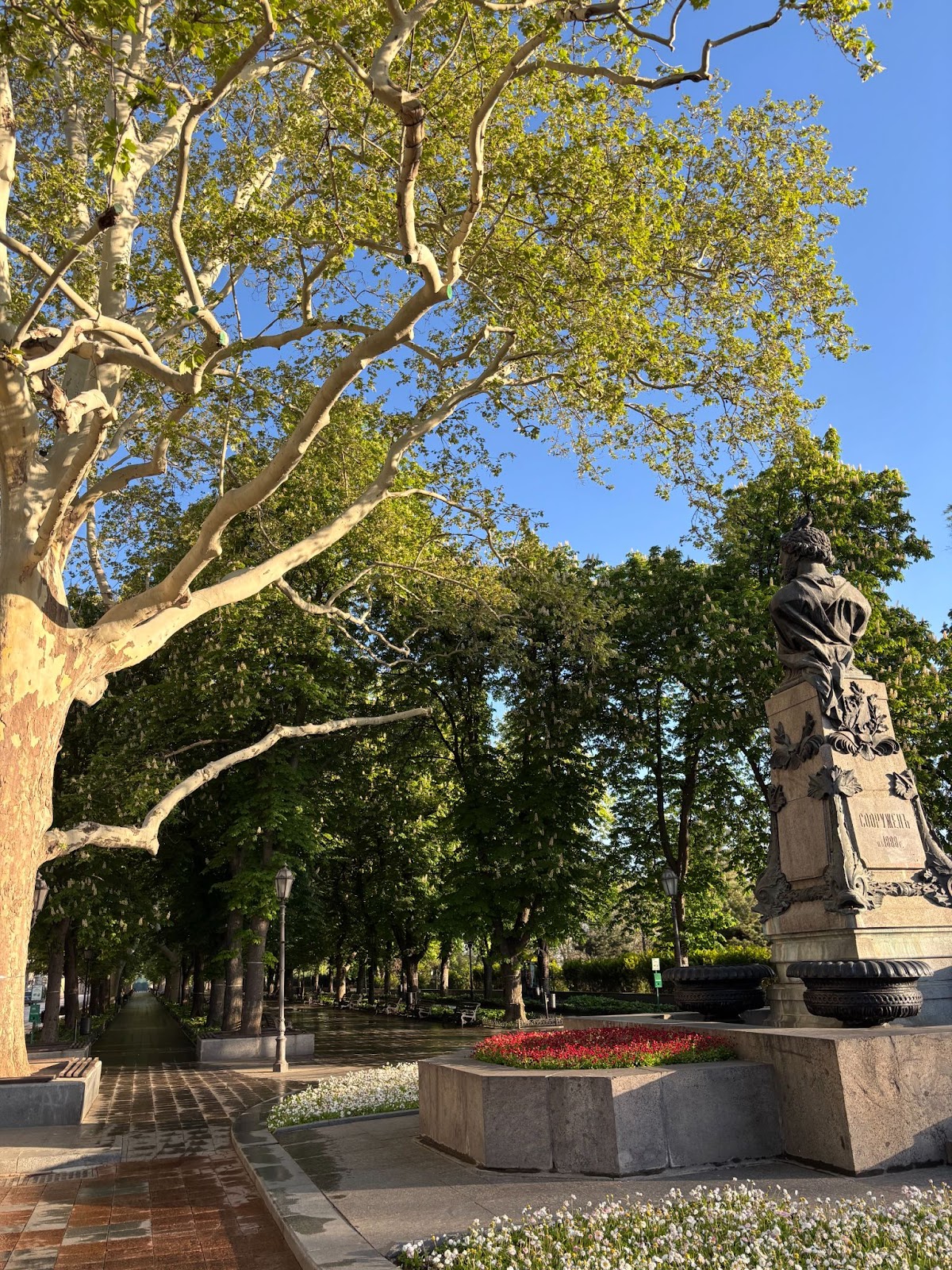
Dumska Square (officially named Birzha Square since July 2024) is located in the historical center of Odessa near Istanbul Park.
The street Italian (formerly Pushkinska) begins from the square, where a monument to O.S. Pushkin is installed.
Currently, there is a discussion in Odessa regarding its dismantling or relocation. There is an order from the head of the Odessa OVA for its demolition, but the city authorities state that it is necessary to coordinate with UNESCO, as the monument is located in a protected area.
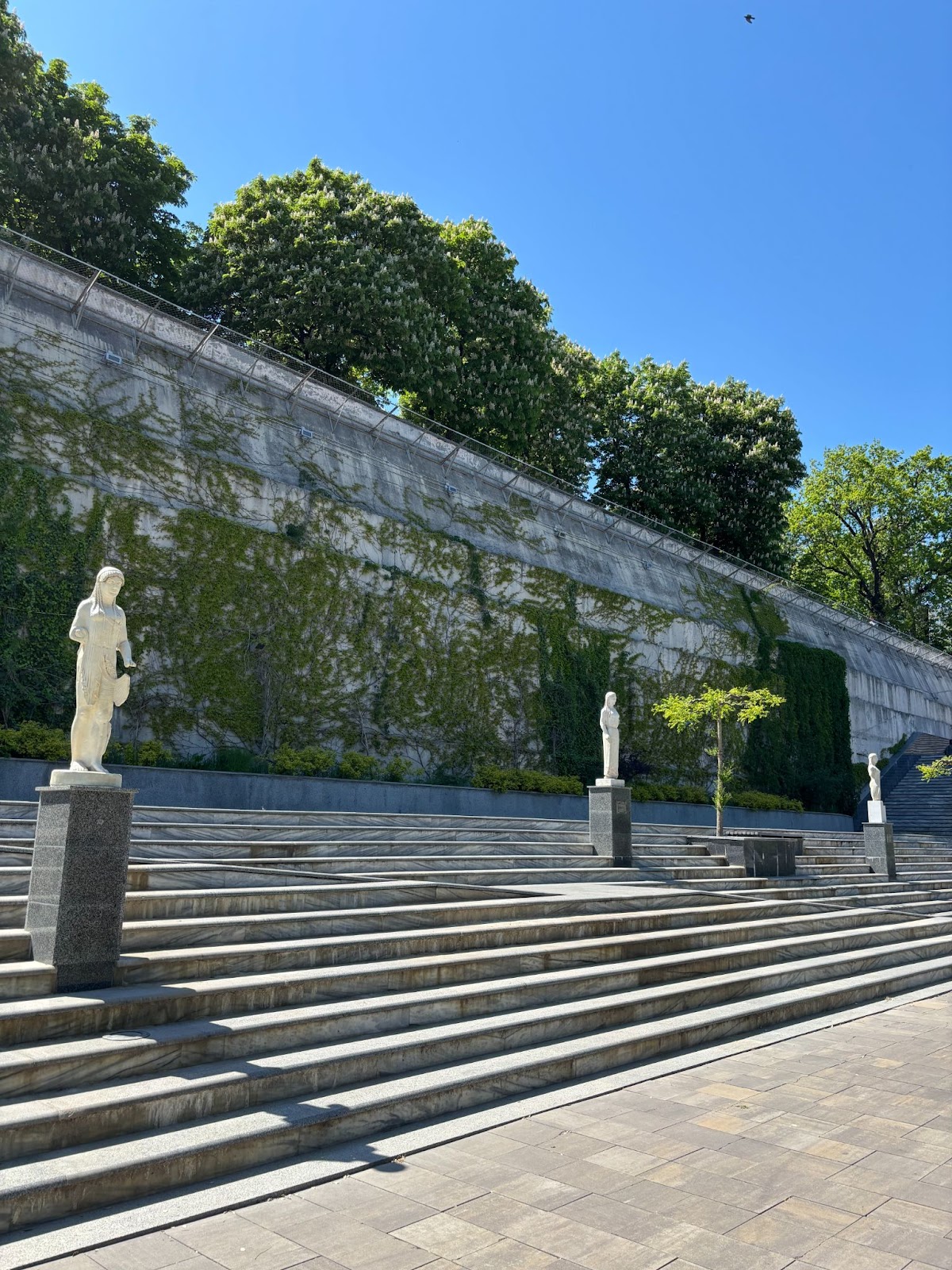
The Greek Park is located near the Potemkin Stairs, on the slopes under Primorsky Boulevard. The photo shows a massive retaining wall with vertical greenery, which helps reduce the surface temperature of the wall in summer, decreasing the "heat island" effect.
Architecture of the City
Among the cities of Ukraine that I have visited (there are actually not that many), Odessa turned out to be the most refined and aesthetically appealing compared to other cities. Again, I emphasize that I mostly walked around the center. But this architecture, the facades, and the well-preserved design code of the buildings played an important role in my perception and impression of the city as a whole. All the buildings are restored, bright, not high, and sufficiently low-density development.
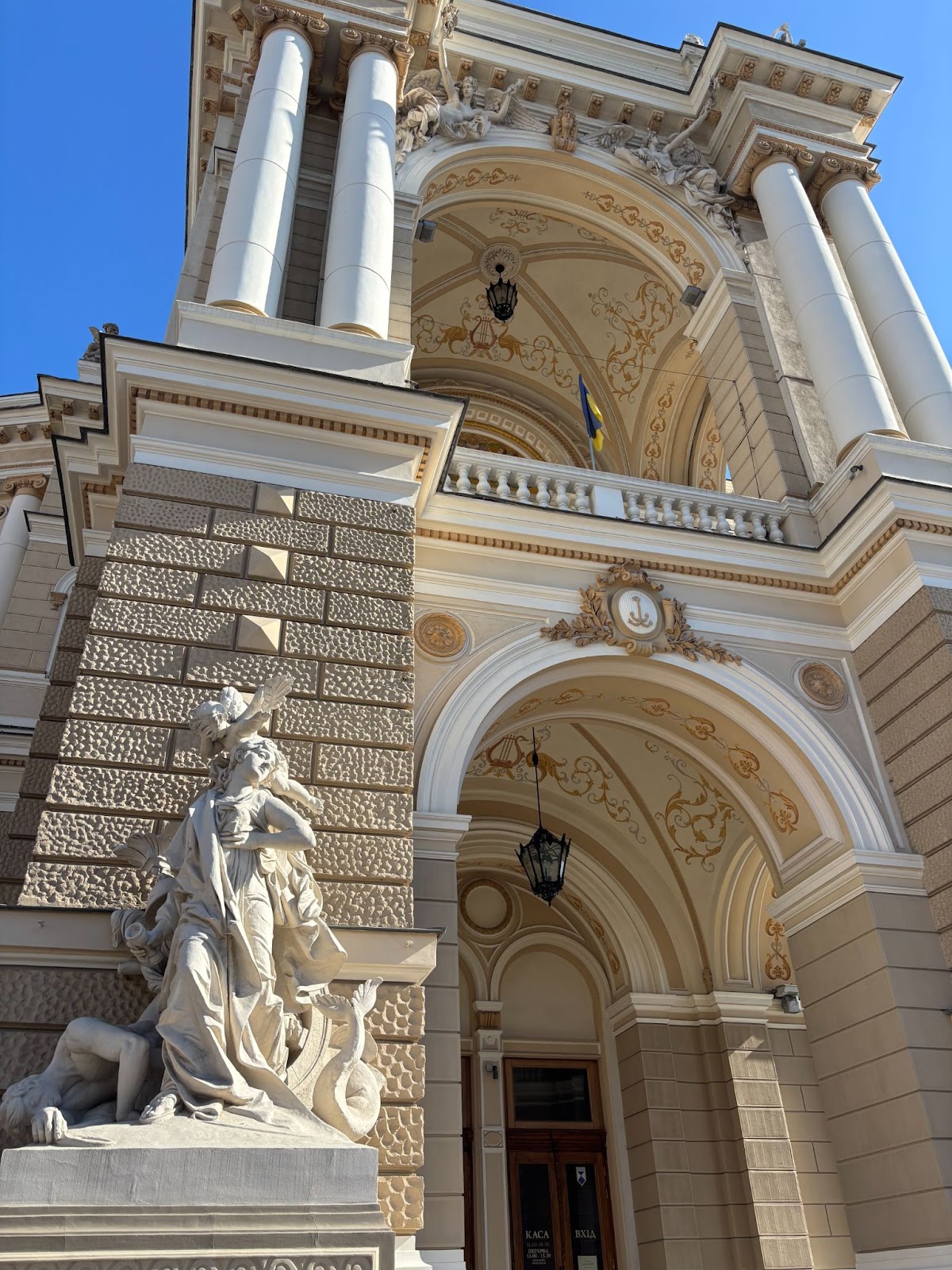
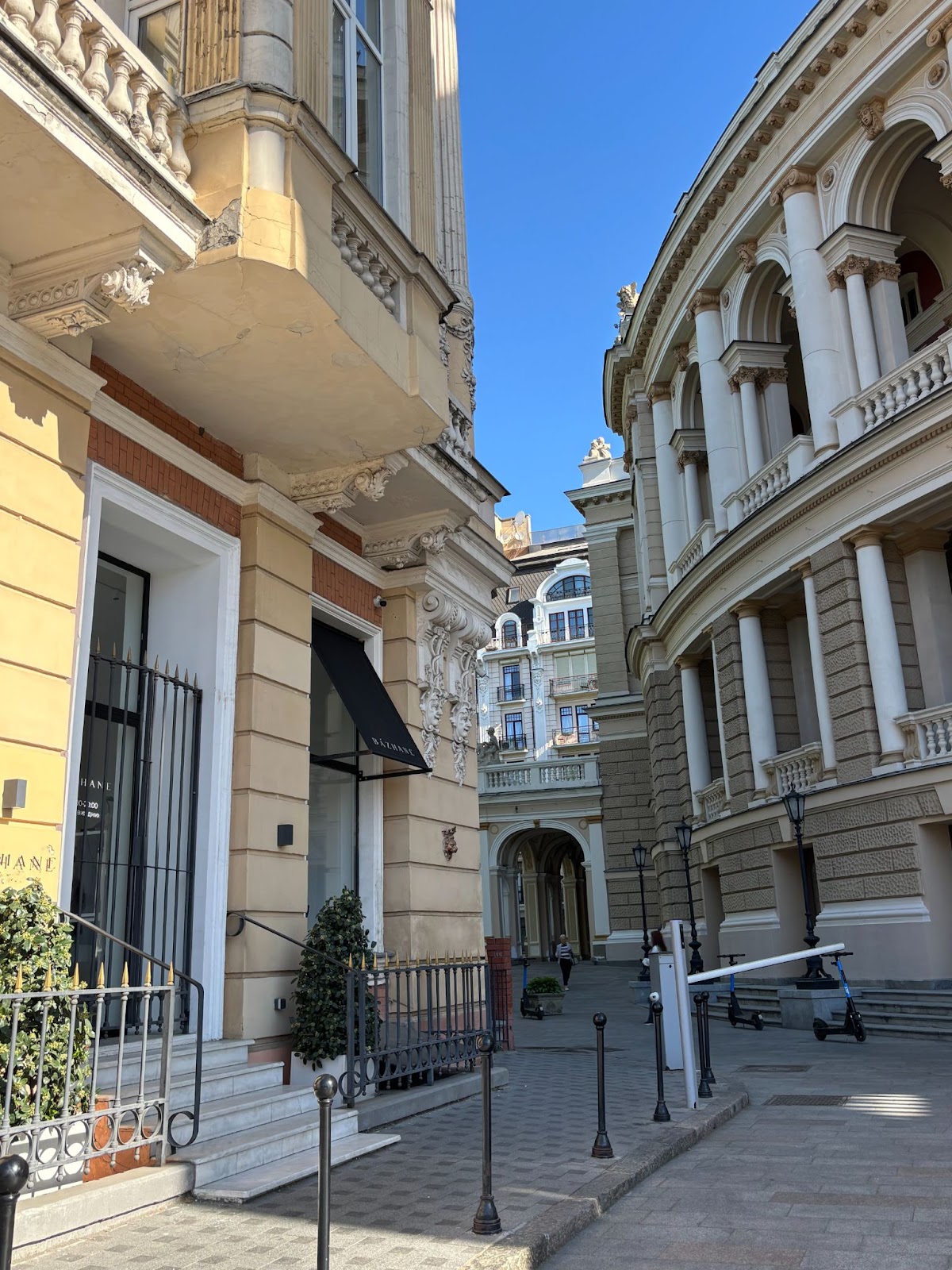
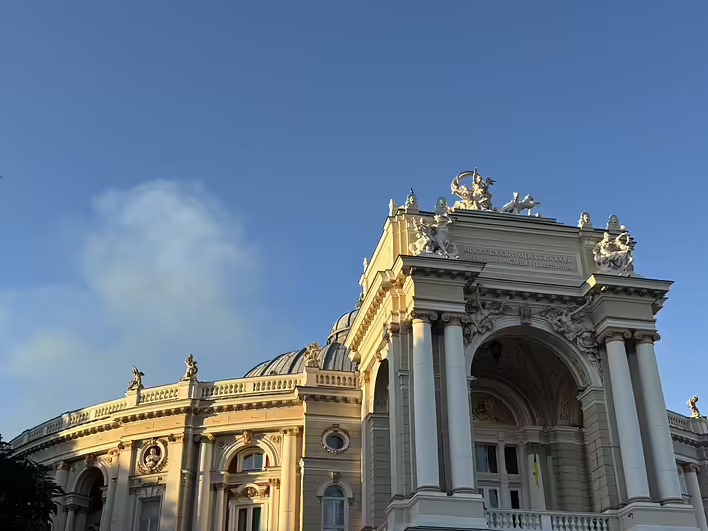
Odessa National Academic Theater of Opera and Ballet is a vivid example of Viennese Baroque with elements of Rococo and Renaissance. The architects Ferdinand Fellner and Hermann Helmer (authors of many European opera theaters).
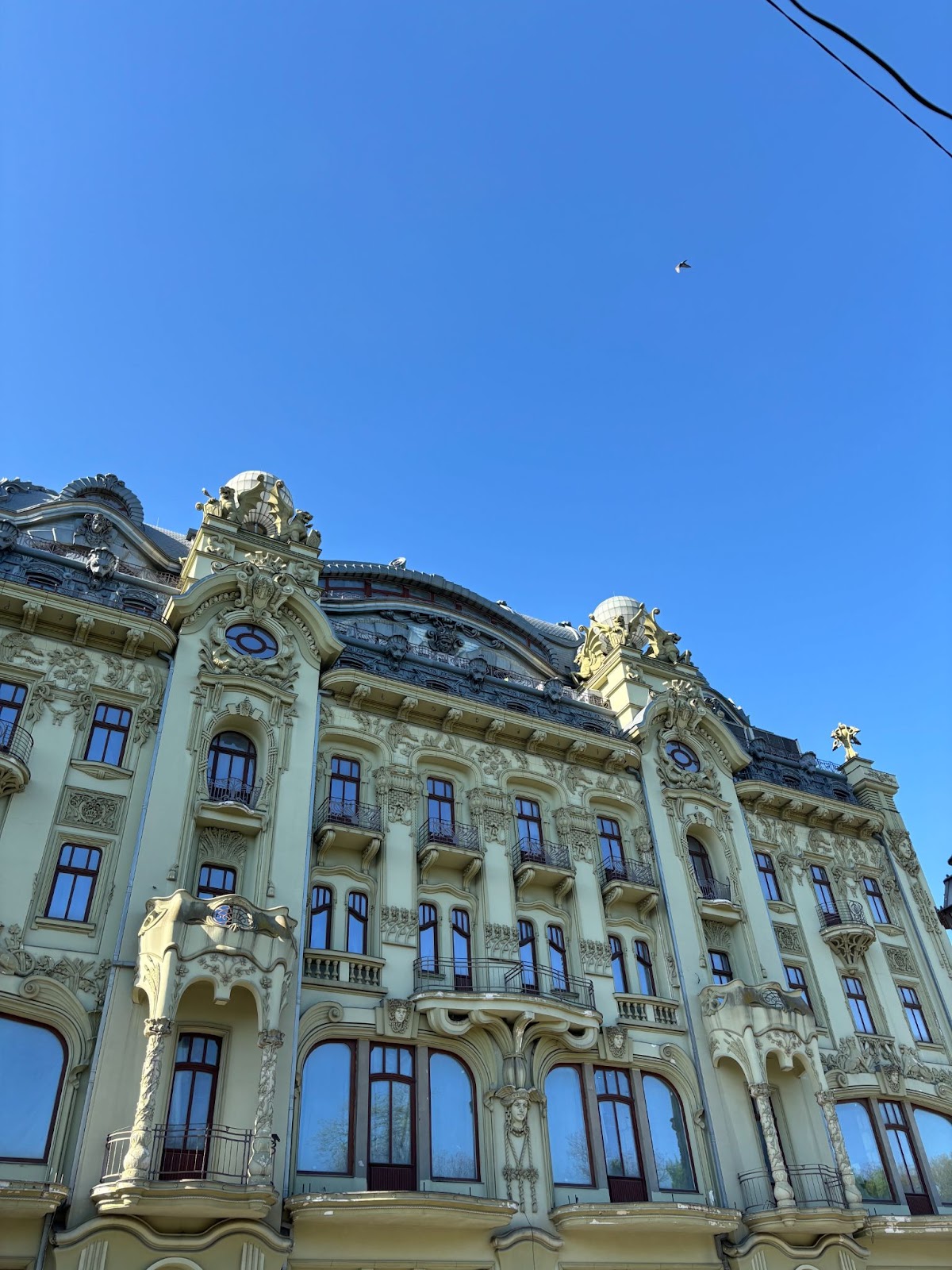
Russov House on Sadova Street (intersection with Deribasivska) is a bright representative of the eclectic style with a predominance of neo-baroque and neo-rococo elements, characteristic of the "golden age” of Odessa at the end of the 19th and beginning of the 20th century.
The house was built in 1897–1900 for entrepreneur Alexander Russov. For a long time, it was one of the most prestigious residential and commercial properties in Odessa.
However, for a long time, the building was in a neglected state, suffering from fires and destruction, which led to the loss of a significant part of its unique decor. What we see in the photo is probably already the results or progress of restoration work, as the condition of the facade was much worse before.
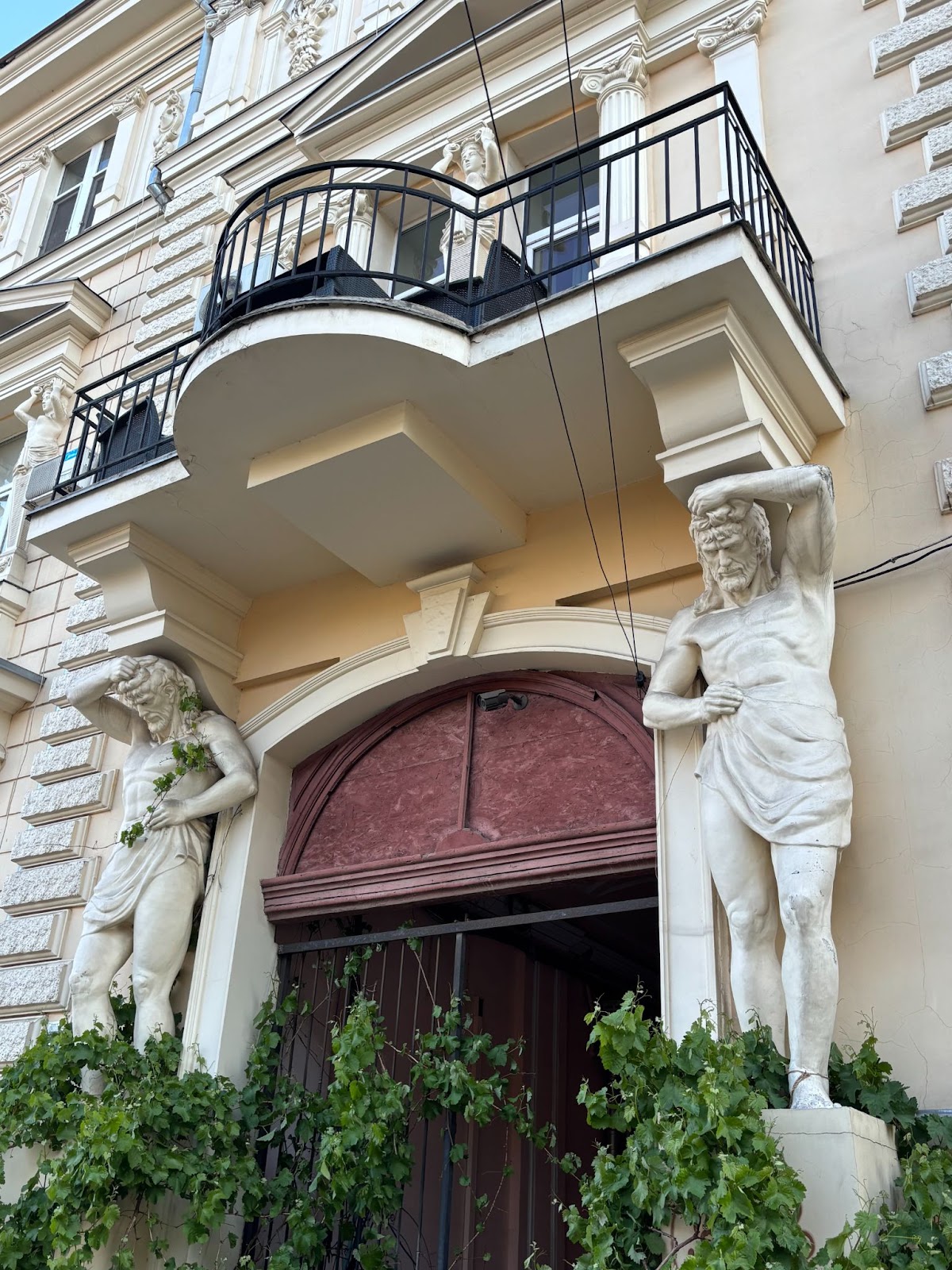
Faltz-Feyn House, more commonly known as “The House with Atlantes”, was built in 1899–1901 according to the design of architect Lev Vlodek for the Faltz-Feyn family — famous landowners and industrialists, founders of the "Askania-Nova" reserve.
Located on Gogol Street, not far from the sea.
The House with Atlantes is built in the Art Nouveau style with elements of classicism and eclecticism. The central element of the composition is two majestic male figures — atlantes, who seem to hold the balcony of the second floor on their shoulders. In ancient Greek mythology, Atlas was a titan condemned to hold up the heavens. In architecture, they symbolize strength, power, and resilience.
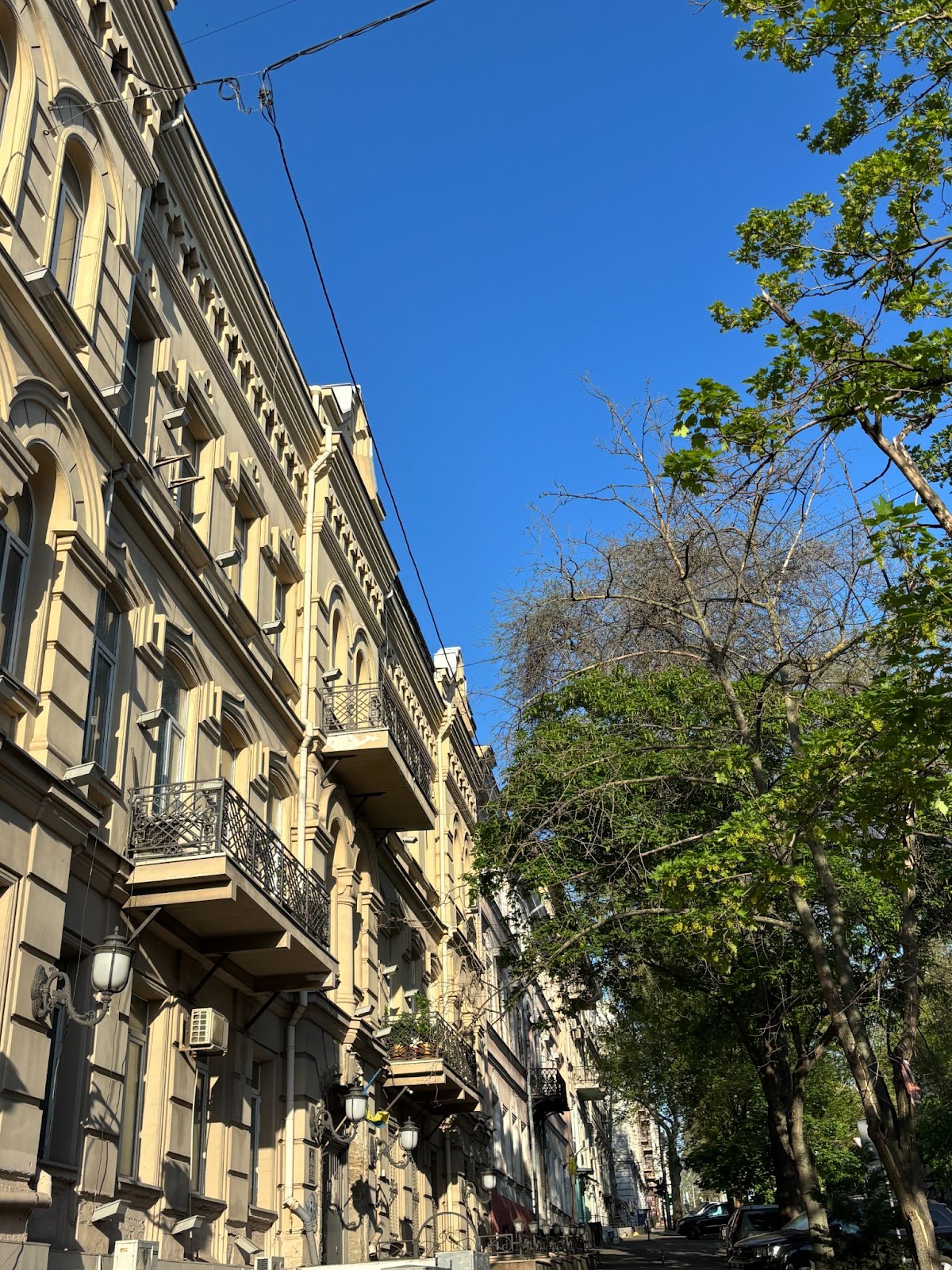
Buildings have typical Odessa facades with rich stucco work, highlighted in white against the background of yellow or light walls.
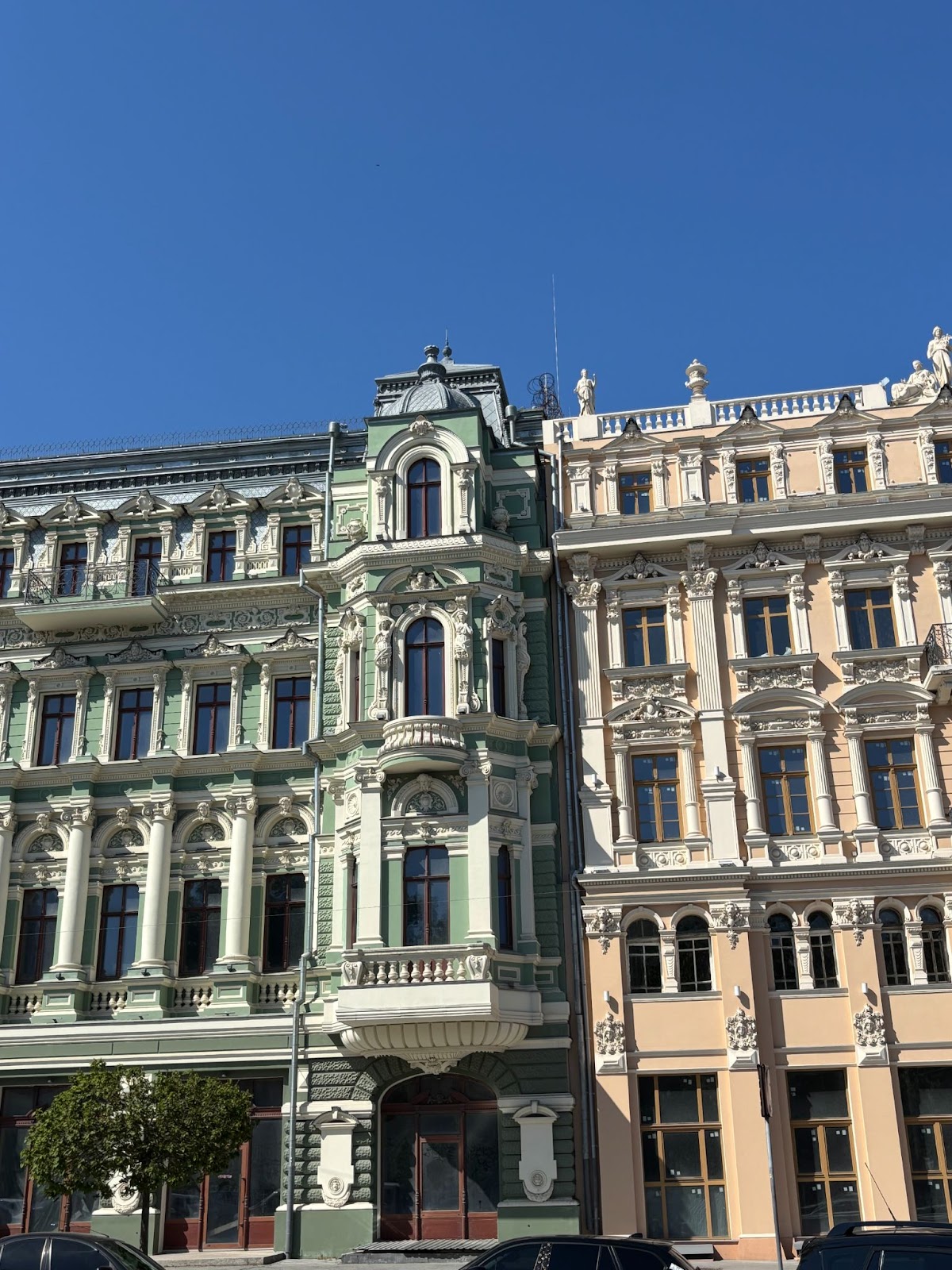
Illustration of architectural diversity and splendor of the center of Odessa, characteristic of the city's eclectic style.
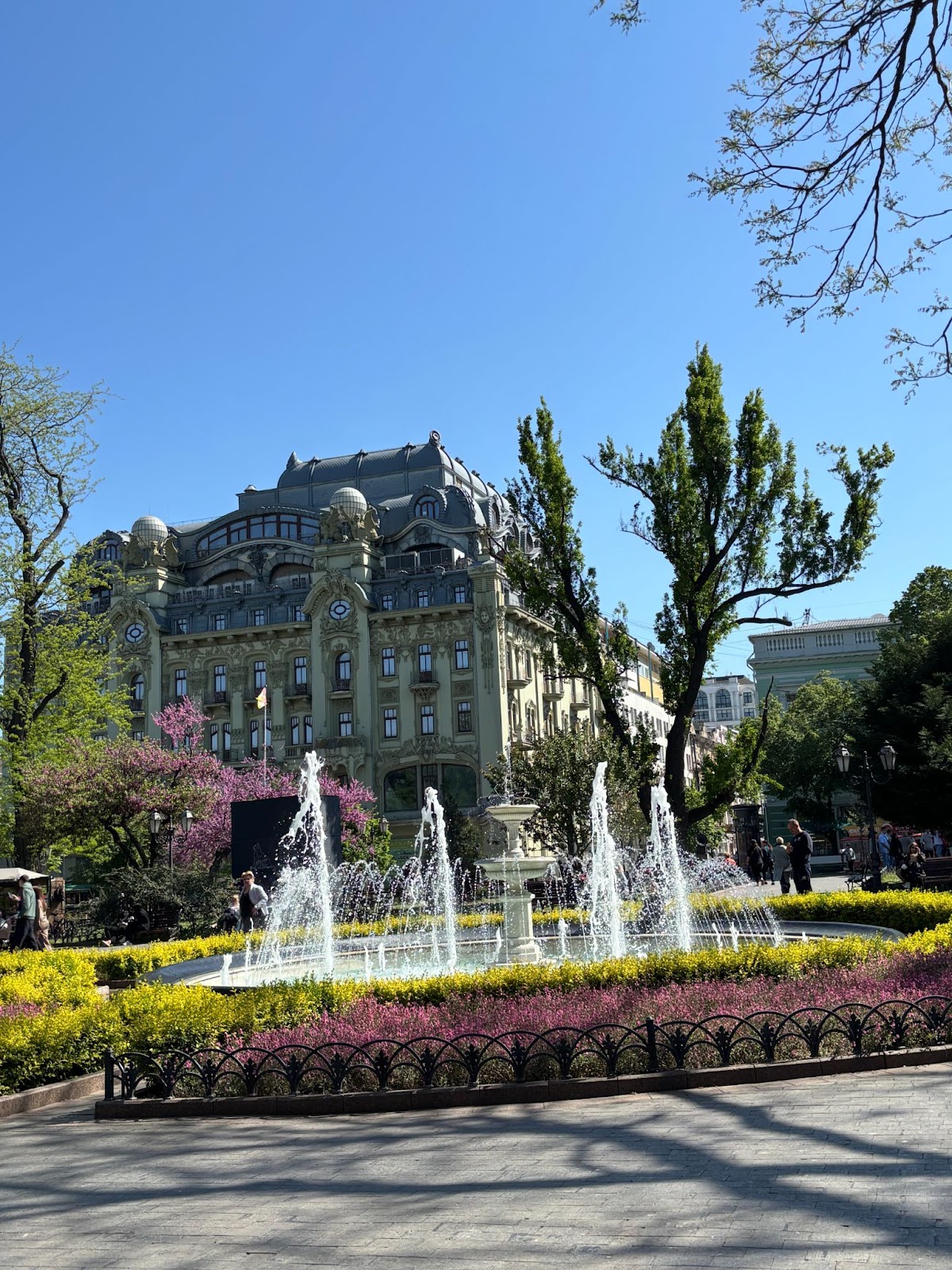
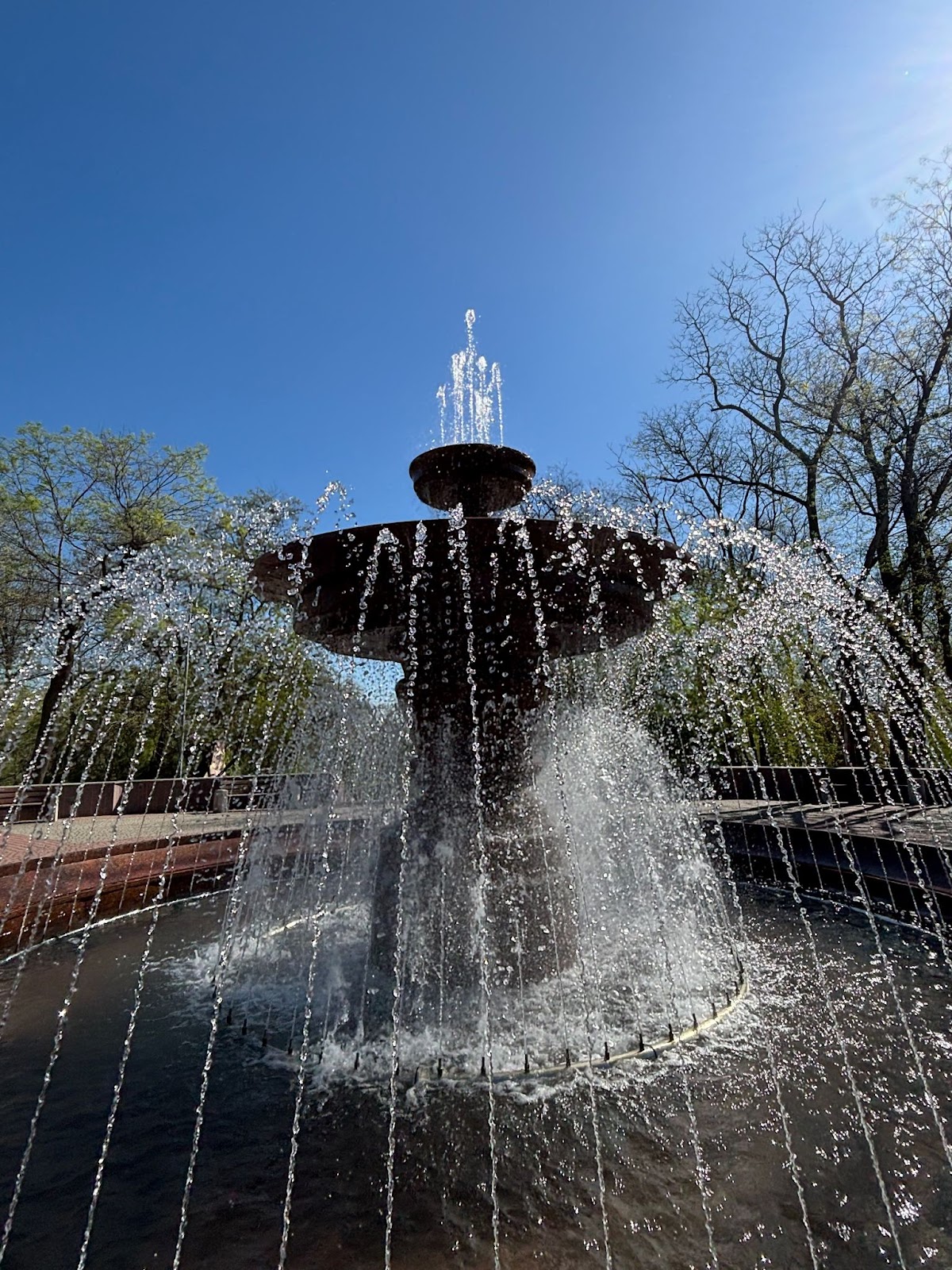
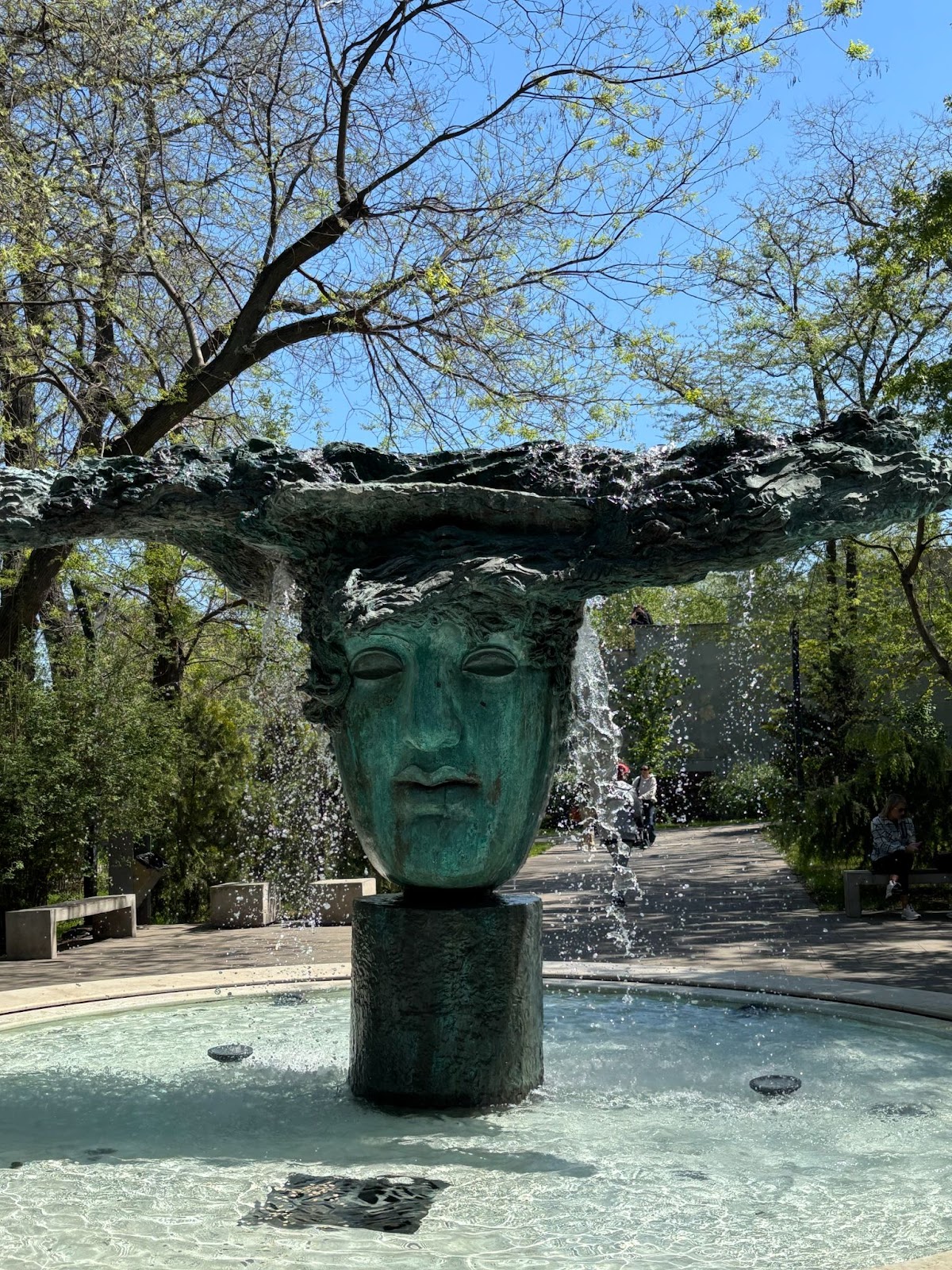
Fountains
Service Sector (Public Catering Establishments)
Odessa, as a large port and tourist city, has always been known for its approach to service establishments. In the city center, there are many restaurants and cafes, all designed with individual concepts to attract visitors' attention.
Speaking not only about Odessa but in general, creating a unique space in an establishment is perhaps the most important factor for attracting guests and its future development. Establishments offer comfortable and attractive spaces with delicious food, and guests, in turn, promote them within their circles.
It's really cool that in the era of "aesthetic stories," the service sector is ready to adapt to consumers and their interests. Italian pasta or matcha latte with a mention in stories can be good advertising. This inspires the development of this sector, which, in turn, affects the country's economy.
Returning to Odessa, I will say that as of May 2025, prices in Odessa restaurants are like those in Kyiv. If you want to visit a place in the center, especially on a weekend, I recommend reserving a table in advance. The flow of people here is immense. I also recommend carefully choosing the establishment, as recommendations from TikTok are not always worth paying attention to; I fell into that trap myself.
Beautification of Space
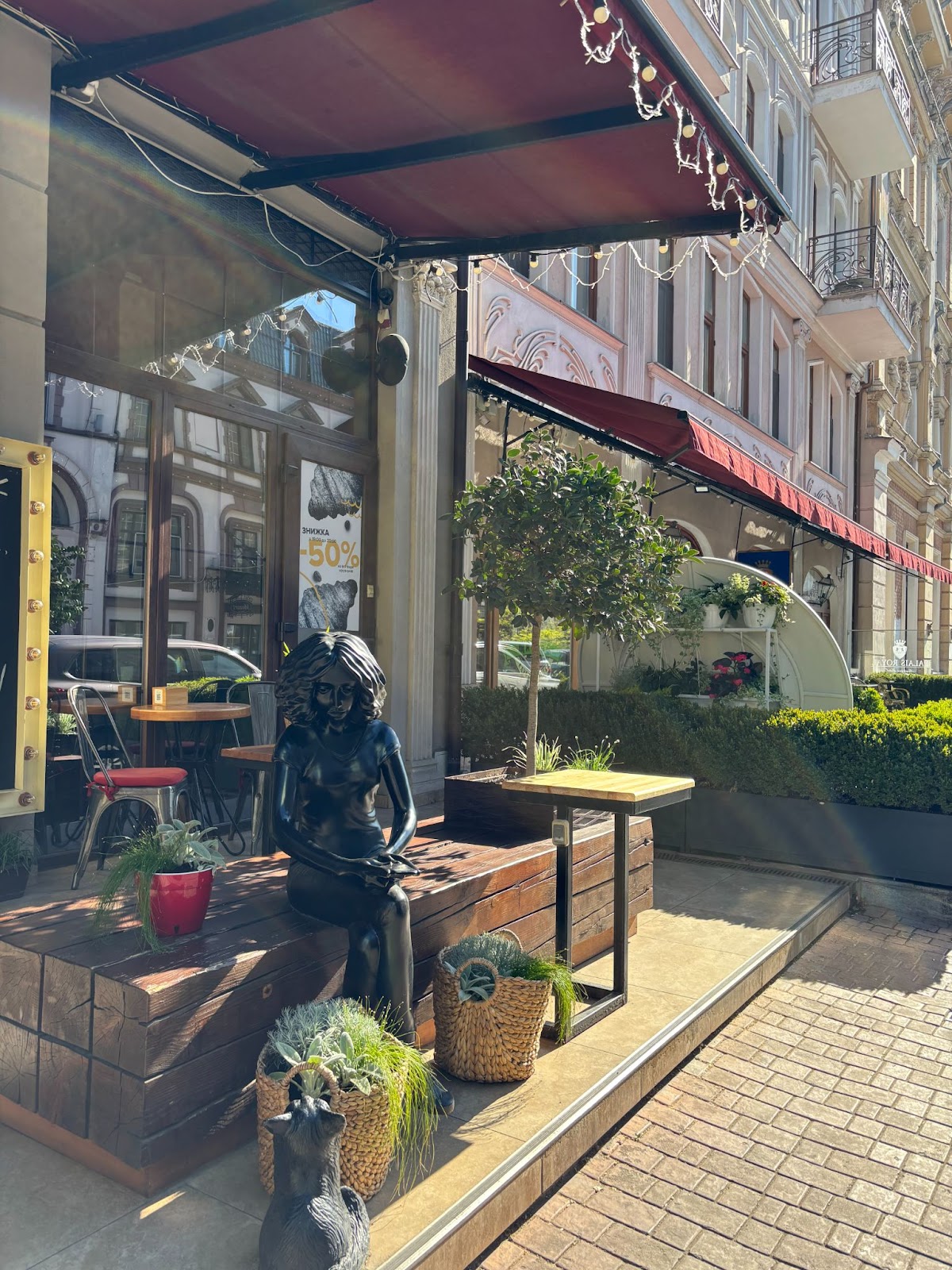
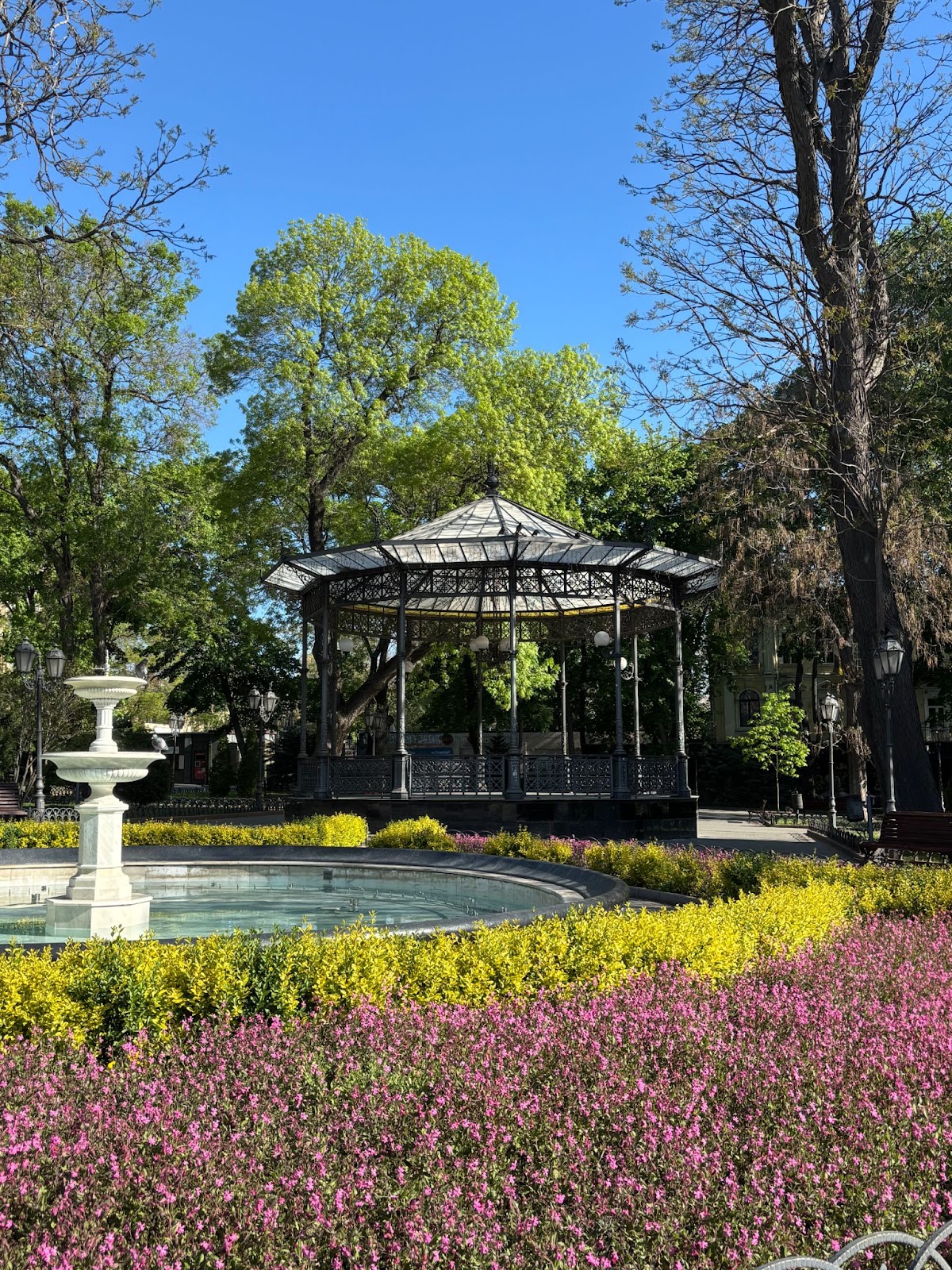
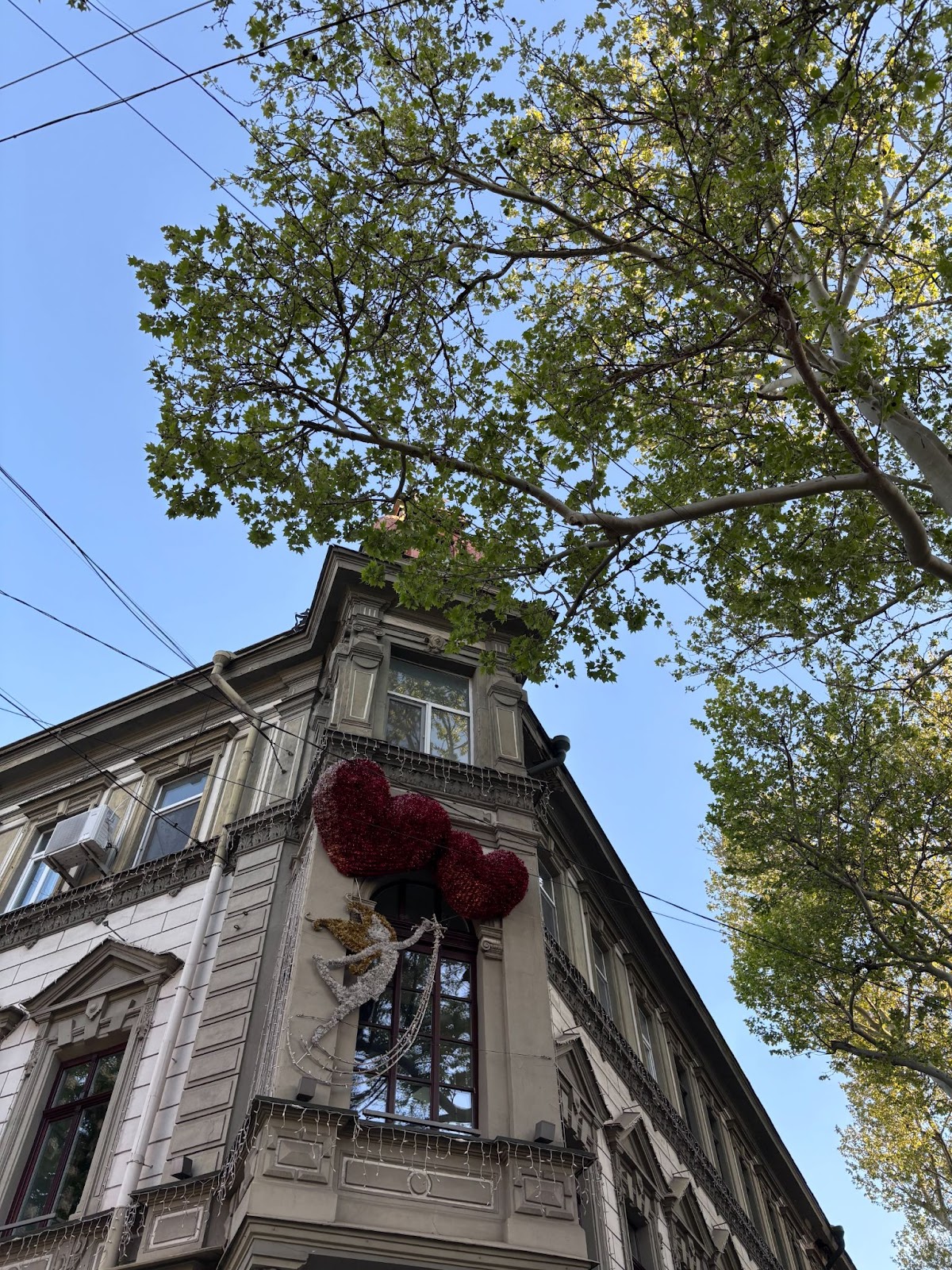
Odessa is beautiful. Besides the architecture and the sea, the urban spaces are very well maintained, the city is clean, and there are many flowers. Regarding cleanliness in Odessa, many of those I spoke to had an absolutely opposite opinion. I was surprised by this because most of these people had been to Odessa for a long time. Or my brother says, "We have been in different Odessas," even though the difference between our trips was only half a year. Due to the war, many people have left the city, and due to the danger, Odessa is no longer the tourist town it was in peacetime. I was there in May when "the season seems not to have opened yet." Perhaps this is somehow related to the amount of garbage in the city, or the city is indeed developing and becoming better.
The Black Sea and Beaches
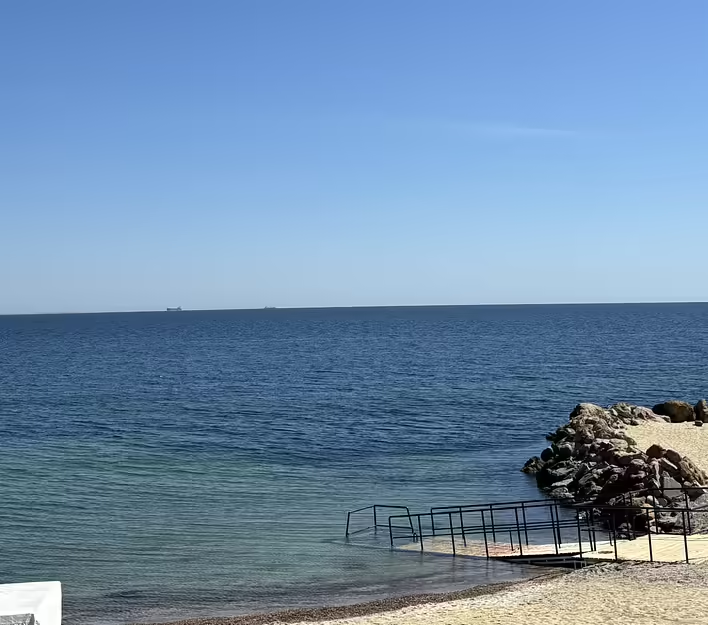
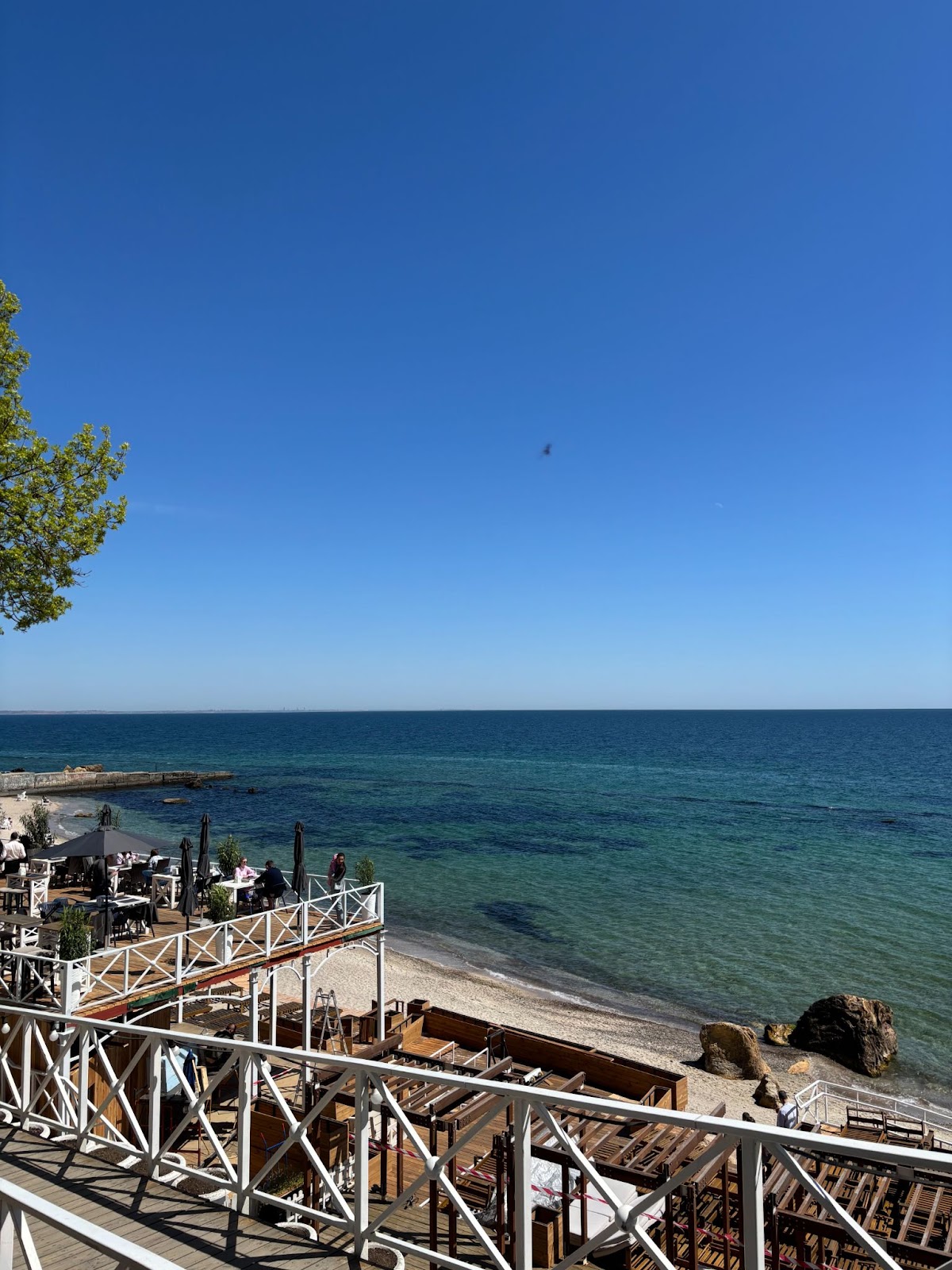
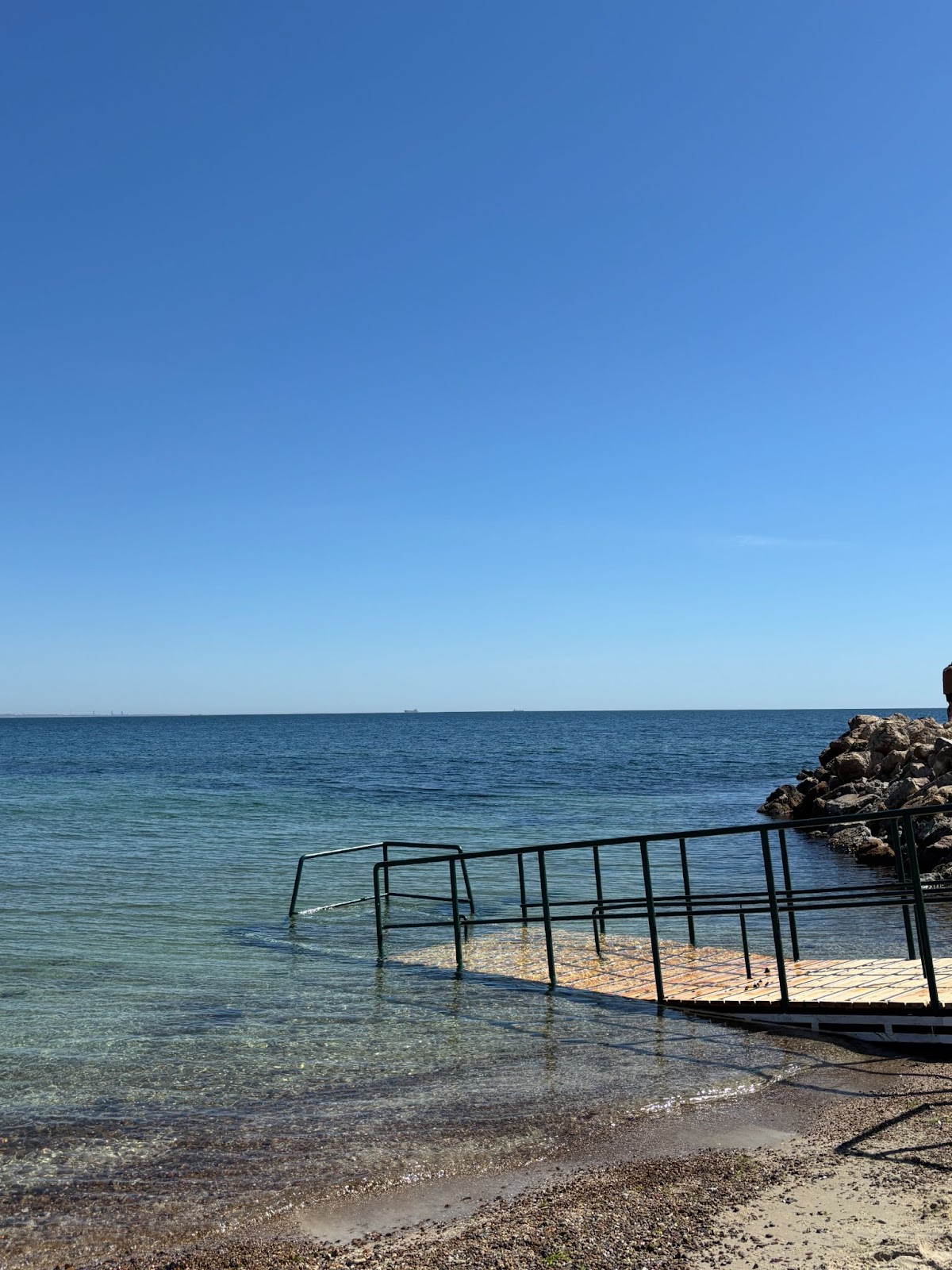
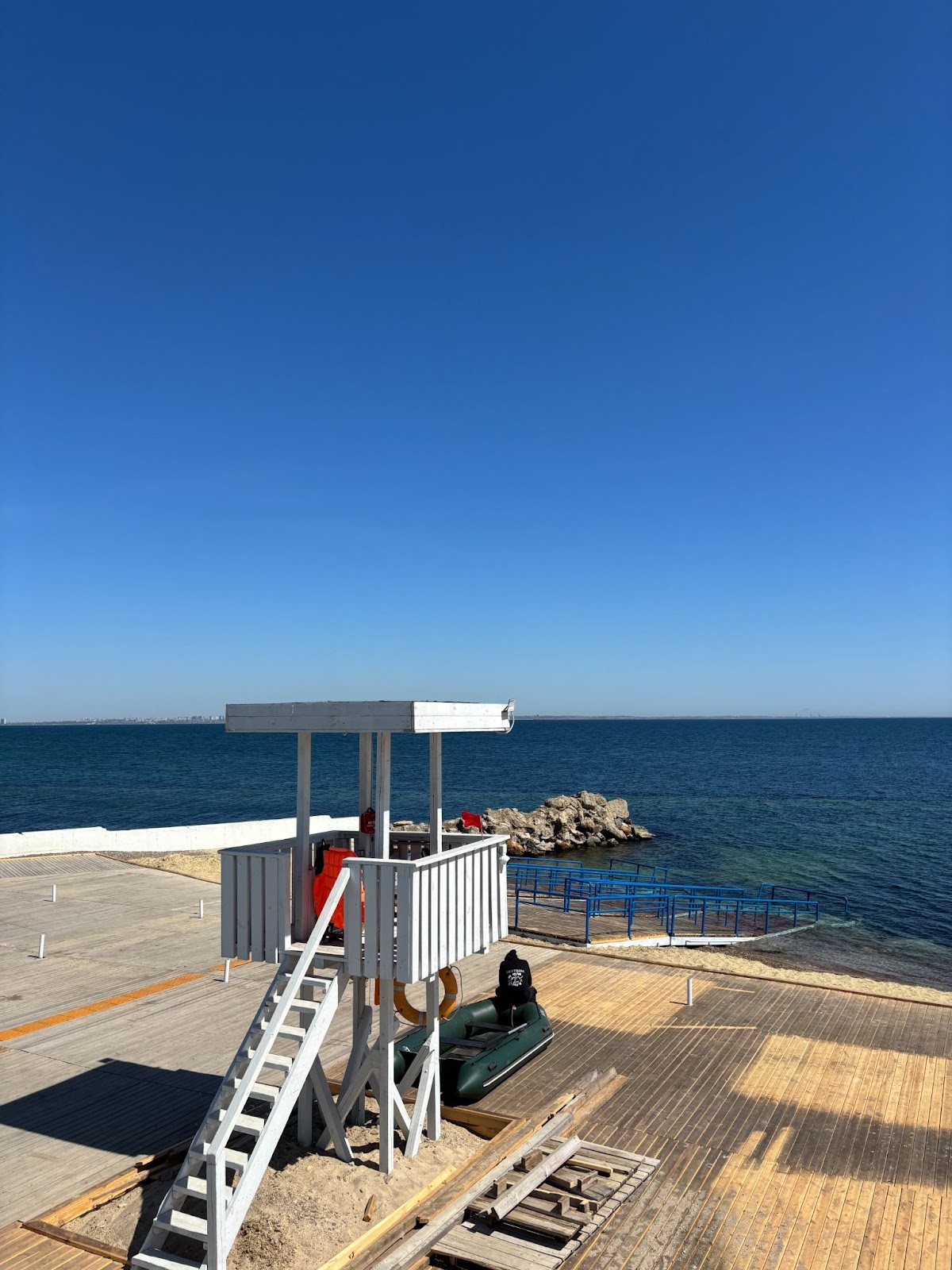
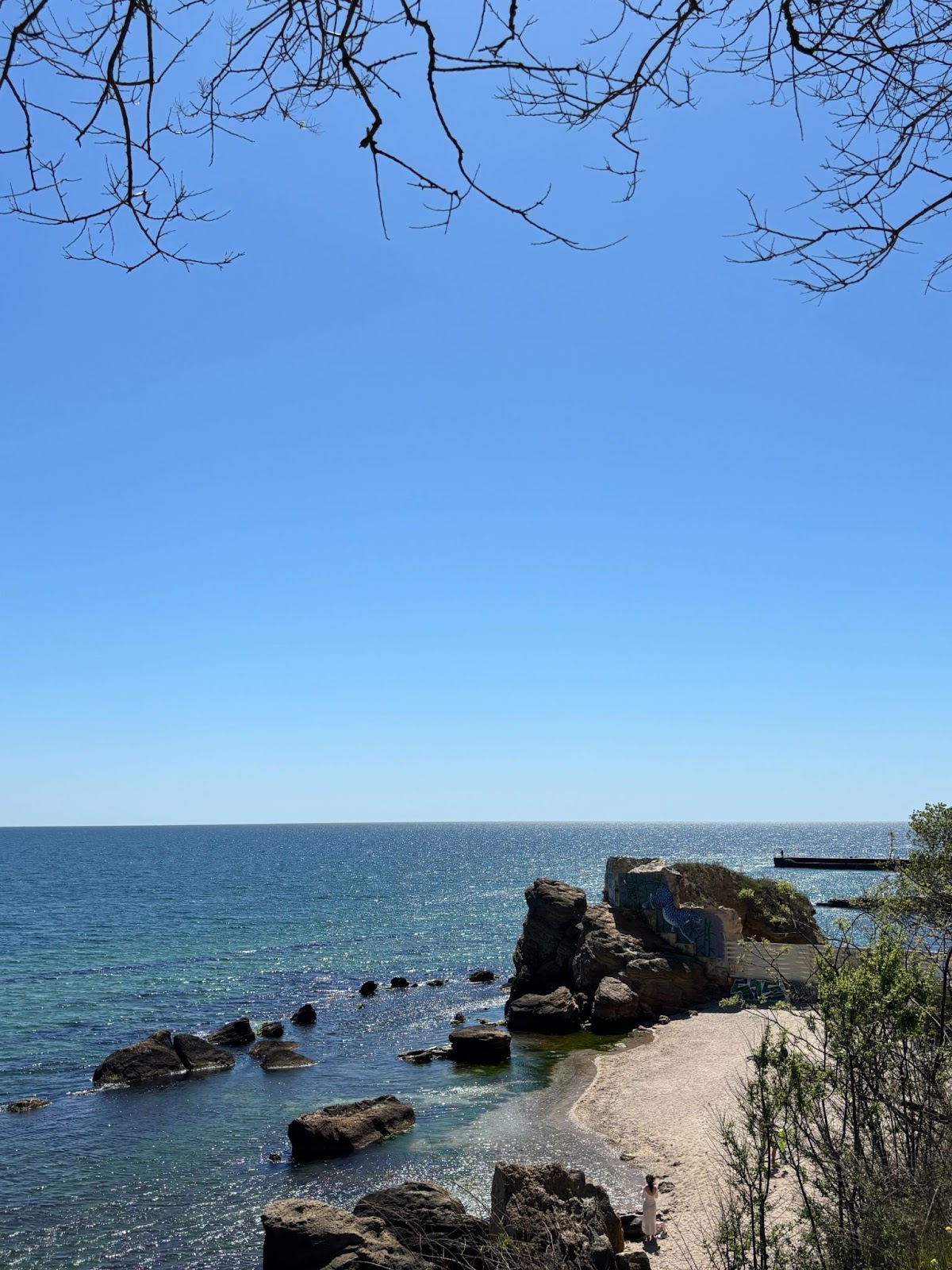
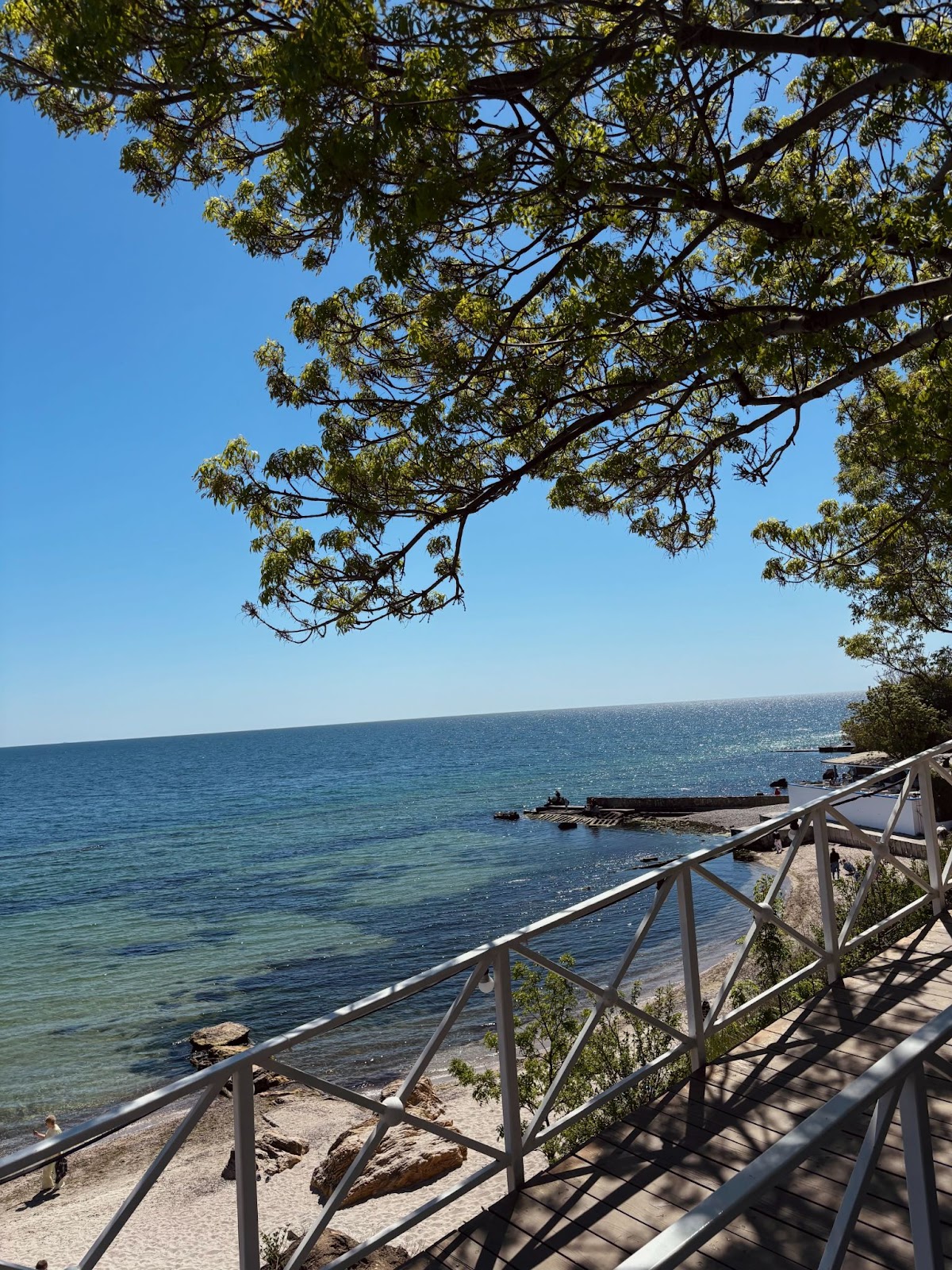
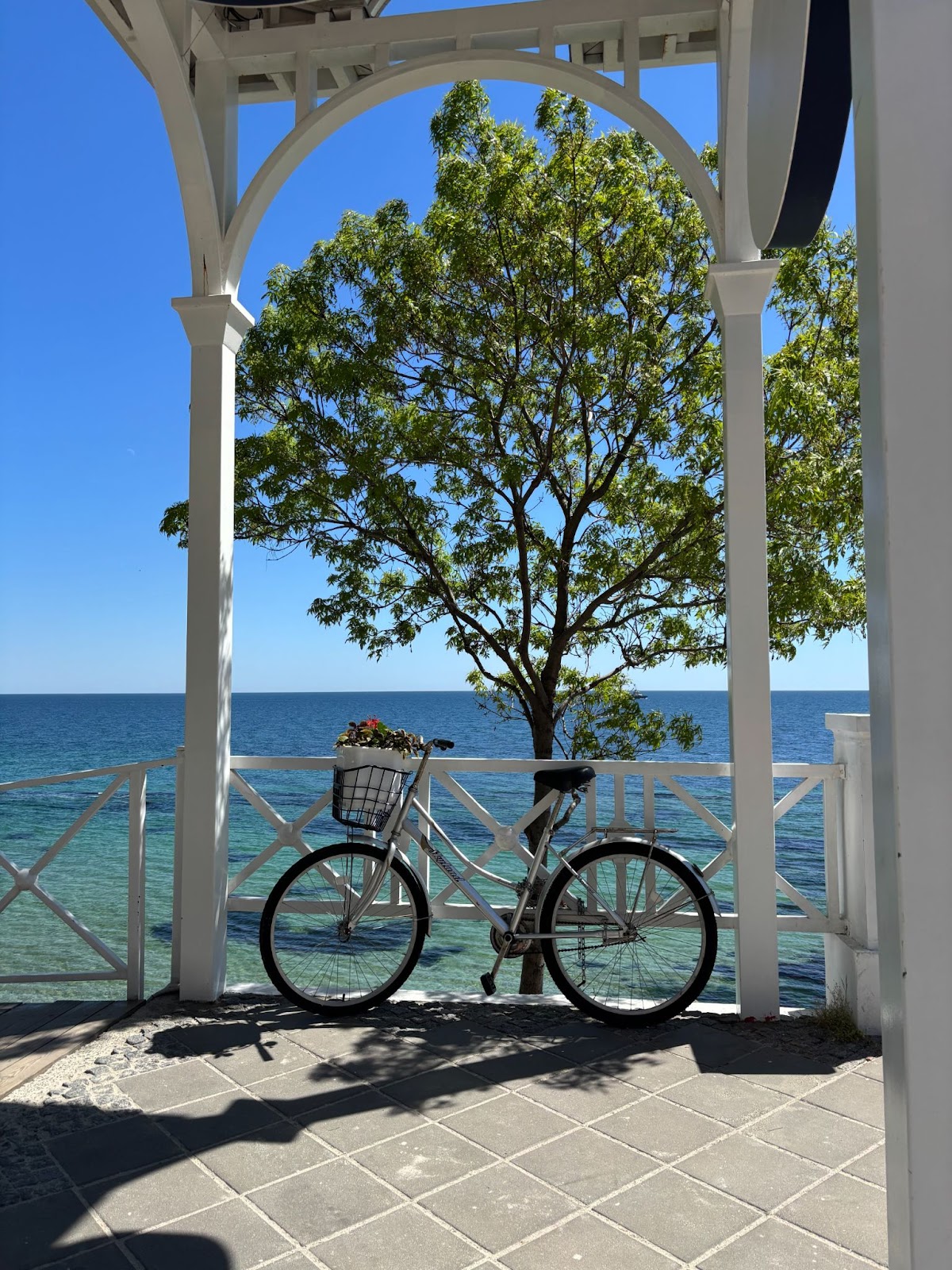
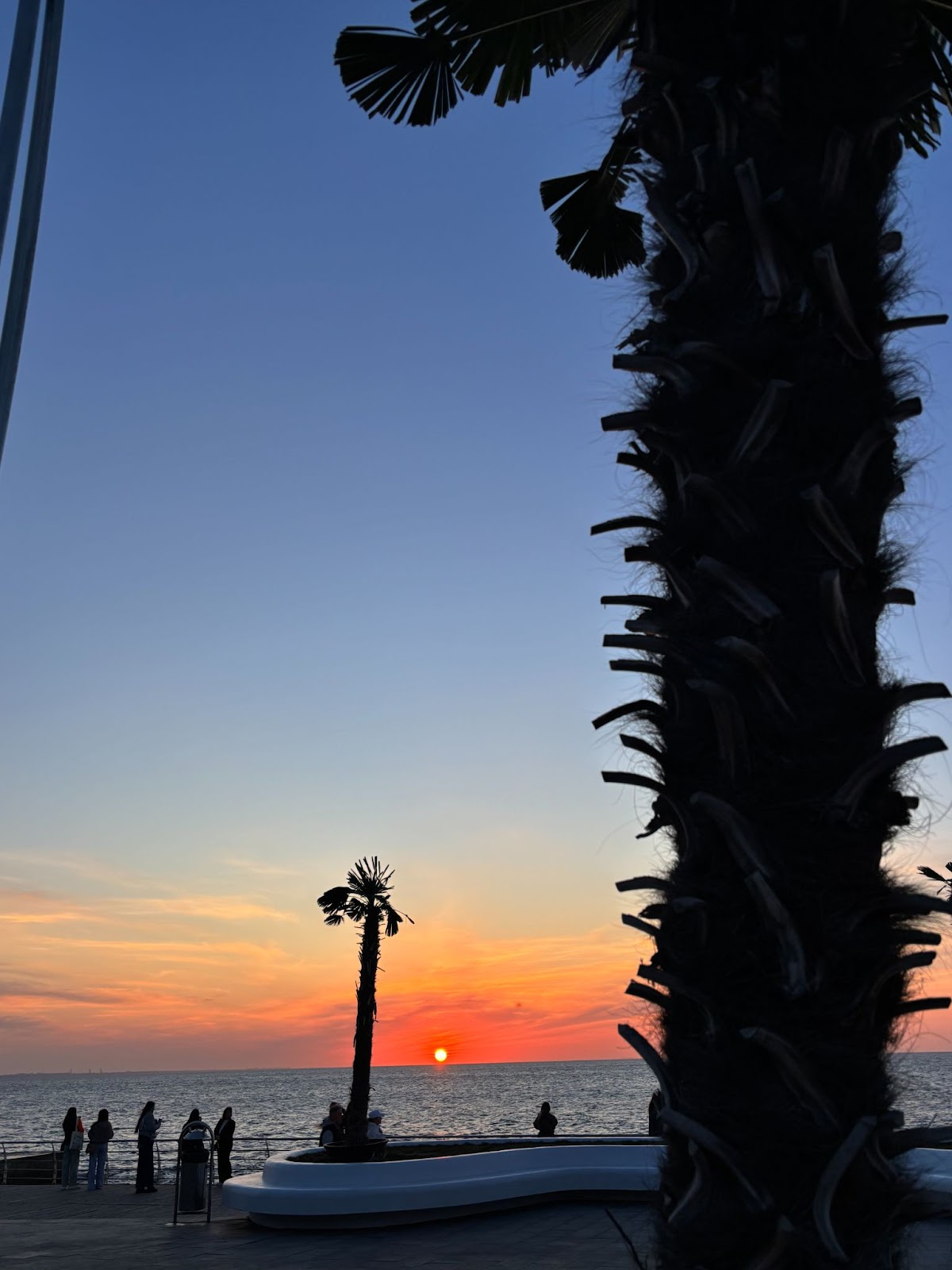
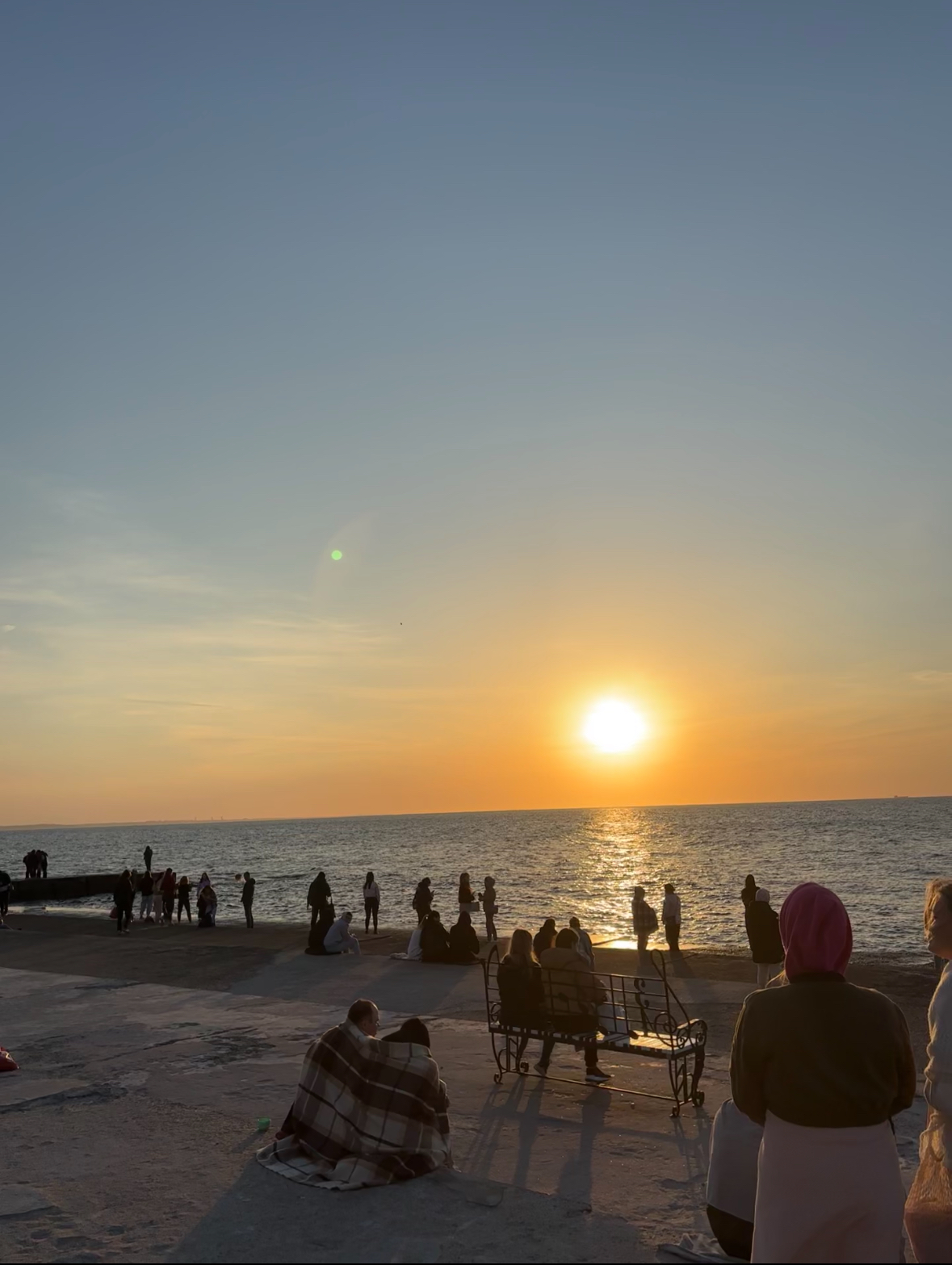
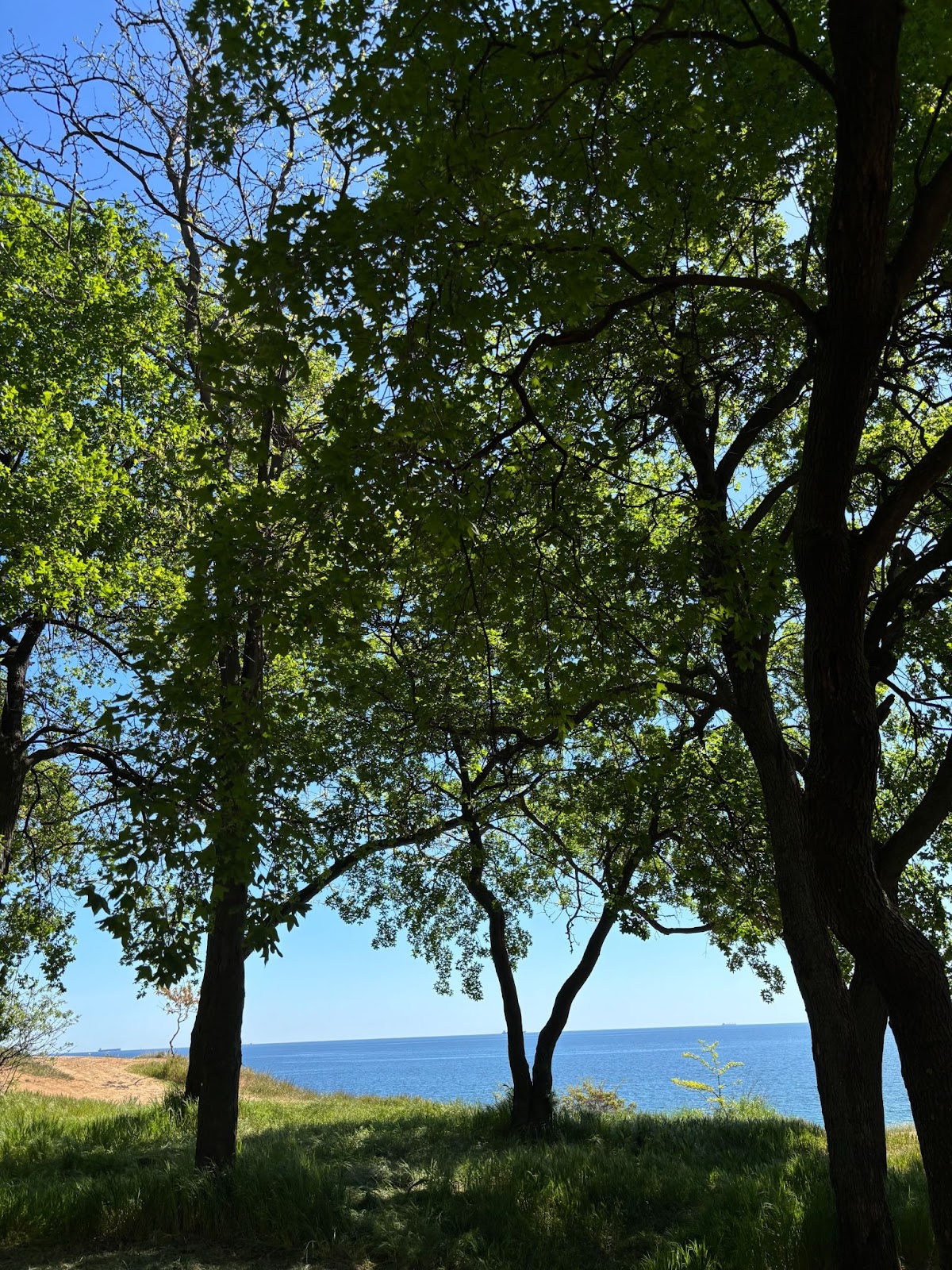
The sea. The Black Sea is what makes a visit to Odessa worthwhile.
The inclusive beach is what caught my attention. It is located on the coast, particularly well-known is the inclusive beach at "Langeron" (near the Nemo Dolphinarium). There are discussions and concerns about its future. Despite its social importance, the coastal areas of Odessa are very attractive for commercial development. Public organizations and activists in Odessa are actively fighting for the preservation and development of such important infrastructure objects.
Our Present
Currently, Odessa is a city that is constantly under attack from Russia. There is not a day when the people of Odessa do not live in anticipation of sirens and then explosions. The enemy brutally and mercilessly shells the city, trying to break its spirit, hitting residential buildings, civilian infrastructure, and sometimes just people. This is a daily risk that, unfortunately, has become part of life.
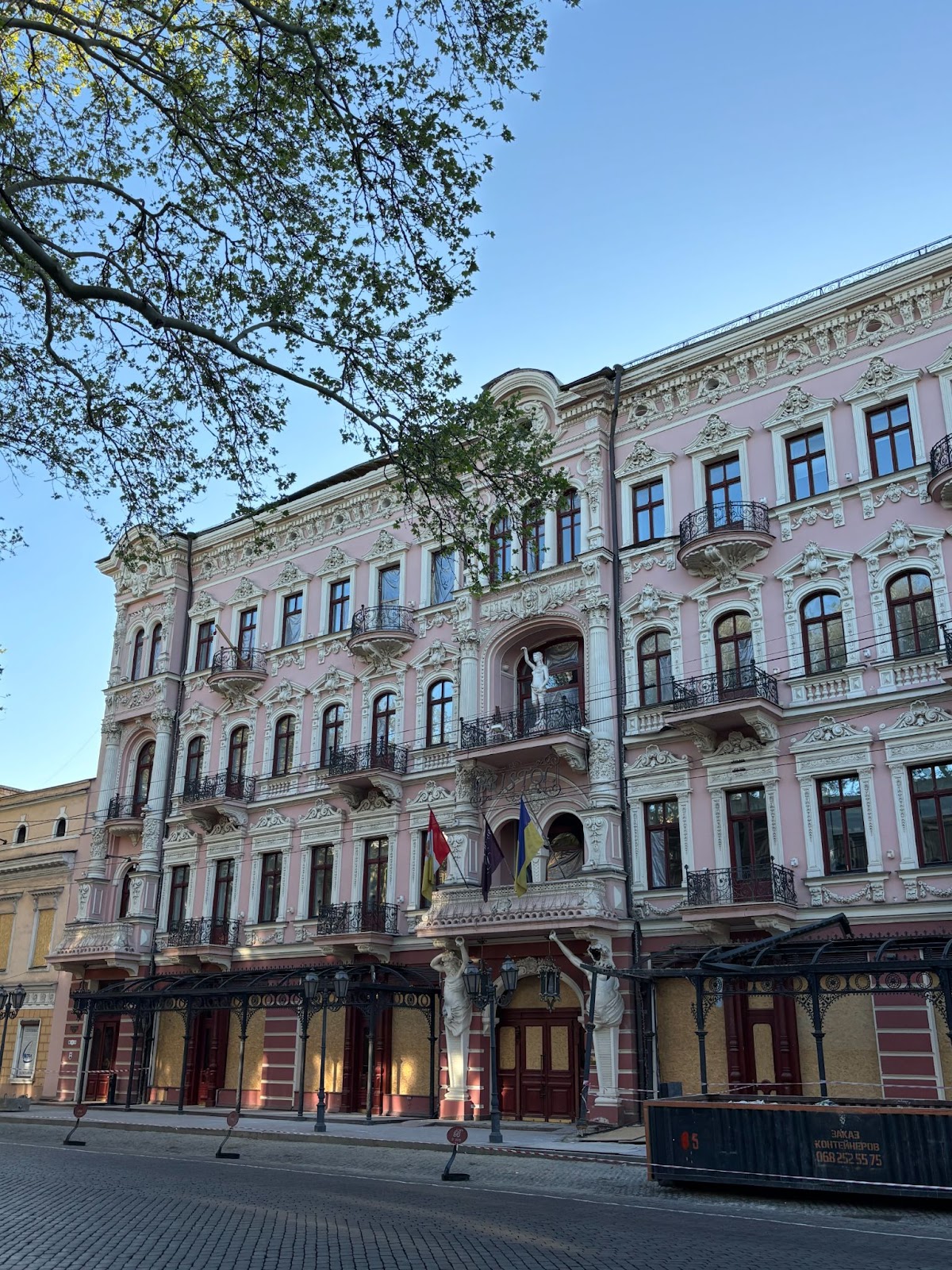
Odessa is a beautiful city that I hope to return to many more times.
This post doesn't have any additions from the author yet.