This content has been automatically translated from Ukrainian.
If briefly: I didn't plan for a "smart home." I just planned to finish the renovation and live normally. But reality quickly made adjustments — and over time, automation transformed from a "cool toy" into something that truly saves nerves, money, and time.
Below is my journey through several eras. Without fanaticism, but with technical details where they matter.
Prerequisites: 2021, renovation, and no electricity
It all started in 2021. The house was being completed, the renovation was almost finished, but the city power grid was never connected — bureaucracy, approvals...
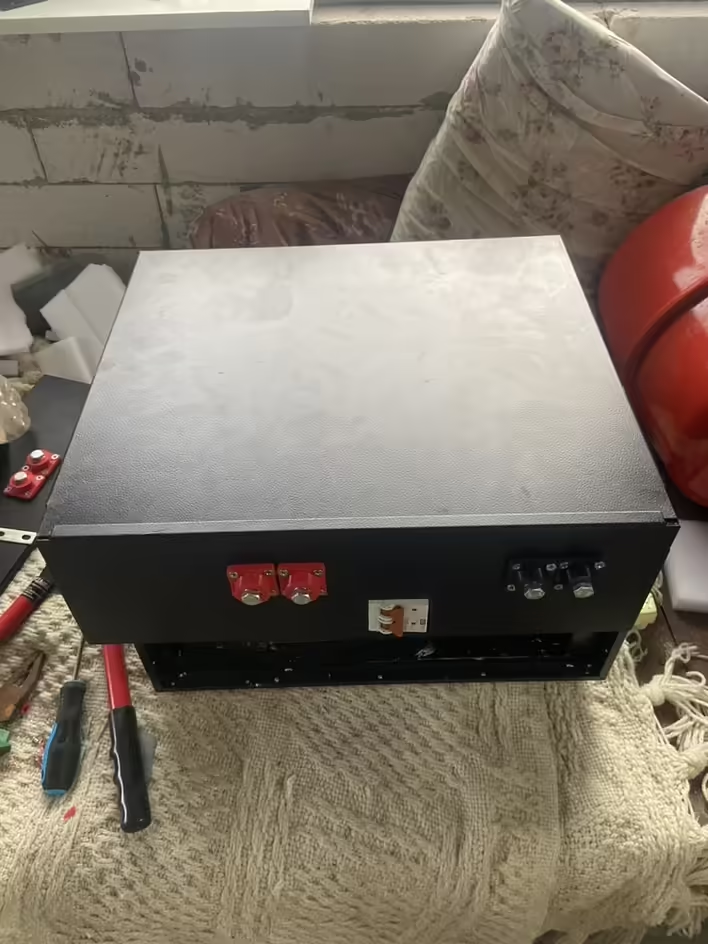
And when the renovation is at the finish line, another risk appears: things can "disappear" in a semi-empty house. Including what is attached to the walls. So we decided not to wait and set up basic autonomy: solar panels, a battery, an inverter — and try to survive.
The configuration was quite modest but functional: 5 kW panels / 5 kW batteries / 5 kW inverter.
And it was this autonomy that became the trigger for the first automation — because you start counting every kilowatt.
Era #1: smart sockets
The first "insight" was simple: the boiler(s) cannot operate 24/7 when you live on batteries. Control and a schedule are needed.
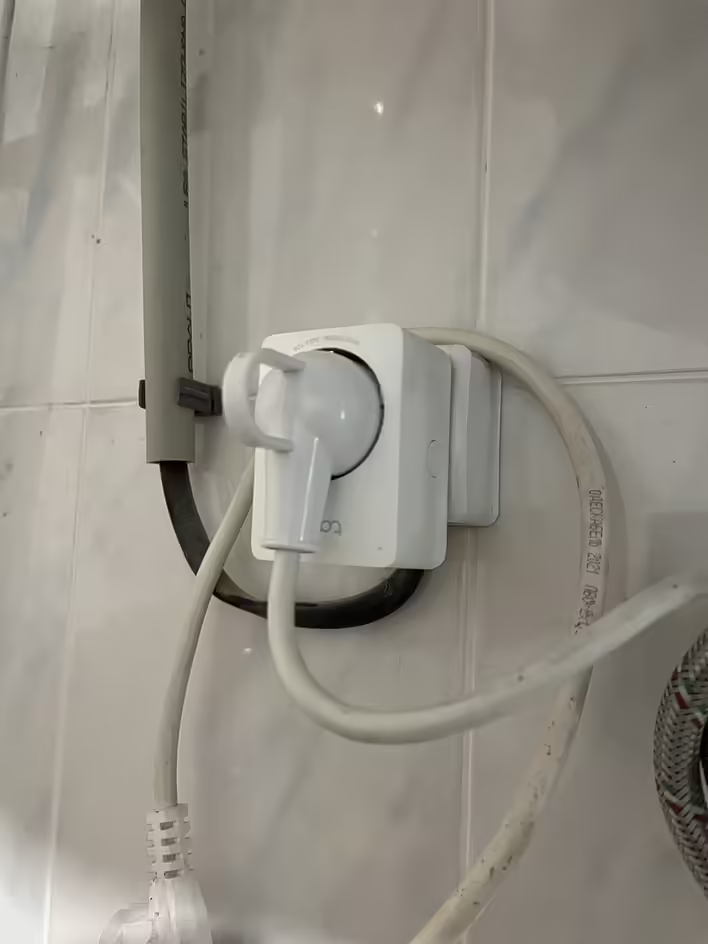
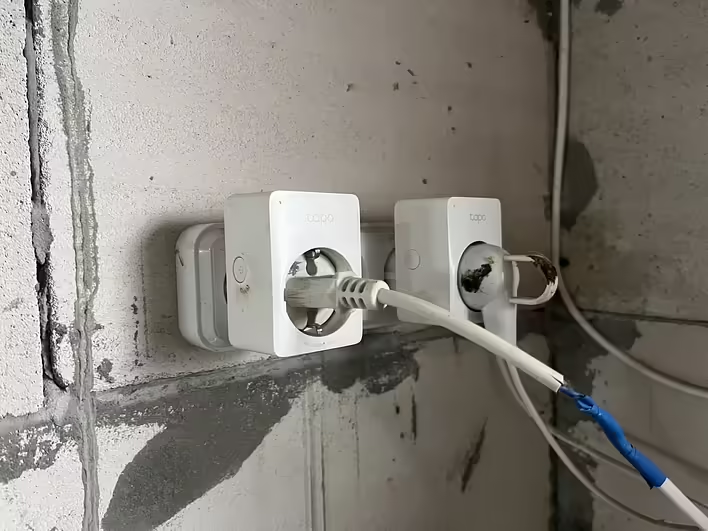
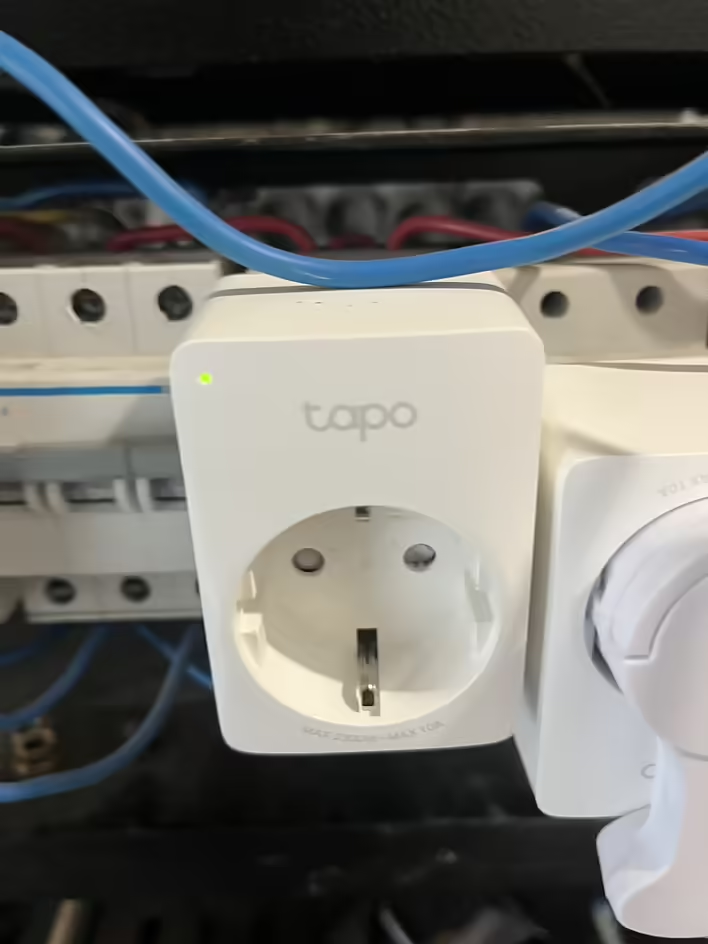
A friend suggested trying a smart socket — and I bought a TP-Link Tapo P100 almost at random. The socket immediately provided:
- control from the phone;
- schedule by days/hours;
- local operation even without the internet (within the home network).
This worked so well that the very first socket is still alive: since the summer of 2021, it has been running the boiler through itself for about 2 kW daily.
Then everything followed the classic path: "I'll buy one more — and that's it." And then another one. And another...
Era #2: valves, contactors, and first scenarios
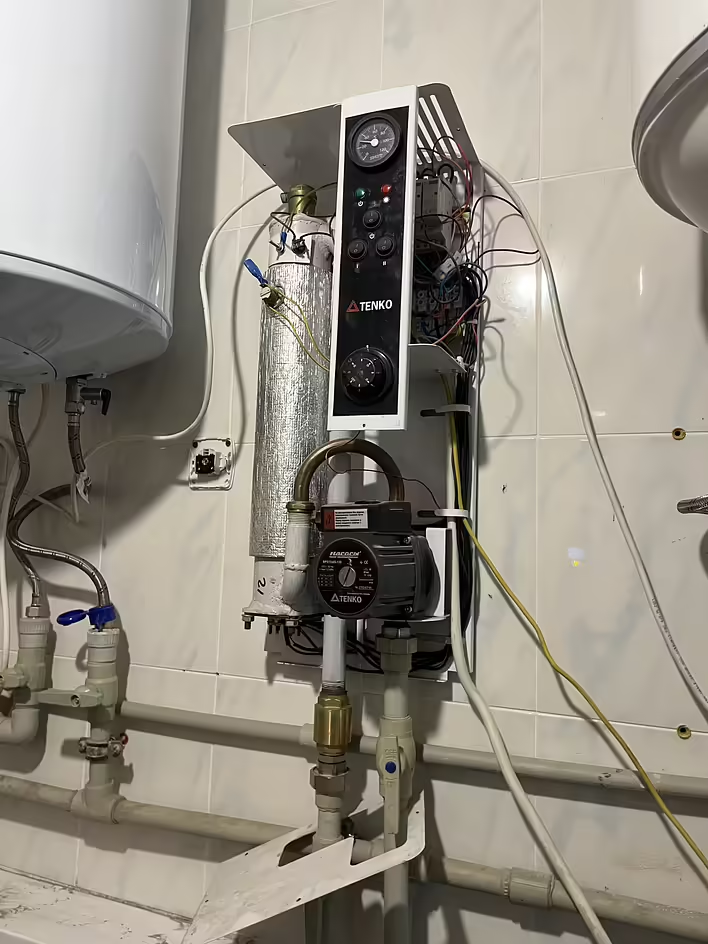
In the summer of 2022, the city grid was connected. At that time, we installed an electric boiler — as simple as possible, essentially a "kettle" with three heating elements.
And here came the second important thought: I don't feel "50°C in the pipe." I feel the air temperature. Plus, the rooms are different, heat up differently, and "one temperature for all" — doesn't work.
I looked towards Tuya, because there are many inexpensive devices and simple "if/then" scenarios. I bought:
- a smart thermometer;
- a smart socket from the same ecosystem.
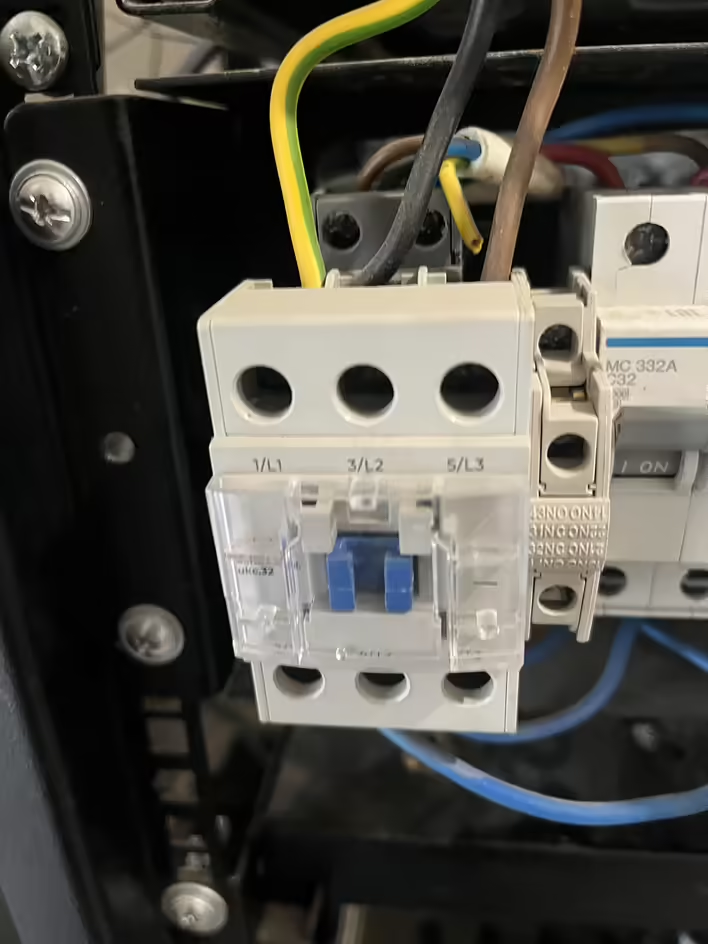
I switched the boiler to constant on mode, and began controlling its power through a contactor: the socket simply closes the control contact, while the power part is pulled by the contactor.
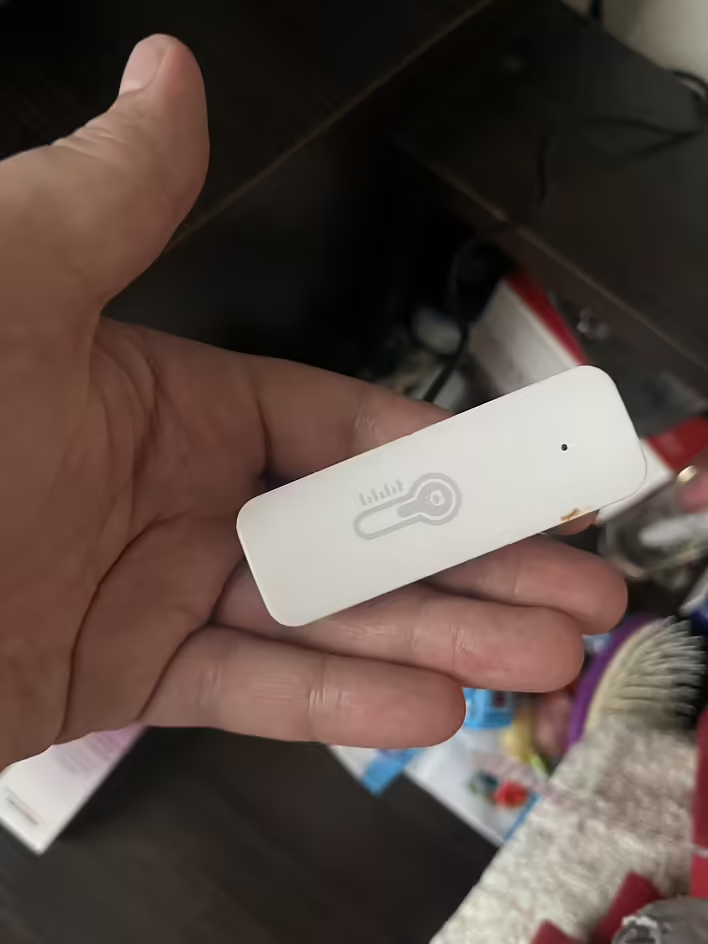
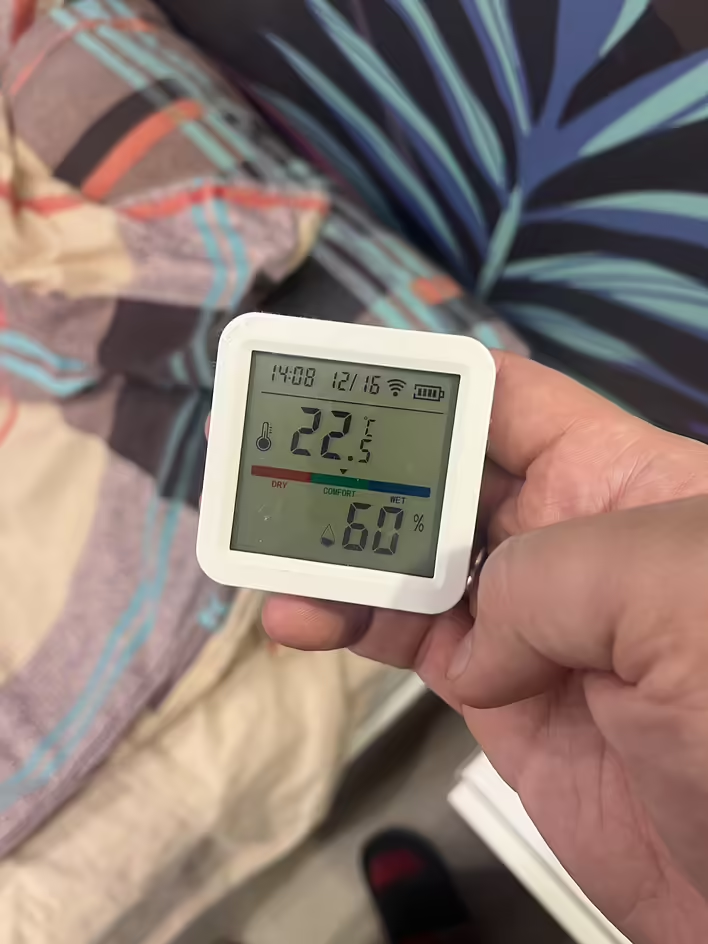
I placed the thermometer in the bedroom on the second floor — it was colder there. But… it became too hot on the first floor.
The solution was logical: divide heating by floors. In the boiler room, we added electric valves for the water. You supply power — the valve opens, water flows. You don't supply — it closes.
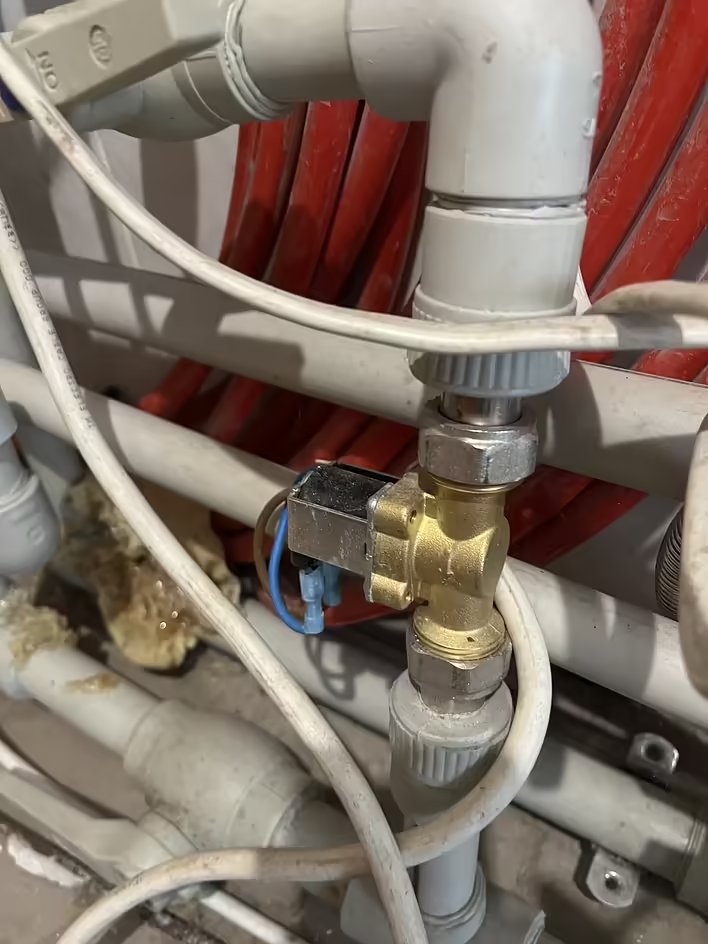
A nuance that is important to consider: valves can be normally closed or normally open. And here you need to choose according to your logic and how you want the system to behave when power is turned off.
I added a separate thermometer to the first floor — and the scenarios became more adequate.
Over time, I additionally localized room by room with "dumb" electric heads and smart sockets that work on the same principle as the electric valves.
At the same time, we built a garage for two cars.
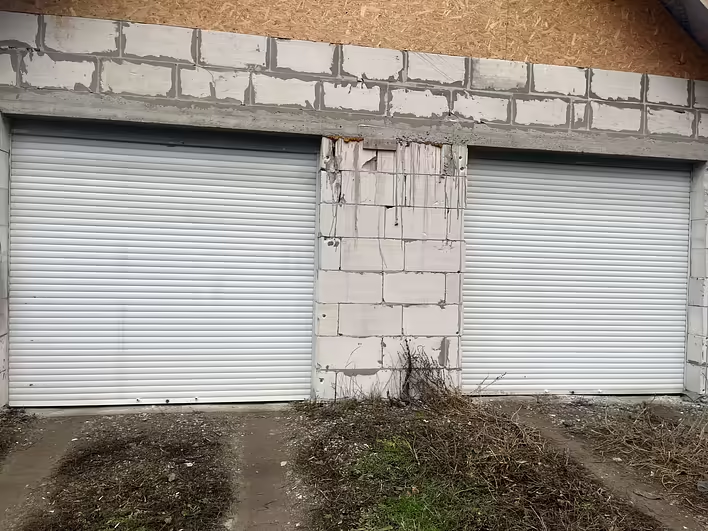
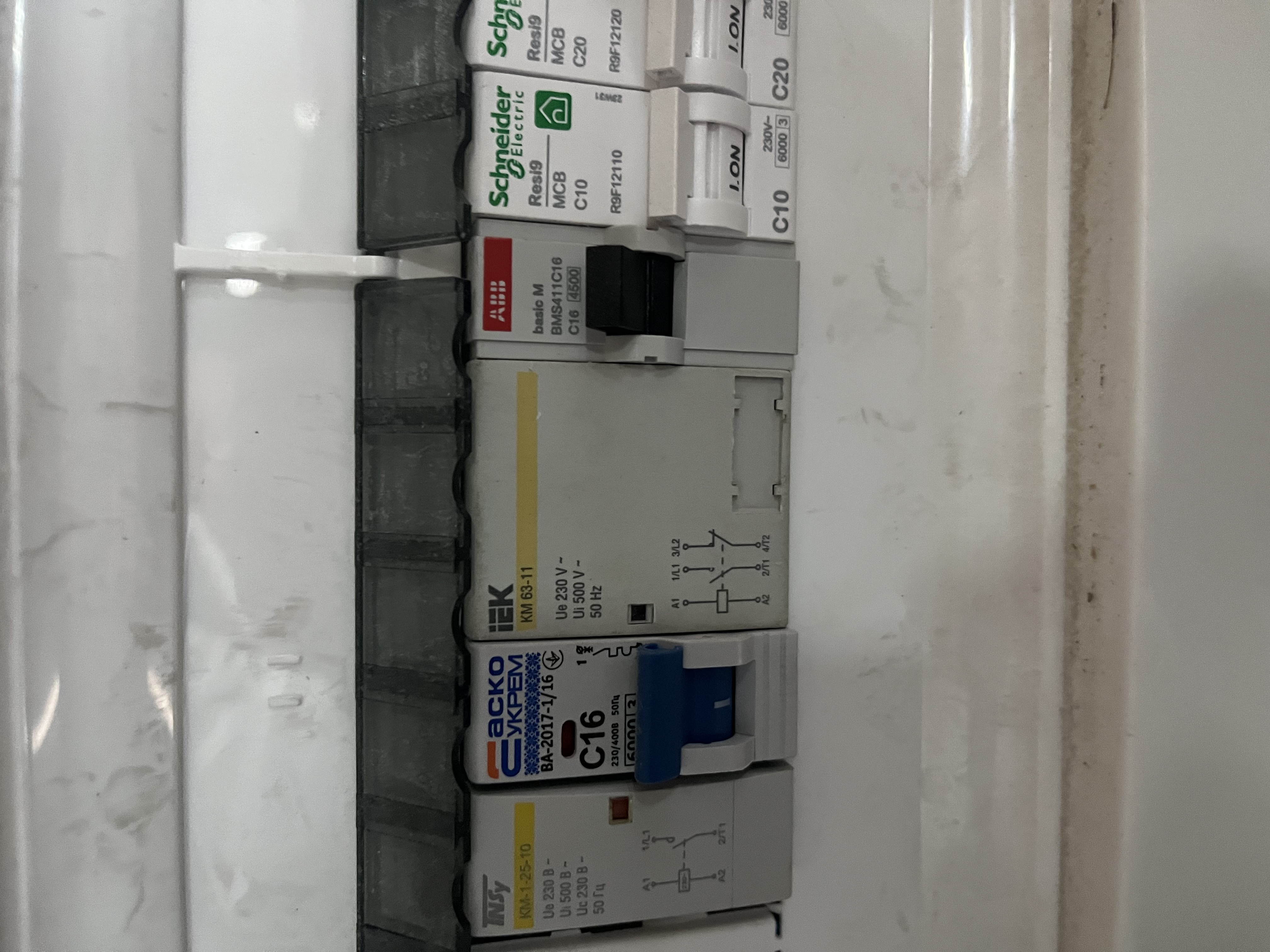
It immediately became clear that opening the shutters manually was inconvenient, so I decided to automate it. I installed sockets there and took a simple motor for the shutters: three wires — open / close / neutral. The end positions are set with bolts.
To make this smart — I installed a two-pole contactor: one pole "open," the other "close." You supply power to the coil — the contactor switches and the motor works in the desired direction.
Era #3: Home Assistant
Next, I matured to the obvious: a bunch of apps, a bunch of ecosystems, a bunch of disparate scenarios — this is not a "smart home." This is a "zoo."
Thus, I came to Home Assistant. It is a powerful system that you install on a home server, and it:
- provides significantly more capabilities than Tuya / Apple Home and other closed platforms;
- can "marry" devices from different ecosystems;
- allows building complex automations without the limitations of the "manufacturer's app."
After that, I:
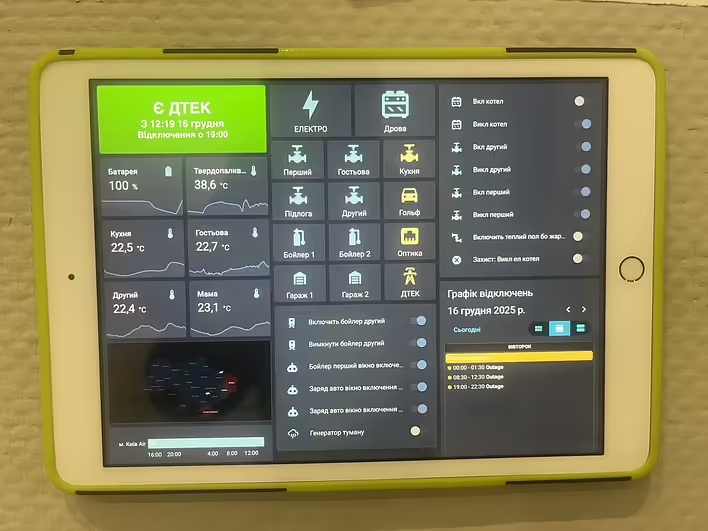
- hung an old iPad in the living room as a wall panel with the status of the house;
- removed some unnecessary apps from my phone — consolidated control in one place.
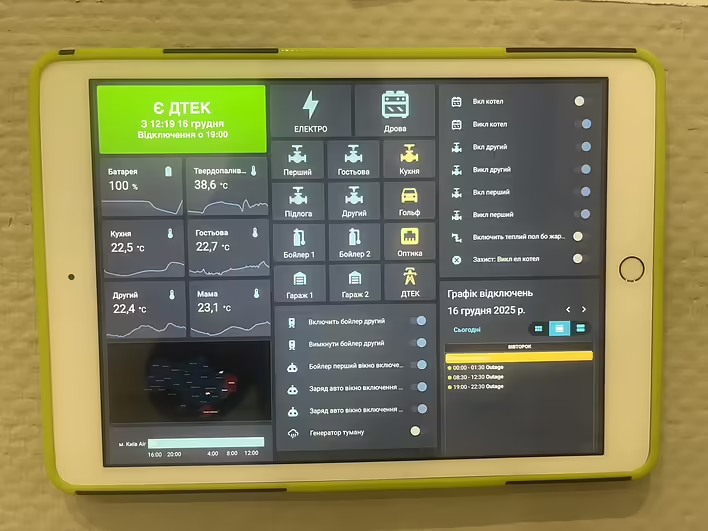
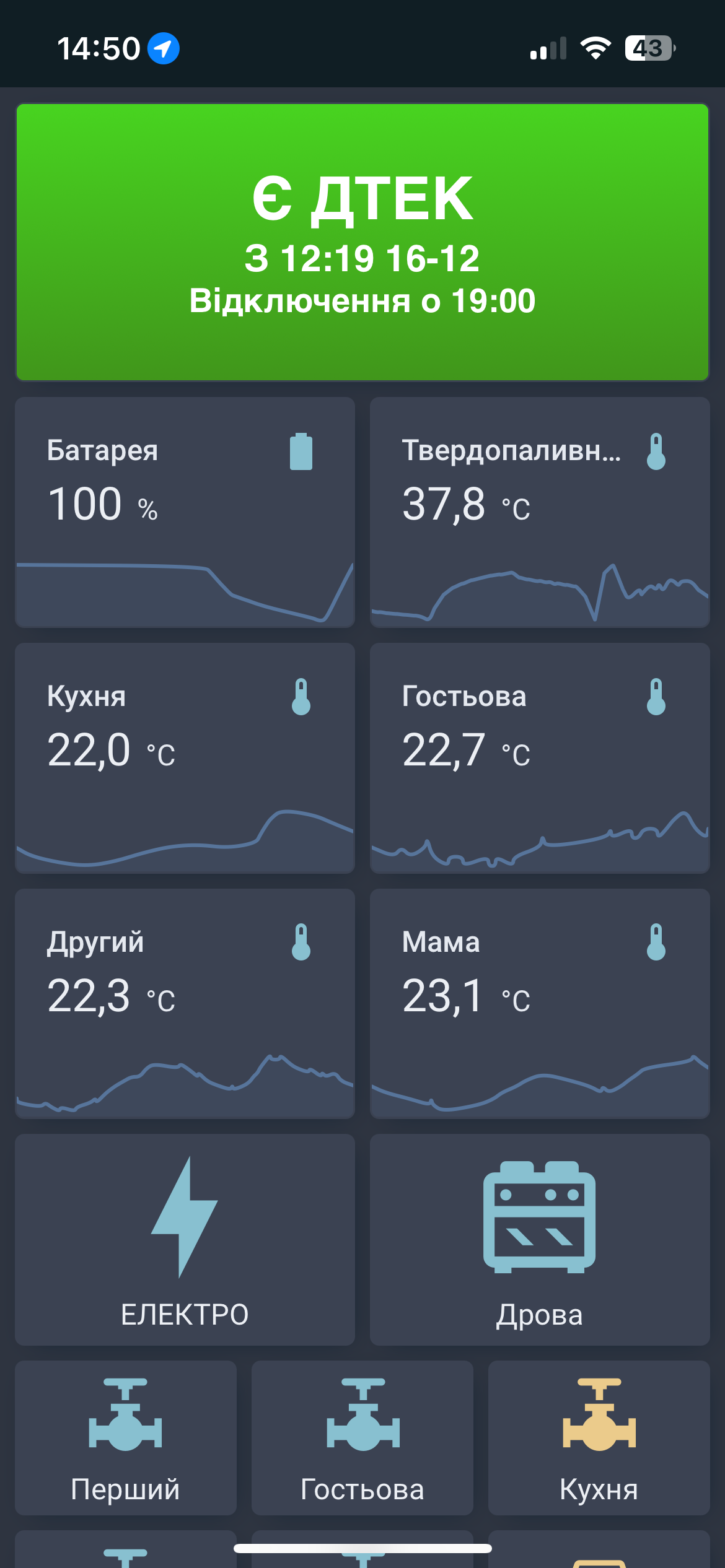
And most importantly — a normal logic of automations appeared. For example — a "charging window" for the boiler:
The boiler gets, conditionally, 5 hours a day. If there is city power during this time — it turns on. If the power goes out — it turns off. Outside the "window" — it doesn't turn on at all (or remains forcibly off).
With constant power outages, the benefit is very noticeable.
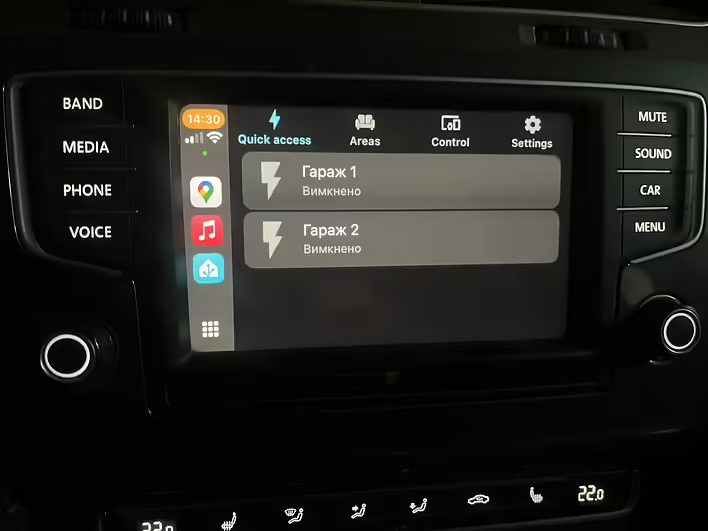
Another nice feature: integration with CarPlay. I literally set up buttons to open the garage on the head unit in just a few minutes — and this is one of those "little" automations that you then use constantly.
Era #4: ESPHome
In 2025, the outages became more severe. And I ran into a problem: the battery charge was insufficient, and there was no proper monitoring of the inverter and batteries.
I tried to monitor:
- the Must inverter;
- one of the batteries with Jikong BMS (BLE).
But it quickly became clear that many protocols are closed, and community support is weak. And then I discovered ESPHome.
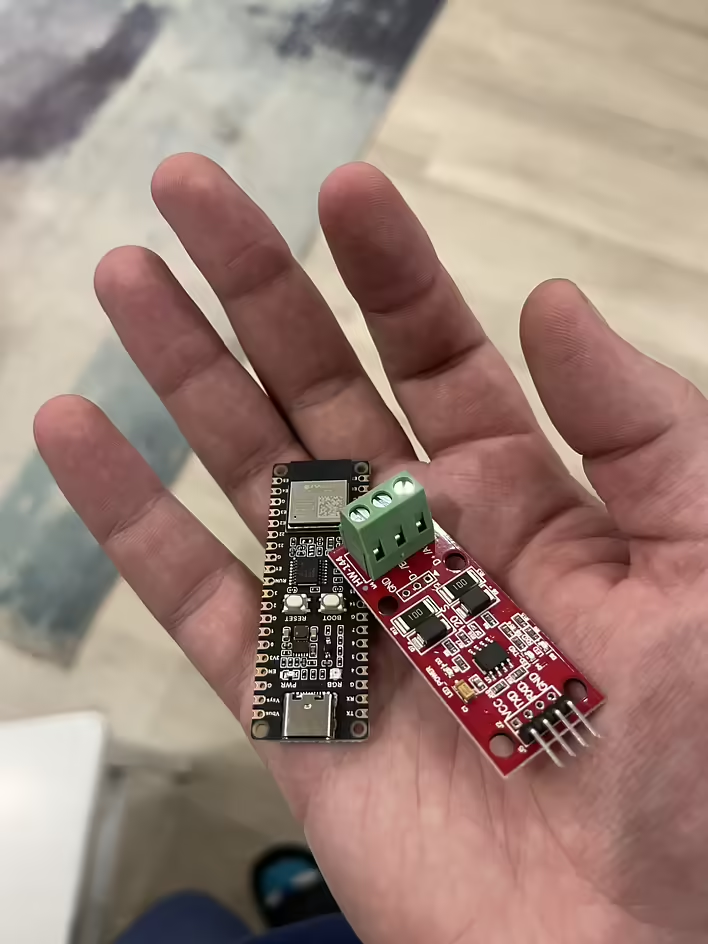
In fact, it looks like this:
- you describe a YAML config: sensors, relays, buttons, UART, BLE, Wi-Fi;
- ESPHome compiles the firmware and uploads it to the board (the first time usually via USB, then — OTA);
- in Home Assistant, everything is pulled in automatically, like normal entities.
For monitoring the inverter, I had to combine ESP32-C6 and a TTL↔UART converter.
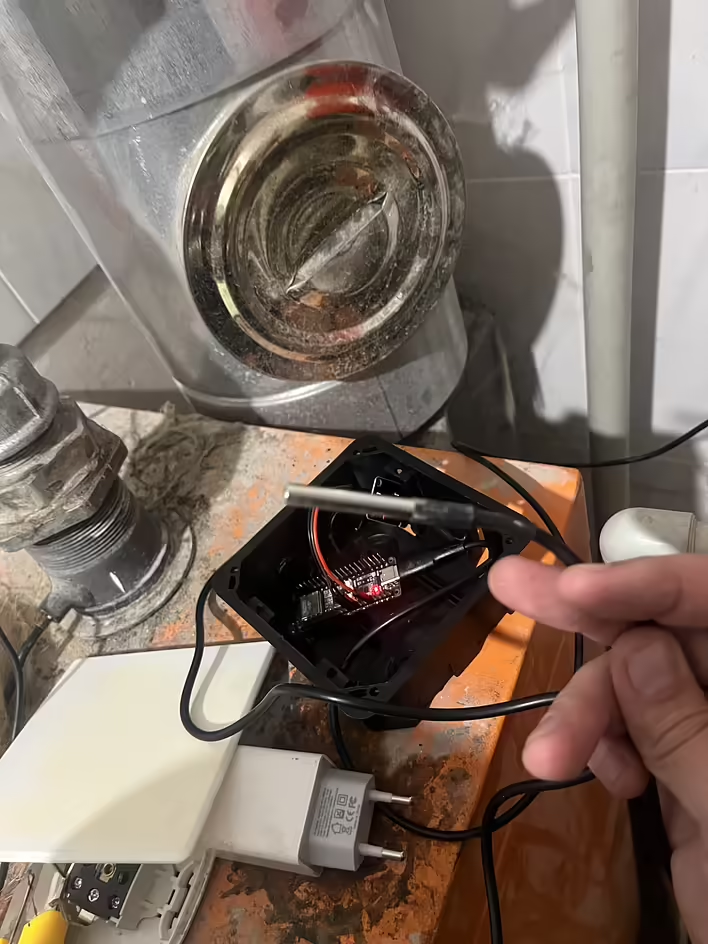
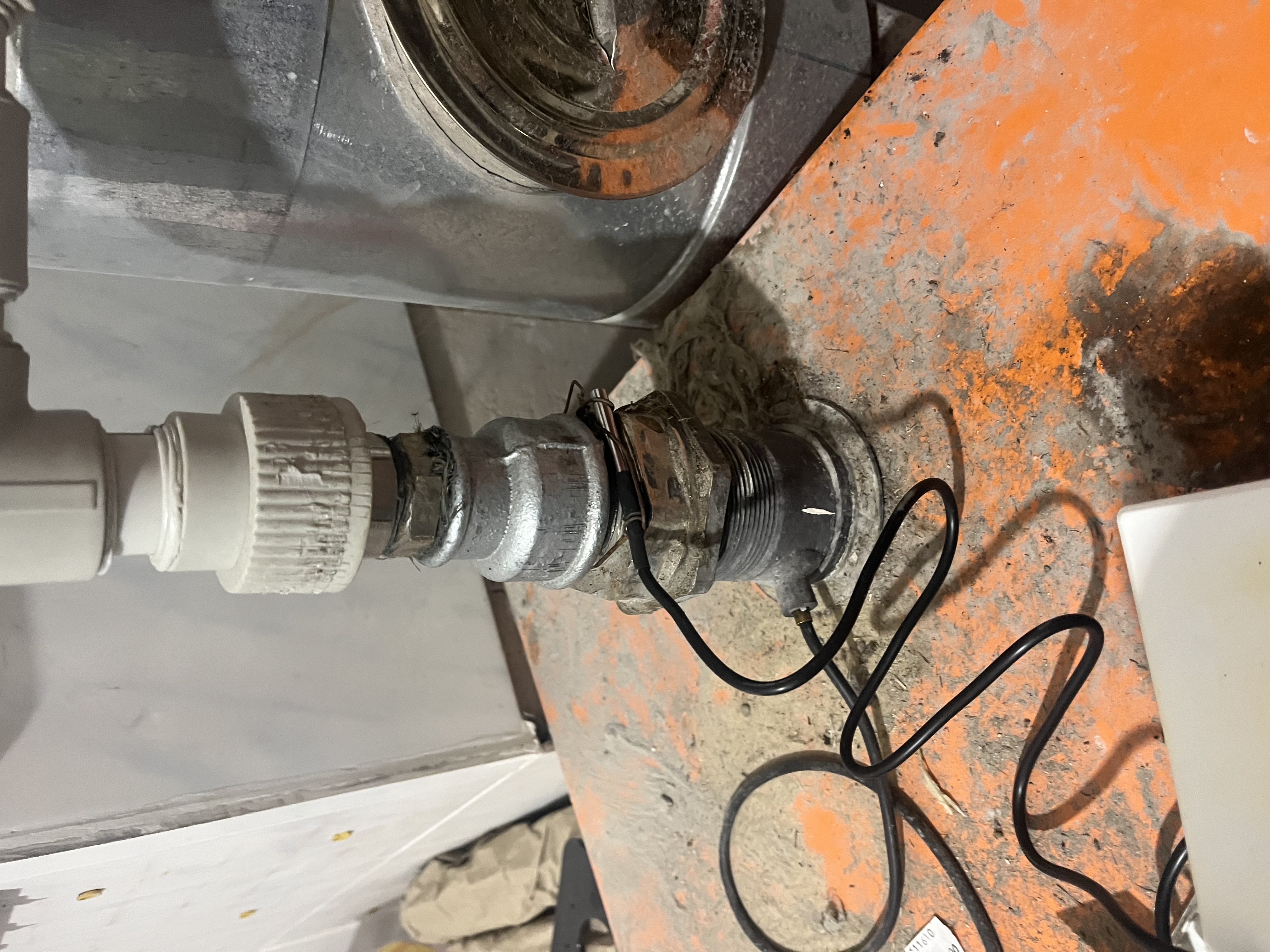
We also have a solid fuel long-burning boiler with quite primitive automation. To sleep more peacefully, I set up temperature control through ESP32-C6 + DS18B20 (it was sold as a set with a small resistor board). Now the temperature of the boiler lives in Home Assistant, and I can make alerts, graphs.
Conclusion
I started with one socket "so the boiler doesn't consume everything." And I ended up with a full-fledged system where:
- everything is in one interface;
- scenarios work logically, not by "app limitations";
- sensors and monitoring can be tailored to your needs.
Automation is not about "hype." It's about comfort and control. Especially when you live in a reality where electricity may or may not be available.
Like it?React
🧵
This post doesn't have any additions from the author yet.