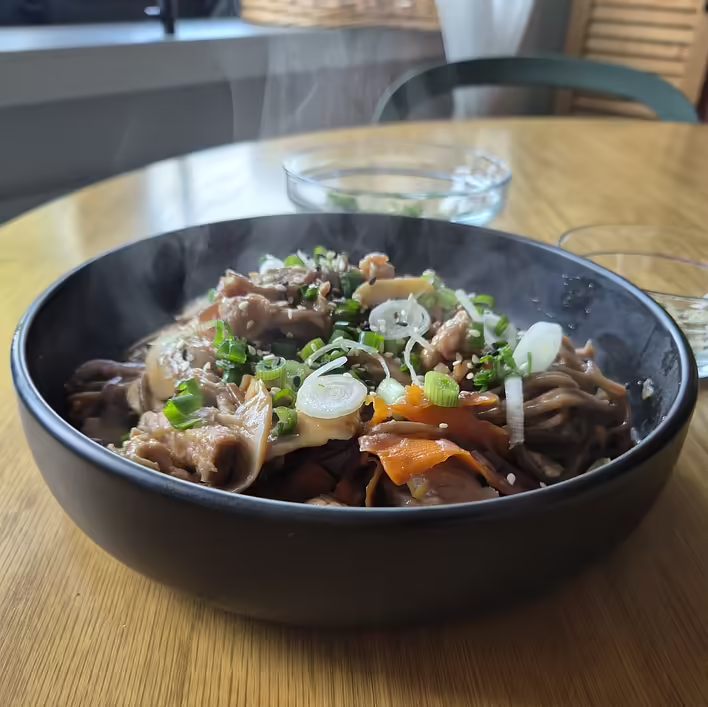
Banosh – one of the most famous dishes of Hutsul cuisine, traditionally cooked by shepherds in the Carpathians over an open fire. The base of the dish is cornmeal, cooked in sour cream or cream to a delicate creamy consistency. Unlike Italian polenta or mamaliga, banosh has a richer creamy taste and is almost always served with brynza and cracklings. Today, this dish has long transcended the mountainous regions and has become a true gastronomic hallmark of the Ukrainian Carpathians.
And finally, we got around to preparing this “classic” of Ukrainian cuisine. And while we are convinced that the tastiest banosh is made in a cauldron over a fire, ideally directly in the mountain meadow, we managed to prepare a delicious dish in the conditions of an ordinary home kitchen.
Time required: up to 30 minutes
Difficulty: 2 out of 5
Cost: average
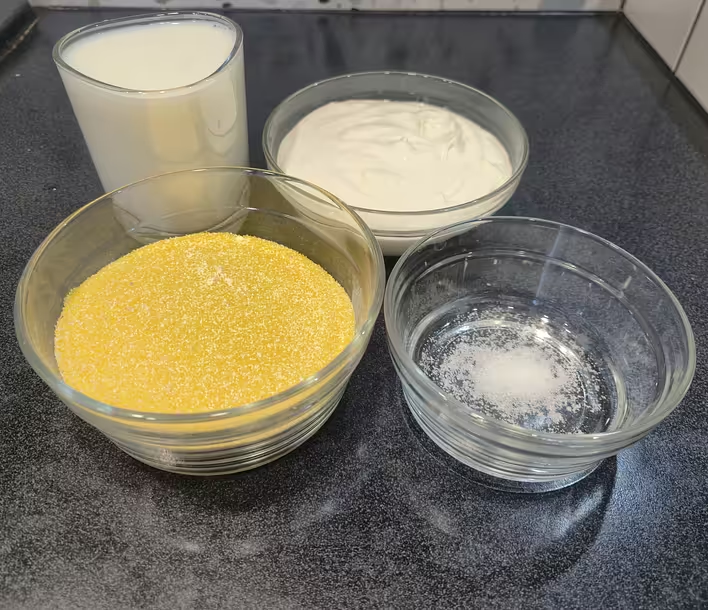
We will need
fine cornmeal – 150 g
sour cream – 250 ml
(we used homemade, but store-bought will work too)
milk – 250 ml
water – 250 ml
salt – to taste
optionally, you can add some butter if you are not strictly watching your calories and are afraid of overeating ;)
For serving:
brynza
cracklings
optionally – mushroom gravy.
Preparation
Choosing the right cookwareFor banosh, it is better to use a pot or saucepan with a thick bottom. This way, the cornmeal will heat evenly and there will be less risk of burning.
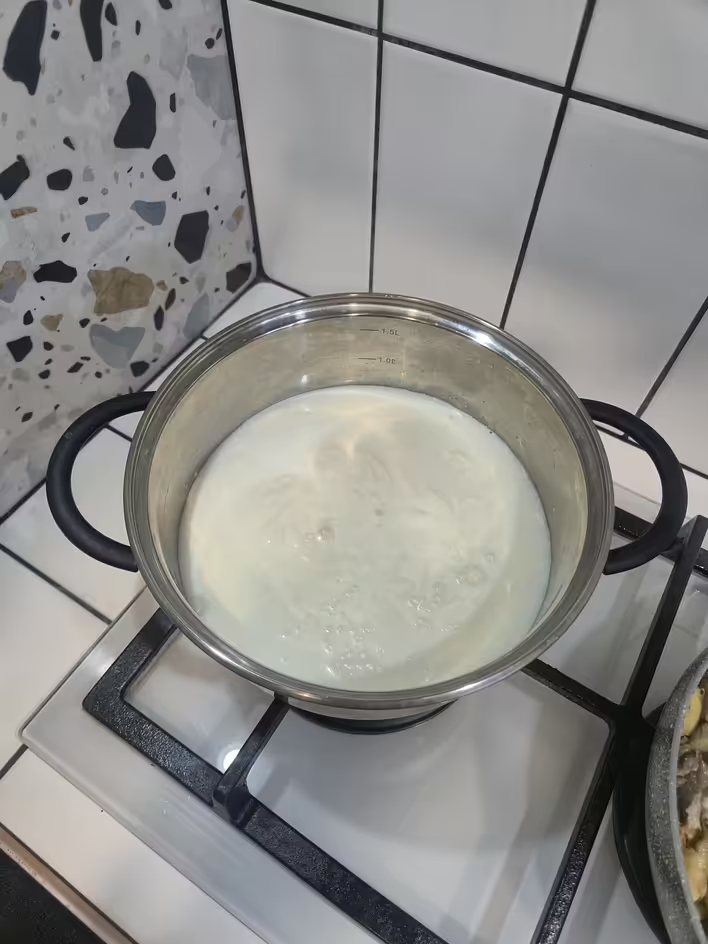
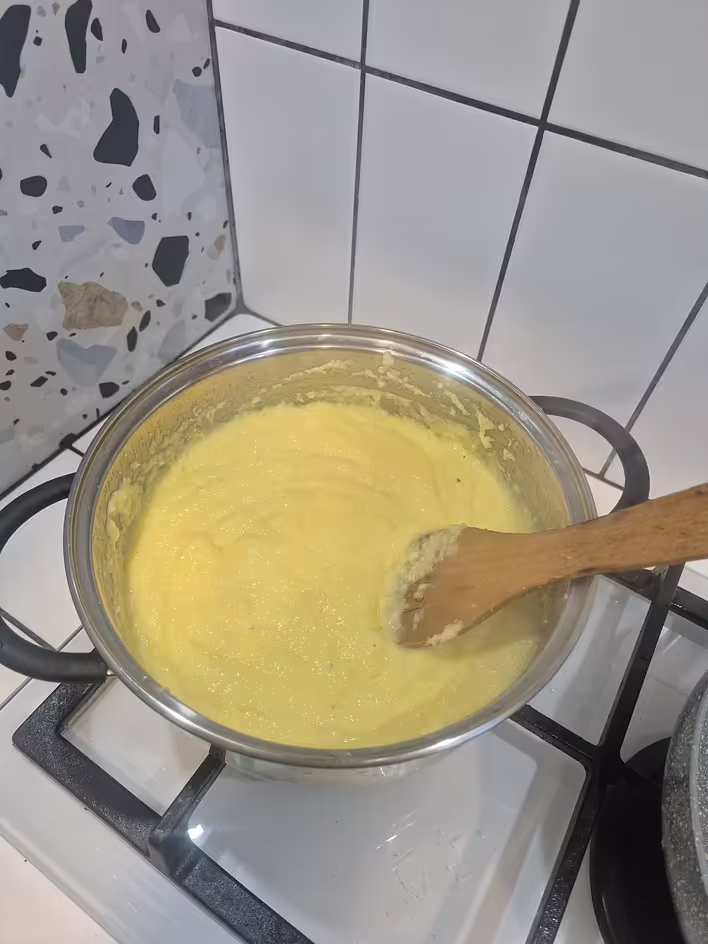
Preparing the dairy baseIn a pot, mix the milk and sour cream. Place it over medium heat and bring to a light boil, stirring constantly.
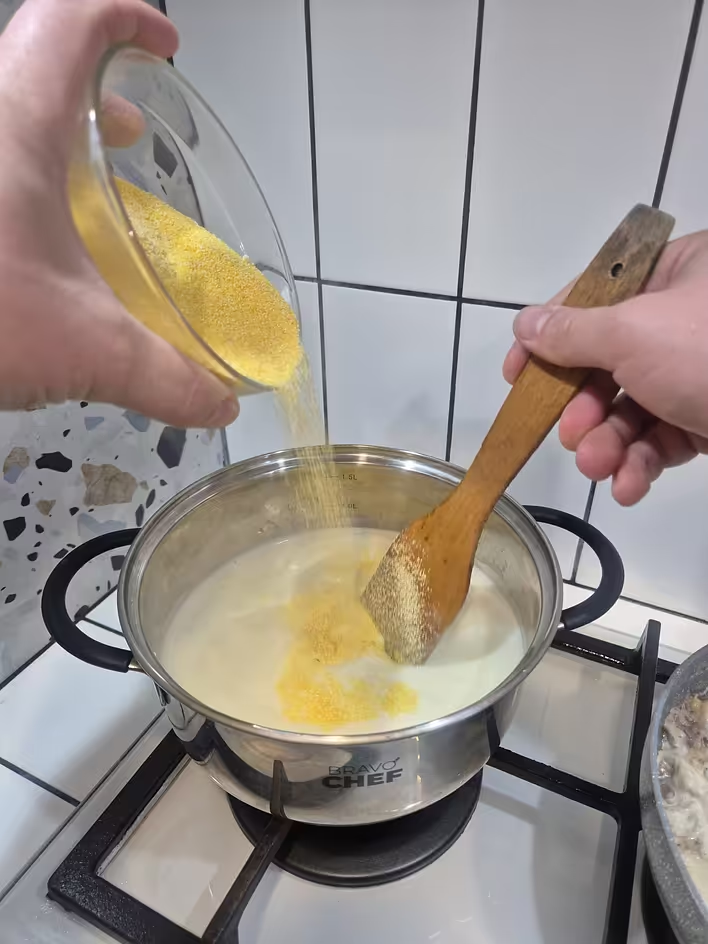
Adding the cornmeal Reduce the heat to the minimum. Gradually sprinkle in the cornmeal while actively stirring with a spoon or spatula. This is an important moment: if you add the cornmeal too quickly, lumps may form.
The Hutsuls assure: banosh should be stirred exclusively with a wooden spoon, and only clockwise.
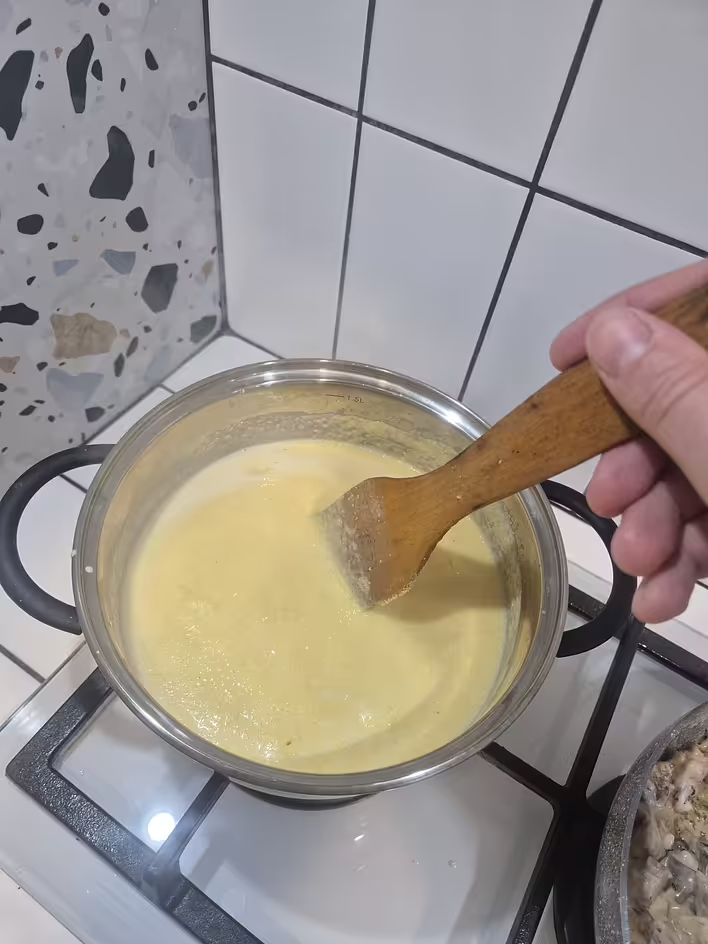
Adjusting the consistency The cornmeal quickly absorbs liquid and thickens, so during the process, periodically add water in small portions. Salt to taste.
Bringing to readiness Cook the banosh for about 20 minutes over low heat, stirring regularly. The finished dish should have a delicate, creamy texture without dry lumps.
Serving
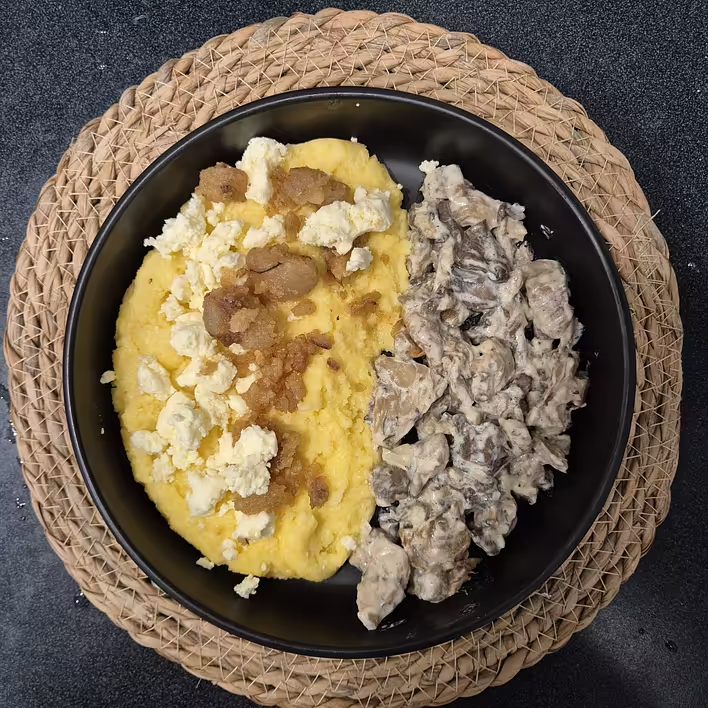
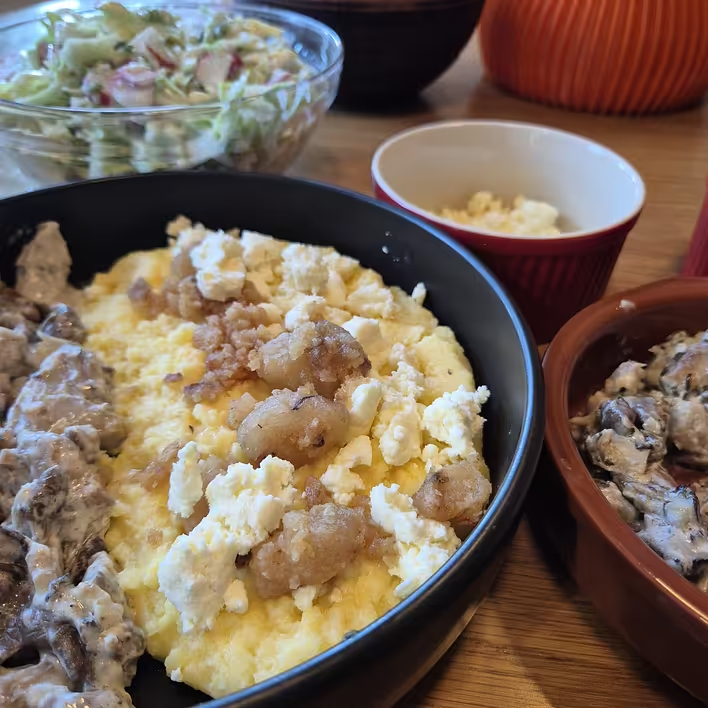
The classic option is with brynza and cracklings. The salty brynza perfectly balances the creaminess of the banosh, while the cracklings add texture and rich flavor.
Banosh also pairs wonderfully with mushroom gravy — especially with porcini or champignon mushrooms. We used oyster mushrooms, the recipe for which can be read right here.
Banosh tastes best hot, just after cooking.Enjoy! ;)