Sauerkraut is one of the oldest and most beneficial dishes of Ukrainian cuisine, preserving maximum nutrients. The fermentation process is a natural fermentation, thanks to which ordinary fresh cabbage transforms into a true source of vitamins, probiotics, and enzymes that are beneficial for digestion. Sauerkraut is rich in fiber, vitamin C, and is an excellent option for strengthening immunity during the winter period.
During fermentation, it is important to use non-iodized rock salt, as it promotes the proper development of lactic acid bacteria, which ensure the fermentation process. Iodized salt can make the cabbage excessively soft, affecting its taste and texture.
Time required: preparation – 20 minutes, fermentation – 4-5 days
Difficulty: 1 out of 5 if using pre-shredded cabbage, 2 out of 5 if shredding it yourself
Cost: low
We will need:
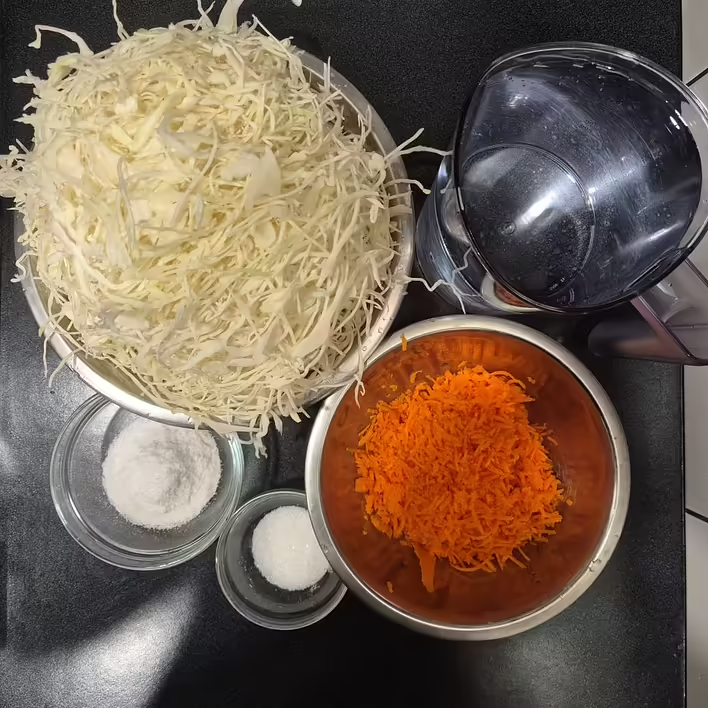
3 kg of cabbage (we bought pre-shredded)
150 g of carrots
1.5 l of cold drinking water
60 g of salt (it is very important to emphasize again that you should use non-iodized rock salt. Only such salt will make the cabbage crunchy)
20 g of sugar
optionally – bay leaf, allspice, and black peppercornsInventory:
1 plastic bucket with a capacity of 8 l
1 plastic bucket with a capacity of 5 l (to be used as a weight)
1 large polyethylene bag
продуктовий набір
Preparation
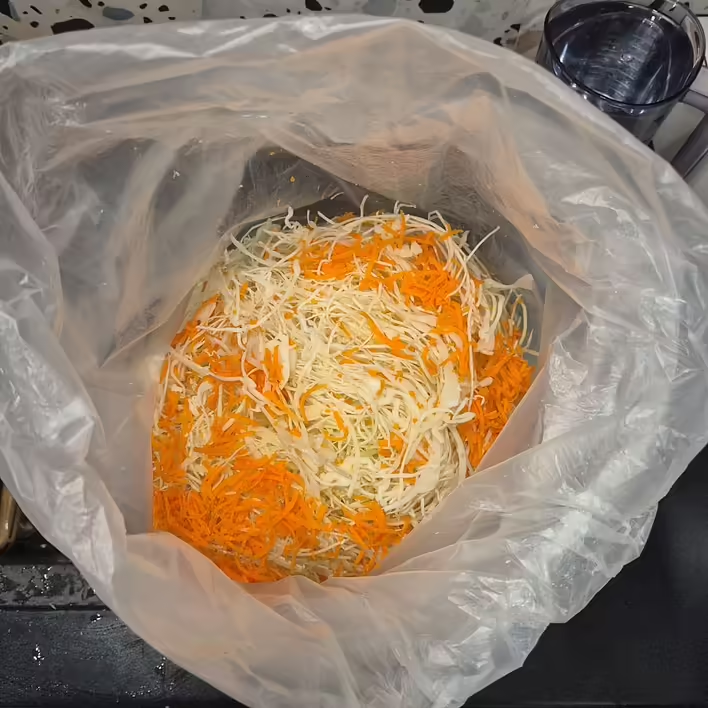
We made our life easier by buying pre-shredded cabbage (it costs almost the same as regular cabbage). If you cannot buy it, you can shred it using a cabbage shredder.We only need to grate the carrots and start preparing. For this, we transferred the cabbage into a polyethylene bag, lightly pressed it, added the carrots, and mixed thoroughly. We place the bag with the mixture of shredded vegetables into a larger bucket.
нашатковані овочі в мішку
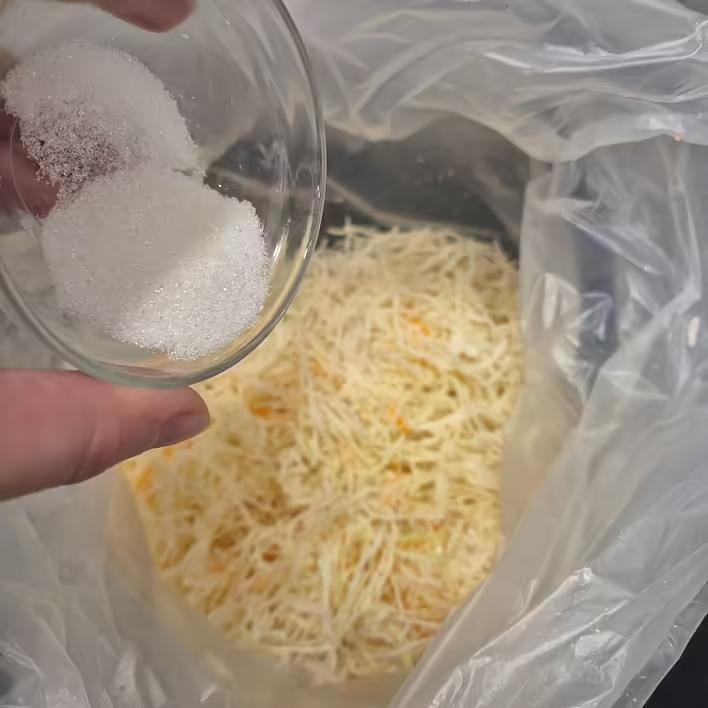
We add sugar to the vegetable mixture. It is necessary as "food" for the lactic acid bacteria, which turn ordinary cabbage into sauerkraut.
додали цукор
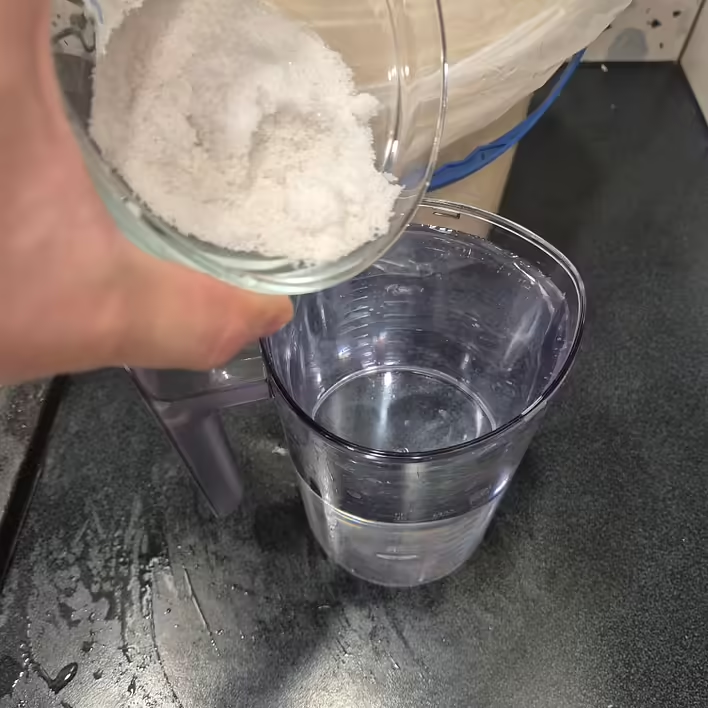
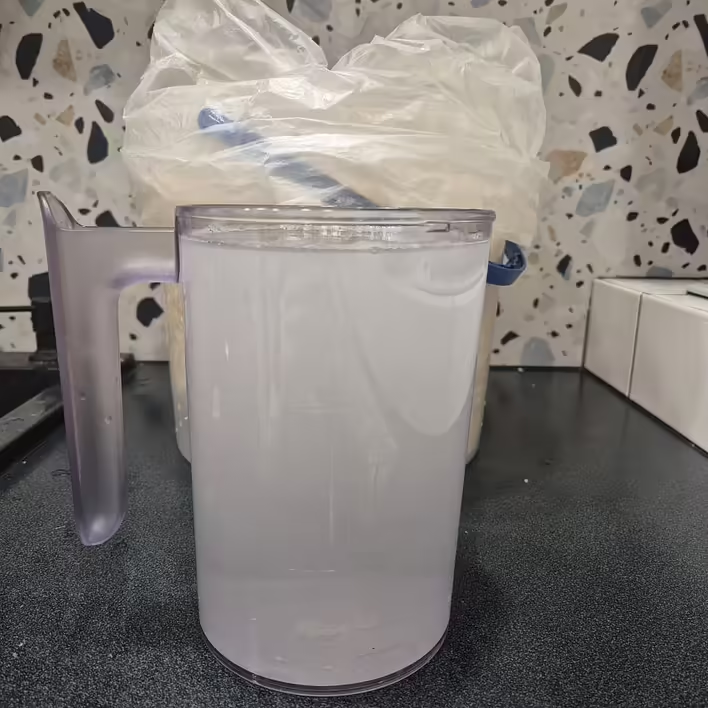
To 1.5 liters of water, we added salt and mixed thoroughly with a spoon until completely dissolved.
додаємо сіль
вимішуємо до повного розчинення
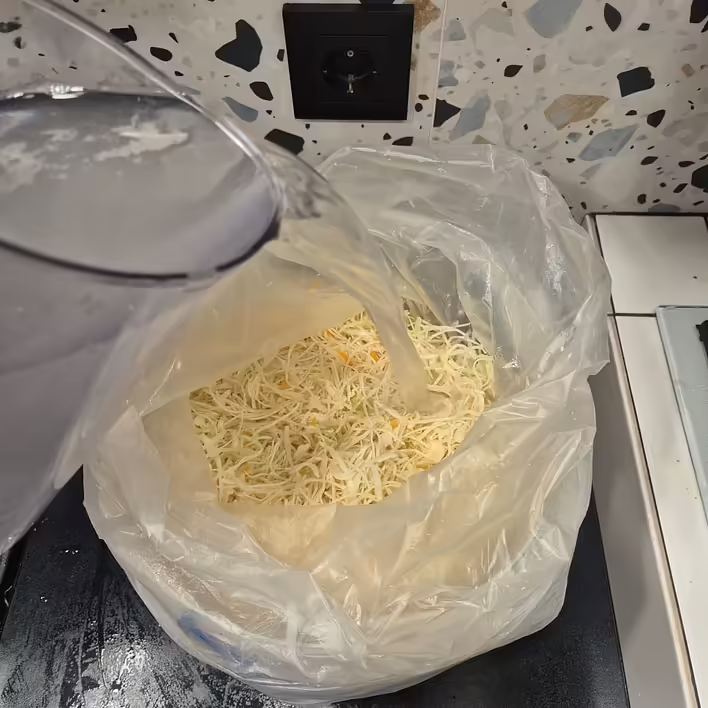
We pour the salted water into the bag.
ось так
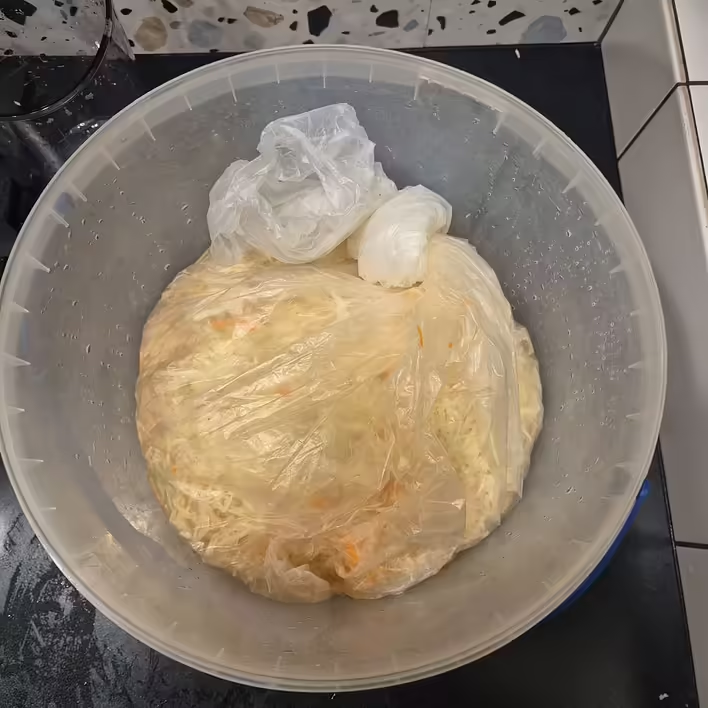
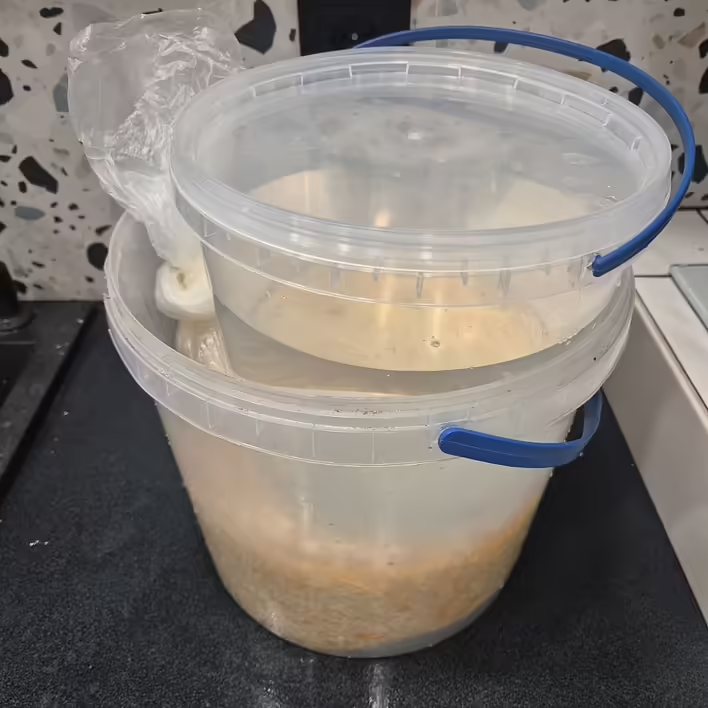
We release excess air from the bag and tie it at the top. We place a five-liter bucket filled with water on top. At this stage, it will act as a weight.
зав'язуємо на найпростіший вузол
ось така конструкція вийшла в результаті
We leave the cabbage in a warm place and daily untie the bag for a few minutes to release excess gases. In 4-5 days, during the fermentation process, the cabbage will ferment and be ready for consumption.
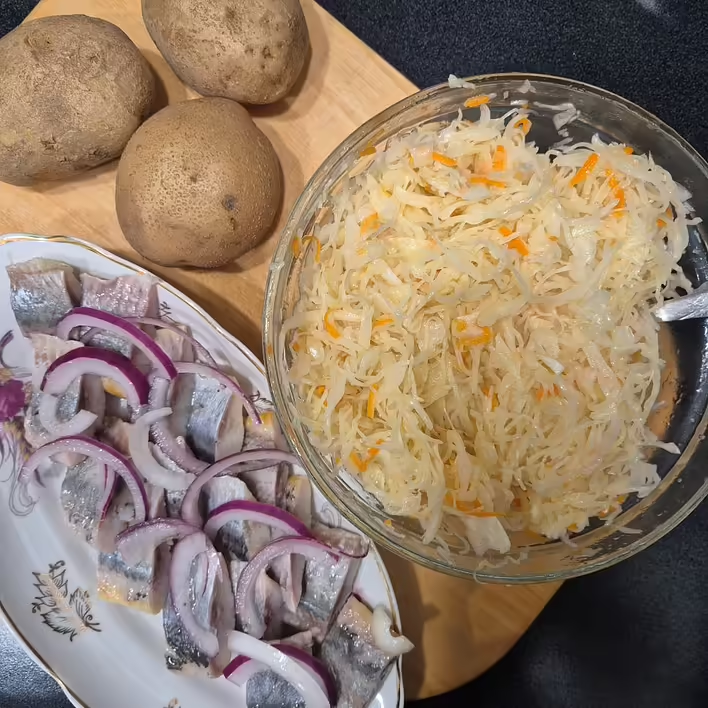
We pour the water out of the smaller bucket, transfer the cabbage from the bag into it, and cover it with the remaining brine so that it completely covers the cabbage. The finished product should be stored in the refrigerator. This cabbage can be consumed as a delicious standalone salad, seasoned with fragrant unrefined sunflower oil and finely shredded onion, or it can be stewed, or used as a filling for dumplings or pies.
смачна та хрумка квашена капуста