This content has been automatically translated from Ukrainian.
Analog photography is not just about precision and classic shots, but also about experiments, unexpected colors, and an artistic approach. One of the most interesting and surprising methods of developing is cross-processing (Cross-processing or X-Pro). This technique allows for psychedelic colors, high contrast, and surreal shades that cannot be reproduced in a conventional digital process.
What is cross-processing?
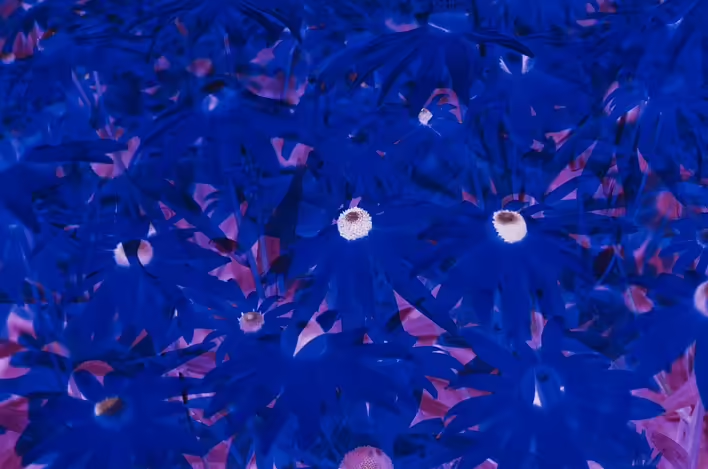
Cross-processing is a method of developing photographic film in the "wrong" chemical solution. Initially, color photographic film was created for development in a specific process, but chemists and photographers discovered that using a different developer yields completely unique results.
Main X-Pro options:
- Developing slide film (E-6) in chemistry for color negative film (C-41)
- Developing color negative film (C-41) in chemistry for slides (E-6)
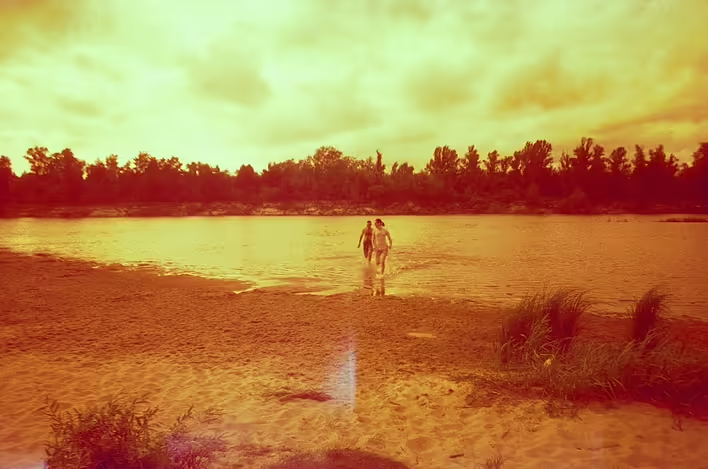
The first method is the most popular and provides the same acid tones, bright colors, and contrast associated with X-Pro.
How does it work?
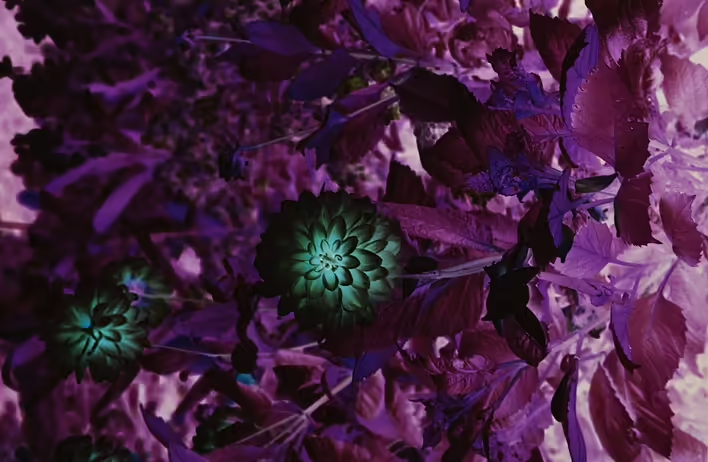
Each type of film has unique emulsions and color layers that react to specific chemical processes. When developing film in the "wrong" way, these layers behave unpredictably:
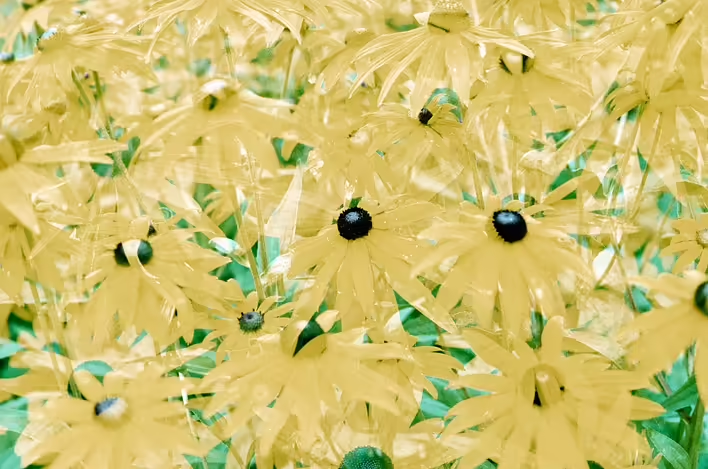
🎨 Unconventional colors – green becomes turquoise, red turns dark orange, blue becomes ultraviolet.
🌈 Increased contrast and saturation – images become more expressive, sometimes resembling frames from old movies.
💥 Yellow or blue tint in shadows and highlights – in some cases, highlights receive a warm tint, while shadows take on a cool one.
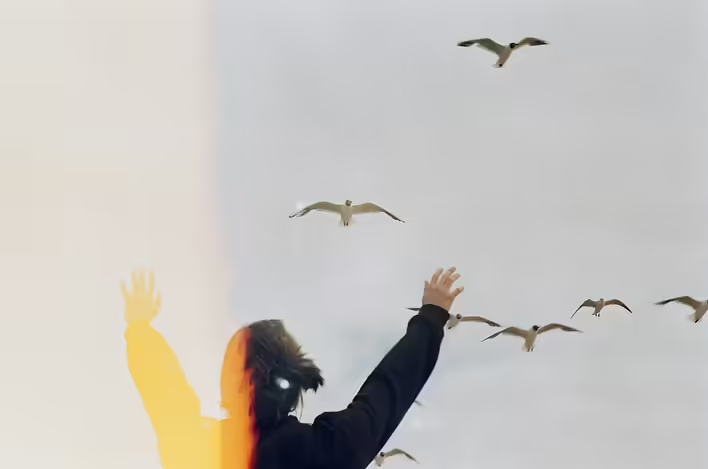
🌀 Grunge effect – sometimes random artifacts, spots, or even "light leaks" appear.
Films that yield the best results in X-Pro
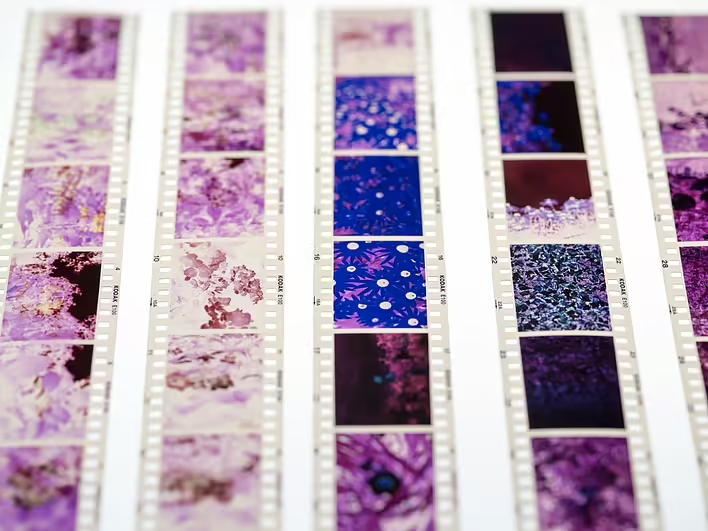
📷 Kodak Elite Chrome 100 – one of the classic options for cross-processing, providing rich reds and yellows.
📷 Fuji Velvia 50 / 100 – known for its deep greens and blues after X-Pro.
📷 Fuji Provia 100F – adds a slight blue-green tint and sharpens contrast.
📷 Agfa Precisa 100 – enhances purples and turquoises, creating a surreal look.
📷 Lomography X-Pro 200 – specially designed for cross-processing, with bright yellows and oranges.
How to do X-Pro yourself?
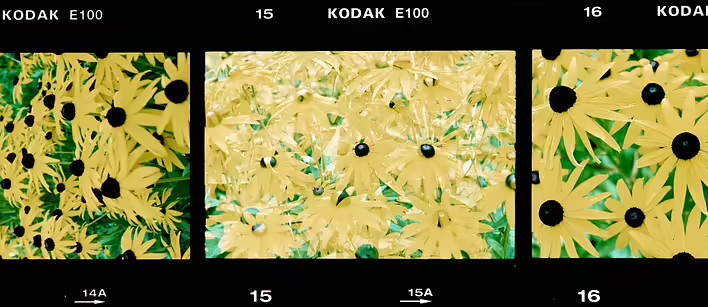
- Choose slide film (E-6) – the most common option for experiments.
- Find a photo lab or develop it yourself – some labs may refuse X-Pro, so it's better to ask in advance.
- Use C-41 instead of E-6 – just inform the lab that you need to develop slide film in C-41.
- Scan and experiment with colors – after development, you can further play with colors during scanning by adjusting the white balance.
Why should you try cross-processing?
- Unpredictable results – each roll of film develops differently, adding an element of creative chaos.
- Artistic expressiveness – X-Pro provides effects that cannot be imitated in digital programs.
- Atmosphere of retro films – bright contrasts and saturated colors evoke the style of the 90s.
- Surrealism and experimentation – this method is perfect for portrait, fashion, and street photography.
Cross-processing is the magic of analog photography that allows you to see the world in new, unexpected colors. It's a great way to add expression to your shots and make photography more artistic. If you want to experiment and capture unique frames, X-Pro is just what you need!
Like it?React
🧵
This post doesn't have any additions from the author yet.