Sometimes the most interesting blog topics appear unexpectedly. For example, when a corporate gift arrives from work – a fruit box with exotic fruits. Among familiar Sicilian oranges, pomelo, mandarins, passion fruit, and mango, there are some unusual and mysterious fruits: lychee, pitaya, and granadilla. It is the latter that we want to talk about in this post.
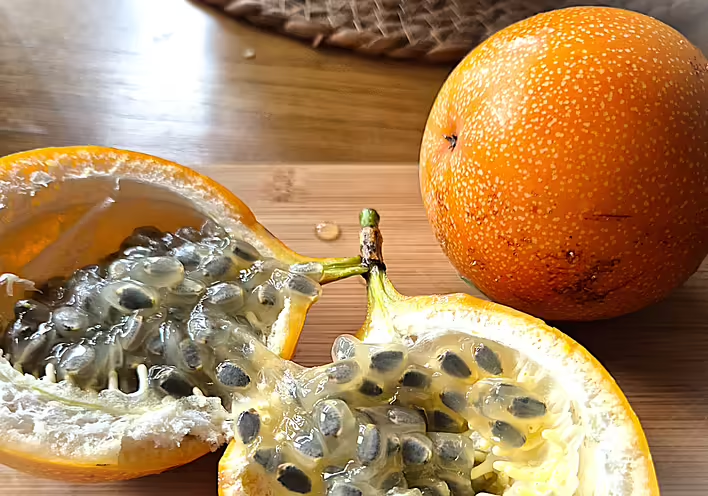
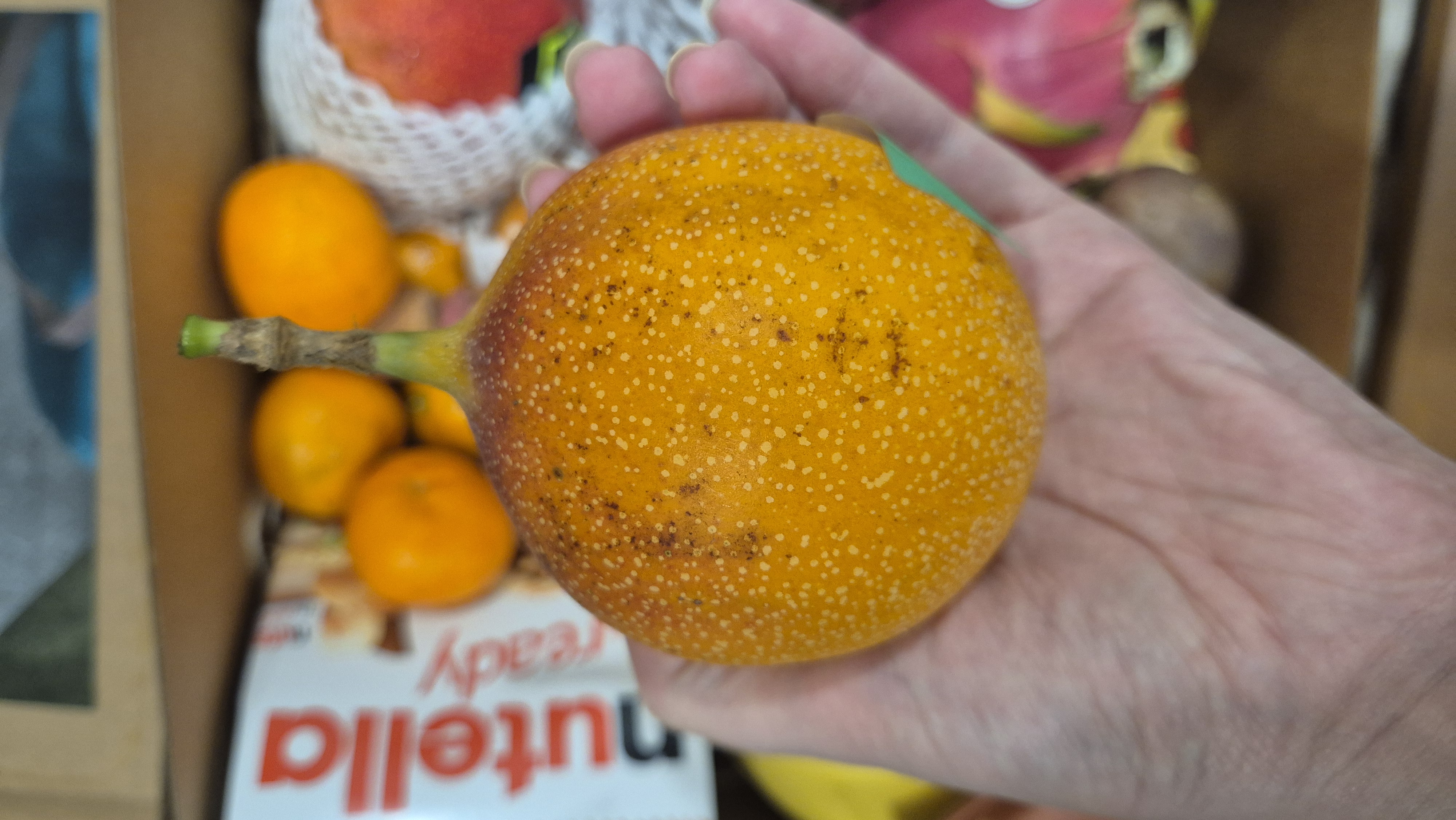
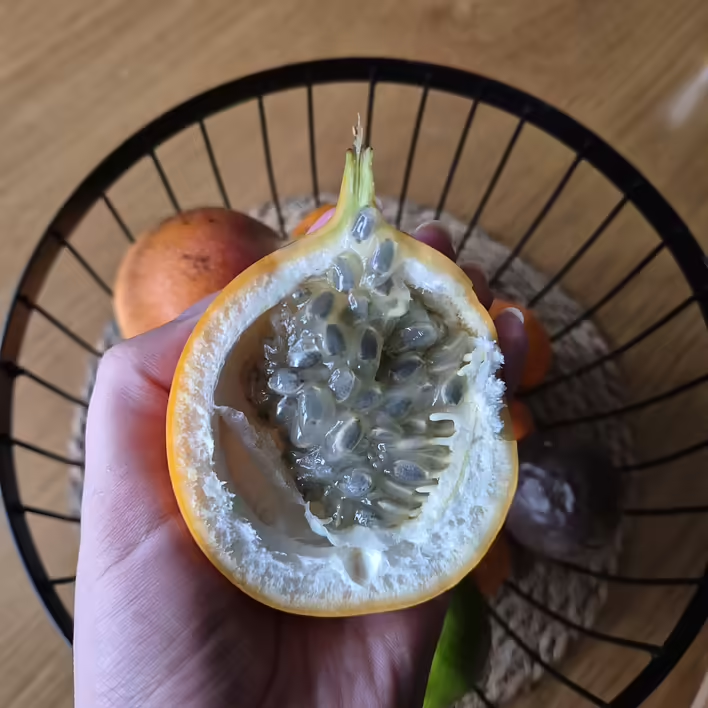
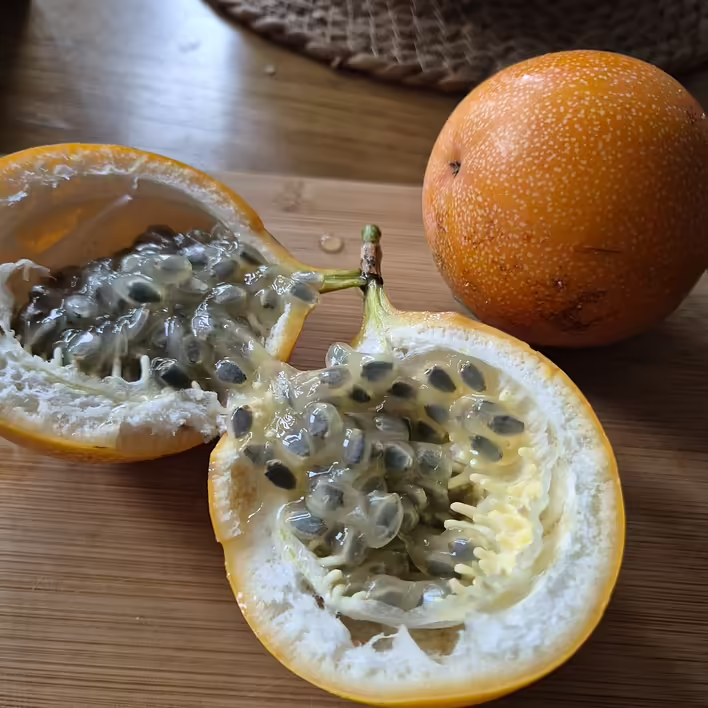
So, meet: granadilla, also known as passion fruit, a very close relative of the passion fruit. Granadilla (Passiflora ligularis) is a tropical fruit from the passionflower family. Externally, it is round or slightly oval, with a hard, smooth skin that is orange or yellowish in color. Inside, there is a very fragrant, jelly-like pulp with black and brown-purple edible seeds. As we mentioned, the closest and most well-known "relative" of the passionflower is the passion fruit. They are subjectively very similar in aroma and taste. Essentially, they are different species of the same genus, but granadilla is usually sweeter and milder in taste, without a bright acidity.
If we were to describe the taste briefly, the flavor profile of granadilla looks like this:
sweet
fruity-floral
very aromatic
with a light tropical freshness.
In terms of sensations – it is something between passion fruit, pear, and tropical honey. The acidity is minimal, so granadilla is often eaten simply with a spoon, without sweetening.
A Bit of Historical Excursion
The name passiflora comes from the Latin passio, which translates to "suffering." It is not a very fitting name for the taste of the fruit, so we prefer the English translation passion, which is a bit better in the context of translation – "passion."
However, as they say, you can't remove words from a song. Spanish missionaries in South America saw in the structure of the passionflower's flower symbols of the Passion of Christ:
the stamens – are the nails
the pistil – is the cross
the corona – is the crown of thorns.
Hence the epic, somewhat mystical name. However, there is a theory that the word "granadilla" is still linked to the Spanish granada – "pomegranate," due to the fruit's resemblance to a small pomegranate and the large number of seeds inside.
What Does Granadilla Pair Well With?
Granadilla is a versatile and very "friendly" fruit in cooking. It pairs wonderfully with:
desserts: mousses, cheesecakes, panna cotta
yogurts and syrniki
fruit salads
sorbets and ice cream
cocktails and lemonades.
You can also make a sauce from passion fruit and use it as an accent for pancakes or Belgian waffles.
Can You Grow Granadilla from a Seed?
This is often the question we ponder when we come across exotic fruits. After browsing forums across the internet, we can give a short answer: yes, you can grow your own granadilla from a seed, but there are nuances.
What you need:
fresh seeds (from a well-ripened fruit)
light, well-drained soil
warmth indoors (not lower than +20-22 °C)
plenty of light
a support (granadilla is a vine, not a tree).
Important points:
the seed germinates slowly (about 2-6 weeks)
in indoor conditions, the plant can grow and bloom
fruits appear rarely, for fruiting you need pollinators or manual pollination
in open ground in our climate, the plant does not survive the winter.
So, growing passion fruit as a decorative plant is quite feasible, but for the sake of a harvest, a greenhouse and patience are needed.
Thus, we can summarize that granadilla is not only a sweet and aromatic tropical relative of the passion fruit. It is a fruit with an interesting history and symbolic name, a wonderful ingredient for desserts and drinks, and a plant that can be grown at home, although rather "for the soul." It is a perfect example of how one exotic fruit from a gift box can turn into a separate gastronomic story.