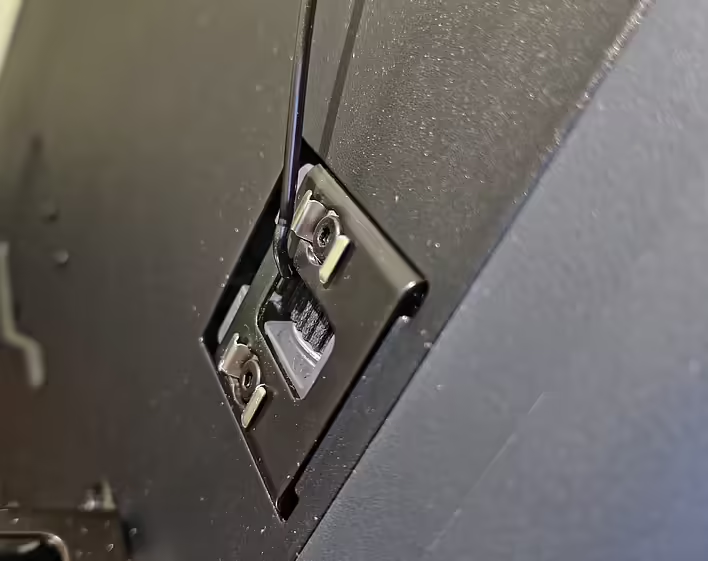
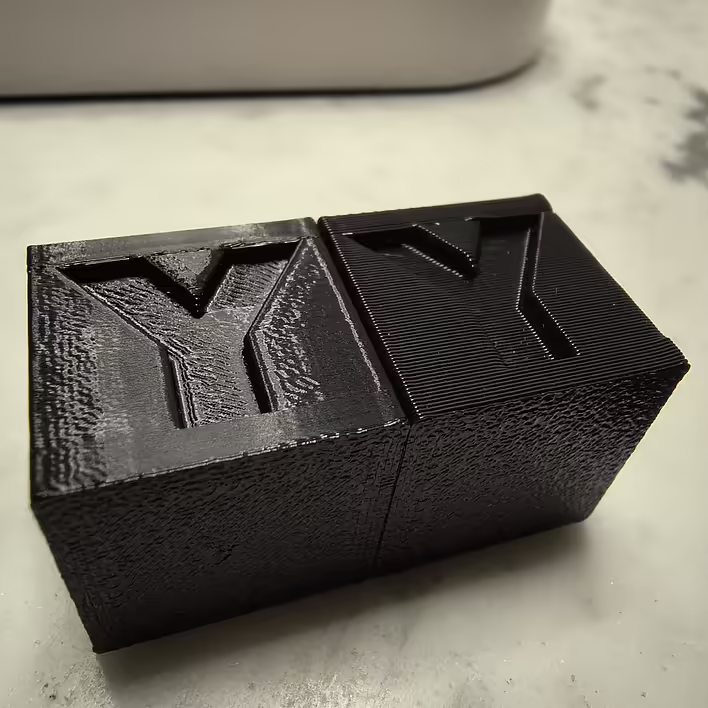
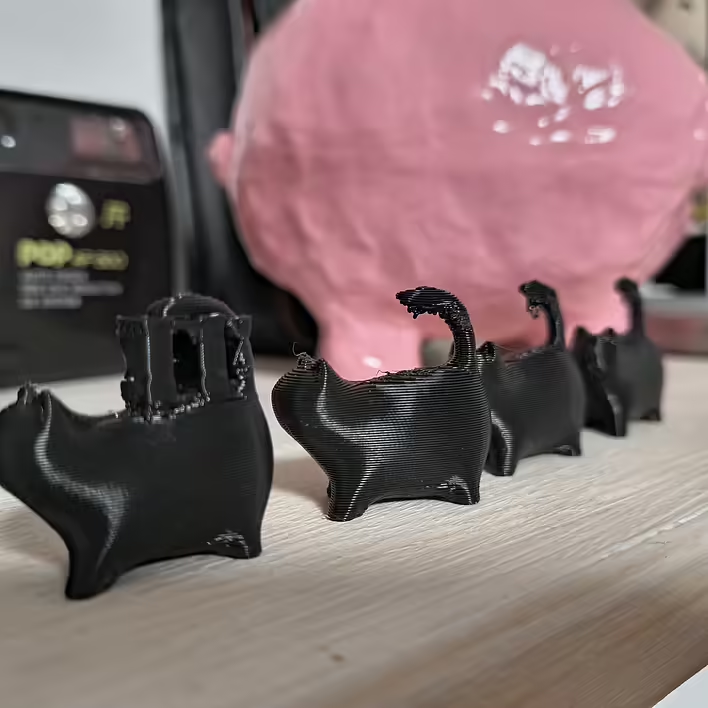
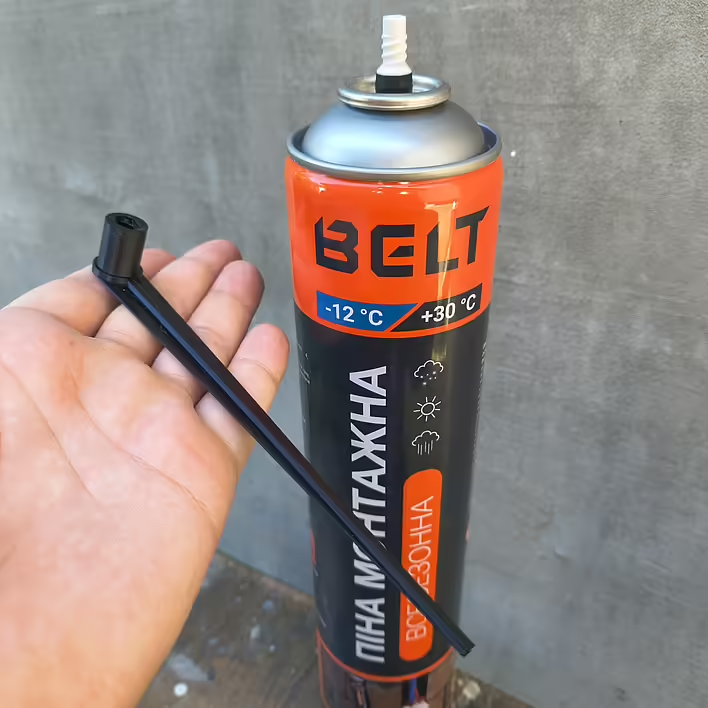
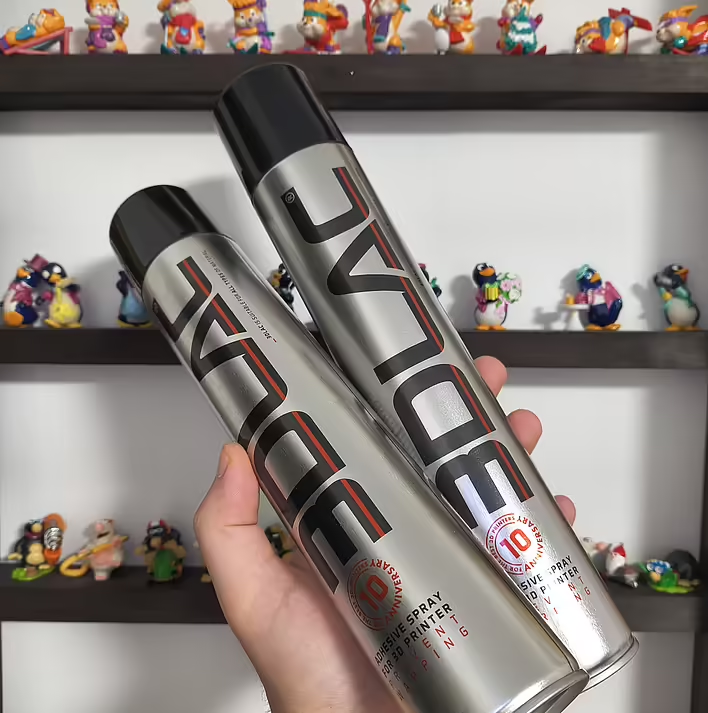
3DLAC — is a special adhesive spray that is applied to the build plate of a 3D printer to improve the adhesion of the first layer of filament. It prevents the model from peeling off and deforming during printing, and after completion, it makes removal easier.
How does 3DLAC work?
After application, 3DLAC forms a thin sticky layer on the surface of the plate. When heated (usually within 60–110°C), this layer activates and provides reliable adhesion of the first layer of filament to the plate. After printing is complete and the platform cools down (below about 30°C), the adhesion weakens, and the model can be easily separated without tools and damage.
Instructions for use
1. Preparing the plate
Remove any remnants of previous prints. I usually wash the plate with plain water.
Ensure that the surface is completely dry and clean.
2. Shake the can
Shake the can well before application (5–10 seconds).
3. Application
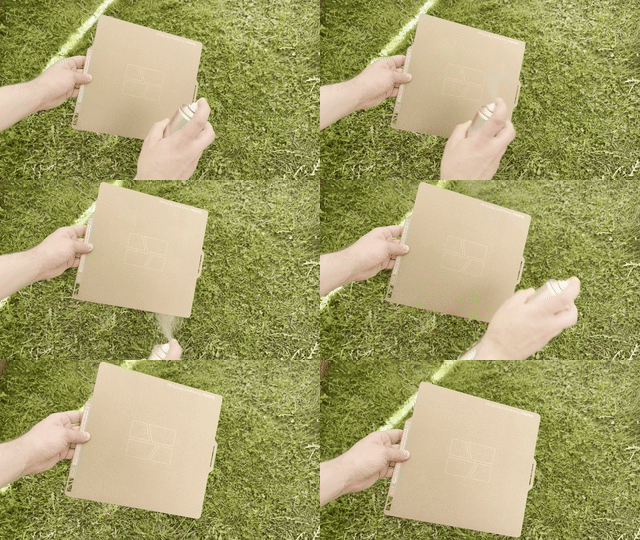
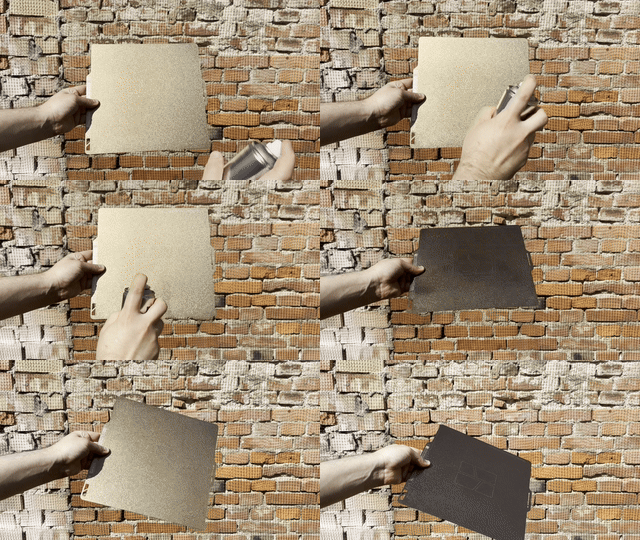
Spray from a distance of 20–30 cm. I usually go over the entire area twice — this is usually sufficient.
Apply evenly, without excess.
4. Printing
Start the print. When the plate heats up, 3DLAC will start to work — providing reliable adhesion of the first layer.
5. After printing
Wait for the plate to cool completely.
The model easily falls off by itself or with slight effort. I sometimes bend the plate a little to help the parts separate faster — I'm not sure how correct this is, but it works for me.
Cleaning and reusing
It is not necessary to wash the plate after every print. It doesn’t make sense.
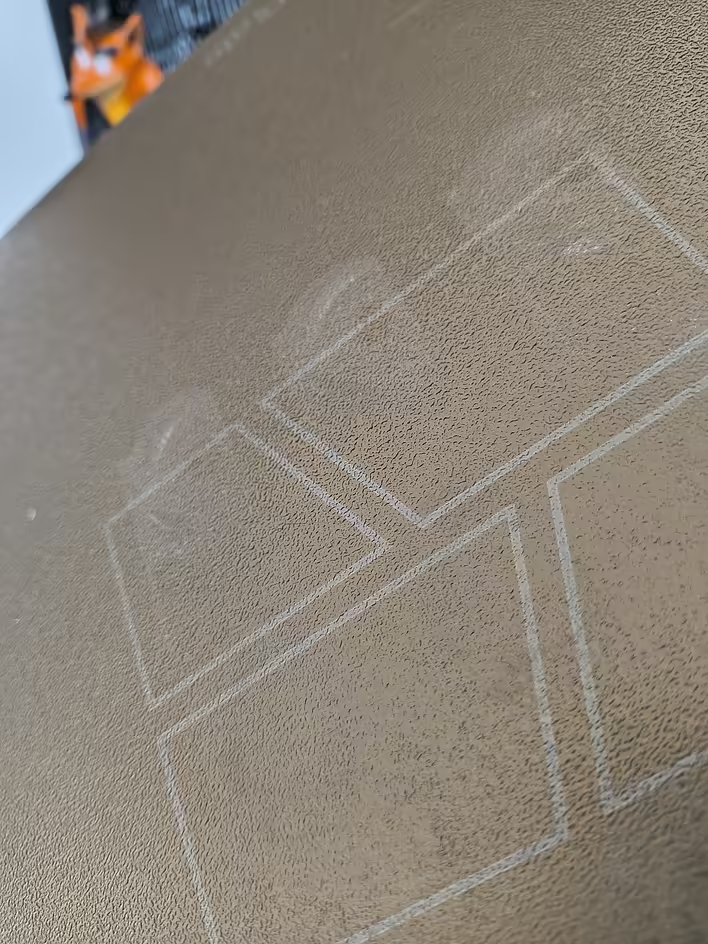
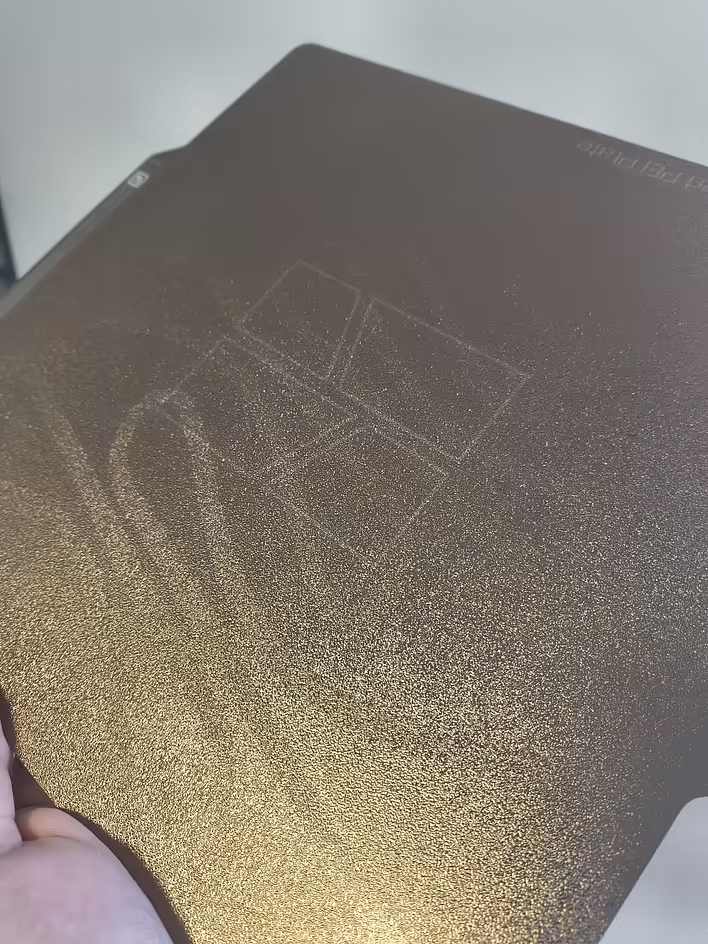
According to the official instructions, it is enough to apply a little spray to the area where previous parts were (white marks remain on the plate — they will indicate where to spray).
I wash the plate after approximately 0.5–2 kg of printed filament. Especially if there is noticeable dust, dirt, or hair.
If you accidentally touch the plate with your finger — it’s not a big deal, 3DLAC usually handles it.
How to know when it’s time to wash the plate?
I check visually: if there is dust, lint, or plastic hair stuck — I wash it.
If the surface seems fine for printing — I continue printing.
Works very well with PETG.
I don’t have much experience with ABS, but it seems like more lacquer is needed because it sticks quite strongly. The plate for ABS should be hotter, so the cooling time will be a bit longer.
How long does it last?
Currently, I have printed about 35 kg in total on the printer. The second can (400ml) is running out. The price is not very low (~10-12 dollars), but considering that there are no adhesion problems (with PETG) now and I don’t have to constantly spend time washing the plate - it’s not bad.
Taking into account the calculation errors in usage, it can be confidently said that 1 can (400ml) is enough for me for 15+ kg of PETG.
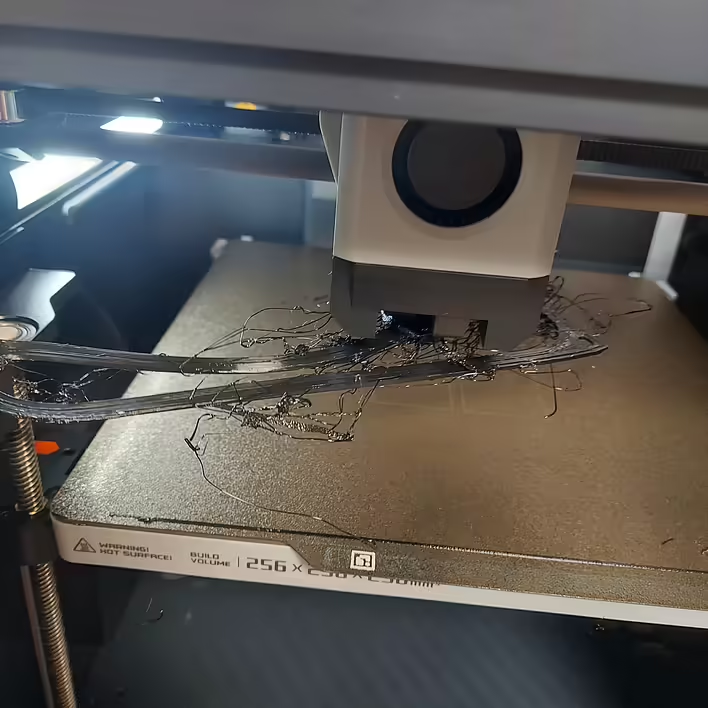
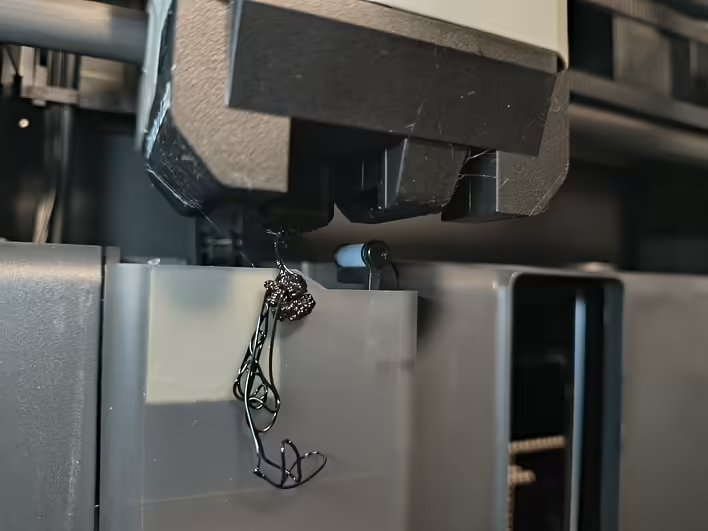
Now I don’t have this at all:
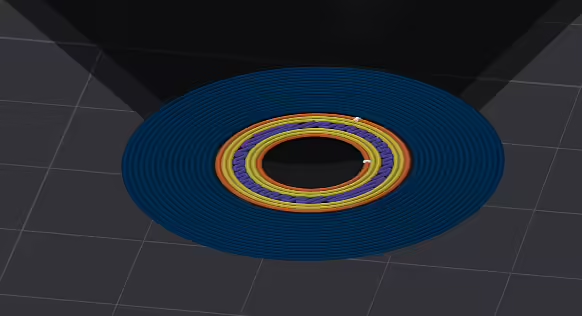
Відлипла модель від столу та зачипилась за сопло
In the PrintArmy chat, more experienced printers will recommend alternatives. So join us.


![[What to print] Tube squeezer](https://cdn.tseivo.com/1n2nj9awamp0cal358blvpihswju)