This content has been automatically translated from Ukrainian.
Koto (琴) is a traditional Japanese string instrument with a history spanning over a thousand years. Its origins date back to the Nara period (710–794 AD), and since then it has become an integral part of Japanese culture and music.
Origin and Historical Context
The koto originates from the ancient Chinese instrument guzheng (古筝), but over time it has acquired unique characteristics and has become a distinct phenomenon in Japanese musical tradition. During Japan's classical era, the koto was used at the emperor's court and later became part of traditional music for Buddhist temples and samurai culture.
Construction and Materials
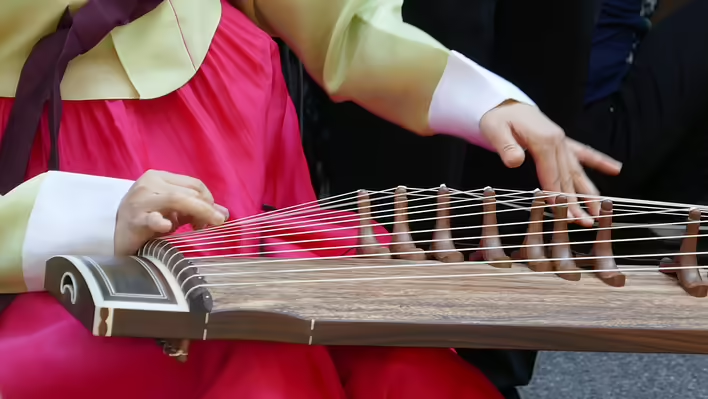
The koto has a recognizable long, flat horizontal shape. Key characteristics include:
- Body material: traditionally made from Japanese paulownia (桐), sometimes from pine or cypress.
- Instrument length: from 1.8 to 2.5 meters.
- Number of strings:
- Classical koto — 13 strings.
- Modern variants may have 17, 20, 25, or more strings.
- String material: usually nylon or steel wire, which produces a bright and resonant sound.
- Movable bridges (ji): an individual bridge is placed under each string, which is adjusted manually.
How to Play the Koto
Playing tools:
- On the fingers of the right hand (thumb, index, middle) are worn nail plectrums — tsume (爪).
- The left hand performs:
- pressing and pulling the strings to modulate the tone,
- vibrato,
- glissando and other effects.
Playing the koto requires delicate technique and refined hearing, making the instrument both complex and impressively expressive.
Repertoire and Usage
Traditional compositions:
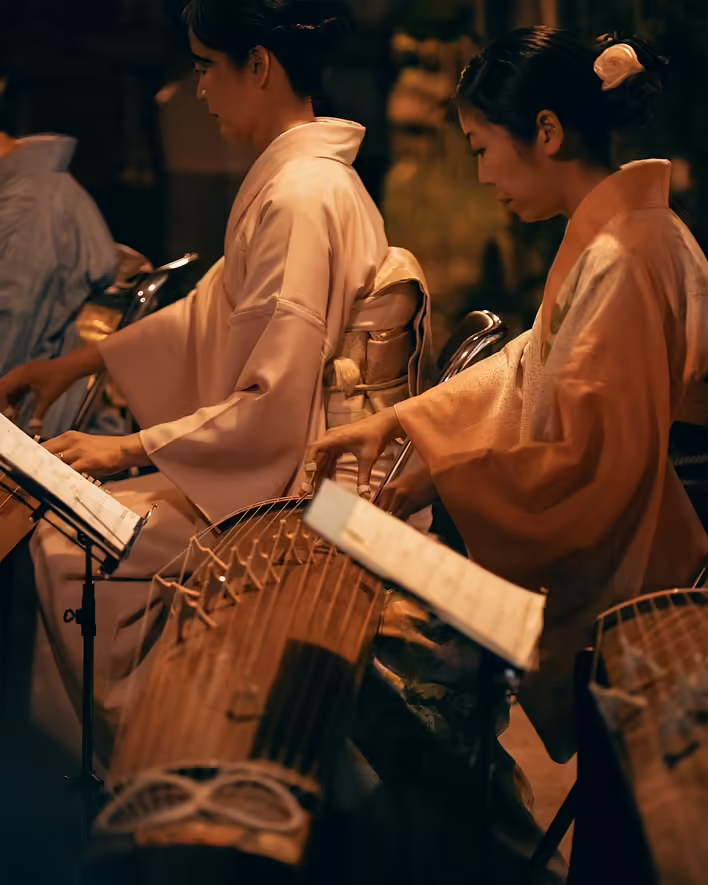
- Some of the most famous works are “Rokudan no Shirabe” and “Sakura Sakura.”
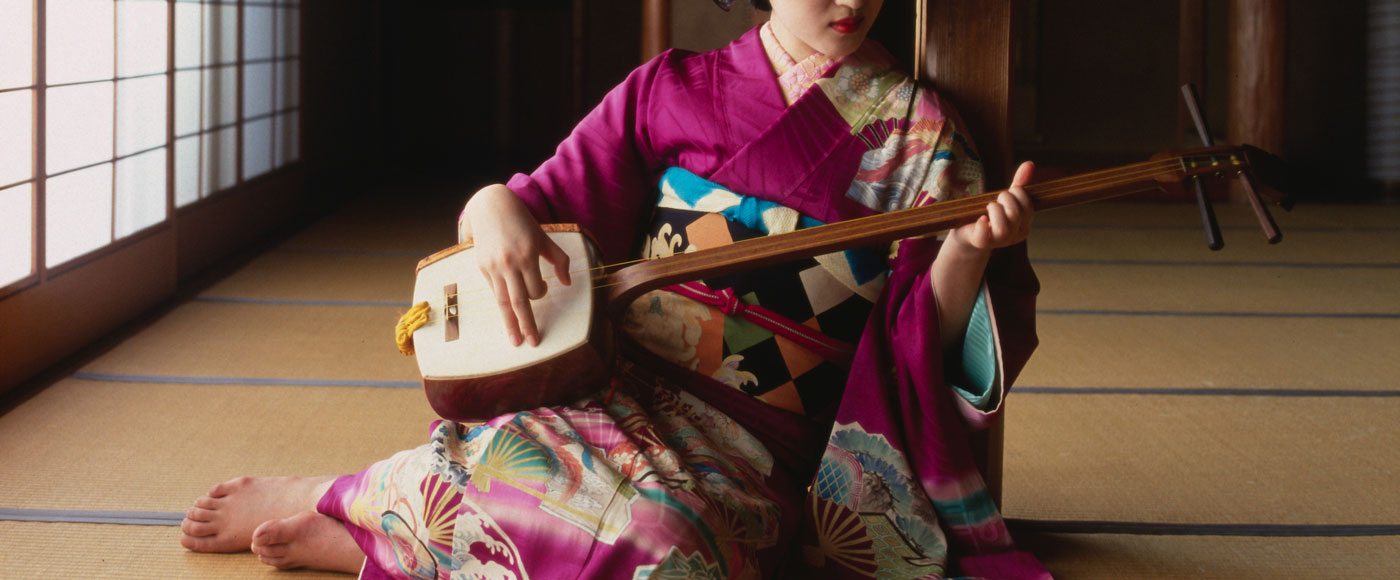
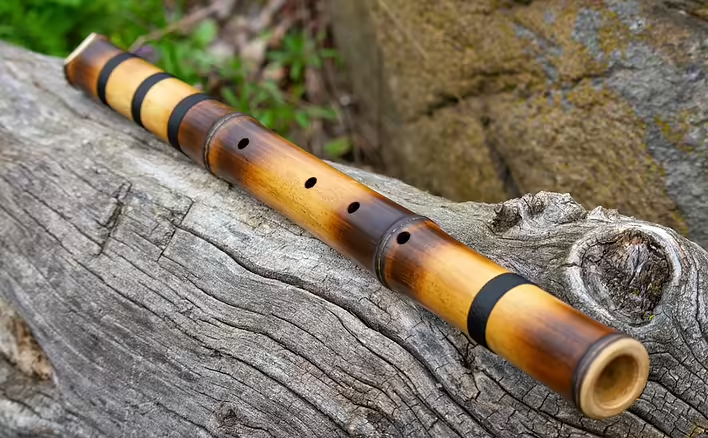
- In particular, the instrument is often used in East Asian ensemble music alongside instruments such as shakuhachi (flute) and shamisen (string instrument).
Modern music:
- The koto is actively used in modern Japanese music, film soundtracks, and even in jazz and electronic arrangements.
- Many composers of the 20th–21st centuries have experimented with the koto in mixed East-West forms.
Koto Today
- is studied in music schools in Japan,
- performed on international stages,
- remains an important part of Japan's cultural identity.
There are also electronic versions of the koto that allow for the combination of traditional sounds with modern technologies.
Interesting Facts
- National instrument: the koto is considered one of the symbols of Japanese music alongside the shamisen and taiko.
- Women's role: during the Edo period, the koto became popular among women — they studied it as part of their aesthetic education.
- Global recognition: the koto is featured in films, anime, and even video games, conveying the spirit of Japan.
The koto is not just a musical instrument. It embodies Japanese aesthetics, a combination of history and modernity, a melody of time that continues to inspire listeners around the world.
Like it?React
🧵
This post doesn't have any additions from the author yet.