This content has been automatically translated from Ukrainian.
The world has found itself at the epicenter of large-scale social changes in recent years, and two terms – woke and anti-woke – have become embodiments of this struggle. Some see woke as a symbol of the fight for equality and justice, while others criticize it as a radical movement that restricts freedom of speech and fosters polarization. What lies behind these concepts, and why does their confrontation have such an impact on the modern world?
What is "woke"?
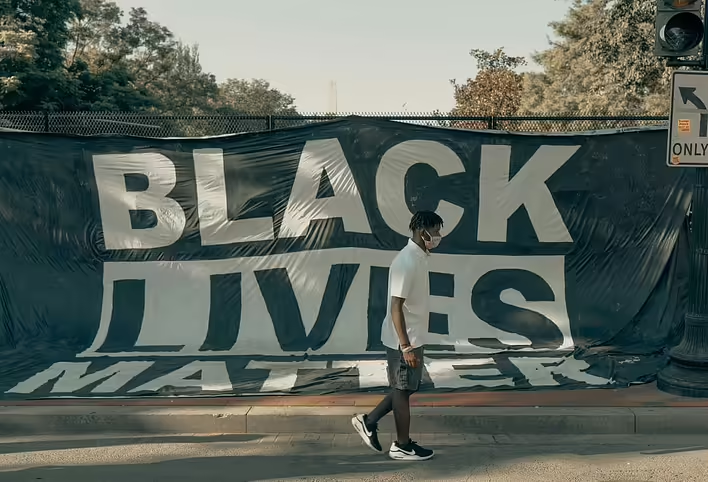
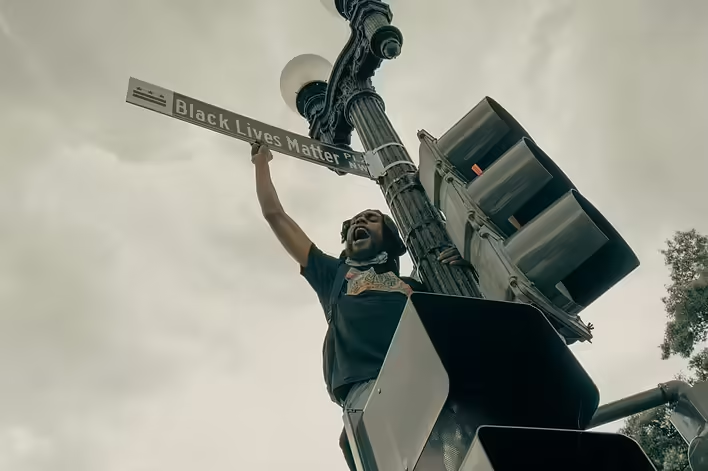
The term "woke" comes from African American slang and means "to wake up," that is, to become aware of social injustice and discrimination. Initially, this word was used in the context of the fight against racism, but over time it has taken on a broader meaning, encompassing issues of gender equality, minority rights, combating climate change, and even ethical consumption.
Woke has become an embodiment of progressive values: awareness of historical and contemporary forms of oppression, support for cultural diversity, and a desire for social change.
Goals of the Woke Movement
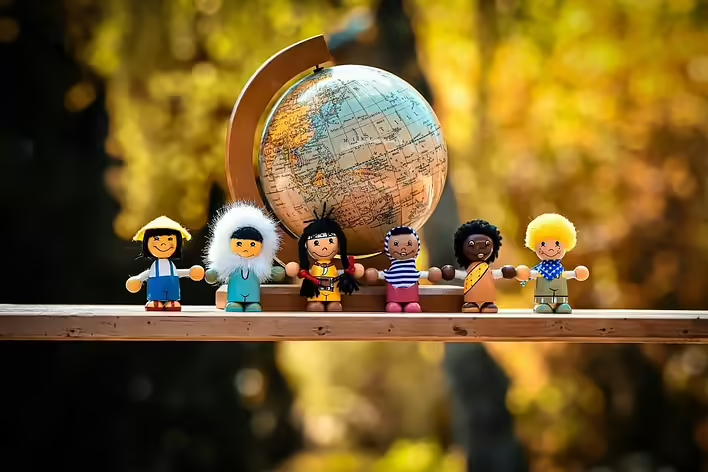
- Equality for all. The movement seeks to create a society where people, regardless of their race, gender, sexual orientation, or social status, have equal opportunities.
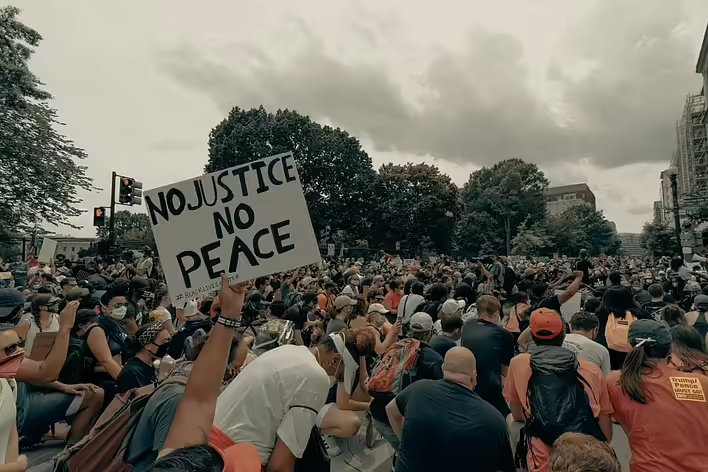
- Combating discrimination. Woke draws attention to historical wrongs, such as slavery, colonialism, or gender inequality, and works to correct them.
- Ethical responsibility. This includes ideas of sustainable development, environmental awareness, and responsible resource management.
However, the more woke ideas permeate everyday life, the more criticism they provoke.
What is "anti-woke"?
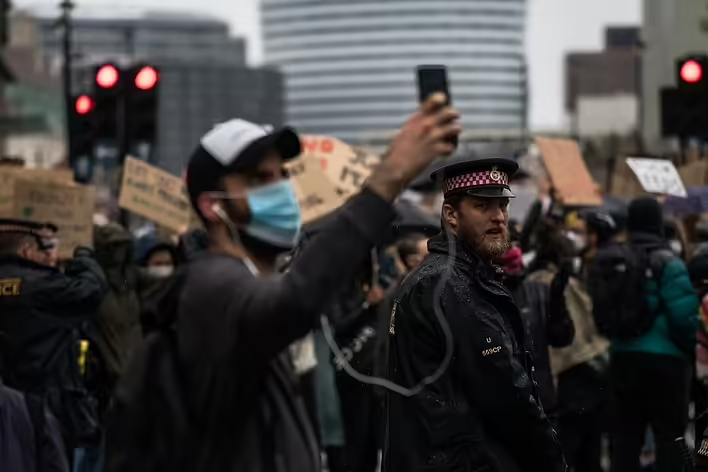
Anti-woke is a reaction to the woke movement. The term describes people and ideologies that oppose ideas associated with woke. Their main criticism is that woke has transformed from a fight for equality into a radical movement that suppresses freedom of speech and dictates rules of behavior.
What concerns supporters of anti-woke?
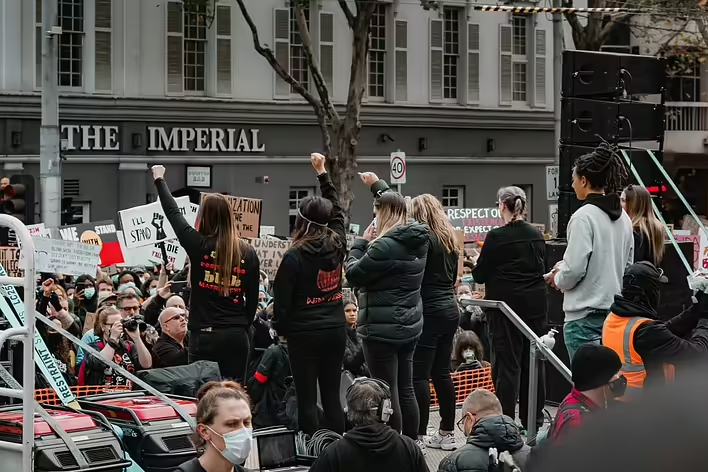
- Radicalism of woke. Some anti-woke activists argue that woke has gone too far, limiting art, humor, and freedom of expression through excessive political correctness.
- Cancel culture. Anti-woke criticize the "cancellation" of public figures for words or actions that do not meet contemporary standards. They believe this creates an atmosphere of fear and rejection of alternative viewpoints.
- Preservation of traditions. Many supporters of anti-woke seek to preserve traditional values, which they believe are threatened by rapid social changes.
The Conflict Between Woke and Anti-Woke
These two movements have found themselves on opposite sides of a social divide, creating sharp polarization in society. For some, woke is a necessary movement towards justice that seeks to rectify historical injustices. For others, it is an aggressive ideology that calls into question the foundations of freedom of speech and pluralism.
Positive Aspects of Both Movements
Woke:
- Highlights social issues that have long been ignored.
- Supports ideas of equality and inclusivity.
- Promotes awareness of environmental and social issues.
Anti-Woke:
- Defends freedom of speech and the right to individual opinion.
- Draws attention to the risk of radicalization and polarization.
- Supports a balance between progress and traditional values.
Where to Find Balance?
The confrontation between woke and anti-woke points to deep issues in modern society: how to find a balance between the fight for justice and the preservation of freedom of speech? How to ensure equality without turning movements into radical ones?
Perhaps the answer lies in society's ability to engage in dialogue. After all, understanding each other's positions is the first step towards finding a compromise. And while both movements have their shortcomings, they highlight important topics that deserve attention.
Like it?React
🧵
This post doesn't have any additions from the author yet.