Table of contentsClick link to navigate to the desired location
This content has been automatically translated from Ukrainian.
What is misophonia?

Misophonia is a neurological phenomenon in which a person experiences a strong negative emotional reaction to certain sounds. Translated from Greek, "μῖσος" means "hatred," and "φωνή" means "sound," so it literally translates to "hatred of sounds."
It is not just irritation from loud music from neighbors or the noise of the highway outside the window. People with misophonia often react with aggression or anxiety to completely mundane sounds that most people don’t even notice:
- Slurping while eating
- Loud breathing or sniffling
- Clicking of a pen or snapping fingers
- Rustling of bags or crinkling of paper
- Smacking or clicking the tongue
How does it manifest?

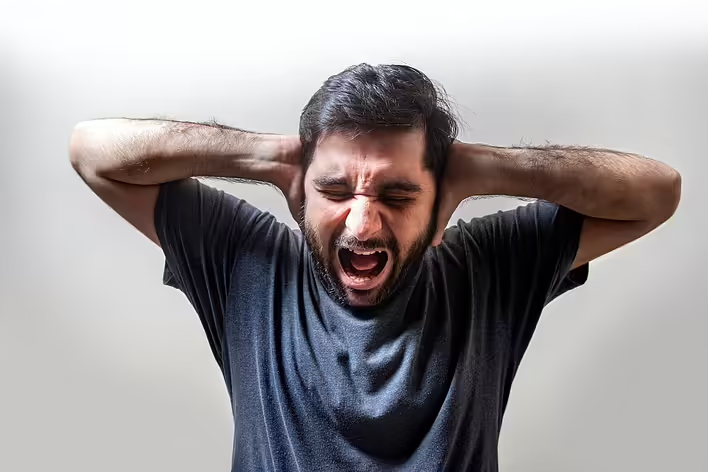
Imagine you are sitting in a café, enjoying your coffee, but someone nearby starts slurping loudly. A wave of irritation washes over you, you feel your heart start to race, and only one thought crosses your mind – to escape or to make the person stop.
People with misophonia may experience:
- Anger and irritation
- Anxiety and panic
- Physical discomfort (e.g., tension in the body, rapid heartbeat, sweating)
- The desire to isolate from trigger sounds
These reactions can be so intense that a person is forced to avoid certain social situations, such as not going to cafés or avoiding family meals.
What causes misophonia?
The exact causes of misophonia are still being researched, but scientists lean towards the idea that it is related to heightened sensitivity of certain brain structures, particularly those responsible for processing sounds and the emotional response to them.
Studies show that people with misophonia:
- Experience hyperactivity in the amygdala – the area of the brain responsible for emotions and threat response.
- Have abnormal interaction between the auditory cortex and the limbic system, which may explain the excessive emotional response to sounds.
- It often develops in childhood or adolescence and may worsen over time.
Interestingly, misophonia is often found in people with anxiety disorders, attention deficit hyperactivity disorder (ADHD), or obsessive-compulsive disorder (OCD).
Is there a cure for misophonia?
Unfortunately, there is currently no specific treatment for misophonia, but there are methods that can help manage it better:
- Cognitive-behavioral therapy (CBT) helps change the reaction to trigger sounds.
- Sound therapy (e.g., using white noise or background music) helps mask irritating sounds.
- Meditation and relaxation techniques can reduce stress and anxiety levels.
- Using earplugs or headphones is the simplest but effective way to avoid unpleasant sounds.
If you have a friend or relative with misophonia, the best thing you can do is to respect their boundaries. Don’t joke about their reactions, don’t force them to endure trigger sounds, and if possible, try to avoid them.
This post doesn't have any additions from the author yet.