This content has been automatically translated from Ukrainian.
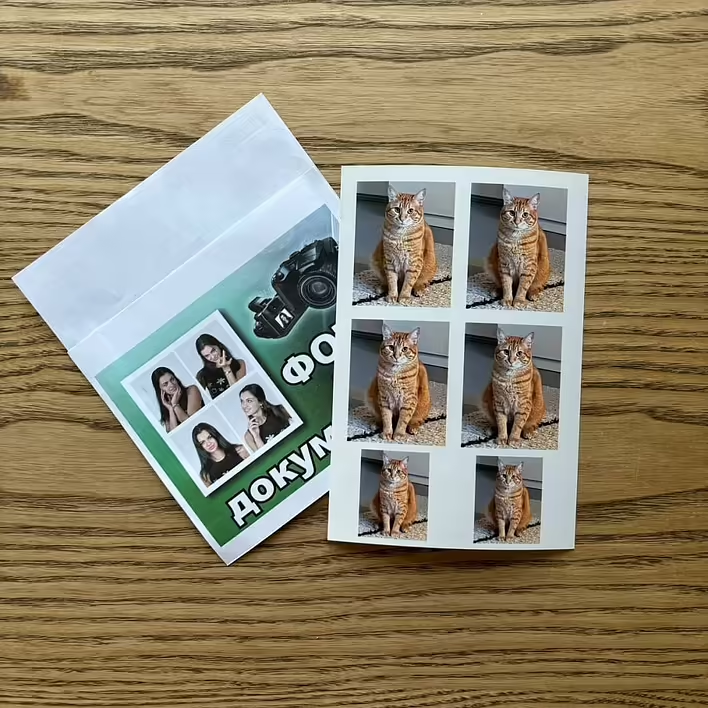
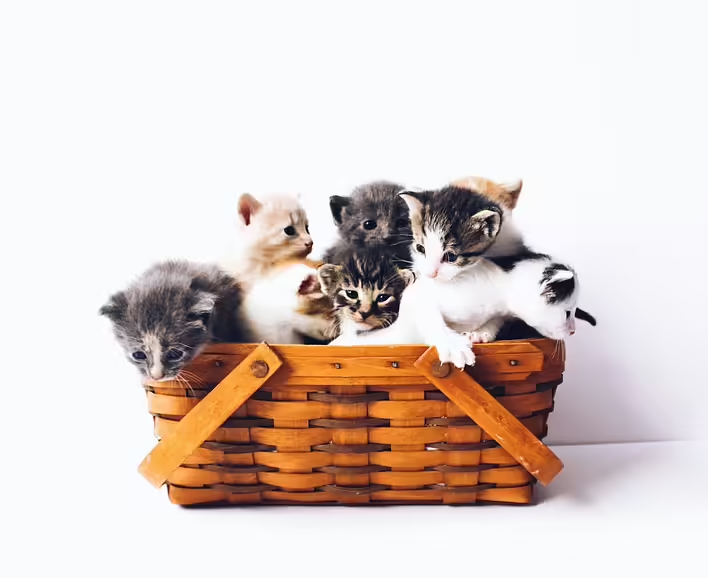
Have you noticed that cats rule the internet? They conquer social media, gather millions of views on videos, and their fluffy faces become the heroes of memes. But this is not just a trendy phenomenon – it’s a real occurrence that has its name: ailurophilia.
What is ailurophilia?
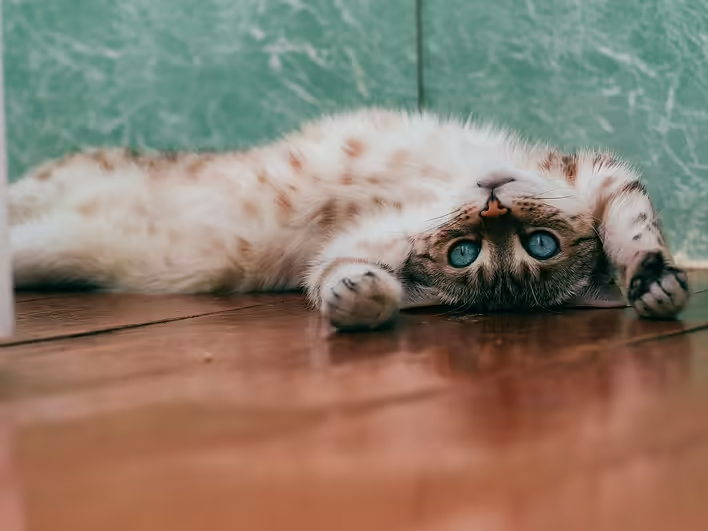
Ailurophilia (from the Greek words ailuros – “cat” and philia – “love, passion”) means a strong love for cats. It’s not just an affection, but something more – an admiration, adoration, and sometimes even fanaticism. Ailurophiles are people who cannot imagine their lives without a purring friend, love to interact with cats, and often give them a special status in their lives.
Where did this love come from?
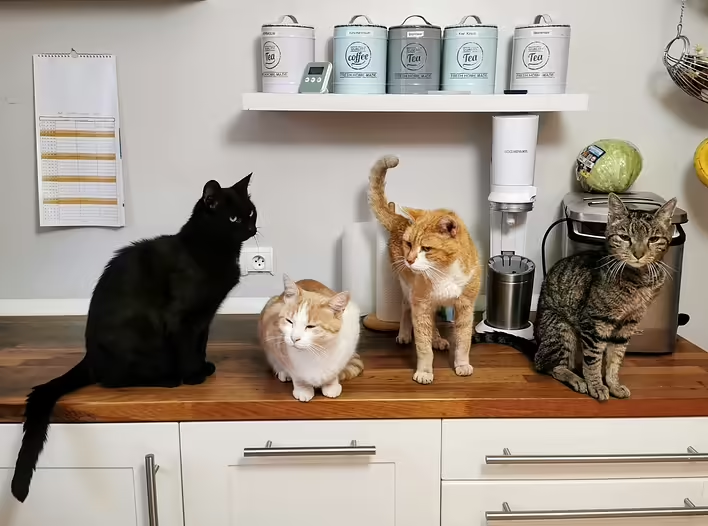
The phenomenon of cat adoration dates back to ancient times.
- Ancient Egypt – probably the first place where ailurophilia gained official status. Cats were worshipped there, considered sacred animals, and associated with the goddess Bastet. Killing a cat could even lead to a death sentence.
- The Middle Ages – in Europe, the situation was different: due to superstitions, cats were associated with witches and sorcery. This led to their mass extermination, which, according to some historians, contributed to the spread of the plague (due to an increase in the rat population).
- The Modern World – today, cats have regained their greatness and once again occupy a central place in human hearts.
Why are cats so attractive?
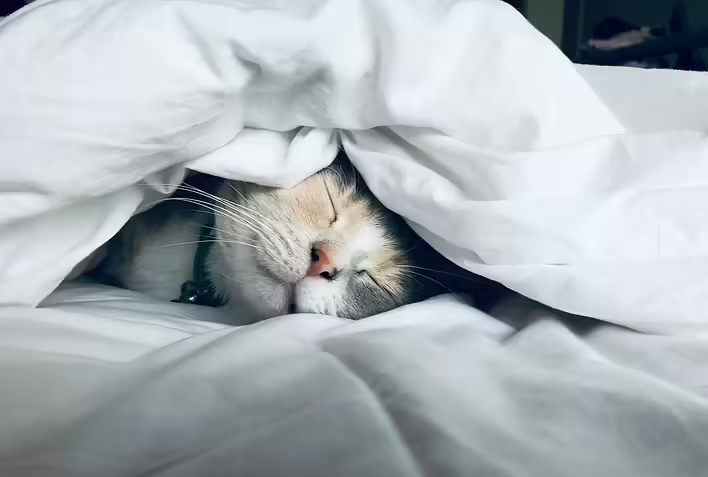
There are several scientific explanations for why we love cats so much:
- Purring – a natural antidepressantIt has been proven that the sound of a cat's purr has a calming effect, reduces stress levels, and even promotes wound healing.
- The perfect combination of independence and affectionCats are not as dependent as dogs, but at the same time, they can be very attached to their owner. This creates a unique balance – they give love but do not require excessive attention.
- Cat facial expressions and behavior trigger our caregiving instinctsBig eyes, small nose, fluffiness – all of this activates the same mechanisms in us as caring for infants.
- Cats and our happiness hormonesInteracting with a cat increases levels of oxytocin and serotonin – hormones responsible for feelings of happiness and calm.
Is ailurophilia a disease or a trait?
No, ailurophilia is not a mental disorder, but simply a deep love for cats. However, in rare cases, it can reach extremes, for example, when people adopt dozens of cats and cannot provide them with proper care. Then it may be a sign of a psychological disorder known as the Noah syndrome.
Cats in pop culture and the internet
Ailurophilia manifests not only in real life but also in the digital world. Let’s recall iconic cats:
- Grumpy Cat – the infamous internet meme with a perpetually dissatisfied expression.
- Simon's Cat – an animated character that perfectly captures the antics of pets.
- Garfield – lazy, sarcastic, but adored by millions.
Cats have conquered YouTube, TikTok, Instagram, and it seems their popularity is only growing.
Cats bring us joy, calm, and inspiration. And if you’ve noticed that you spend hours watching cat videos or can’t walk past a whiskered beauty on the street, congratulations – you are most likely an ailurophile too! 😺
Like it?React
🧵
This post doesn't have any additions from the author yet.