This content has been automatically translated from Ukrainian.
Loss or significant destruction of teeth affects not only the appearance of the smile. Changes gradually impact food chewing, load distribution between teeth, and the condition of the entire dental system. If the defect remains unaddressed for a long time, adjacent teeth may shift, and the bite may gradually change. Therefore, restoring the dental arch primarily has functional significance.
When the tooth's own tissues are severely damaged or one or more teeth are already missing, tooth prosthetics helps restore chewing function, the integrity of the dental arch, and the natural appearance of the smile through individually tailored orthopedic constructions.
What tasks does orthopedic dentistry solve
The main task of orthopedic treatment is to restore the anatomical shape and function of lost or damaged teeth. At the same time, the doctor must consider the condition of adjacent units, gums, bone tissue, and the characteristics of the bite.
The correctly selected construction should not only cover the visible defect. It is important that it participates in food chewing, does not create excessive load on other teeth, and is comfortable in everyday life. That is why a comprehensive dental diagnosis is necessary before treatment.
Crowns for restoring damaged teeth
If the tooth is preserved but a significant part of its tissues is destroyed, one option for restoration may be a crown. It replicates the anatomical shape of the tooth and helps restore its functionality.
Crowns are made from various materials, and the specific option is selected based on the tooth's location, chewing load, and aesthetic requirements. It is especially important to correctly reproduce the contact with adjacent teeth and the characteristics of the bite so that the construction does not cause discomfort.
Bridge constructions and their features
In the absence of one or more teeth, a bridge prosthesis can be used. Such a construction replaces the defect in the dental arch and is fixed on supporting teeth or implants.
The feasibility of installing a bridge construction is determined after assessing the condition of future supports. If the use of natural teeth is planned, they must be strong enough to transmit the chewing load.
The choice between a bridge and other restoration methods depends on the number of missing teeth, their location, and the overall condition of the oral cavity.
When removable dental prostheses are used
Removable constructions remain a relevant method of restoration in cases of partial or complete absence of teeth. Modern dental prostheses differ in materials, fixation methods, and design features.
Their advantage is the ability to restore significant defects in the dental arch even in situations where the use of fixed constructions is limited. At the same time, the patient requires a certain adaptation period, and the prosthesis requires regular care.
Prosthetics supported by implants
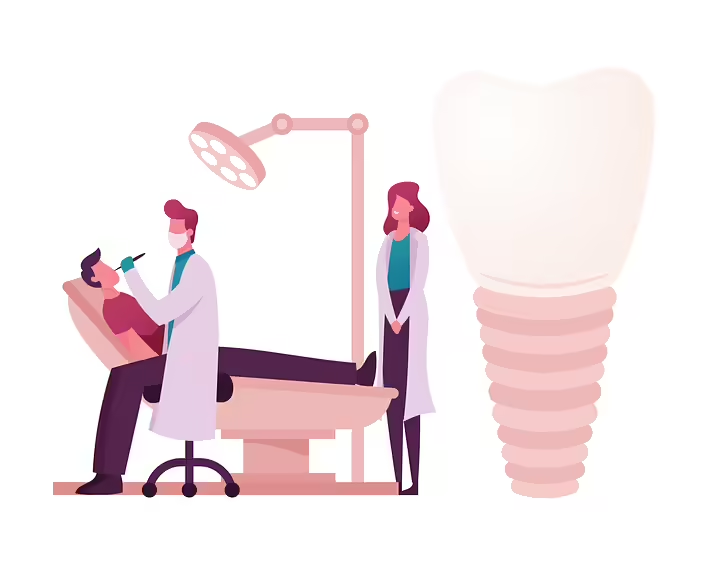
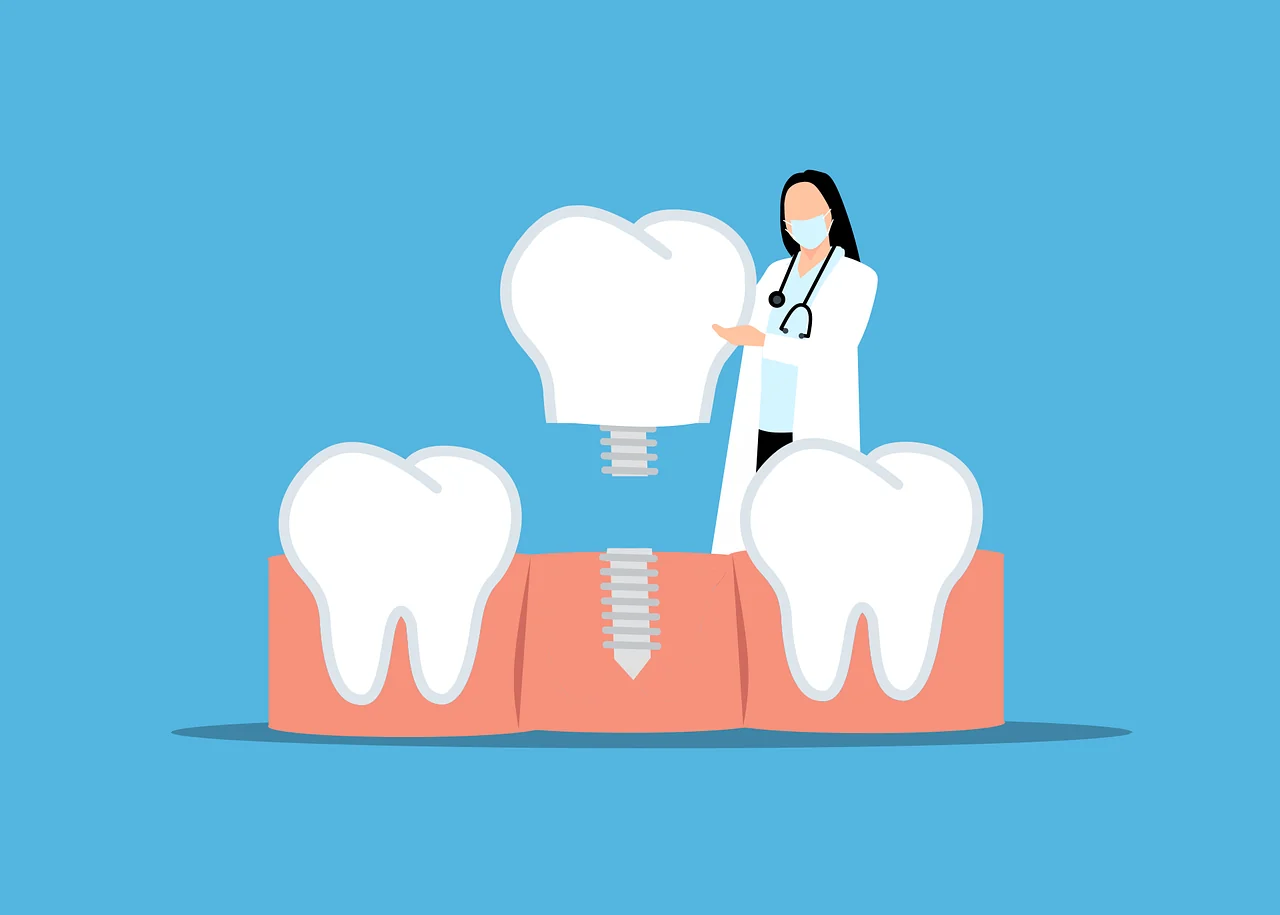
Implantation has expanded the possibilities of orthopedic dentistry. An implant serves as an artificial root and can act as a support for a separate crown, bridge, or other orthopedic construction.
This approach allows for the restoration of the dental arch without the mandatory use of adjacent healthy teeth as supports. Moreover, transmitting the chewing load through the implant promotes the functioning of the bone tissue in the area of the missing tooth.
However, the possibility of implantation is determined individually after assessing the bone volume, the condition of the gums, and general contraindications.
How to choose the appropriate type of prosthesis
There is no universal construction that would suit every patient equally. During planning, the number and location of missing teeth, the condition of preserved units, the characteristics of the bite, bone tissue, and gums are taken into account.
Aesthetic requirements, care features, and the possibility of implant placement also matter. Therefore, the choice of method should be based not only on the appearance of the construction but primarily on the results of the diagnosis.
Why restoring lost teeth should not be delayed
A prolonged absence of a tooth can gradually change the entire dental system. Adjacent teeth may tilt towards the free space, and the tooth on the opposite jaw may shift due to the lack of usual contact. At the same time, the nature of the chewing load changes.
Timely restoration helps maintain the stability of the dental arch and normal chewing function. The choice of a specific method depends on the clinical situation, so the optimal solution is determined after examination and comprehensive diagnostics.
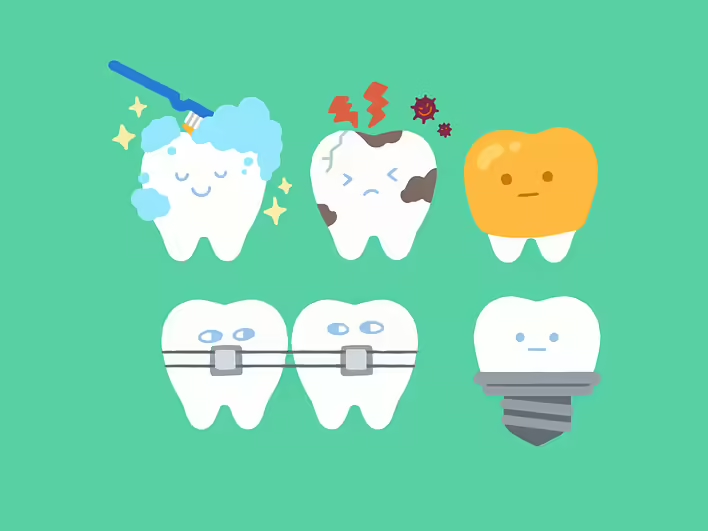
Modern orthopedic dentistry offers various restoration methods—from individual crowns to removable prostheses and constructions on implants. The main criteria for selection should be not only aesthetics but also functionality, the condition of the oral cavity, and future prognosis. Individual planning helps restore the integrity of the dental arch, normalize chewing load, and create conditions for the long-term use of the orthopedic construction.
Like it?React
🧵
This post doesn't have any additions from the author yet.