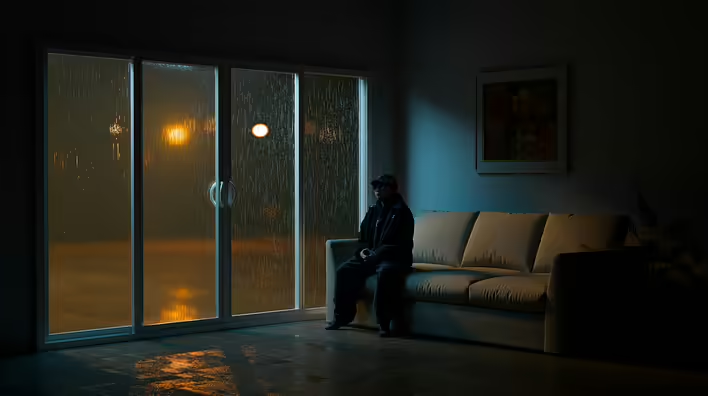
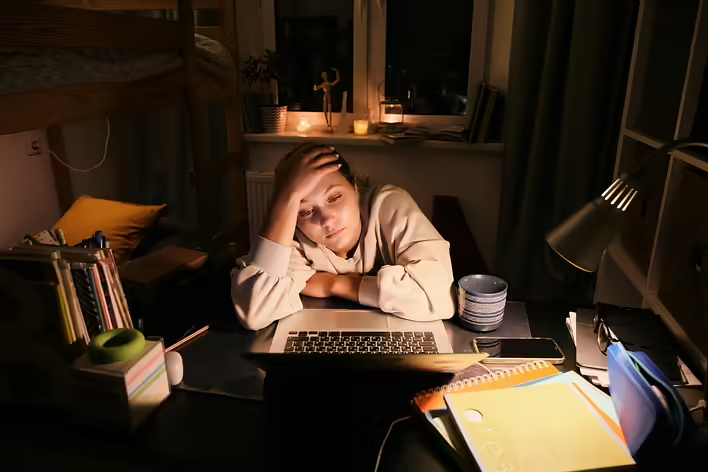
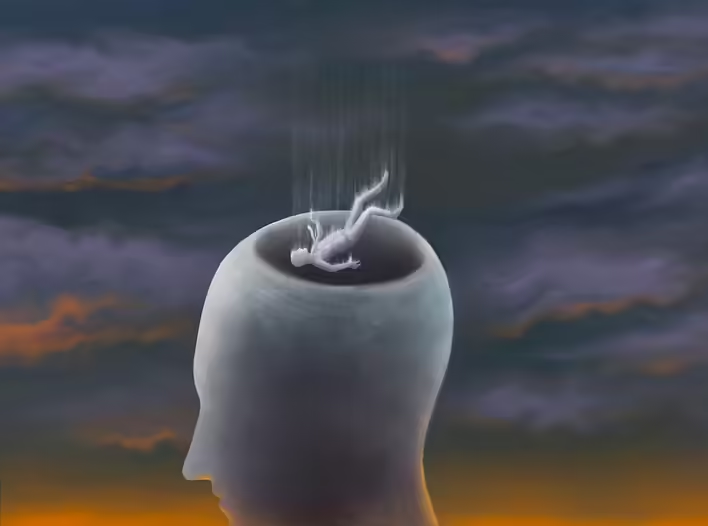
In today's unprecedentedly fast pace of life, we often feel stretched to our limits and completely exhausted. Do you understand that these feelings are a result of temporary stress, or have they already grown into burnout — a state that occurs after prolonged, unresolved psycho-emotional overload?
Understanding Stress
Stress — is an inevitable part of life, a natural reaction of our body to any demands or threats. When you face a deadline at work, an important exam, or another challenge, stress mobilizes your internal resources: your heart rate increases, your attention sharpens, and your thinking speeds up. This adaptive mechanism helps us focus, overcome difficulties, and tackle tasks. Short-term stress can sometimes be beneficial, as it enhances our productivity and alertness.
If stress becomes chronic, and there are no opportunities for recovery, it begins to deplete. Symptoms usually include anxiety, sleep disturbances, and physical manifestations (such as headaches or stomach issues). A person in a state of stress generally still feels capable of managing their responsibilities, albeit at a significant cost.
Definition of Burnout
Burnout — is not just intense stress; it is a consequence after prolonged exposure, especially in conditions where a person feels minimal control over the situation. Burnout relates not only to the work environment but also to any other areas of life.
The main causes of burnout are unmanageable workloads, the feeling that your efforts are not appreciated, or a discrepancy between your personal values and what you do.
What Are the Differences Between Stress and Burnout?
Stress — is an immediate reaction of the body to a challenge that mobilizes energy. It can be compared to a battery that runs at full capacity and discharges. Despite the discomfort, a person still feels connected to their tasks and actively tries to cope with them.
Burnout, on the other hand, is a result of chronic stress. It is a state where the battery is completely drained and seems impossible to recharge. It is a feeling of deep emptiness, emotional depletion, and lack of motivation. A person loses any interest. This differs from the physical symptoms of stress in that burnout more profoundly affects the psycho-emotional state, causing feelings of hopelessness and a pessimistic outlook on life.
Common Features
In both stress and burnout, a person may experience headaches, muscle tension, and stomach issues. There is a weakening of the immune system and, as a result, frequent colds. Irritability, increased anxiety, and periods of depression are present. Emotional instability is a universal reaction to overload.
Also, sleep disturbances are characteristic of both conditions. Your nervous system remains in "combat readiness" mode, preventing you from fully resting. Stress and burnout often lead to changes in appetite (overeating or loss of appetite), avoidance of social activities, and abuse of stimulants (coffee) or depressants (alcohol) as attempts to cope with discomfort. Cognitive function issues often arise: difficulty concentrating, making decisions, and maintaining attention. The brain operates at its limits, but its effectiveness decreases, leading to what is called "mental clutter" or "brain fog".
Differences
The main difference lies in the depth of emotional exhaustion. With stress, you may feel tired, but you usually still have the strength to "pull yourself together" and continue. With burnout, it is a deep, persistent feeling of emptiness, as if you have no resources left, apathetic indifference to everything that previously evoked emotions.
Another key difference is alienation and cynicism. With stress, you may be irritable but maintain a connection with people and your activities. Burnout, however, leads to a loss of interest in work, study, hobbies, and even close relationships. Cynicism and the feeling that "nothing matters anyway" emerge. Also, with stress, you may feel like you are not coping, but you maintain faith in your abilities. With burnout, this evolves into deep disappointment in your achievements.
The overall worldview also differs. With stress, you may be worried but maintain an optimistic or neutral outlook on the future. Burnout is accompanied by persistent pessimism and a belief in the powerlessness to change the current situation.
Paths to Recovery
Take regular breaks. Incorporate short but regular pauses into your schedule. This can be a short walk, meditation, or a cup of tea in silence.
Incorporate physical activity. Make exercise a part of your daily life. Physical activity releases endorphins that improve mood.
Try to eat a balanced diet. Pay attention to your diet. A varied, nutritious diet will provide your body with the energy and resources needed to combat stress. Include plenty of fruits, vegetables, whole grains, and protein.
Set boundaries. Learn to know your limits and communicate them clearly. This means saying no to additional tasks at work or setting specific hours when you do not respond to work calls or emails.