Medical series have long ceased to follow the formula where each episode features a new patient, a complex diagnosis, and an unexpected solution at the end. In the best projects, the hospital becomes a separate world with its own rules, conflicts, and boundary situations. Here, lives are saved, mistakes are made, difficult decisions are made, and there are encounters with bureaucracy, fatigue, fear, and personal weaknesses. Therefore, stories about medical professionals easily combine various genres: from detective and comedy to social drama, melodrama, or almost documentary chronicles of doctors' daily work.
In this selection - various medical series: iconic American hits, British miniseries, Korean dramas, and projects that are watched not only for the surgical scenes but also for the characters. IMDb ratings are approximate, as they may change slightly over time.
House M.D.
IMDb: approximately 8.7
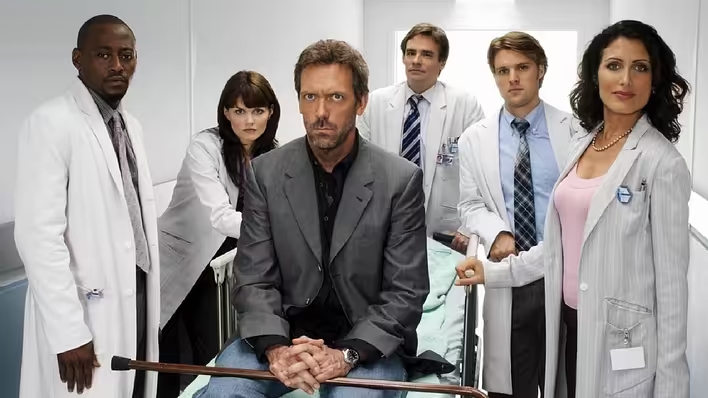
"House M.D." is one of the most famous medical series of the 21st century. Its main character, Gregory House, is not like a classic TV doctor: he is cynical, rude, addicted to painkillers, and almost incapable of normal communication with patients. Yet he unravels the most complex diagnostic puzzles when other doctors have already thrown up their hands.
The series is often compared to a detective story: instead of a criminal, there is a disease; instead of evidence - symptoms, tests, and strange details from the patient's life. The image of House is partly inspired by Sherlock Holmes: the surname House echoes with Holmes, his friend Wilson resembles Watson, and the hero's apartment even has the number 221B. This series is not so much about a good doctor as it is about painful intellect, professional obsession, and the question of whether genius can justify cruelty.
ER
IMDb: approximately 7.9
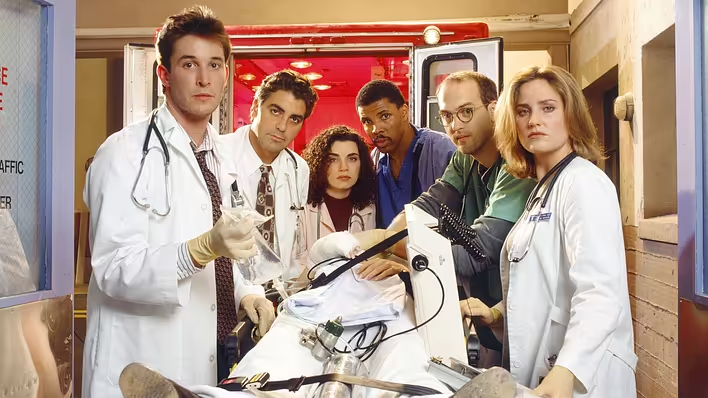
"ER" is a classic of medical television, without which it is hard to imagine modern hospital dramas. The series started in 1994 and depicted the hospital as a living, chaotic organism: patients are brought in one after another, doctors barely have time to catch their breath, and decisions often need to be made in seconds.
The project was created by Michael Crichton, the author of "Jurassic Park," who himself studied in medical school. Because of this, the series pays a lot of attention to pace, terminology, and the feeling of professional exhaustion. "ER" also became a launching pad for George Clooney, who played pediatrician Doug Ross. Despite the large number of seasons, the series holds up well precisely because of the sense of urgency: here, medicine rarely looks romantic, but almost always appears exhausting and necessary.
The Pitt
IMDb: approximately 8.8
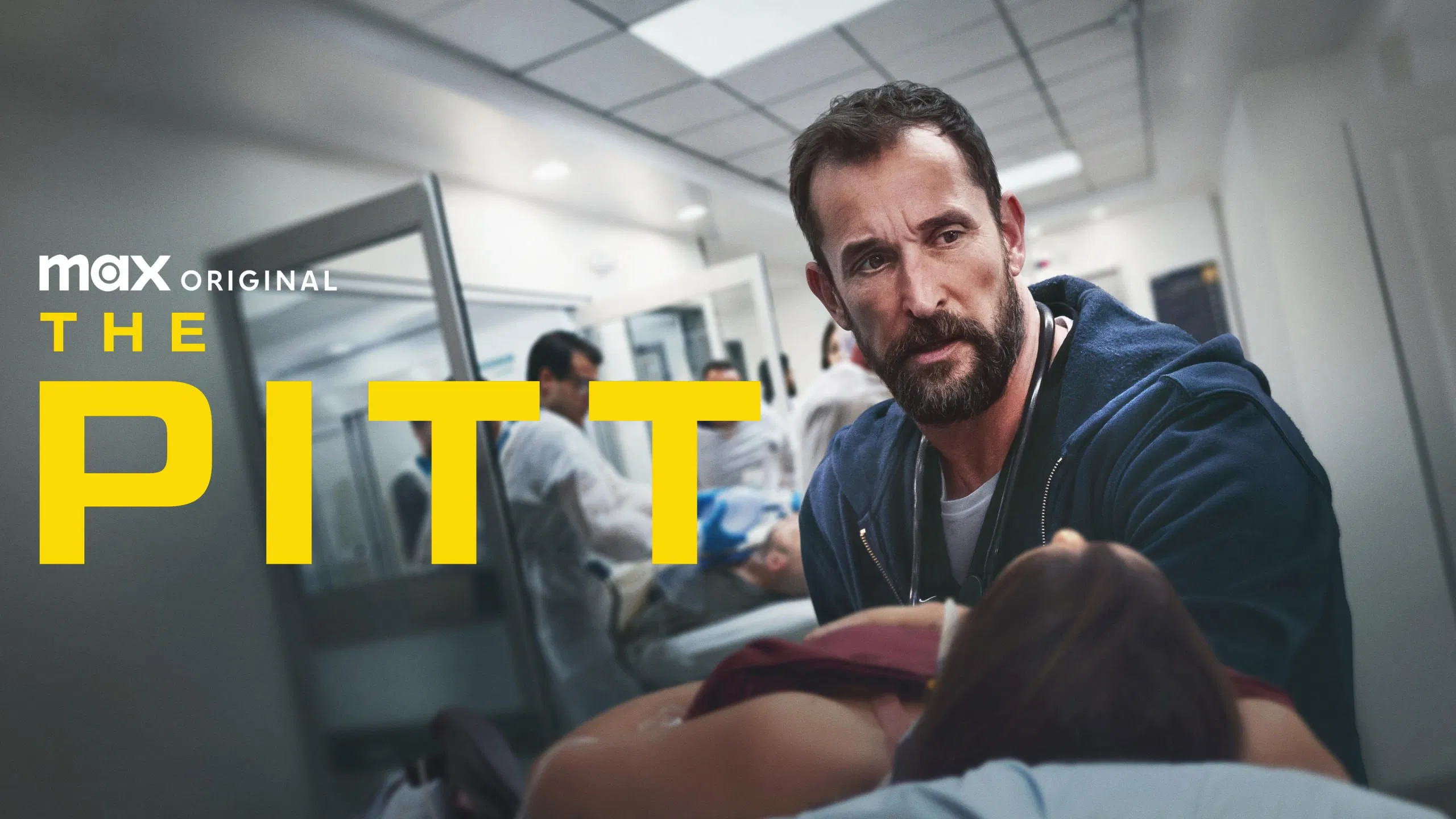
"The Pitt" is one of the most notable new medical series. The first season premiered in 2025 on Max and tells the story of changes in the emergency department of the fictional Pittsburgh Trauma Medical Center. Each episode covers about an hour of work, so the season consists of a tense fifteen-hour shift, with almost no pauses for beautiful speeches and unnecessary dramatization.
The lead role is played by Noah Wyle, well-known to viewers from "ER." The series was created by people associated with "ER," including John Wells and R. Scott Gemmill, but "The Pitt" is not an official continuation of "ER." Its strength lies in its modern view of the overwhelmed American healthcare system: staff shortages, the aftermath of the pandemic, violence against medical professionals, emotional burnout, and administrative pressure. The series has been praised for its sense of realistic chaos in the emergency department.
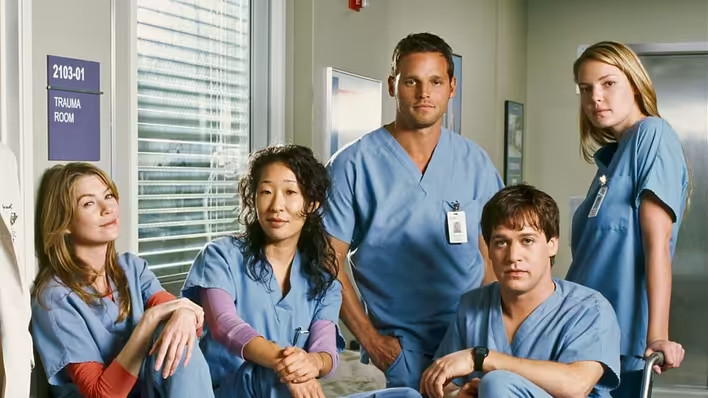
Grey's Anatomy
IMDb: approximately 7.6
"Grey's Anatomy" is a long-running medical melodrama that began as a story about young interns and later transformed into a huge saga about doctors, careers, friendships, traumas, losses, and personal catastrophes. The central character, Meredith Grey, evolves from an insecure intern to one of the key figures in the hospital.
The series is often criticized for its excessive dramatic twists, but this very emotionality has made it a phenomenon. Shonda Rhimes created a world where the operating room easily transitions into the realm of personal choices: whom to love, whom to forgive, how to live after the death of a loved one, and whether one can be a brilliant doctor while not falling apart inside. If you're looking for a medical series with a large dose of romance and tears, "Grey's Anatomy" is almost a must-watch.
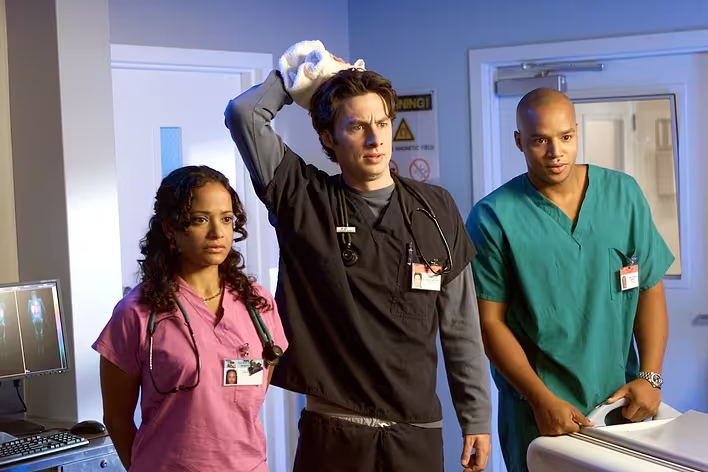
Scrubs
IMDb: approximately 8.4
"Scrubs" at first glance seems like a light comedy about quirky doctors, but its strength lies in the balance between absurd humor and very honest moments. The main character, J.D., constantly escapes into fantasies, invents incredible scenes in his head, and tries to survive in a hospital where growing up happens quickly and painfully.
The series is often loved by medical professionals because, beneath its comedic form, it accurately conveys the emotional experience of young doctors: the fear of the first mistake, dependence on mentors, fatigue, shame, and awkward conversations with patients. Dr. Cox has become one of the most vivid television mentors: sharp, sarcastic, almost unbearable, but not indifferent. "Scrubs" easily transitions from absurd jokes to scenes that leave you not wanting to laugh anymore.
The Knick
IMDb: approximately 8.5
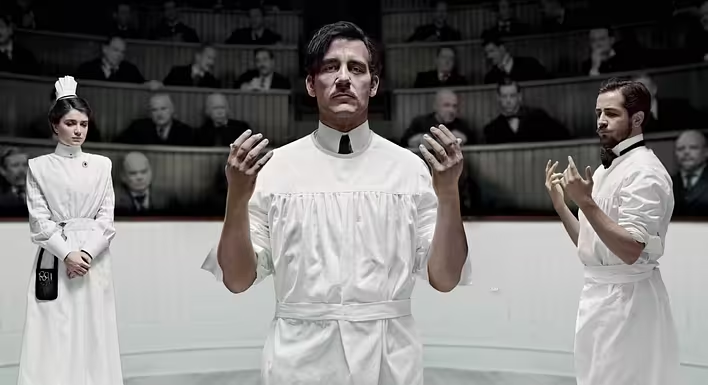
"The Knick" transports viewers to New York at the beginning of the 20th century, when medicine was already striving to be a science but still often operated on the edge of experimentation. Surgeon John Thackery, played by Clive Owen, is brilliant and self-destructive: he pushes medicine forward but is simultaneously dependent on cocaine, which was still used as a medical remedy at that time.
The series was directed by Steven Soderbergh, and this is felt in every frame: dirty operating rooms, electric light, blood, social inequality, racism, struggles for status and money. "The Knick" does not glamorize the medicine of the past. On the contrary, it shows the high price at which discoveries that seem ordinary today were made. It is one of the most stylish and bleakest series about doctors.
This Is Going to Hurt
IMDb: approximately 8.4
The British series "This Is Going to Hurt" is based on the memoirs of Adam Kay, a former doctor of the National Health Service of the United Kingdom. The main character works in the obstetrics and gynecology department, where humor often becomes the only way not to break down.
It is not a glossy hospital drama but a sharp story about an overloaded system, night shifts, resource shortages, and people who have to hold on even when they can no longer do so. Ben Whishaw plays the doctor not as a heroic savior but as a person with exhaustion, guilt, sarcasm, and professional loneliness. The series is short but very dense: after it, medical work looks not like a romantic mission but a complex and often unfair survival.
Nurse Jackie
IMDb: approximately 7.8
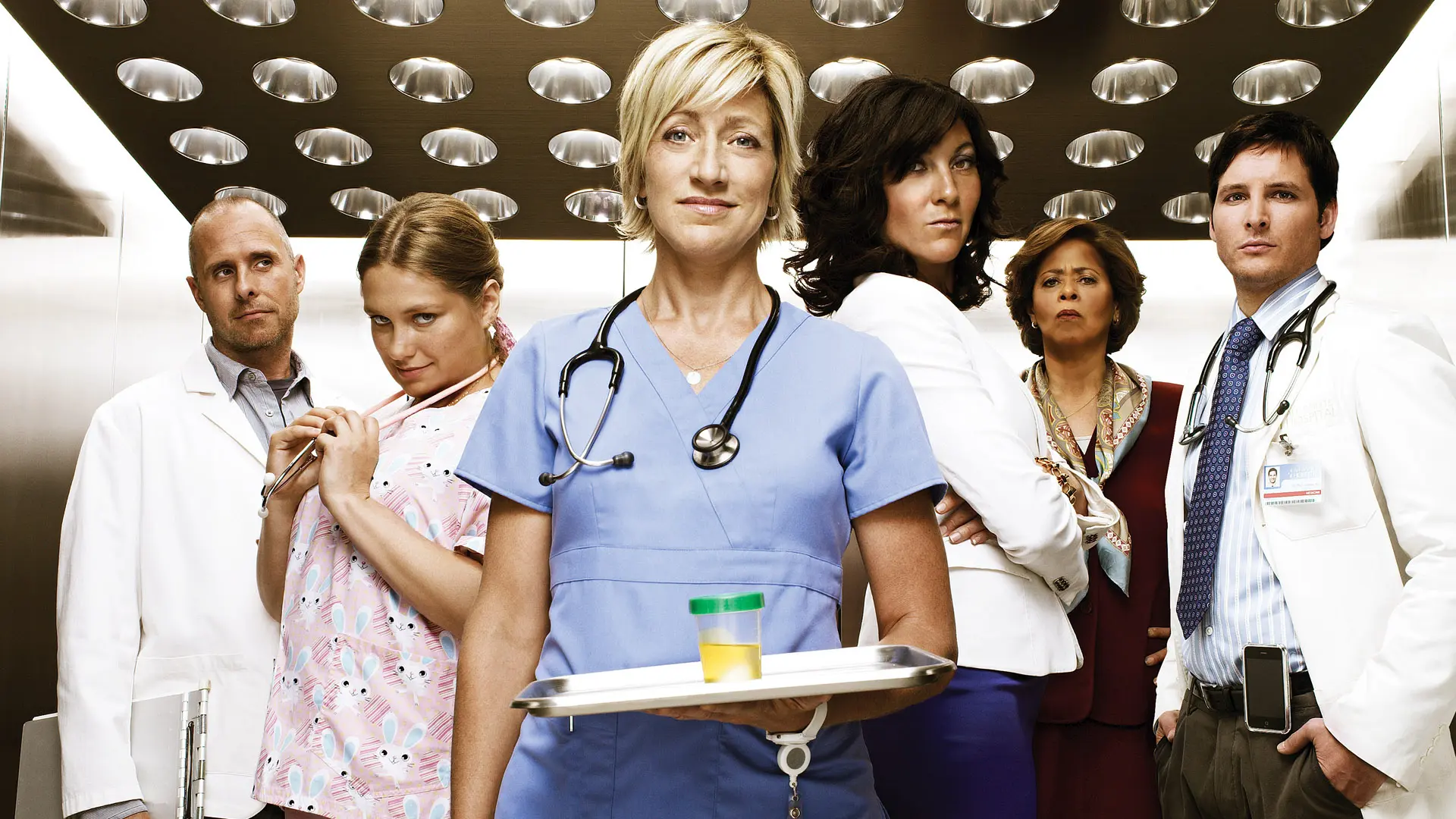
Jackie Peyton works in the emergency department, is quick to act, understands patients well, and often sees more than the doctors. But her professional competence exists alongside addiction, lies, and a constant balancing act on the edge of exposure.
Edie Falco, known for "The Sopranos," created a complex image of a person who is hard to label as good or bad. Jackie helps others but destroys her own life; she empathizes with patients but manipulates those close to her. The series is interesting in that it shows the hospital from the perspective of someone who does not always hold the highest status in the system but often keeps it together.
The Good Doctor
IMDb: approximately 8.0
"The Good Doctor" tells the story of Shaun Murphy, a young surgeon with autism and savant syndrome. He has exceptional spatial reasoning and diagnostic abilities but faces distrust from colleagues, communication challenges, and prejudice.
The series is adapted from a South Korean format, and the American version became an international hit. It is often discussed not only as a medical drama but also as an attempt to address neurodiversity in the professional environment. Not all viewers agree with how autism is portrayed, but Freddie Highmore's role made the character recognizable and gave the series a strong emotional core.
New Amsterdam
IMDb: approximately 8.0
"New Amsterdam" begins with a simple phrase from the new medical director Max Goodwin: "How can I help?". He arrives at a large public hospital in New York and tries to change a system that has become accustomed to working slowly, bureaucratically, and not always in the interest of patients.
The series is partially inspired by the real Bellevue Hospital, one of the oldest public hospitals in the U.S. Its appeal lies not in medical mysteries but in a humanistic fantasy: what if a hospital director genuinely tried to eliminate unnecessary rules, listen to doctors, and prioritize people over financial metrics. Sometimes "New Amsterdam" is overly idealistic, but it is precisely this belief in medicine as a service that makes it beloved.
The Resident
IMDb: approximately 7.8
"The Resident" looks at the hospital less romantically. At the center of the series is young doctor Devon Pravesh and his mentor Conrad Hawkins, who quickly shows the newcomer that medicine is not just about knowledge and compassion, but also about insurance companies, expensive procedures, administrative pressure, and mistakes that are sometimes attempted to be hidden.
Unlike many medical dramas, "The Resident" actively discusses the commercialization of healthcare. Here, the hospital can be a place of salvation, but at the same time, it is a business where the patient becomes a source of profit. The series is not always subtle in its criticism, but it maintains tension well and shows that conflict in medicine often arises not between doctor and disease, but between ethics and the system.
Call the Midwife
IMDb: approximately 8.6
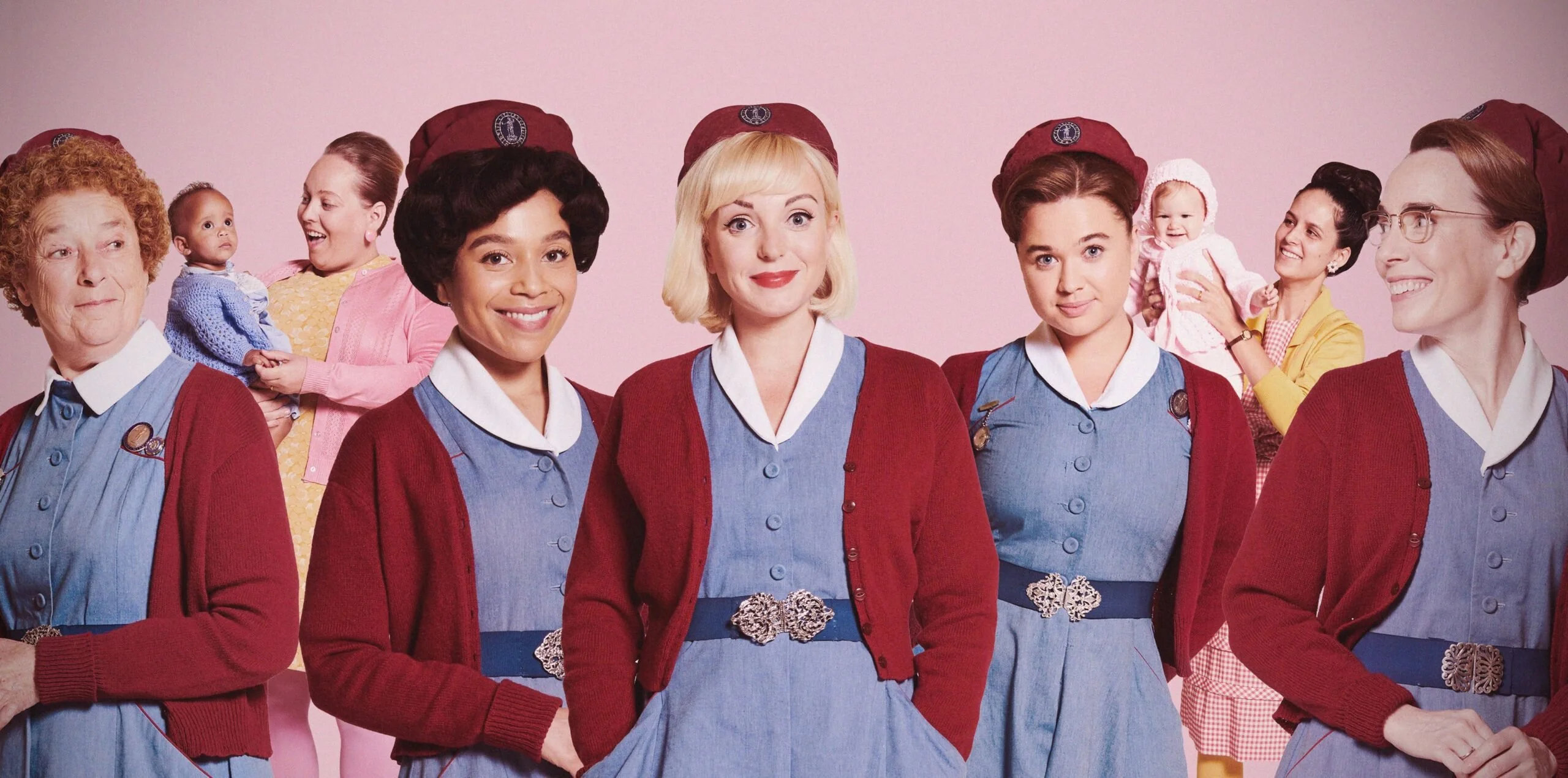
"Call the Midwife" is a British drama about midwives and nuns working in a poor area of London in the late 1950s. The series is based on the memoirs of Jennifer Worth and combines medical stories with the social history of post-war Britain.
There are many births here, but the series does not reduce itself to touching scenes with babies. It addresses poverty, women's health, domestic violence, abortions, contraception, disability, racism, and societal changes. Its hallmark is a gentle, human tone: even heavy topics are presented without cold cynicism. This is a series for those who love medical stories not only about diagnoses but also about community, care, and gradual social change.
Hospital Playlist
IMDb: approximately 8.8
The South Korean "Hospital Playlist" is one of the warmest series about medical professionals. At the center of the story are five friends who are doctors and have known each other since university, working in a hospital and playing in a band together. The series does not constantly try to impress the viewer with dramatic twists: it is more about friendship, daily care, subtle manifestations of humanity, and the lives of medical professionals outside the operating room.
The title is not accidental: music plays an important role in the series. The characters perform songs that resonate with their relationships and the mood of the episodes. "Hospital Playlist" is well-suited for those who want a medical drama without the constant feeling of catastrophe. It can make you cry, but more often it leaves you with warmth.
Dr. Romantic
IMDb: approximately 8.3-8.4
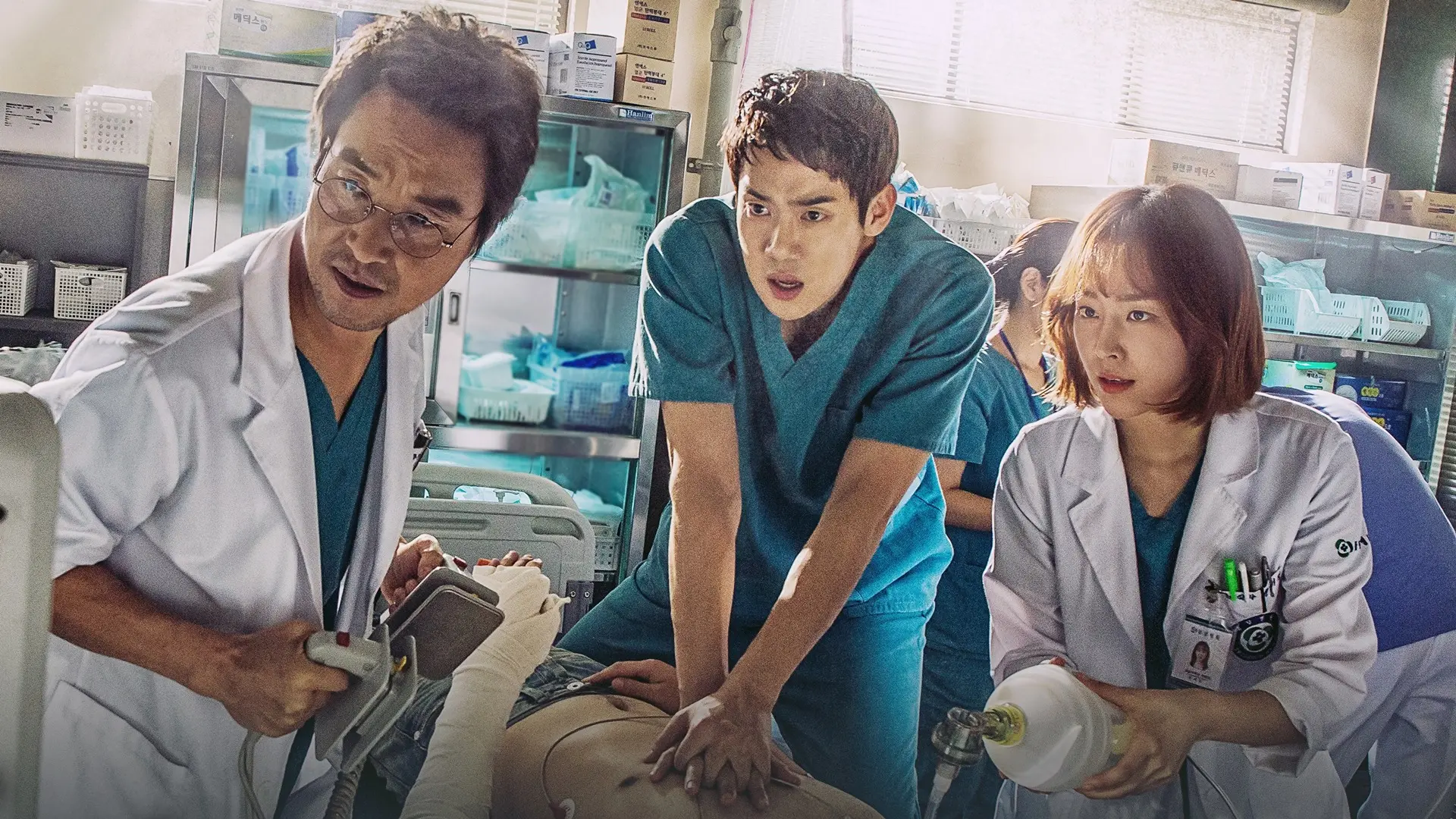
The Korean medical drama about talented surgeon Kim Sa-bu, who works in a small hospital in Doldam. He seems eccentric and reclusive but has immense experience and his own strict ethics: a patient must be saved, even if the system, statuses, and the ambitions of others get in the way.
The series combines dynamic surgeries, mentorship, and the classic motif of students gradually becoming doctors not only by diploma but also by internal choice. It features a lot of emotional Korean dramaturgy, but also a strong theme of professional honor. It is a good option for those who love stories about a strict teacher who breaks the pride of young talents and teaches them to see a person in the patient.
Chicago Med
IMDb: approximately 7.6
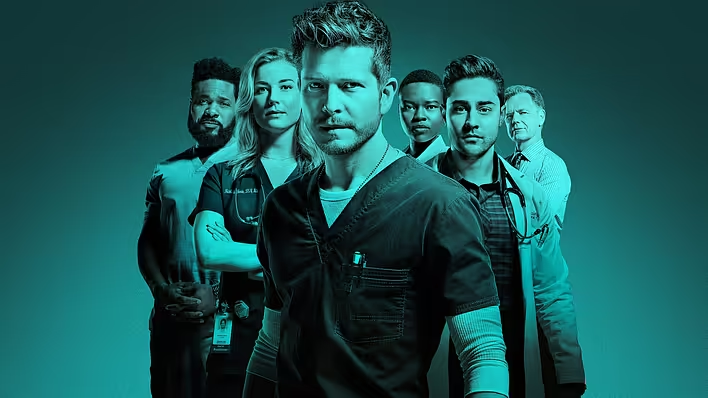
"Chicago Med" is part of the large television universe of Dick Wolf, which also includes "Chicago Fire" and "Chicago P.D.". The series focuses on doctors and nurses in the emergency department in Chicago but often intersects with firefighters, police, and paramedics.
This is a classic procedural series: many cases, a fast pace, personal character arcs, and moral dilemmas. It is convenient to watch for those who enjoy a stable formula where each episode has several medical stories, but the characters gradually develop from season to season. "Chicago Med" does not attempt to radically rethink the genre, but it works well as a solid hospital drama for long viewing.
Bodies
IMDb: approximately 8.0
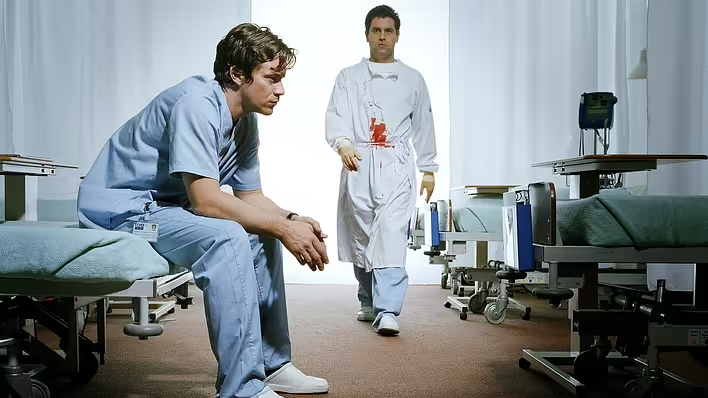
The British series "Bodies" from 2004 is not as well-known to the general audience, but it is often mentioned among the toughest and most realistic medical dramas. It tells the story of the obstetrics and gynecology department and a young doctor who sees that behind the outward respect for the profession can hide incompetence, silence about mistakes, and corporate solidarity.
The author of the series, Jed Mercurio, worked as a doctor before becoming a screenwriter. Perhaps that is why "Bodies" has such a nerve: here, the hospital is depicted as a place where the fear of telling the truth can be just as dangerous as the disease itself. It is not a comfortable series, but very powerful for those interested in the dark side of the medical system.
Doc Martin
IMDb: approximately 8.4
"Doc Martin" is a British series about brilliant surgeon Martin Ellingham, who is forced to leave the operating room due to a fear of blood and become a general practitioner in a small seaside town. He is smart, straightforward, and socially awkward, while the local residents constantly test his patience.
This is not a hospital drama but rather a medical dramedy with a provincial flavor. Its charm lies in the contrast between the hero's cold professionalism and the warm, chaotic environment of the town. "Doc Martin" is well-suited for those who want a series about medicine without constant operating room crises, but with diagnoses, human quirks, and British humor.
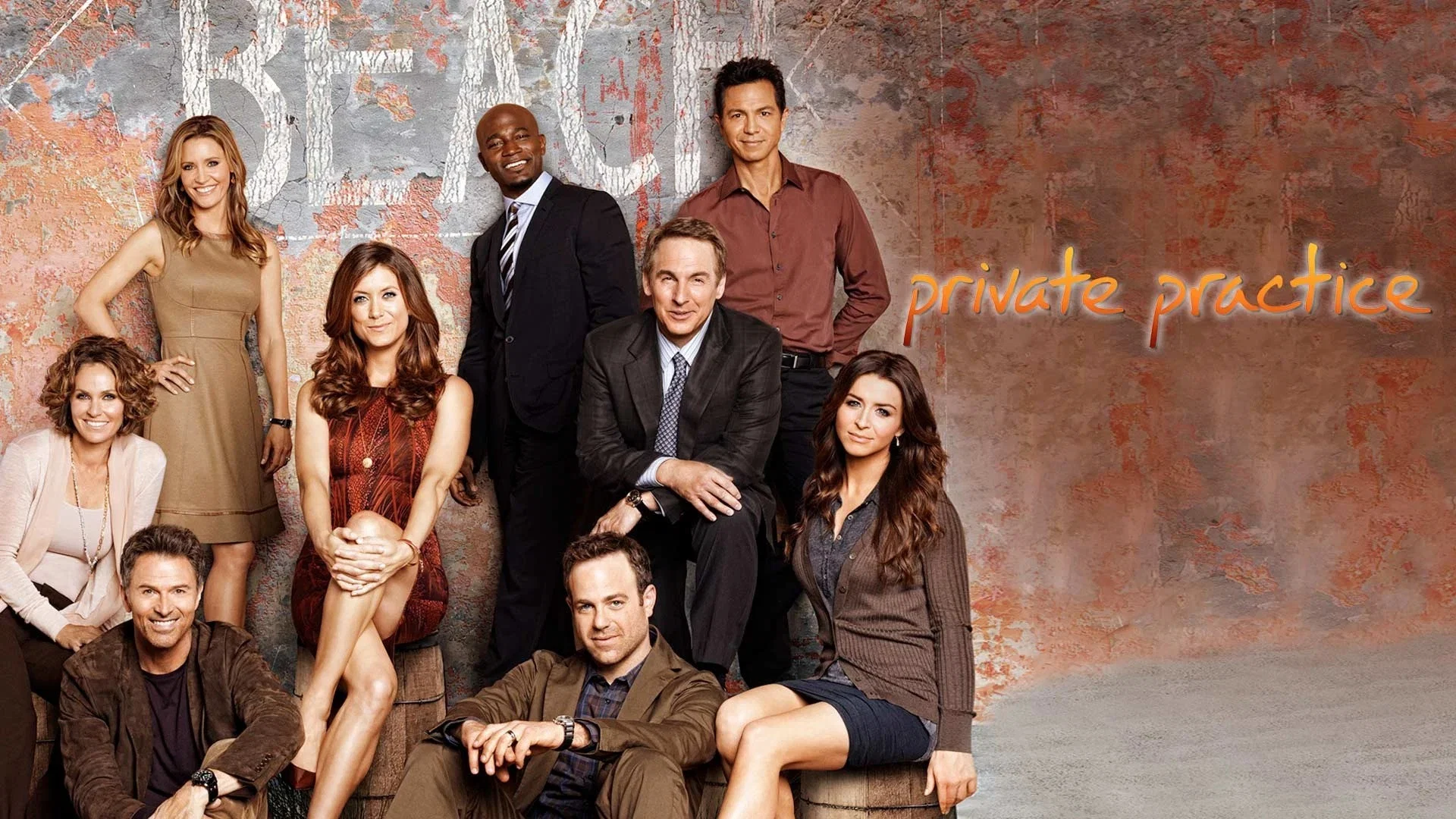
Private Practice
IMDb: approximately 6.8
"Private Practice" is a spin-off of "Grey's Anatomy," centered around Addison Montgomery. She leaves Seattle Grace Hospital and moves to Los Angeles, where she works at a private clinic. The atmosphere here is different: less of the large hospital machine, more personal decisions, reproductive medicine, psychological trauma, and complex ethical choices.
The series is not as iconic as "Grey's Anatomy," but it is interesting in that it expands Shonda Rhimes' world and gives more space to themes of motherhood, infertility, adoption, sexual violence, and the limits of medical intervention. It is more of an emotional drama about adults who heal others but do not always manage their own lives.
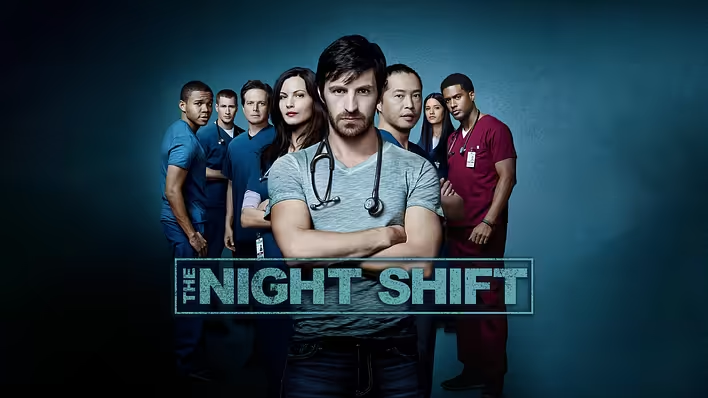
The Night Shift
IMDb: approximately 7.4
"The Night Shift" tells the story of a team of doctors working in the night emergency department in San Antonio. Many characters have military experience, so the series often combines medicine with themes of trauma, PTSD, combat past, and adaptation to civilian life.
This is not the deepest medical drama in the selection, but it maintains a good pace and is suitable for those who enjoy emergencies, team dynamics, and heroes who act faster than they explain. The night format adds atmosphere: the hospital feels like a separate world that awakens when the city sleeps.
What to Choose for Viewing
If you want an intellectual medical detective, it's best to start with "House M.D.". For genre classics, you should watch "ER," and for a modern tense story about the emergency department - "The Pitt". For a long emotional saga, "Grey's Anatomy" is suitable. If you need a comedy that can be painful, "Scrubs" is the way to go. For a bleak historical atmosphere, look to "The Knick," and for an honest look at the exhaustion of medical professionals - "This Is Going to Hurt".
For those who want warmth and humanity, you can start with "Hospital Playlist" or "Call the Midwife". If systemic issues in medicine interest you, pay attention to "The Resident," "Bodies," and "New Amsterdam". And if you want a calmer British dramedy, "Doc Martin" will be a good break after heavy hospital dramas.
Medical series work because the stakes are always clear. A person comes for help, and someone has to decide what to do next. But the most interesting part begins where the series shows not just the disease but also those who live alongside the pain of others every day. That is why the best stories about medical professionals are not only about diagnoses, surgeries, and hospital corridors. They are about the limits of human strength and how hard it is to remain a living person in a profession that constantly demands you to be strong.