This content has been automatically translated from Ukrainian.
The condition of hair is a direct reflection of the internal health of the body and the quality of external care. Modern trichology https://goodcells.com/tryhologia/konsultaciya-trihologa addresses the problem of hair loss or damage to the hair structure comprehensively, combining dietary correction with professional procedures. This article will help you understand which microelements are important for follicles and how to build a daily routine. You will learn about the role of proteins and proper scalp cleansing to achieve thickness and shine.
The impact of nutrients on hair structure formation
Hair is 90% composed of keratin—a protein for which the body needs amino acids for synthesis. A deficiency of nutrients leads to resources being directed to vital organs, leaving the follicles in a state of starvation. A balanced diet is the first step towards restoring hair thickness. Trichologists recommend foods rich in iron, zinc, and biotin, as they are involved in the division of matrix cells.
The main dietary components for strengthening follicles:
- Omega-3 fatty acids, which provide elasticity to the hair shaft;
- Iron, which is responsible for transporting oxygen to the roots;
- Zinc, which regulates the work of sebaceous glands and tissue regeneration;
- Vitamin C, necessary for collagen synthesis and capillary strength;
- Vitamin A, which stimulates the production of protective skin sebum.
Experts note that external care will not yield results in the case of chronic protein or ferritin deficiency. Proper nutrition lays the foundation for the growth of strong and damage-resistant hair.
Rules for cleansing and choosing products according to skin type
Proper cleansing must meet the physiological needs of the scalp. A common mistake is choosing shampoo based on the condition of the ends, while the product should be selected solely according to skin type. Oily skin requires intensive cleansing, while dry skin needs gentle sulfate-free formulas to maintain the lipid barrier. Removing dead skin cells helps follicles better absorb the active components of care serums.
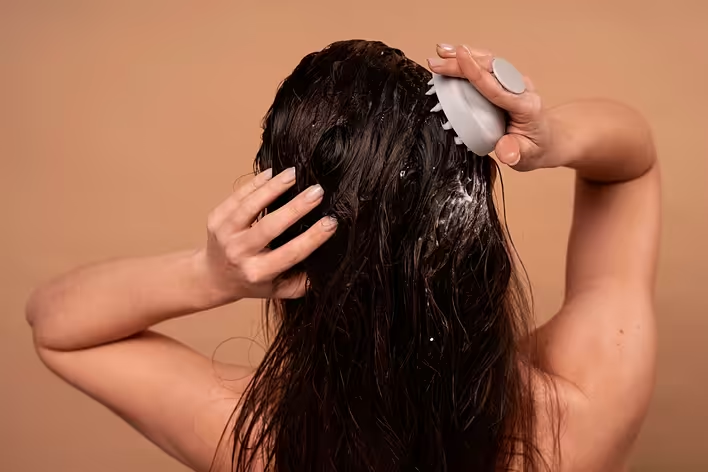
The algorithm for proper hair washing:
- Thoroughly wet the hair with warm water for one minute.
- Foam the shampoo in your hands before applying it to the roots.
- Gently massage the scalp with your fingertips to stimulate blood circulation.
- Reapply the product for complete removal of impurities.
- Rinse the hair with cool water to close the cuticle.
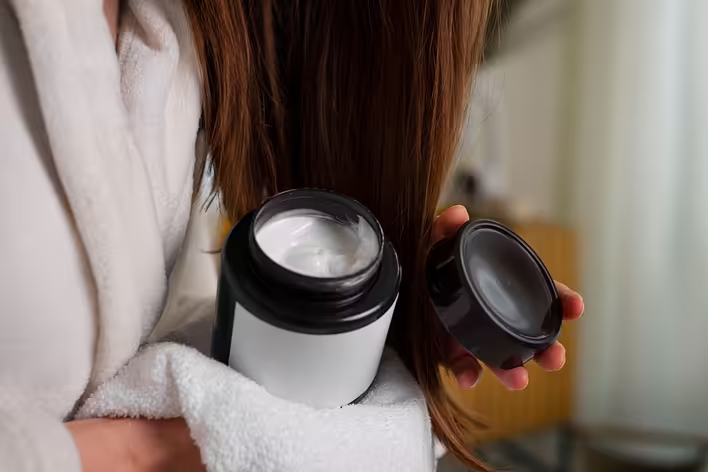
After washing, be sure to use a balm or conditioner, applying it from the mid-lengths. This helps restore the pH balance and protect the shaft from mechanical damage during combing.
Protecting the hair shaft from external factors
Hair suffers daily from UV rays, temperature fluctuations, and hard water. These factors destroy the protective lipid layer, making the strands brittle and dull. A professional approach involves using leave-in products with thermal protection properties and UV filters. Special attention should be paid to water quality, as heavy metal salts accumulate in the structure, altering the hair's elasticity.
Table of care products depending on external conditions:
The balance between nutritional support and cosmetic care is the only way to healthy hair. A combination of vitamins, proper cleansing, and protection creates ideal conditions for the growth of thick strands. Attention to overall health and the choice of proven methods will help preserve the beauty of hair for many years.
Like it?React
🧵
This post doesn't have any additions from the author yet.