All original content is created in Ukrainian. Not all content has been translated yet. Some posts may only be available in Ukrainian.Learn more

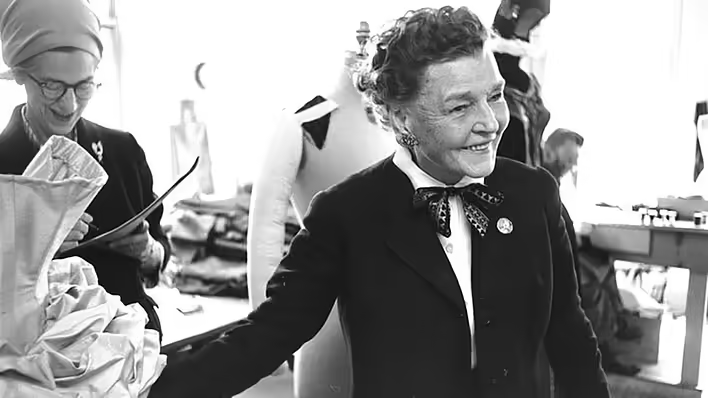
Varvara Karynska is a Ukrainian who changed the appearance of ballet in the world.

Post cover: Varvara Karynska is a Ukrainian who changed the appearance of ballet in the world.
This content has been automatically translated from Ukrainian.
The name Varvara Karinska is now known to everyone who is at all interested in ballet or stage costumes. This Ukrainian artist from Kharkiv forever changed the way ballerinas look — she created the modern layered ballet tutu that is worn by leading theaters around the world.
Varvara Karinska was born in 1880 into a wealthy Kharkiv family. She received a good education, spoke several languages, and had a talent for art. After the revolution, she emigrated first to Europe and later to the USA, where she revealed her talent as a costume designer. In Paris, she worked with Sergei Diaghilev and his "Russian Ballet," and later with George Balanchine at the New York City Ballet. It was in this partnership that her most famous innovation — the new ballet tutu — was born.
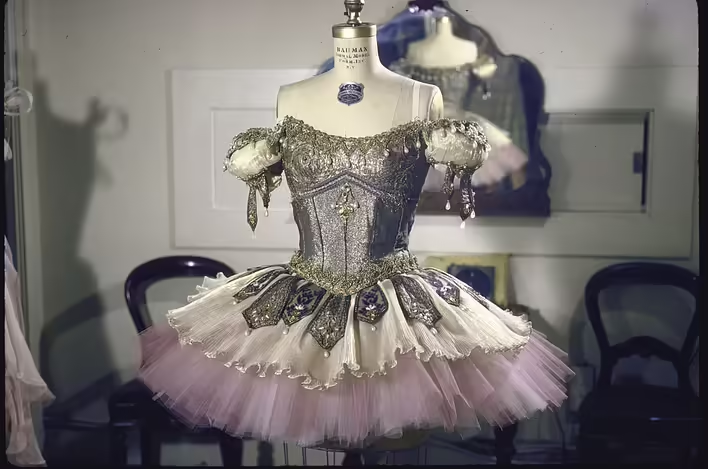
костюм для постановки «Сон літньої ночі»
Before Karinska, ballet skirts were heavy, stiff, and often uncomfortable. She devised a way to make them light, layered, and made of tulle, with each layer attached separately. This allowed the ballerina to move more freely, and the costume to "flow" with her. Such a tutu became the standard in ballet and is still used today — it is even called “Karinska” (the "Karinska tutu").
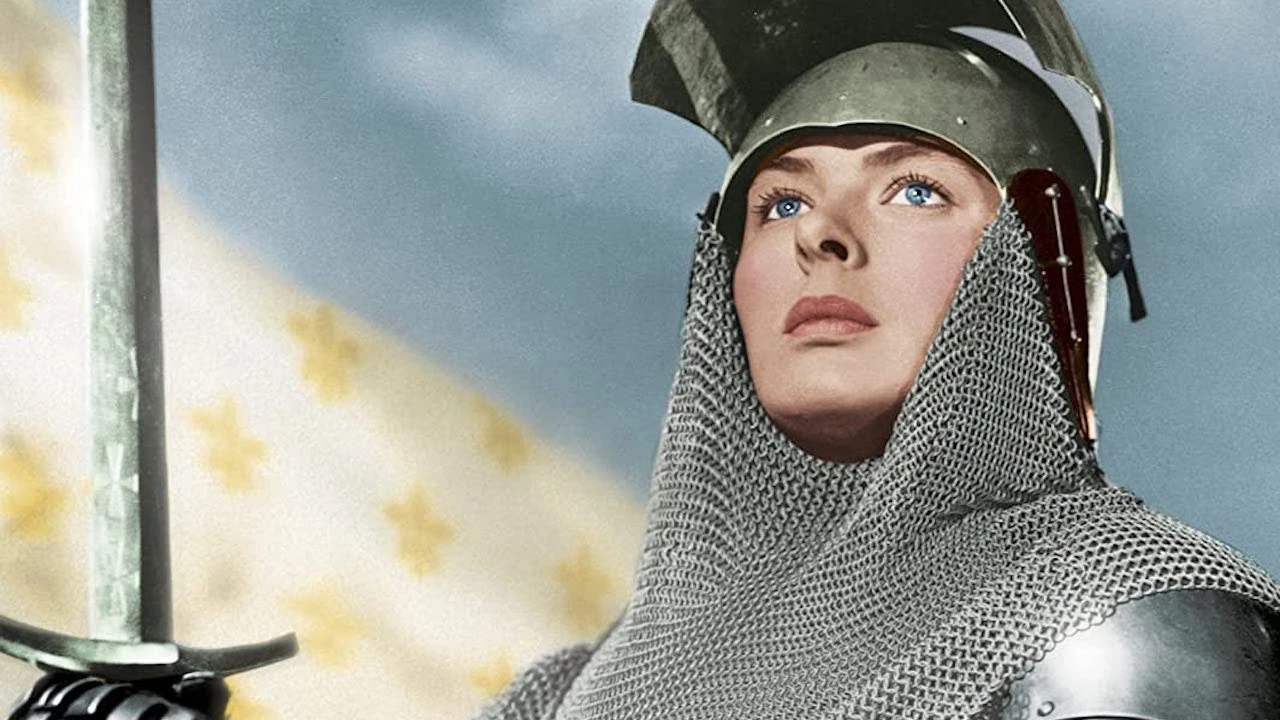
Karinska also worked on costumes for Hollywood and Broadway, winning an Oscar for the costumes in the film “Joan of Arc” (1948) — a rare case where a ballet costume designer conquered the film industry as well. Her innovative approach combined technical excellence with artistic vision, and each costume was meticulously thought out.
кадр з фільму "Жанна Д'Арк", 1948
Today, the influence of Varvara Karinska can be felt in every major ballet theater in the world — from New York to Paris and London. Her name stands alongside Balanchine and Diaghilev as a symbol of elegance, technical innovation, and feminine genius in the arts.
This post doesn't have any additions from the author yet.

Why tips are left in restaurants — and where it came from
07 Oct 14:39

Why tips are left in restaurants — and where it came from

Пу-пу-пу
Пу-пу-пу@schrute
Why do the living receive an odd number of flowers, while the deceased receive an even number?
08 Oct 11:53

Why do the living receive an odd number of flowers, while the deceased receive an even number?

Пу-пу-пу
Пу-пу-пу@schrute
What is the difference between clarified butter and ghee?
08 Oct 16:14

What is the difference between clarified butter and ghee?

Пу-пу-пу
Пу-пу-пу@schrute
Mate is the green energy of South America.
13 Oct 12:17

Mate is the green energy of South America.

Пу-пу-пу
Пу-пу-пу@schrute
A colossus on clay feet: what this expression means and where it came from
13 Oct 12:29

A colossus on clay feet: what this expression means and where it came from

Пу-пу-пу
Пу-пу-пу@schrute
Water chestnut — a mysterious fruit from Ukrainian waters
15 Oct 11:12

Water chestnut — a mysterious fruit from Ukrainian waters

Пу-пу-пу
Пу-пу-пу@schrute
Seiches — standing waves in lakes and seas
15 Oct 11:38

Seiches — standing waves in lakes and seas

Пу-пу-пу
Пу-пу-пу@schrute
Who are John and Jane Doe
23 Oct 12:05

Who are John and Jane Doe

Пу-пу-пу
Пу-пу-пу@schrute
What is "Lorem ipsum" and where is it used?
23 Oct 12:18

What is "Lorem ipsum" and where is it used?

Пу-пу-пу
Пу-пу-пу@schrute
Fanzines: how fans created their own media culture
04 Nov 10:47

Fanzines: how fans created their own media culture

Пу-пу-пу
Пу-пу-пу@schrute
Comics: history, culture, and the phenomenon of visual storytelling
04 Nov 11:05

Comics: history, culture, and the phenomenon of visual storytelling

Пу-пу-пу
Пу-пу-пу@schrute
Drinks created not for pleasure: how medicines, elixirs, and tonics became legends
06 Nov 18:13

Drinks created not for pleasure: how medicines, elixirs, and tonics became legends

Пу-пу-пу
Пу-пу-пу@schrute