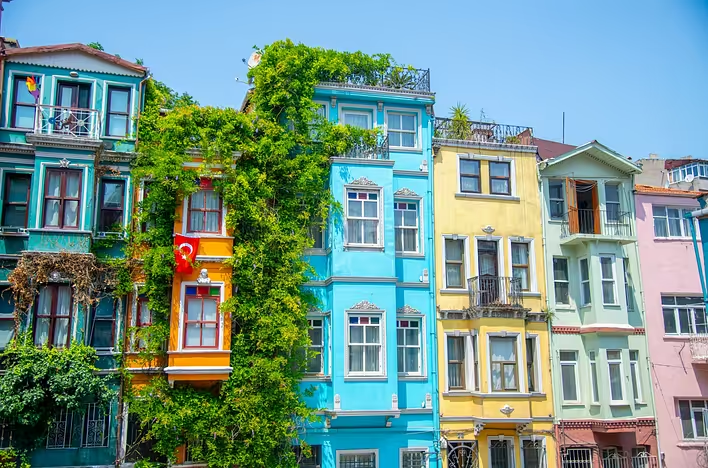
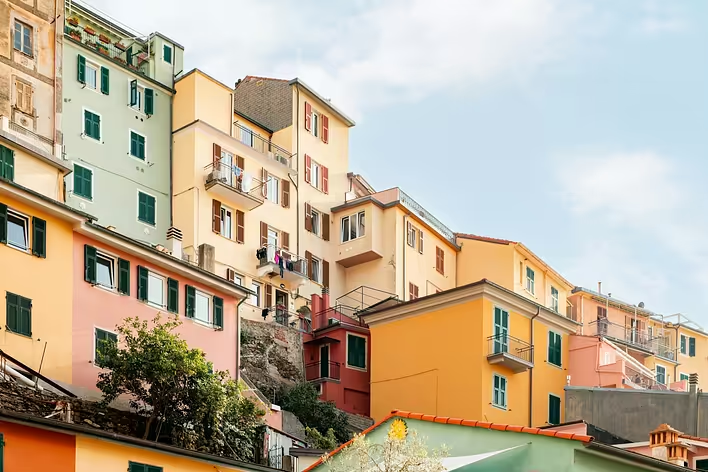
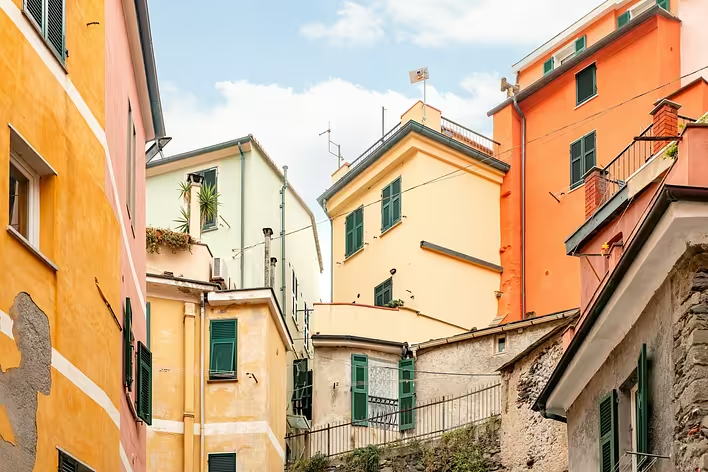
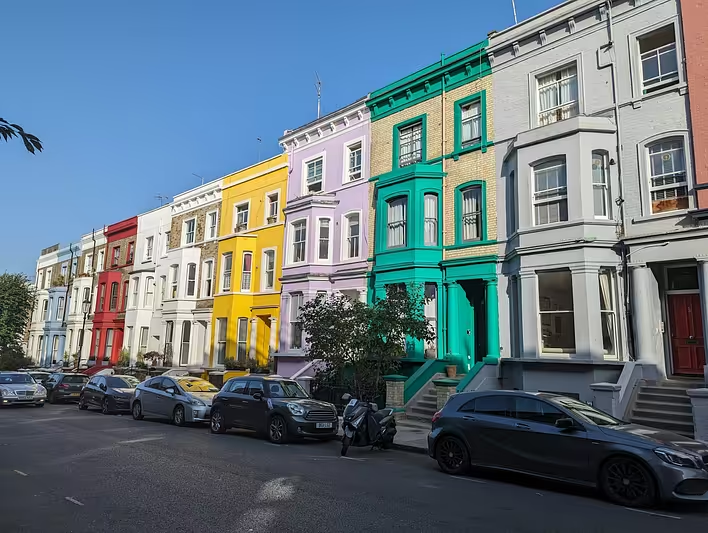
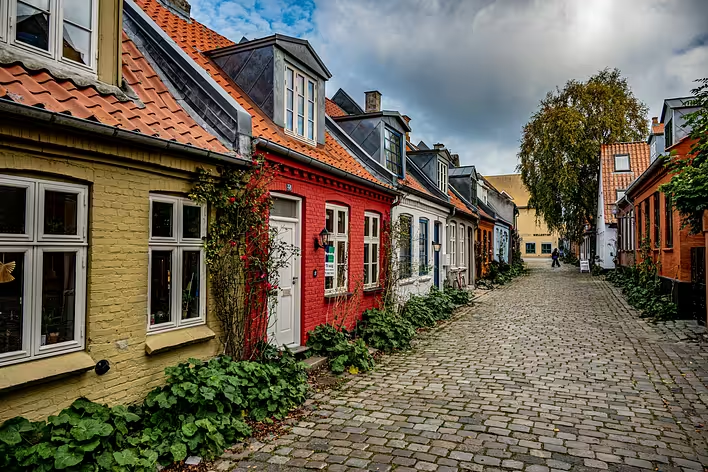
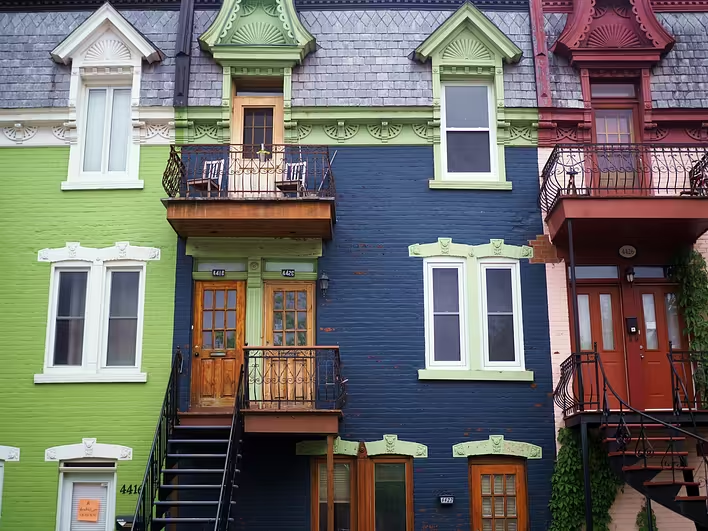
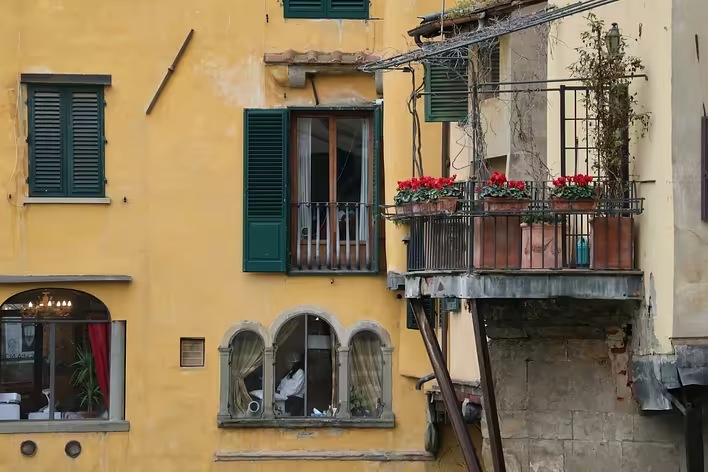
Colorful facades of buildings are one of those details that shape the character of a city even before we manage to pay attention to the architecture. Bright streets seem festive, lively, sometimes even a bit fairytale-like. But this tradition arose not out of a love for aesthetics as such. In most cases, it developed at the intersection of practical needs, available materials, and cultural codes that changed over the centuries.
If we look more broadly, bright facades are particularly common in coastal cities, in countries with harsh climates, or in regions with a strong color tradition — like in Latin America. And in each of these cases, color played its role, sometimes very utilitarian.
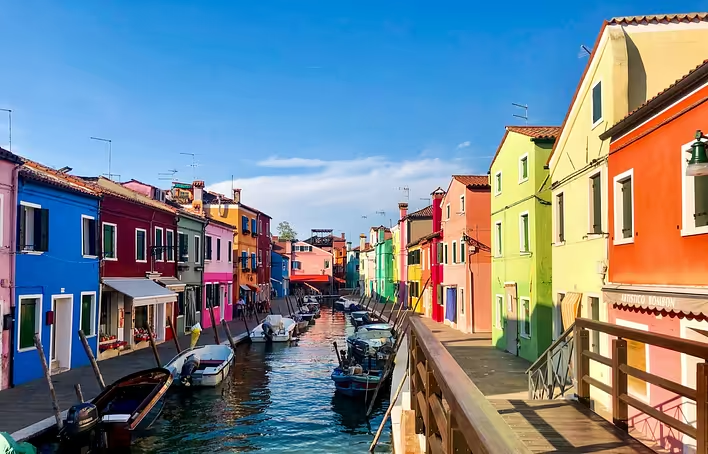
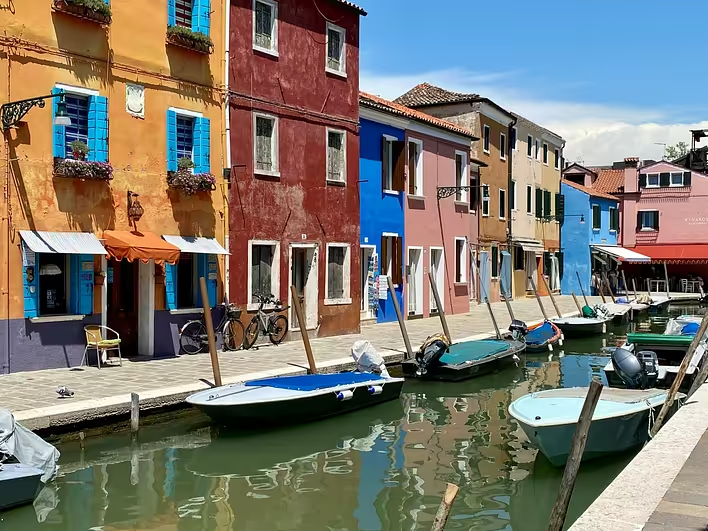
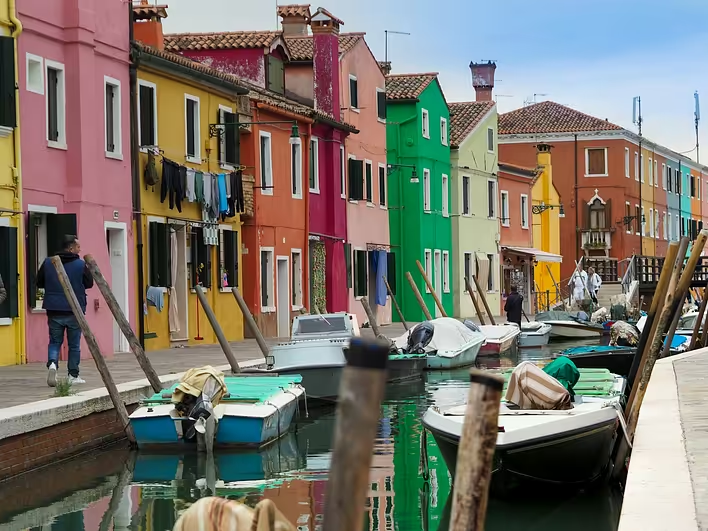
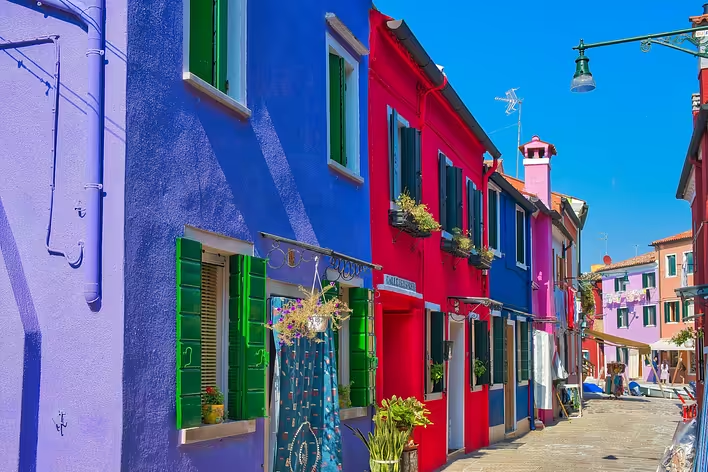
One of the simplest yet most convincing factors is practicality. In fishing towns, colors were a way of orientation. For example, in Burano, houses were painted in bright greens, yellows, blues, and pinks so they could be distinguished from the water even in thick fog. For residents, this was not a decorative whim, but part of daily life: when returning from the sea, it was necessary to quickly find one’s own home. Over time, this tradition became so recognizable that today the colors here are even regulated to preserve the historical appearance of the island.
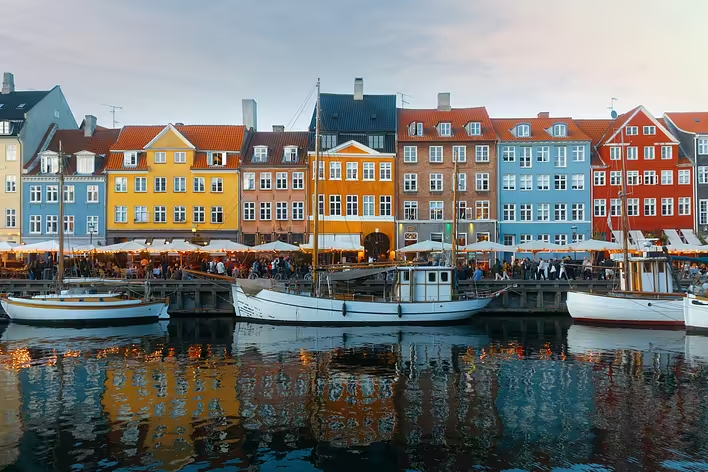
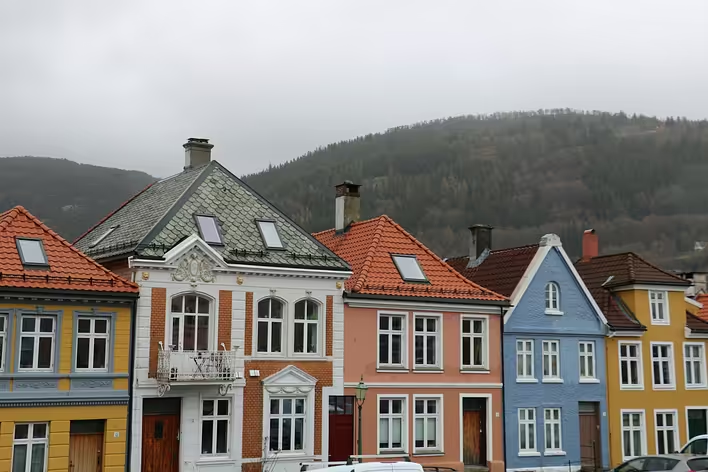
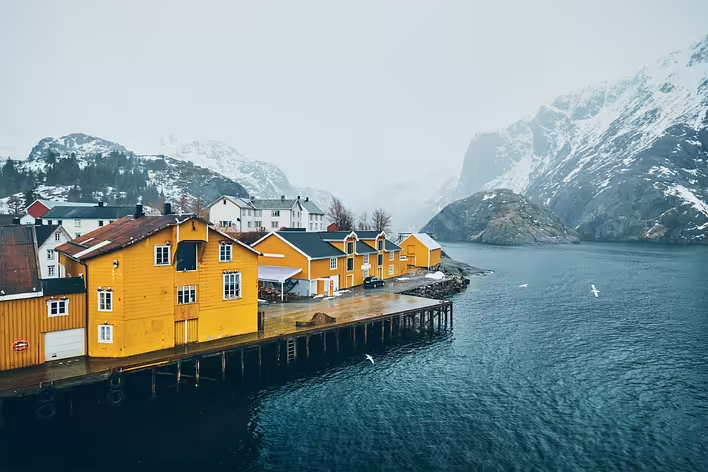
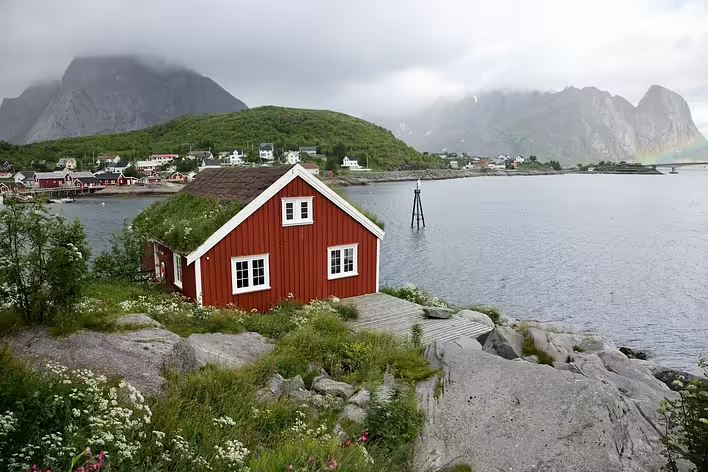
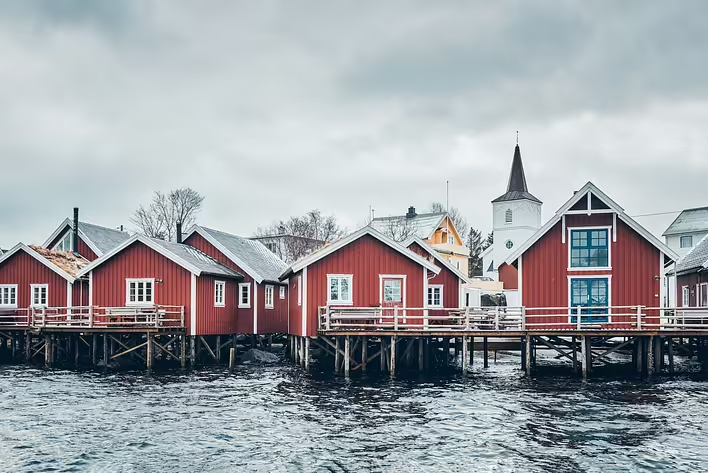
A similar logic worked in northern countries, although there the climatic factor was added. In Sweden or Norway, bright facades appeared partly in response to long, dark winters. Rich red or yellow houses created a sense of warmth and life in an environment where cold colors of the sky and landscape dominate for most of the year. But even more interesting is that this choice was often determined not so much by aesthetics as by the availability of materials. The well-known Scandinavian red color comes from a pigment that was a byproduct of copper mining. It was cheap, provided good protection for wood against the weather, and quickly became a standard. Over time, even a sort of color hierarchy emerged, where the shade of the facade could hint at the owner's wealth.
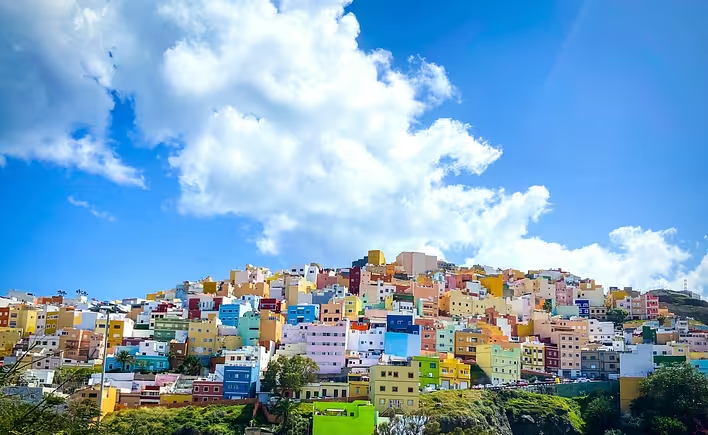
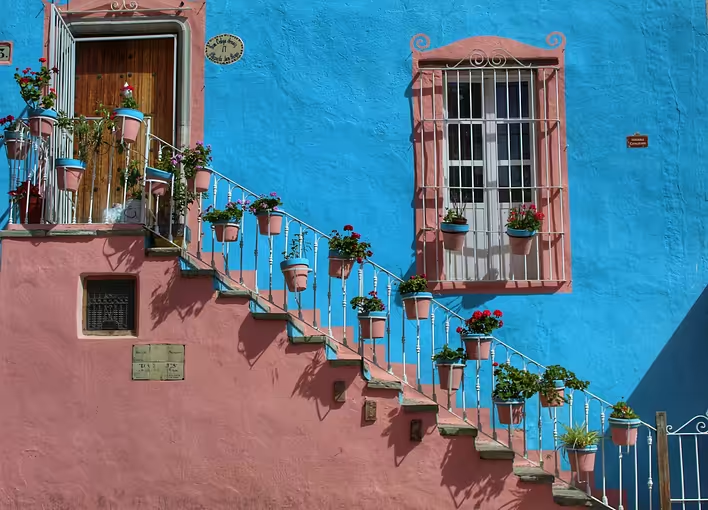
In southern regions, particularly in Mexico, the history of color has a completely different character. Here, bright facades are a continuation of ancient traditions of using color in architecture since pre-colonial times. Rich pink, terracotta, yellow, and turquoise shades are associated with natural pigments that were available in the region, as well as with the cultural perception of color as a means of expressing emotions and identity. In these cultures, color is not secondary — it shapes space and mood, making even everyday environments look festive.
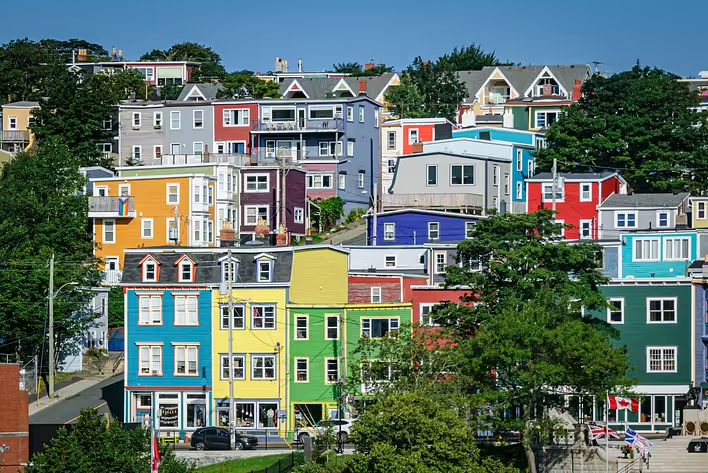
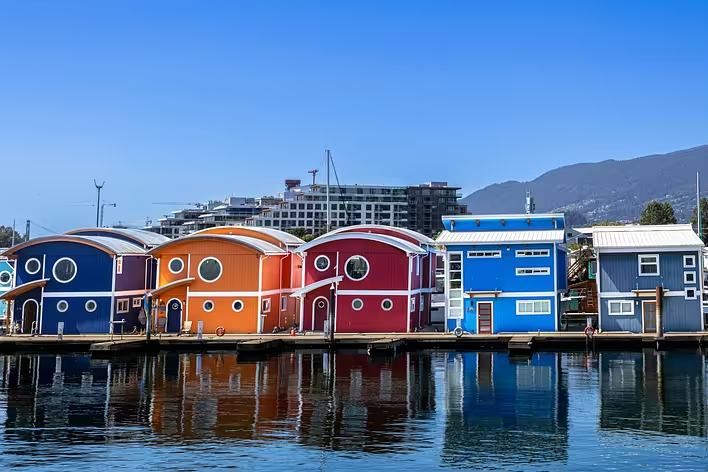
Coastal cities around the world — from Valparaíso to small settlements in Canada — demonstrate another dimension of this story. Here, colors often arose from a combination of utility and randomness. Paint could be obtained from leftover ship materials or other available resources, so the palette formed gradually and without a single plan. As a result, bright, somewhat chaotic urban landscapes emerged, which today are perceived as a special charm.
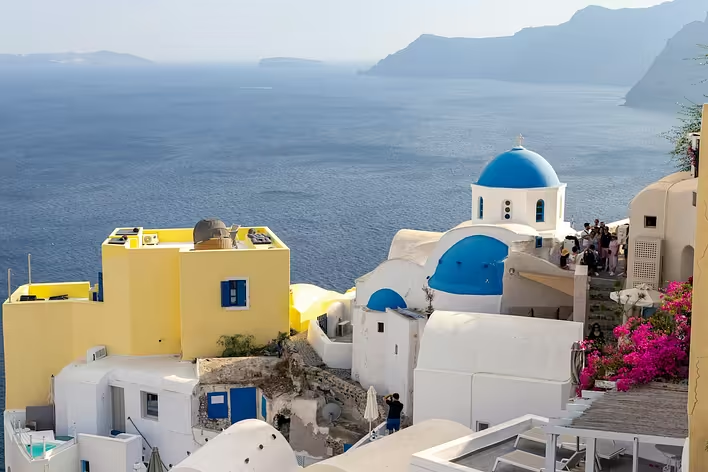
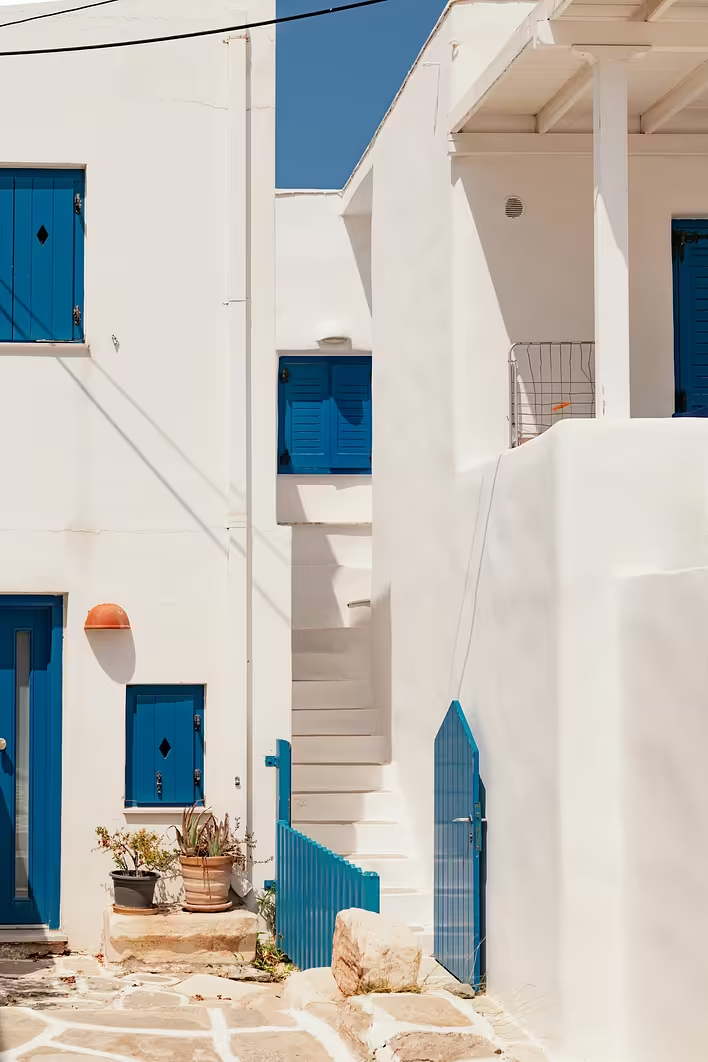
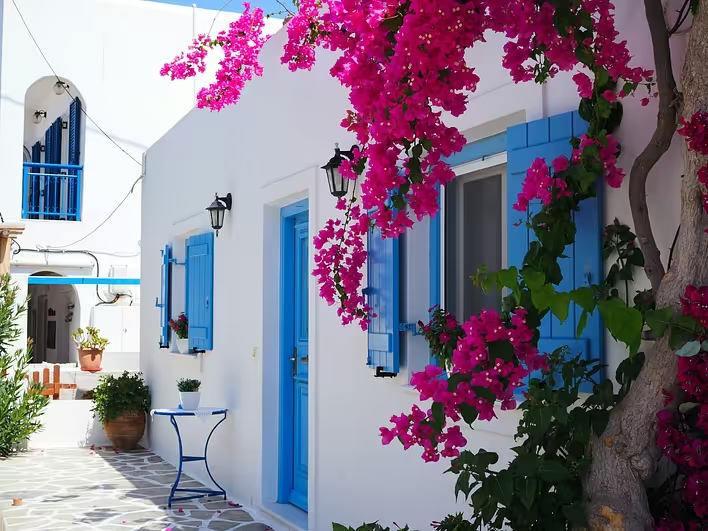
A separate case is Greece, where one of the most famous color combinations in the world formed: white and blue houses, especially on islands like Santorini or Mykonos. At first glance, this seems purely aesthetic, but in fact, it has practical roots. The white color is lime, which reflects sunlight and helps lower temperatures in homes, which is critically important in a hot climate. Moreover, it has antiseptic properties, so it was regularly used as a protective coating. Blue appears as a complement — in details, and at the same time refers to the sea and sky, forming a recognizable image. Unlike colorful cities, the Greek approach works through color limitation, but produces an equally strong effect.
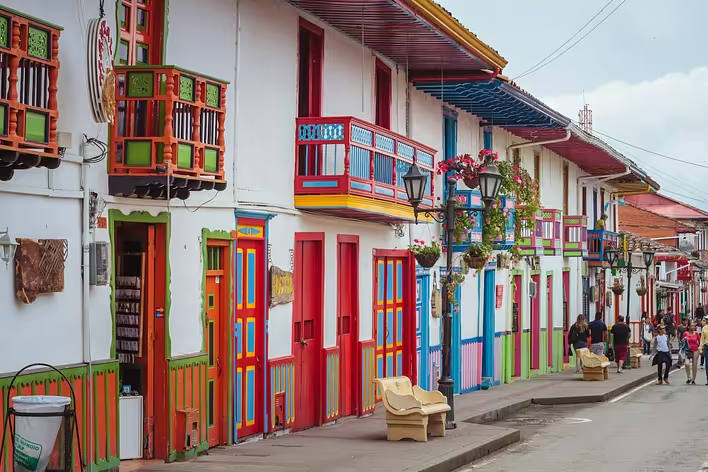
Over time, practical reasons faded into the background, and color began to work as a cultural code. In many European cities, bright facades became part of the heritage that is consciously preserved. In Latin America, they remained a way to express local identity. And in cities like San Francisco, colors began to highlight architectural details and create a recognizable urban style.
Today, another factor is added — visual culture and tourism. Bright cities are easier to remember, look better in photos, and quickly become popular. But it is important that this function merely continues an old logic: color has always been a way to make space more understandable, comfortable, and “one’s own”.
In conclusion, bright facades are not just about aesthetics. They are the result of adaptation to the environment, available resources, and cultural notions of what space should be like for living. And that is why in different parts of the world these colors look different, but always seem natural.