This content has been automatically translated from Ukrainian.
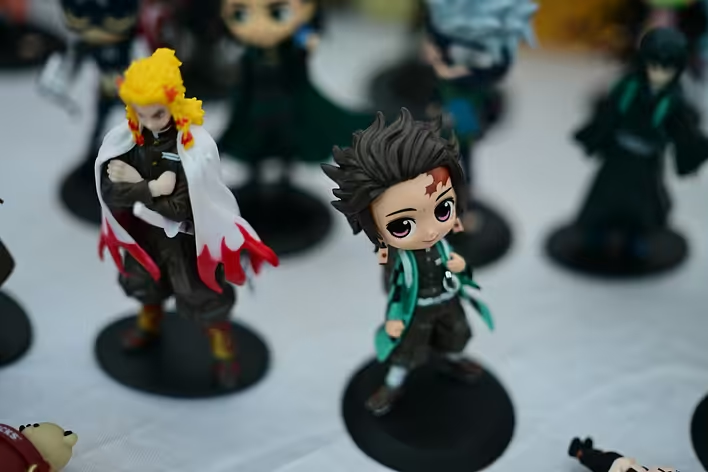
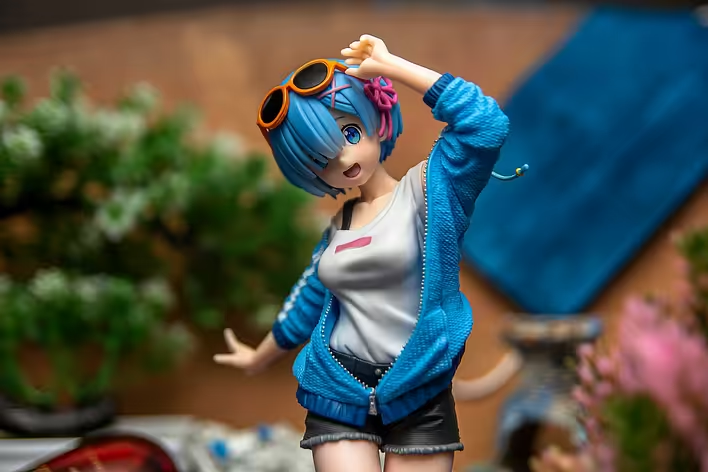
Fan service is a technique in anime (and not only) that is added specifically to please the audience. These can be scenes, jokes, visual details, or even entire episodes that do not always affect the plot but evoke emotions in fans — from laughter to excitement.
What does "fan service" mean
The term comes from the English fan service — "service for fans." In Japanese pop culture, it has established itself as any content created with the audience's preferences in mind. It is not necessarily something explicit — although that option has become the most well-known.
Fan service has many forms, and not all of them are related to eroticism:
- Visual (the most popular)For example, scenes with swimsuits, random "awkward" angles, or exaggerated sexualization of characters.
- ComedicAbsurd situations, hyperbolized reactions, familiar anime clichés (falls, "accidental" touches, etc.).
- NostalgicReferences to previous seasons, old episodes, or other titles from the studio.
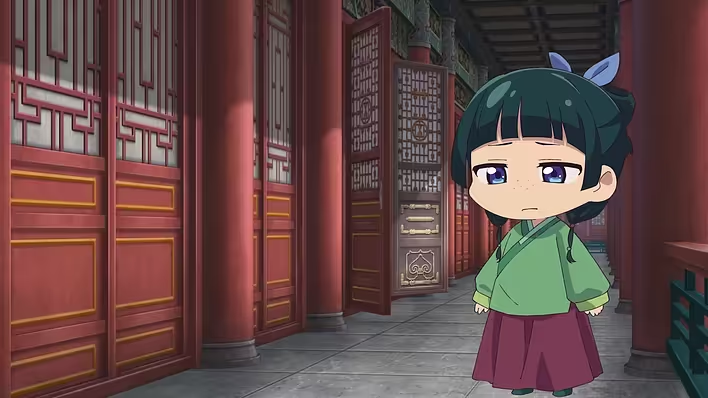
- Character-basedMoments that show beloved characters in new outfits — for example, in festive clothing or alternative roles.
- Cameos and crossoversThe appearance of familiar characters or references to other stories.
Examples of fan service in anime
- Fairy Tail — one of the most famous examples with a lot of visual fan service.
- Kill la Kill — fan service here is taken to the absurd and even becomes part of the plot.
- My Hero Academia — uses it sparingly, primarily as a humorous element.
- Gintama — an example of comedic fan service with a lot of parodies and references.
Why it is used
Firstly, it is a way to keep the audience's attention. Even if the plot slows down, such inserts help to "lighten" the atmosphere.Secondly, it is a marketing tool — popular scenes often spread on social media and increase interest in the title.And thirdly, it is simply part of anime culture that has developed over the years.
Attitudes towards fan service vary. For some, it is a fun and integral element of the genre; for others, it is excessive or even annoying. It all depends on the balance: when fan service does not interfere with the story, it works as a bonus. But if there is too much of it — the plot may take a back seat.
Like it?React
🧵
This post doesn't have any additions from the author yet.