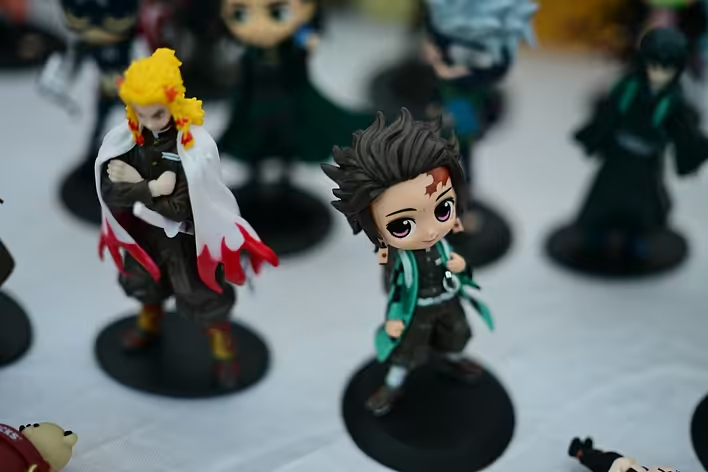
Chibi (Japanese: ちび) is a style of depicting characters in Japanese animation and manga, where heroes appear intentionally "miniature" and maximally cute. The word itself translates from Japanese as "small" or "tiny," but in a cultural context, it means much more than just size.
In the chibi style, characters have disproportionately large heads, small bodies, short limbs, and simplified facial features. Often, the eyes remain large (as in classic anime), but details are minimized to enhance the emotion — surprise, joy, anger, or embarrassment.
This style is closely related to Japanese culture's kawaii — the cult of cuteness. That’s why chibi characters look so charming and evoke emotional attachment even in serious or dramatic plots.
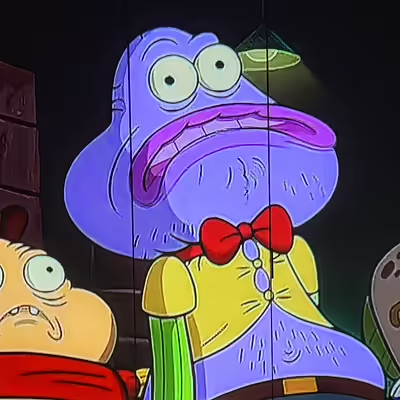
In anime, chibi is usually used as an artistic device. For example, when a scene becomes comedic or when it is necessary to exaggerate a character's reaction, they may be "transformed" into a chibi version for a few seconds. This helps to lighten the atmosphere or make the emotion more understandable to the viewer.
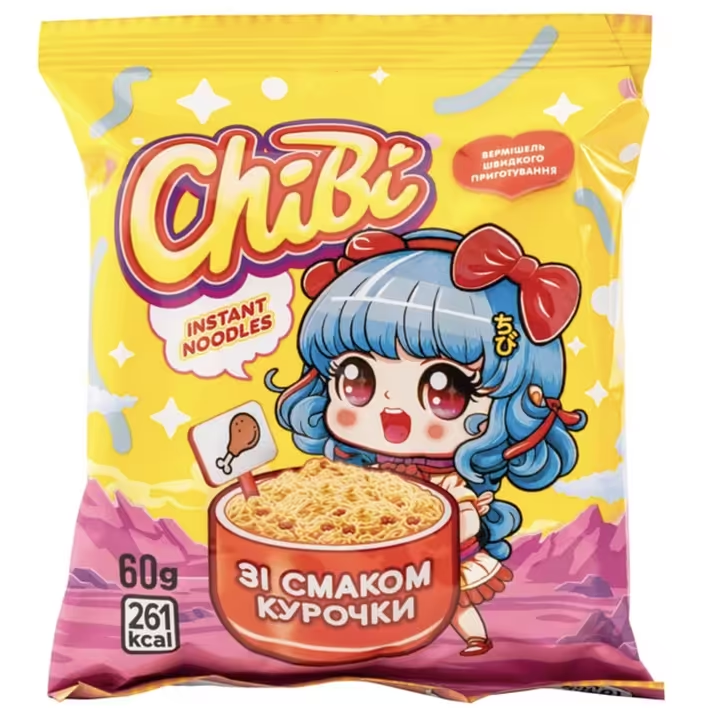
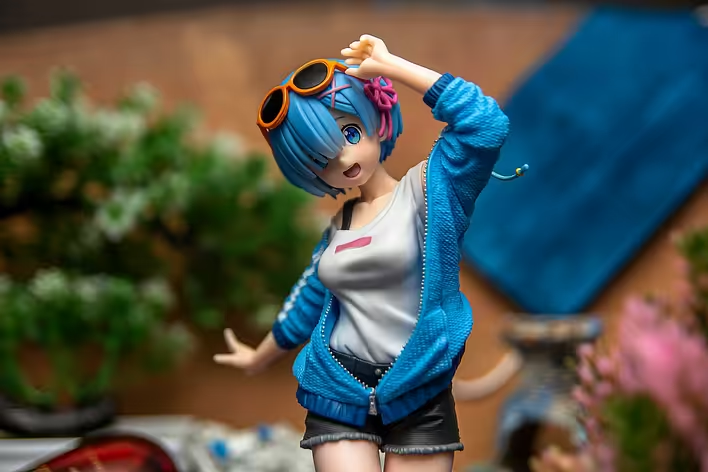
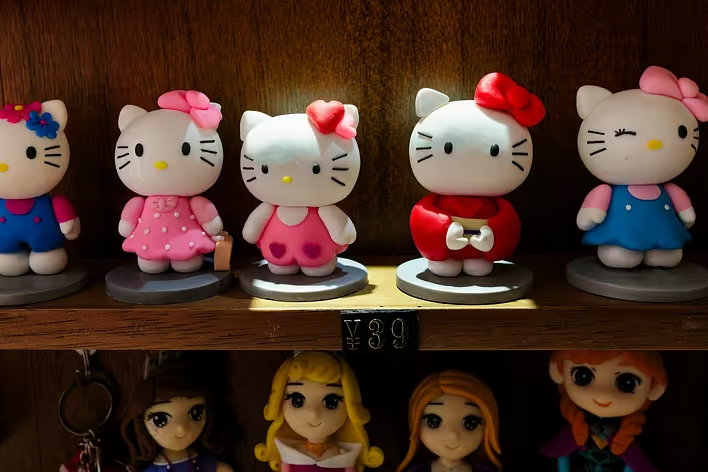
There are also separate works and spin-offs entirely executed in this style. For example, serious characters from major franchises may appear in chibi form in short humorous series or merchandise — from keychains to figurines.
It is important not to confuse chibi with simply "childlike" characters. It is not about the age of the hero, but about the way they are depicted. Even an adult and stern character can look like chibi — and it is often in this contrast that humor lies.
Examples of anime with chibi style
Sailor Moon — often uses chibi for comedic reactions of the heroines.
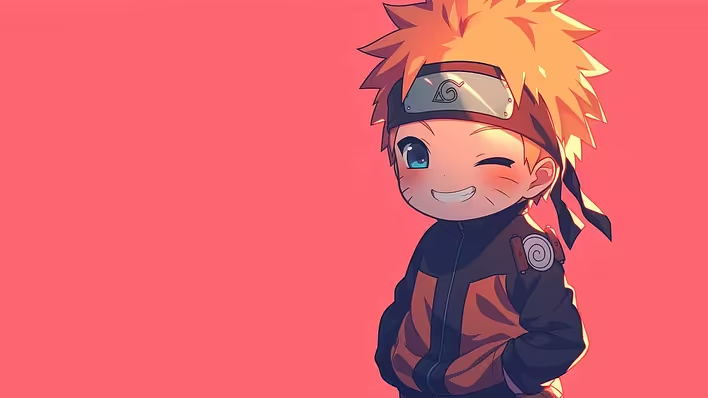
Naruto — in many scenes, characters "switch" to chibi for humor.
One Piece — exaggerated emotions are sometimes presented through the chibi style.
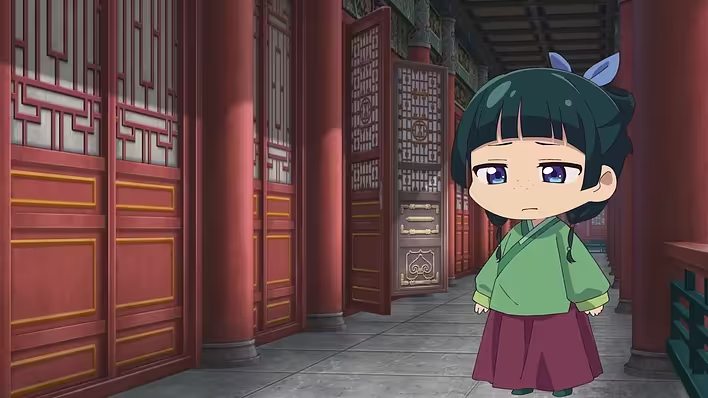
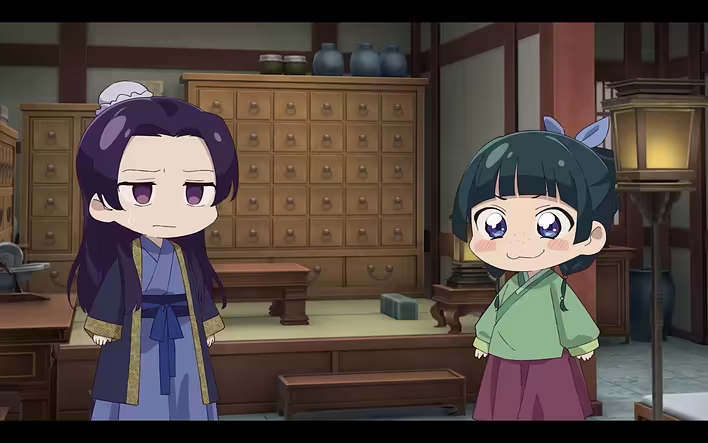
The Apothecary Diaries — despite the generally restrained and atmospheric style, in comedic or ironic moments, Maomao is often depicted in chibi form to emphasize her reactions.
KonoSuba: God's Blessing on This Wonderful World! — actively uses chibi distortions for absurd humor and exaggerated emotions.
Spy x Family — Anya's chibi expressions have become one of the most recognizable elements of the series.
Jujutsu Kaisen — even in a dark plot, chibi inserts sometimes appear to lighten the atmosphere.