The word kawaii translates from Japanese as "cute," "charming," or "adorable," but in reality, it is a much broader concept. Kawaii is a whole aesthetic that shapes the way of perceiving the world through tenderness, simplicity, and emotional openness.
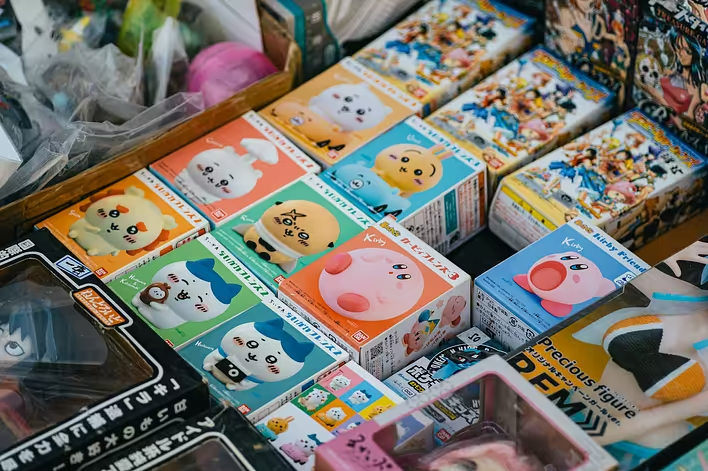
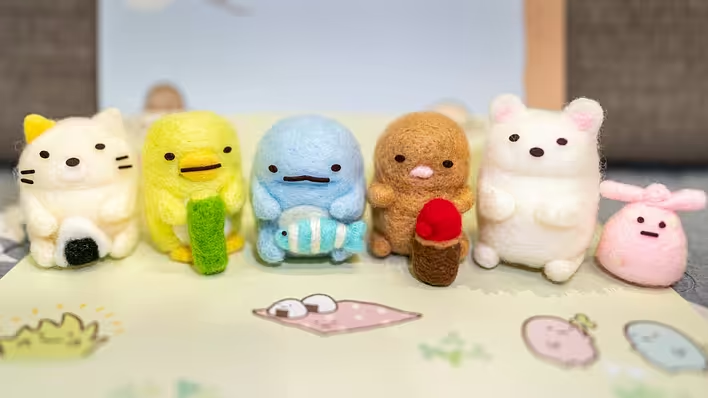
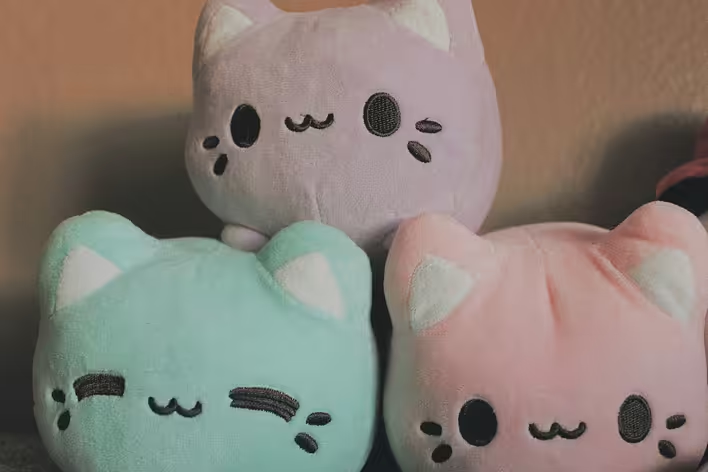
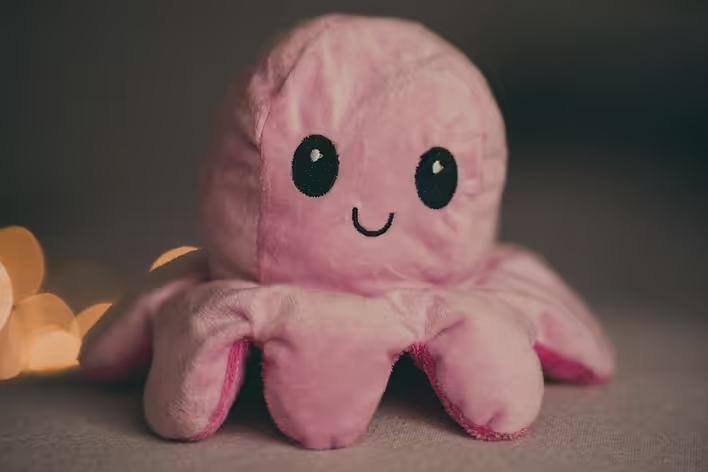
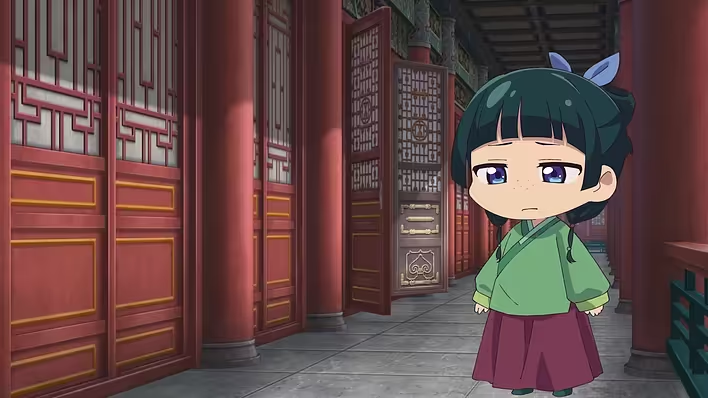
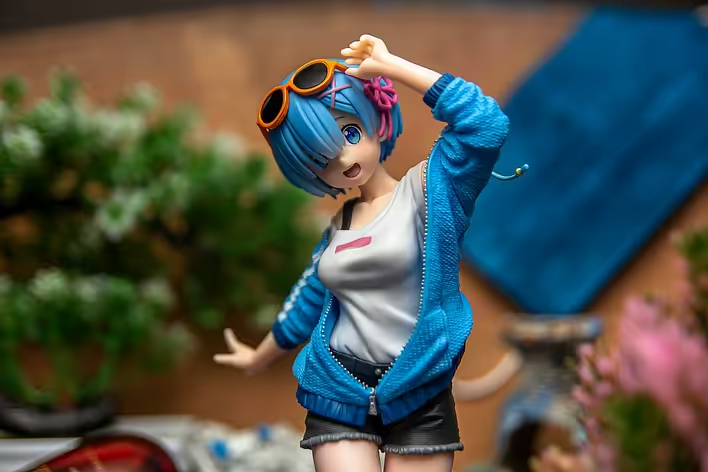
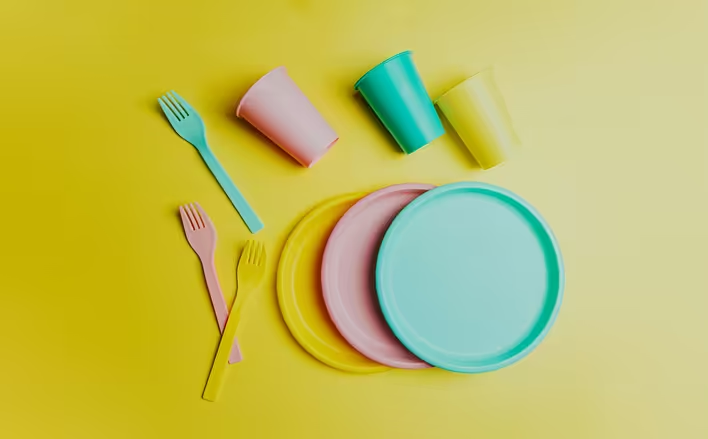
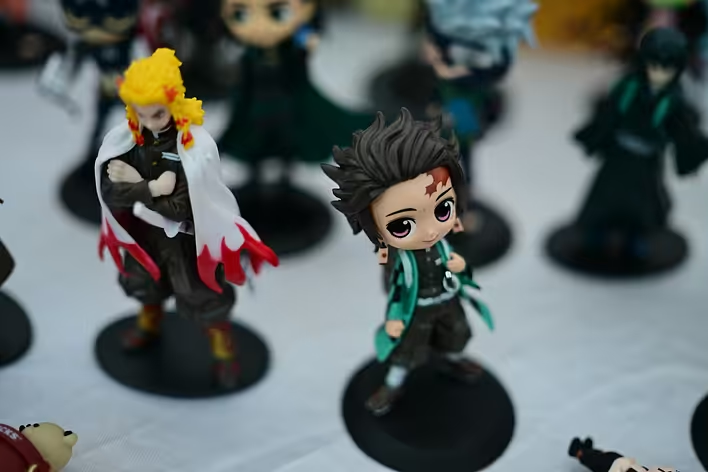
Visually, kawaii is easily recognizable: rounded shapes, pastel colors, large eyes, minimalist details, and slightly "childlike" proportions. That is why the style chibi in anime is so closely associated with kawaii — it literally embodies these principles in its characters.
This aesthetic began to actively form in Japan in the 1970s. Young people, especially girls, created their own writing style — with rounded letters, hearts, and cute symbols. Over time, this evolved into a full-fledged cultural movement that was embraced by brands, media, and the entertainment industry.
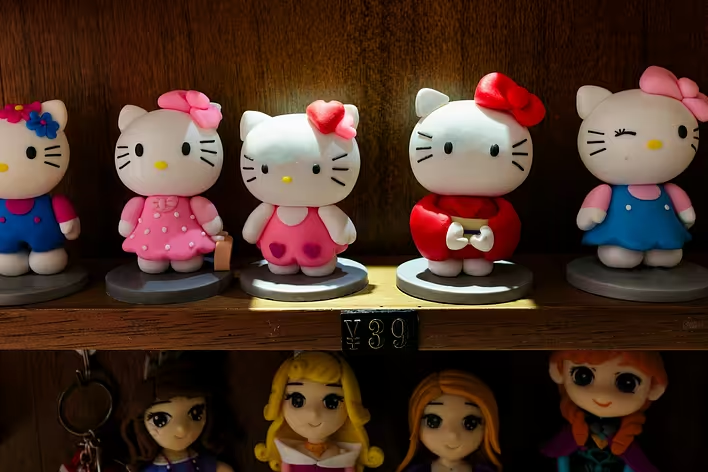
One of the most famous symbols of kawaii became Hello Kitty — a character from the Sanrio company that appeared in 1974. She doesn't even have a mouth, but this allows everyone to "read" her emotions in their own way — and this is one of the key features of kawaii: universality and emotional projection.
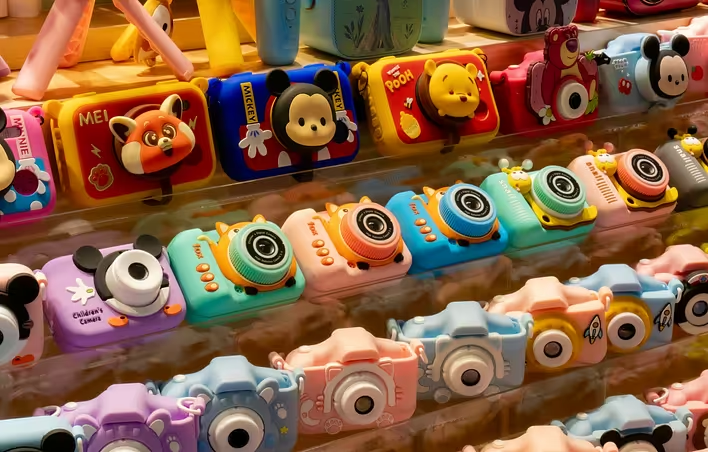
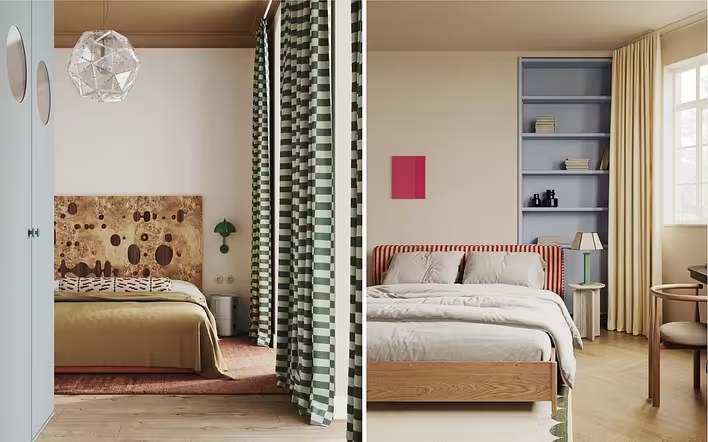
Over time, kawaii has transcended the realm of childhood or purely "girly" style. Today, it is present in fashion, interior design, product packaging, technology, and even behavior. For example, cute design is often used in serious fields — from banking apps to warning signs — to make interactions less stressful.
Interestingly, kawaii is not just about appearance but also about emotion. It is a way to make the world softer, safer, and more friendly. That is why even adults often gravitate towards this aesthetic — as a form of visual comfort.
Today, kawaii has become a global phenomenon. Its influence is visible far beyond Japan: in social media, illustrations, branding, and pop culture. And although trends change, the need for "cuteness" as an emotional balance remains constant.