This content has been automatically translated from Ukrainian.
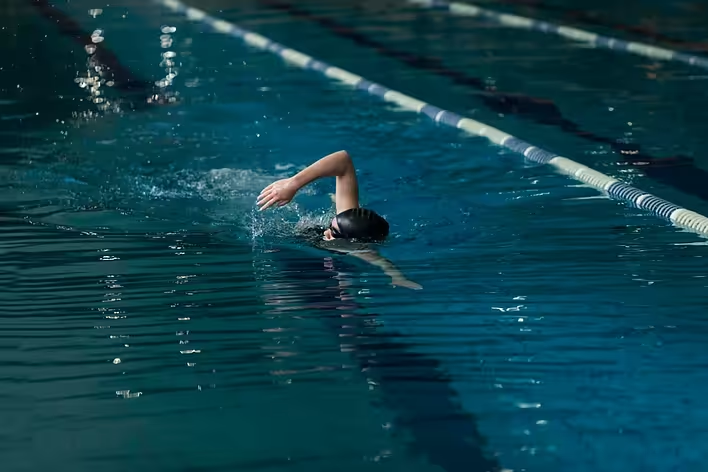
Swimming during menstruation is not only possible but often beneficial for alleviating PMS symptoms and lower back pain. In today's fast-paced life, critical days should not be an obstacle to visiting swimming pools in Kyiv at the fitness center.
Can you swim in the pool during your period: 10 tips
1. Choose the right hygiene product: can you swim with a tampon?
Sanitary pads are not suitable for swimming as they instantly absorb water, lose shape, and become ineffective. The best choice is tampons or menstrual cups. Cups are more reliable for prolonged water exposure as they create a vacuum and minimize contact of discharge with pool water.
2. Change the product just before entering the water
For maximum protection and hygiene, insert a new tampon or empty the cup right before going to the shower before the pool. This ensures that there is a full absorption capacity during the workout.
3. Use a dark swimsuit
Even with complete confidence in hygiene products, psychological comfort plays an important role. A dark blue, black, or dark graphite swimsuit will help you not worry about possible leaks and feel more confident.
4. Monitor the water temperature
Very cold water can provoke cramps, while too hot water can increase bleeding. The optimal option is sports pools with a temperature of 27-28°C. If it is an premium fitness club, this indicator is usually clearly controlled by automation.
5. Listen to the intensity of the workout
If you feel weakness or severe pain, replace intense freestyle with calm backstroke or aqua aerobics. The water helps relax the abdominal muscles, which naturally reduces discomfort.
6. Hygiene after the pool is paramount
Immediately after exiting the pool, it is necessary to take a shower and change to a new hygiene product (or pad). The water in pools contains chlorine or other reagents that should not remain on the mucous membranes for a long time.
7. Don’t be afraid of myths about "unhygienic": can you swim during your period?
Modern filtration systems in quality pools are designed to neutralize any biological fluids. The pressure of the water while swimming usually keeps discharge contained, and hygiene products finish the job.
8. Bring a change of clothes and a towel
During these days, the body may be more sensitive to hypothermia. Make sure you can quickly dry off and put on warm, comfortable clothing after the shower.
9. Maintain hydration
During menstruation, the body may retain water, but that doesn’t mean you should drink less. On the contrary, clean water helps reduce bloating and improve overall well-being after physical exertion.
10. Keep a pain reliever on hand
If pain can strike suddenly, keep your usual trusted medication in your bag. However, physical activity in water often works as a natural pain reliever.
Like it?React
🧵
This post doesn't have any additions from the author yet.