This content has been automatically translated from Ukrainian.
Hello! I am sharing successful urban solutions that I saw in the city of Waregem in Belgium. The city is relatively small but quite densely populated. As of January 1, 2020, its population was about 38,300 people.
My Observations
During my observations of the urban environment, I noticed several progressive urban solutions that are actively integrated into modern urban planning. In particular, I was drawn to examples of using grass grids, which embody permeable pavement that plays a role in creating green infrastructure. I considered the concept of vertical greening, or "green walls." And I analyzed the organization of public space, where priority is given to pedestrians, creating conditions for interaction and socialization.
Grass Grid
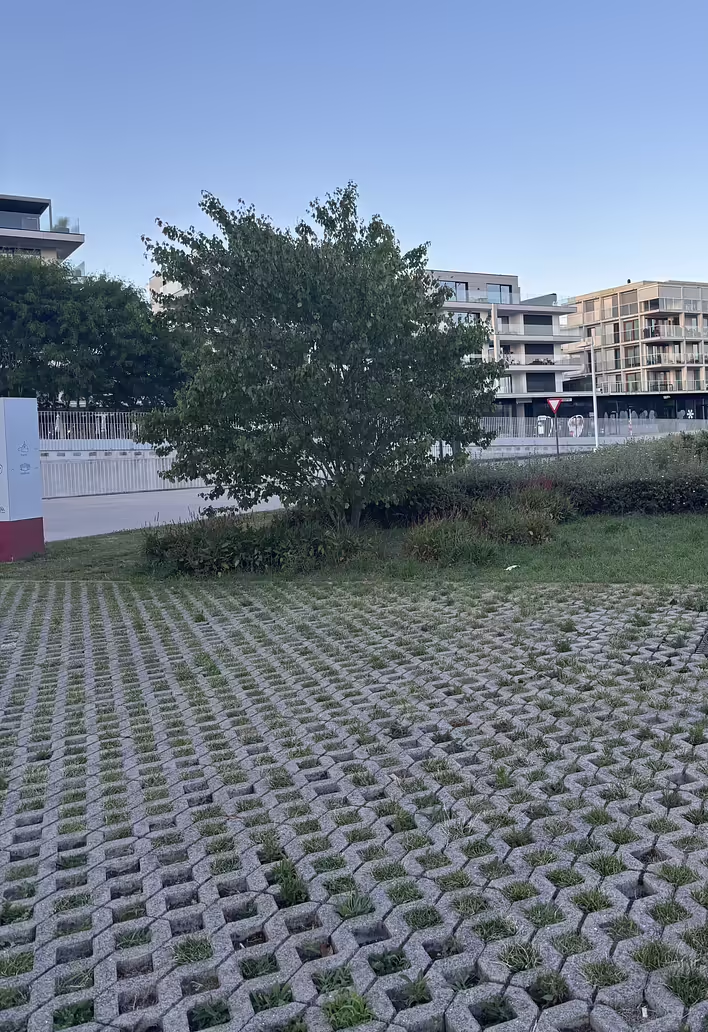
The photo shows a type of permeable pavement that is often referred to as a grass grid, eco-parking, or permeable paving. From an urban perspective, permeable surfaces and grass represent a key element of modern green infrastructure and sustainable urban planning.
What is the essence of the grass grid?
Traditional asphalt and concrete surfaces in cities are impermeable, leading to rapid accumulation of large volumes of rainwater, overloading urban drainage systems, local flooding, and pollution of water bodies. Grass grids, in turn, allow water to seep into the soil, mimicking the natural cycle. This reduces the risk of flooding and improves water quality, as the soil acts as a natural filter. This is part of the "sponge city" concept, which is becoming increasingly important in the context of climate change.
This surface helps reduce the "urban heat island" effect. The temperature in built-up areas is significantly higher than in suburban areas because concrete and asphalt absorb and radiate heat. Green plantings integrated into the surface cool the air through water evaporation and reduce solar radiation absorption. This approach also increases the area of green spaces in the city.
The approach aligns with European standards for sustainable development and concepts being promoted, such as the "New European Bauhaus," which emphasizes the importance of integrating sustainability, inclusivity, and aesthetics.
Example of Vertical Greening
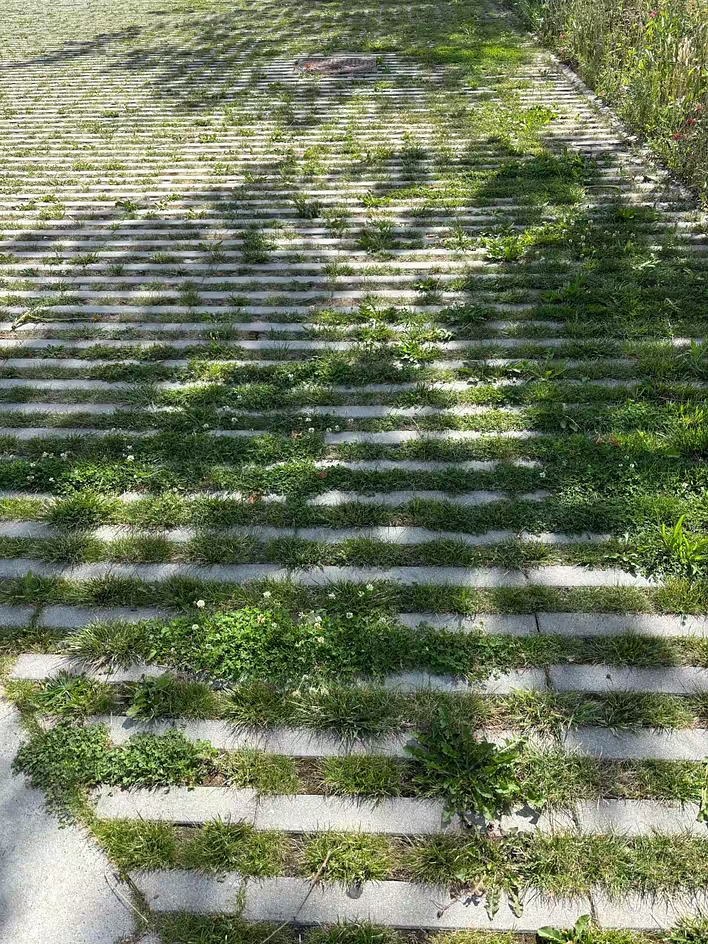
The photograph below shows a significant portion of the facade covered with a dense layer of vegetation. This is a vivid example of vertical greening or a "green wall" (green wall / living wall).
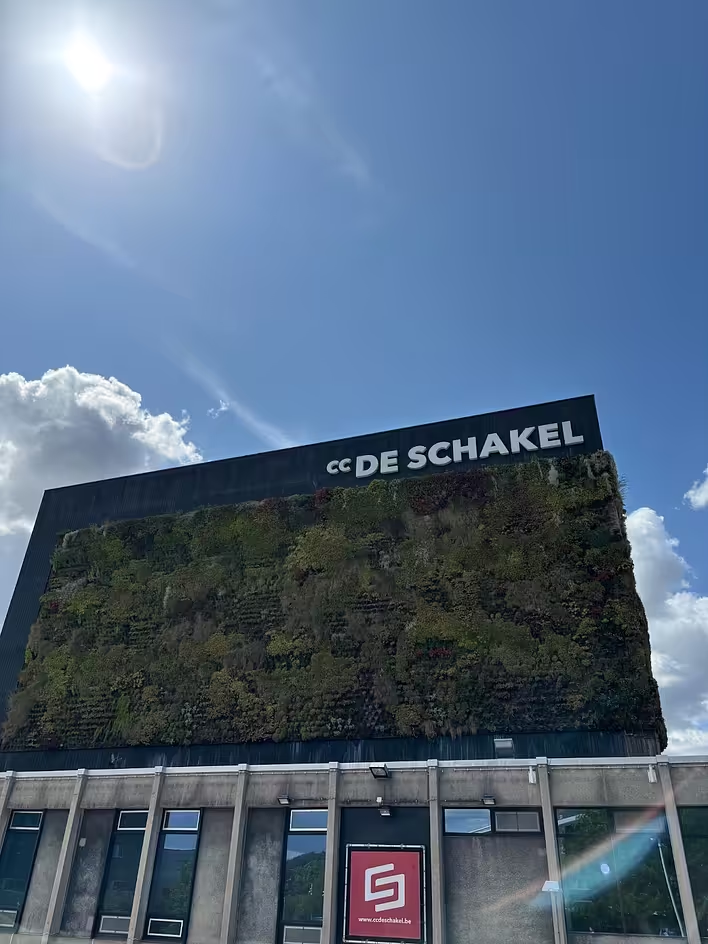
Vertical greening — is a system that allows plants to grow vertically on building walls, usually using special modular systems that hold soil or other growth substrates and have built-in irrigation and drainage systems. It is one of the most progressive and visually striking solutions in modern planning.
As in the previous example with the grass grid, vertical greening is a tool for reducing the "urban heat island" effect. Green walls significantly reduce the heating of facades due to the vegetation.
Public Space Arrangement
The photograph shows a modern urban space functioning as a pedestrian zone. The entire area is paved with light tiles, emphasizing its purpose exclusively for pedestrians. On both sides are modern buildings with large glass storefronts on the ground floors, belonging to shops, cafes, and possibly offices. Long white canopies or pergolas with horizontal slats are installed above the pedestrian pathways. These elements serve a practical function, providing shade and protecting pedestrians from the sun. Benches are placed along the pathway.
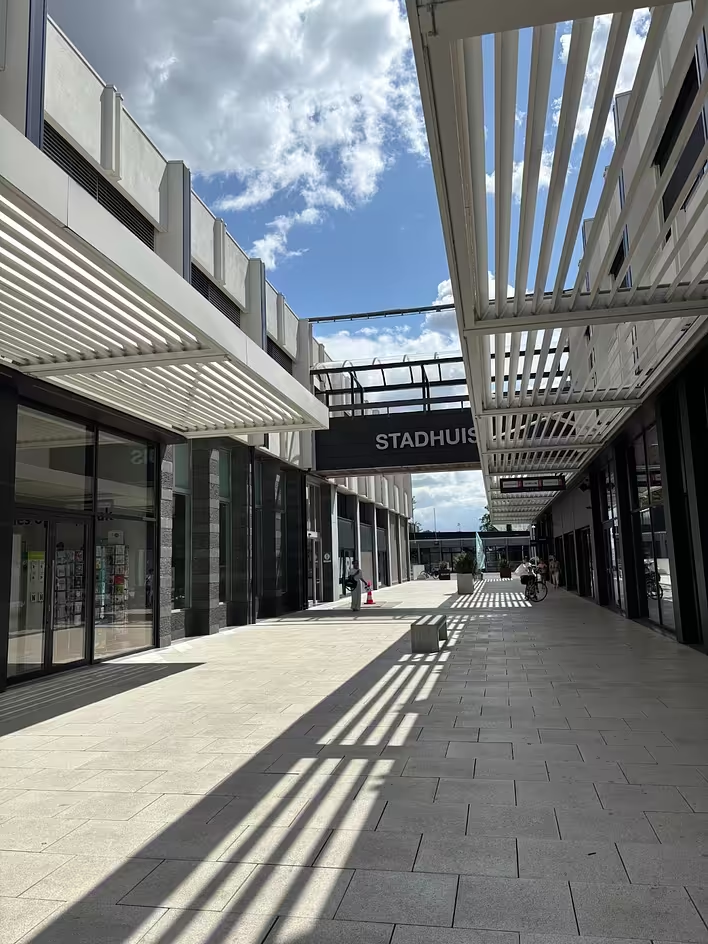
This example vividly demonstrates the priority of pedestrians in urban planning, encouraging interaction and socialization among people.
Like it?React
🧵
This post doesn't have any additions from the author yet.