This content has been automatically translated from Ukrainian.
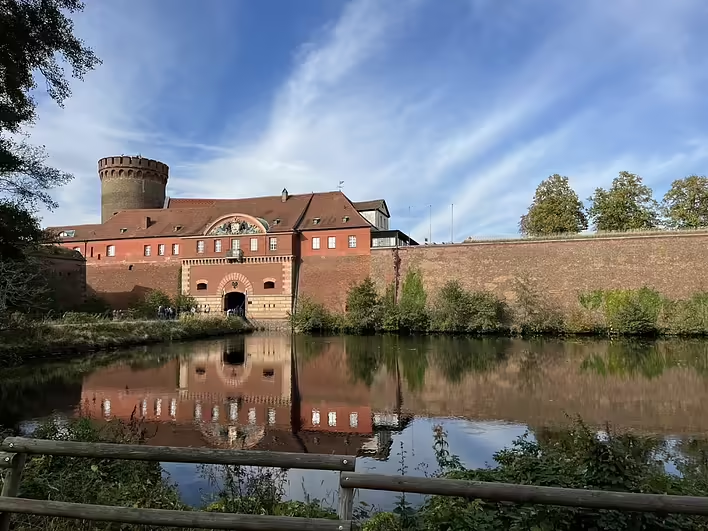
If you imagine a medieval fortress still proudly towering over the waters, one of the first that comes to mind is Spandau Citadel. This powerful fortress, located in Berlin, is one of the best-preserved Renaissance fortifications in Europe. It has survived numerous wars, revolutions, and changes of eras, remaining a silent witness to history.
Fortress on the Edge of Worlds
The Spandau Citadel did not appear out of nowhere. In the Middle Ages, a castle stood on this site, protecting the approaches to the city. In the 16th century, when artillery began to change the rules of warfare, the need for modernization of defensive structures arose. Thus, in 1559, Elector Joachim II ordered the construction of a new fortress based on Italian models.
Architects Francesco Chierici and Rochus Grafner created the perfect bastion fort: a square structure with four powerful bastions at each corner and a deep moat filled with water. It was a modern fortification system capable of withstanding a prolonged siege.
Silent Witness of History
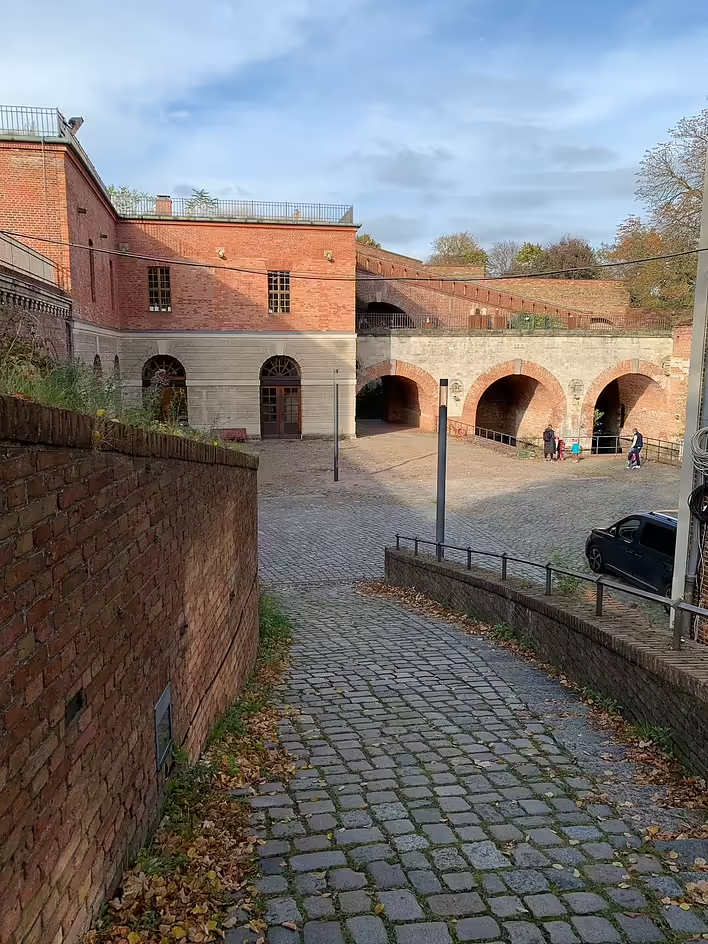
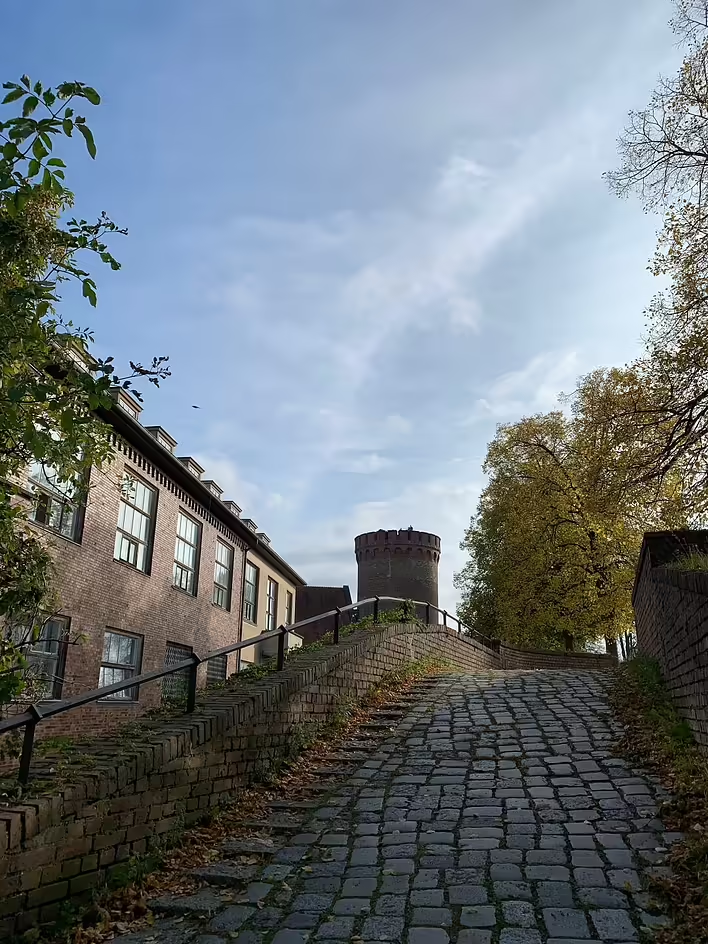
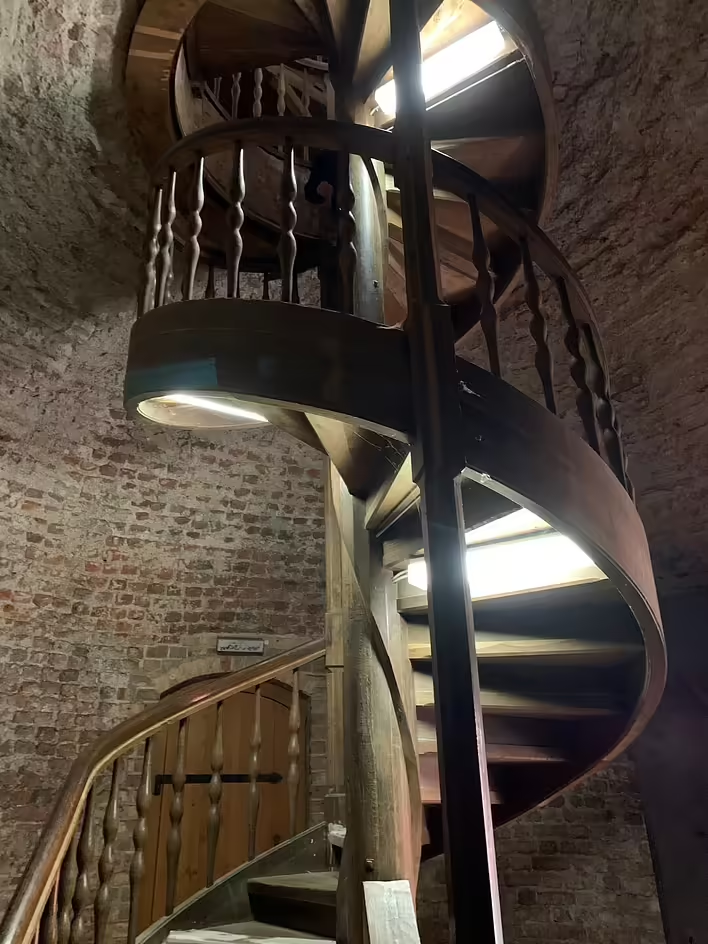
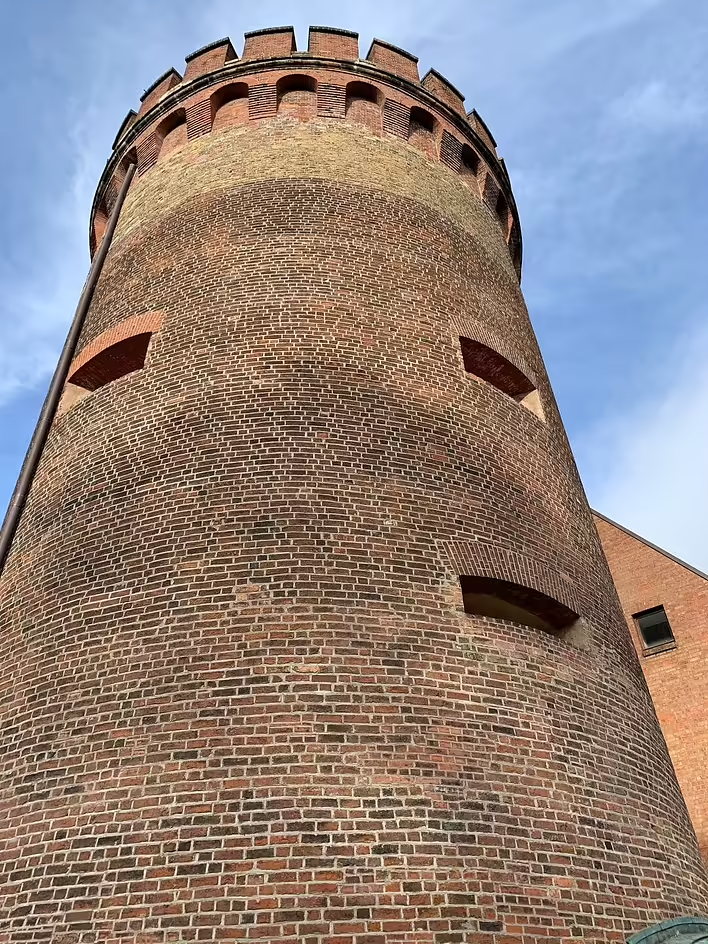
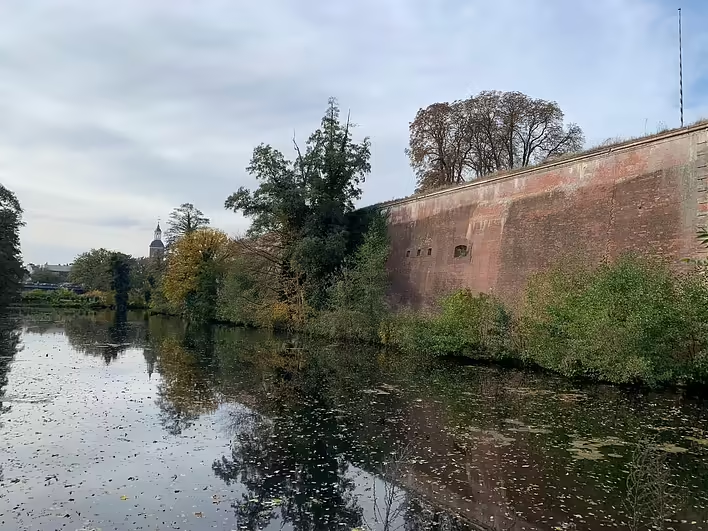
In the 20th century, the citadel again found itself at the center of historical events. During World War II, it housed production facilities and defensive garrisons. In 1945, when Soviet troops stormed Berlin, the last defenders of the fortress surrendered only after Germany's capitulation.
However, the most famous chapter of its recent history is associated with the Cold War. It was here, in the Spandau internal prison, that Rudolf Hess, the last Nazi leader, was held from 1947 to 1987 until his death.
Modernity: From Fortress to Museum
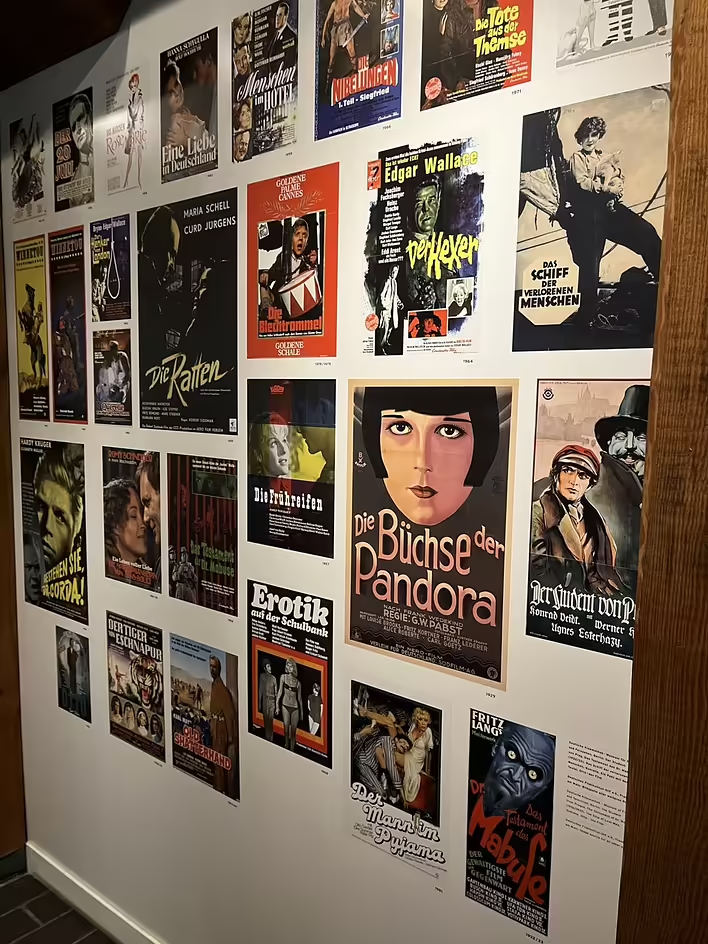
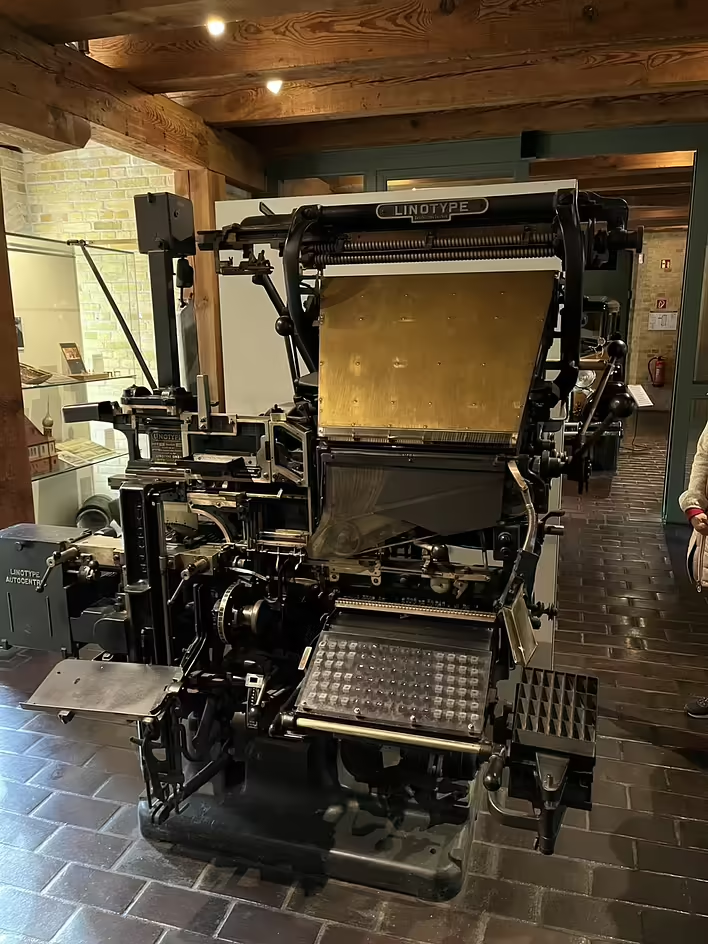
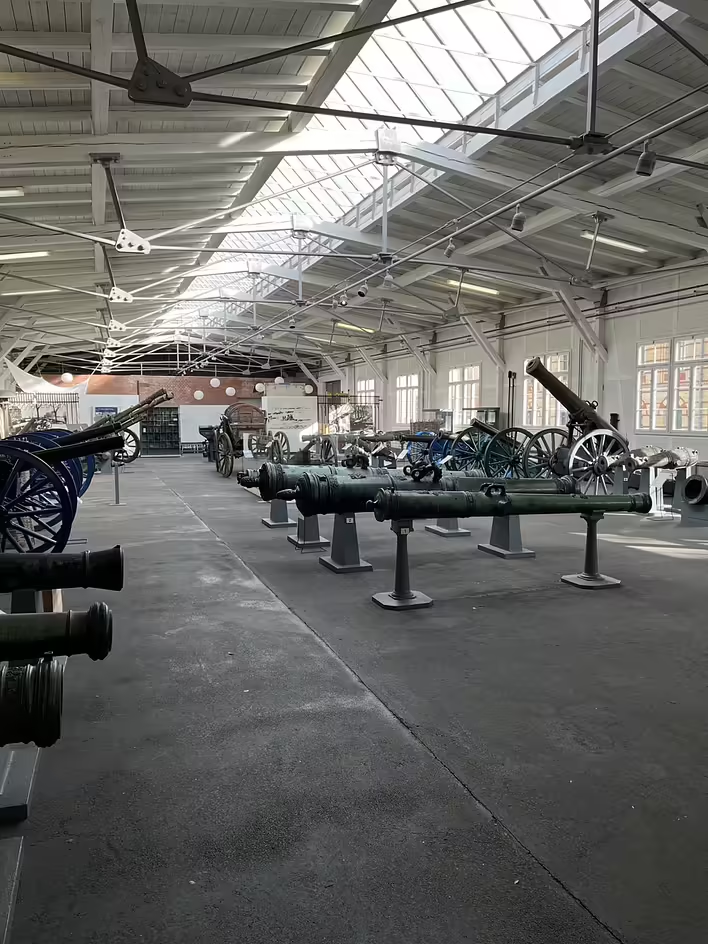
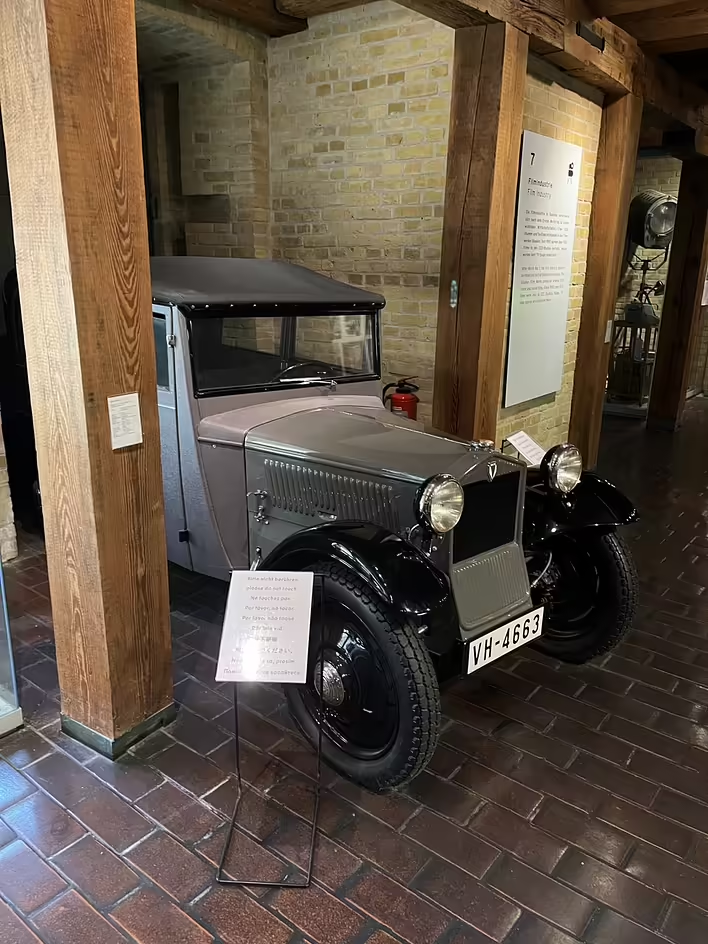
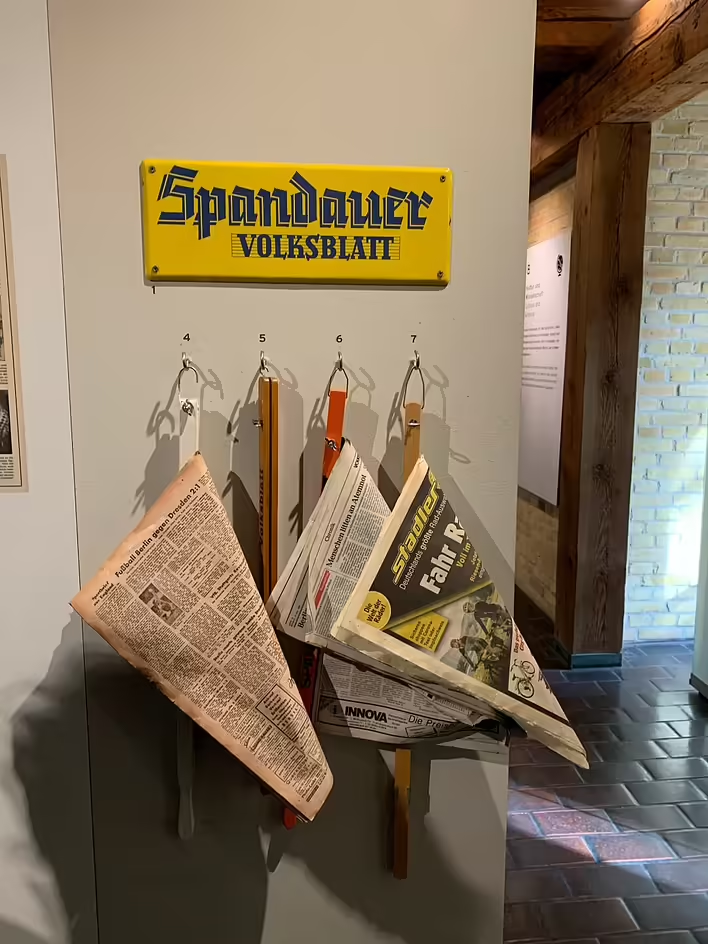

Today, the Spandau Citadel is a cultural center and a tourist gem of Berlin. It is open to visitors and offers exhibitions that introduce its rich history. The 30-meter Julius Tower, which offers a panoramic view of the surroundings, is of particular interest.
Additionally, festivals, medieval fairs, and concerts are regularly held here, giving the fortress a special atmosphere. Admission costs 4.50 euros per person. Opening hours: Friday to Wednesday 10:00 AM - 5:00 PM, Thursday 1:00 PM - 8:00 PM.
Like it?React
🧵
This post doesn't have any additions from the author yet.