This content has been automatically translated from Ukrainian.
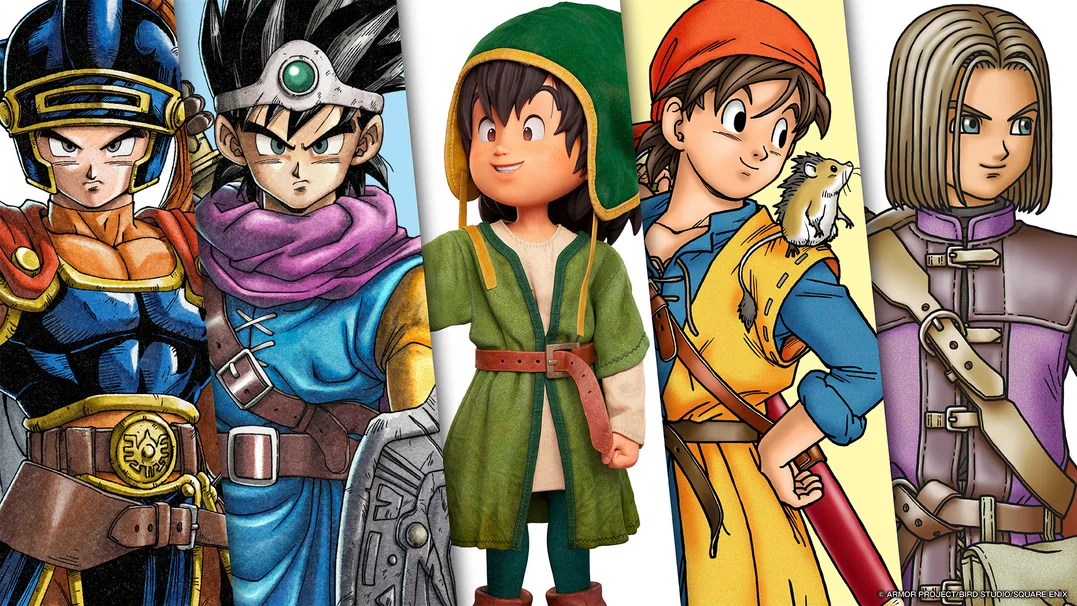
On May 27, 2026, Dragon Quest from Square Enix celebrated its 40th anniversary. In a special feature, PlayStation mentioned six main parts of the series that were released on Sony consoles and showed how the title evolved from generation to generation.
These are releases that influenced the history of the franchise just as much as new mechanics or visual styles: from the first 3D in Dragon Quest VII to modern HD-2D remakes and the grand return of Dragon Quest XI to the offline format.
From Dragon Quest VII to Dragon Quest VIII: the transition to 3D
Dragon Quest VII: Fragments of the Forgotten Past became the first main installment of the series on PlayStation. It was here that Dragon Quest first received 3D polygons, and the game on two CD-ROMs became a huge adventure lasting over 100 hours of gameplay. The fragment collection system allowed players to travel between the past and present, and it also introduced the ability to switch to Monster vocations — that is, the combat classes of monsters.
Dragon Quest VIII: Journey of the Cursed King utilized the power of PlayStation 2 and became the first fully three-dimensional game in the series. It also introduced Skill Points — a system for distributing points for character development, as well as Psyche Up and Alchemy Pot. The cel-shaded visual style, more realistically designed camera, and smooth cutscenes that made the game very cinematic are also highlighted.
The modern era: Dragon Quest XI and a return to roots
Dragon Quest XI: Echoes of an Elusive Age was released as part of the project for the 30th anniversary of the series. After Dragon Quest X Online, it returned the franchise to the offline format and offered a new world with numerous references to past installments. In battle, Pep and Pep Powers are utilized, and a Character Builder is used for character progression. For those seeking a more challenging experience, Draconian Quest modifiers were added. The game can also be found in the PlayStation Store.
A separate section is dedicated to the remakes of the classic Erdrick trilogy. Dragon Quest III: The Seeds of Salvation received a PS5 version in HD-2D format — a combination of pixel art and 3D backgrounds. The remake expanded the story episodes related to Ortega, added a new profession, Monster Wrangler, and Monster Arena, as well as full voice acting and an orchestral soundtrack.
Dragon Quest I & II HD-2D Remake for PS5 combines the first two parts of the series with new content, updated battles, and additional systems such as Scrolls and Sigils. This list also includes Dragon Quest VII Reimagined for PS5 — a completely redesigned remake with a puppet Doll Look, accelerated battles, fast travel, fragment hints, and new scripted content, including an episode about Kiefer in adulthood.
Like it?React
🧵
This post doesn't have any additions from the author yet.