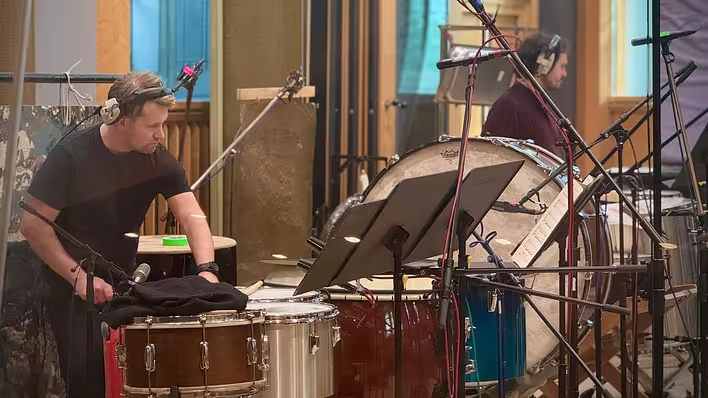
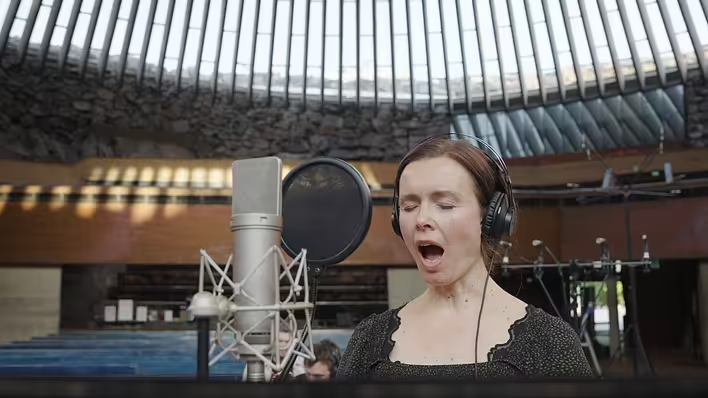
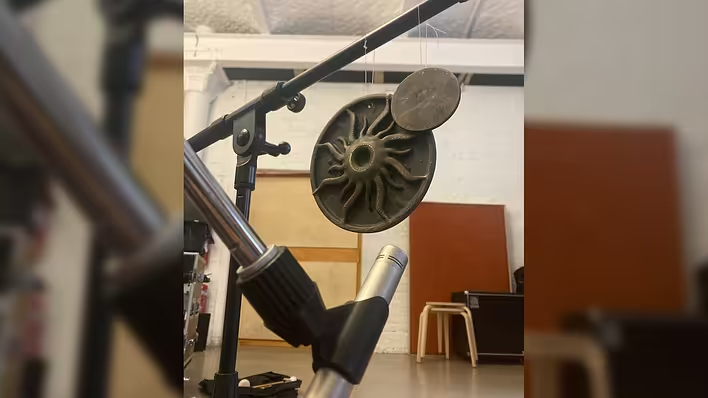
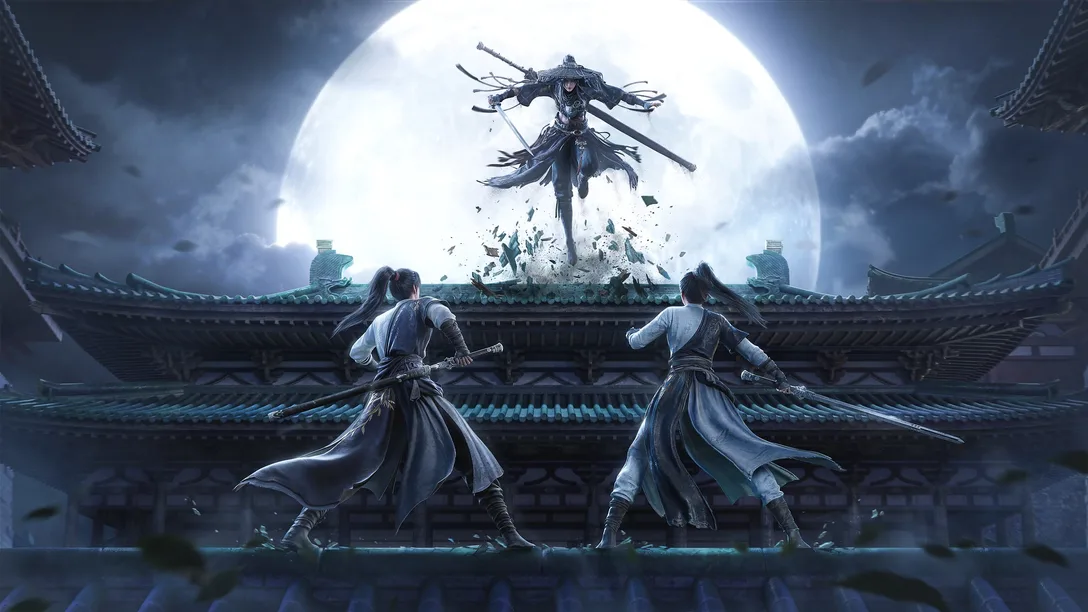
Composer, producer, and artist Sam Slater spoke about the soundtrack Saros, which combines dark synthesis, drone metal, altered voices, and guitars with powerful distortion. According to him, it was not just about writing music for the game's events, but about searching for the "soul of the planet" Carcosa.
Along with the launch of the soundtrack on May 22, Slater explained how he built the musical identity of the Saros world, worked on the theme of Arjuna and Nitiya's search, and made the music sound as if the sky was literally tearing apart.
Music as part of the world, not a separate layer
Slater says that from the very beginning, the team was looking for an answer to the main question: what should be the soul of this soundtrack. Together with Housemarque's creative director Greg Loudon and Music Lead at PlayStation Studios Creative Arts Joe Twyett, they selected the initial thematic and textural ideas to make Carcosa feel like a real place.
He also does not separate music from sound design — that is, the game's sound design. According to him, it is one audio system space where music, noises, atmospheric effects, and weapon effects work together and constantly check who gets to have space in the mix.
How Saros sounds in different biomes and during Eclipse
The different biomes of the game influenced the sound direction: for Ancient Depths, the main motif was built around a ceramic, almost stone-like sound that seems to bounce in a large cave and "falls" down each time due to reverberation. This creates a sense of constant descent.
When Eclipse is activated, the music changes along with the world. Slater explained that each melody from the "normal" version of the world shifts exactly six semitones, causing familiar motifs to start sounding unnatural. Several tracks also feature processed human voices, and in Desecrated Fortress, Rully Shabara was invited for experimental vocals. He names Nitiya as the leading theme and emotional center, rather than just the absent image.