Capers are small but incredibly aromatic "pearls" of the culinary world that have added an exquisite touch to dishes around the globe for centuries. Their unique, slightly tangy and salty flavor not only diversifies dishes but also adds sophistication and a Mediterranean accent. But what exactly are capers, where do they come from, and how can they be used in cooking?
What are capers and where do they come from?
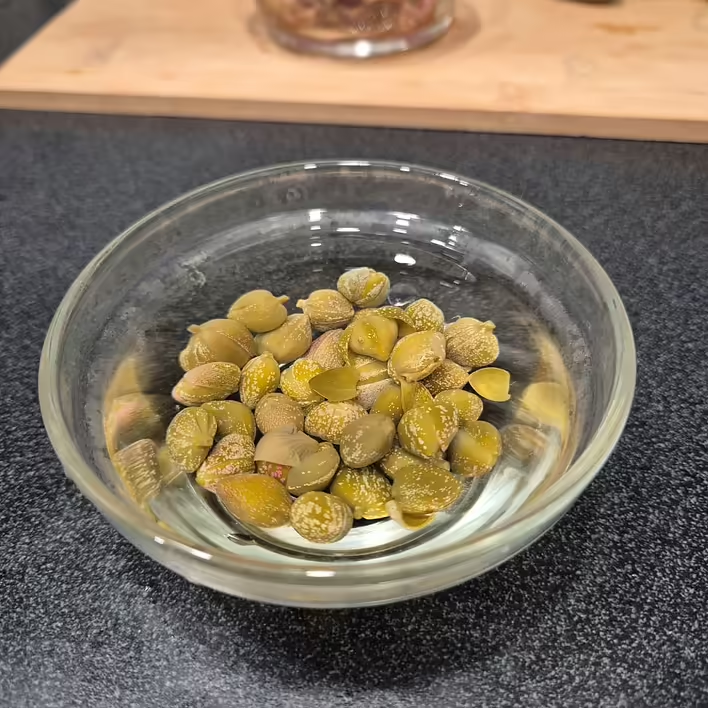
Capers are the unopened flower buds of the Capparis spinosa (spiny caper) bush, which grows in Mediterranean regions, the Middle East, North Africa, and even some areas of Asia. These small buds are hand-picked before they have a chance to open, as this is when they retain the most flavor and aroma.
квітка каперсника. На задньому плані - бутон
After harvesting, capers are not consumed raw. They are salted or pickled in vinegar, salt, or brine, which gives them their characteristic flavor. It is important to note that capers are not fruits, as some mistakenly believe, but rather flower buds. Interestingly, the fruits of capers are also edible and are often used in other recipes, but that is another story.
How do capers affect the flavor of dishes?
The flavor of capers can be described as tangy, salty-sour, with a slight bitterness and a bright "herbaceous" note. This rich flavor profile makes them an ideal addition to dishes that require a vibrant accent. They do not dominate, but add depth and balance, especially when combined with olive oil, citrus, or protein products like meat or fish.
In what dishes are capers used?
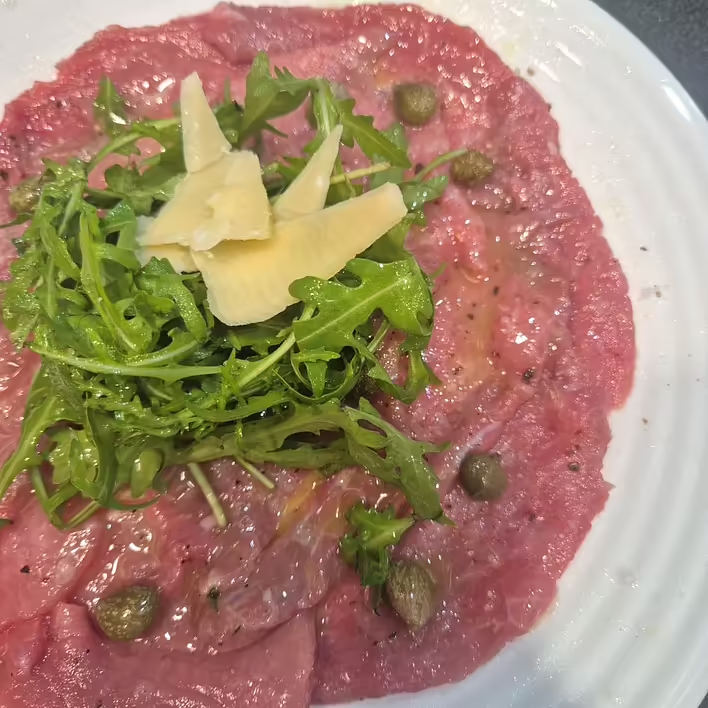
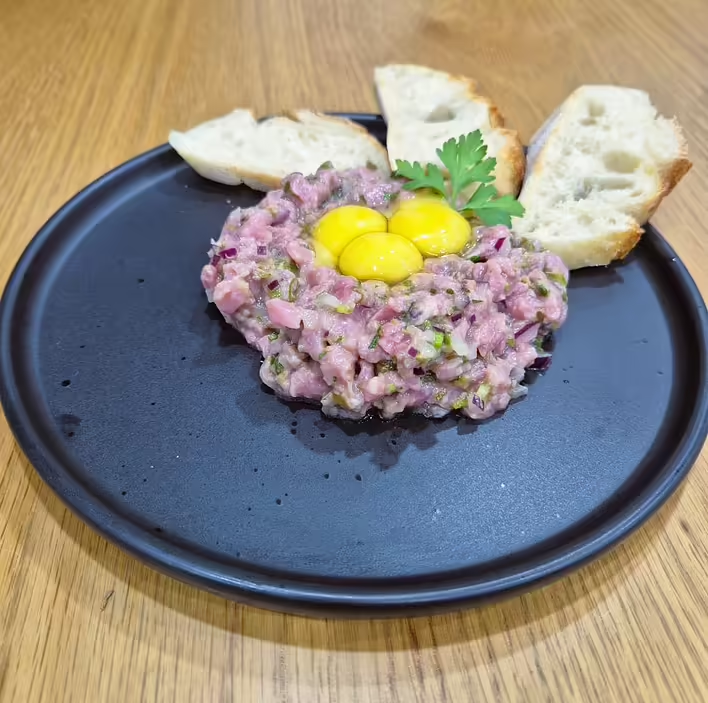
In the culinary blog @HomeCookingIsSimple, capers are mentioned in several dishes. In particular, they have become one of the key ingredients in beef carpaccio, where their salty taste perfectly highlights the tenderness of thinly sliced raw meat and the citrus tang of lemon juice. They are also used to prepare beef tartare — here they harmoniously combine with anchovies and spicy oil with red pepper, creating a unique flavor balance.
карпаччо з яловичини. Тут додаються цілі каперси
тартар з яловичини. Тут додаються подрібнені каперси
Another example is salmon tartare, where capers wonderfully complement the texture of the fish, adding a refreshing tanginess. Capers are often used in dishes with raw fish or meat, as they "revitalize" the dish with their tangy note.
тартар з лосося. Тут теж використовуються подрібнені каперси
How to choose and store capers?
Capers come in various sizes — from small, a few millimeters in diameter, to larger ones (the so-called "capperini"). The smallest capers are considered the most expensive and valuable, often having a more intense flavor.When choosing capers, pay attention to the packaging: the buds should be completely covered in brine or oil, and their color should be a rich green or olive. At home, capers are best stored in the refrigerator to preserve their flavor properties longer.
What can replace capers?
If you do not have capers, they can be replaced with olives (especially finely chopped green varieties) or even pickles. However, it should be noted that these ingredients cannot fully replicate their unique flavor.
Where else are capers used?
Capers are a key component of many Mediterranean dishes. They are added to sauces, salads (Greek or Niçoise), pasta (puttanesca), and are also used as a pizza topping. Their flavor pairs perfectly with seafood, white meat, and even some types of cheese.
Capers: health benefits
In addition to their culinary value, capers also have health benefits. They are rich in antioxidants, vitamins (especially vitamin K), and minerals. Due to their low calorie content and high concentration of nutrients, they can be a beneficial addition to a healthy diet.Capers are an ingredient that can make any dish exquisite and balanced. They add a tangy character, easily integrate into various recipes, and become a true highlight of Mediterranean cuisine. If you haven't tried cooking with capers yet, be sure to try them in carpaccio, tartare, or simply add them to a salad — and discover this unique product!